
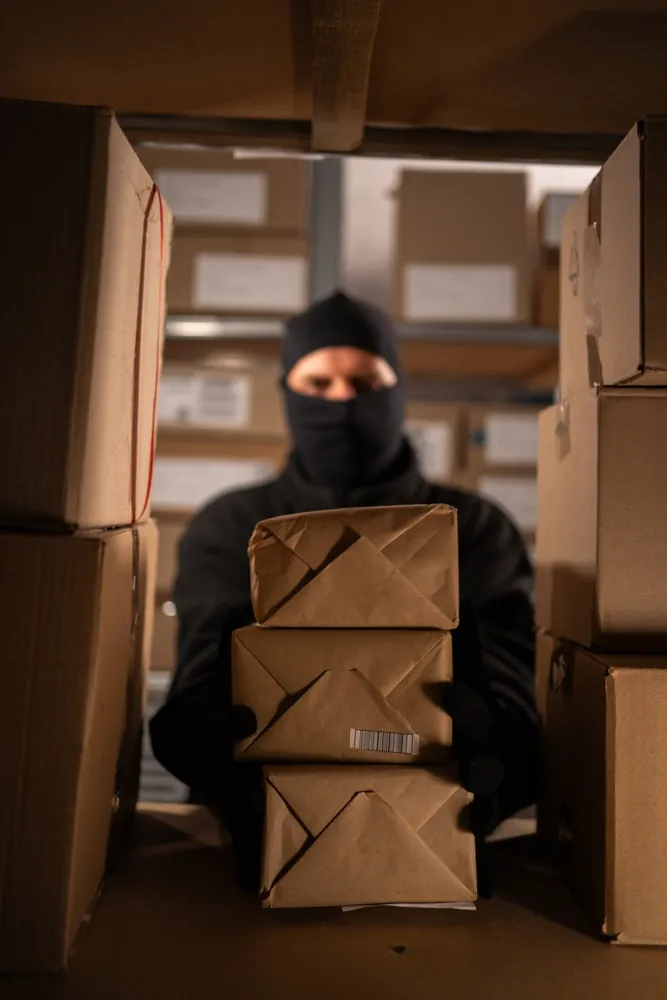

Protecting Freight Requires More Than a Trailer Lock
It is important to note that freight can be stolen from many different places. For example, it can be stolen from parked trailers, warehouses, distribution centers, and truck stops, to name a few. It should also be noted that criminals don’t have to physically break into a trailer; they can impersonate legitimate carriers, alter shipping documents, and compromise emails. This article will serve as a prevention guide to help you prevent cargo theft and protect your frieght. In 2025, estimated frieght losses across the United States and Canada reached nearly $725 million dollars.
What Is Cargo Theft?
Cargo theft occurs when all or part of a commercial freight shipment is stolen. Specifically, this includes when it is stolen while waiting for pickup, parked at a truck stop or rest area, moving between facilities, awaiting delivery, or when it is redirected through fraudulent instructions. Cargo theft can involve physical theft and also deception-based schemes.
Cargo Theft vs. Freight Damage vs. Freight Fraud
When it comes to cargo theft, it should be noted that this involves freight that is missing or has been intentionally diverted. Whereas freight damage involves freight that has arrived broken, crushed, contaminated, etcetera. Fraud may be used to commit theft, for example, a fake carrier, an altered bill of lading, or fraudulent delivery charges.
Why Cargo Theft Prevention Matters
Cargo theft matters for many different reasons. Cargo theft in freight means having to replace stolen products, which can lead to a loss in sales. Production interruptions soon follow, and these can lead to customer delays and damaged customer relationships. Although the theft may be out of your hands as a business, you will have to take some losses and fight tooth and nail if you want your business to stay afloat during difficult times after cargo theft has occurred.
10 Cargo Theft Prevention Tips
1. Verify the Carrier Before Releasing the Shipment
Before you release a shipment, it is important that you verify the carrier. In other words, you want to verify the legal business name, the USDOT number, Insurance information, business address, recent changes to company records, etcetera. It is important to verify all of these details to help prevent becoming a victim of cargo theft. The verification should use independently obtained contact information rather than only the phone number or email address provided.
2. Confirm the Driver and Vehicle at Pickup
The warehouse or shipper should record and compare the driver’s name, driver’s license, carrier name, license plate, USDOT number, pickup number, and bill of lading information. Freight should not be released when the driver, truck, trailer, or carrier does not match the approved record pickup.
3. Require Multi-Step Verification for Delivery Changes
Requiring multi-step verification for delivery changes means that no shipment would be rerouted based solely on an email, text message, or call from an unfamiliar number. To implement this multi-step verification, a written change request would need to be made. Also, verification through a known contact. Confirmation from the shipment owner as well. Updated documentation and a notice to all authorized parties.
4. Protect the load and routing number
To protect the load and routing number, access should be limited. Specifically, things like the pickup dates, delivery addresses, product descriptions, shipment values, route details, driver information, customer names, trailer numbers, tracking links, and bills of lading should only be presented on a need-to-know basis for all parties involved. In other words, employees and vendors should only receive the information necessary to complete their roles.
5. Train Employees to Recognize Phishing and Spoofing
All employees should be trained to recognize phishing or spoofing. This training should include how to recognize lookalike email domains, misspelled company names, free email accounts, shortened links, unexpected document downloads, urgent requests to change delivery instructions, requests for login credentials, or unexpected changes in carrier contact details.
6. Use Multi-Factor Authentication
When it comes to preventing phishing or credential theft, it’s important to know that a password alone may not be enough to prevent this from happening. With that in mind, it’s beneficial to require multi-factor authentication for systems containing sensitive information. In this case, that would mean anything with transportation records, carrier documents, customer information, email accounts, tracking data, rate confirmations, and bills of lading.
7. Track the Tractor, Trailer, and Shipment
When you are considering tracking a tractor, trailer, and shipment, there are quite a few different options. The first would be vehicle GPS; this would enable you to follow along a truck’s route to ensure your freight is being delivered to its destination. Also, hidden shipment trackers, which are harder to detect and disable, would be beneficial. Other hidden shipment trackers include route-deviation alerts, extended stop alerts, and device tampering alerts. If you are shipping high-value freight, having more than one tracking device would be beneficial.
8. Establish a Secure First-Stop Rule
To establish a secure first-stop rule, drivers should be told to avoid unnecessary stops immediately after pickup. This is even more important if a driver is leaving a facility known to carry high-value products. The goal is to put distance between the shipment and anyone watching the pickup location. Prioritizing this before the driver makes a routine fuel, food, or rest stop would be essential. However, driver hours, safety, fuel, and legal operating requirements still take precedence.
9. Inspect and Document the Shipment
Before the pickup of the shipment, it should be photographed. Specifically, the product, packaging, pallet or crates, labels, trailer interior, securement, closed trailer doors, seal placement and number, tractor and trailer, and driver identification should all be photographed.
Upon delivery, the arrival time, seal condition, packaging condition, signs of tampering, and missing items should all be documented. This documentation can be used to support investigations and qualifying insurance or carrier claims.
10. Create a Freight Theft Response Plan
Creating a freight theft response plan is a great way to be proactive when it comes to a potential worst-case scenario. Your plan should include who receives the first alert if theft has occurred; it should also include who contacts the driver, carrier, law enforcement, and insurer. In addition, include who will provide the tracking number and who will inform the customer. It’s also important to note who will manage replacement transportation and how evidence will be preserved. A missing shipment should never under any circumstances be treated like an ordinary tracking delay.
Cargo Theft Warning Signs
Potential warning signs include:
-A carrier’s email domain differs slightly from its official website.
-A dispatcher uses only a free email address.
-The quoted rate is unusually low or high.
-Pickup details change repeatedly.
-A different driver or truck arrives without notice.
-The driver cannot identify the dispatcher.
-The carrier requests a last-minute delivery-address change.
-Documents contain mismatched carrier names or numbers.
-A carrier’s FMCSA contact information recently changed.
-The driver is told not to communicate with the shipper.
-Tracking stops shortly after pickup.
-A vehicle leaves the planned route.
-The receiver is told to accept an unexpected carrier.
-Someone requests sensitive load information without a clear reason.
-An email asks the recipient to download an unfamiliar file.
Freight Theft Prevention Checklist
Before Booking
Before booking your freight, there are a few steps you should take. The first step would be to confirm the shipment value. Then, determine whether added insurance is appropriate. Also, limit access to sensitive shipment information. The next step would be to identify any special security requirements. Followed by establishing who can authorize any changes.
Before Pickup
Before the pickup of your freight, there are a few things you should keep in mind. First,
you want to verify the carrier. Next, you should confirm the driver as well as the equipment. Photographing the packaged freight is crucial for evidence purposes and to help file an insurance claim if the freight gets damaged in transit. Be sure to record seal numbers as this is important for making sure the correct freight is being transported and can be relayed to the recipient of the freight to check for the same seal numbers. It’s important to confirm the pickup and delivery details. Last but not least, verify all contact information independently.
In Transit
When your freight is in transit, be sure to monitor the tracking. Also, review any and all route deviations. Make sure the driver uses secure parking to reduce the risk of freight being stolen. In addition, limiting unnecessary stops is another safety precaution to take when your freight is in transit. Investigating unexplained communication gaps is important. Finally, last but certainly not least make sure to confirm delivery changes through multiple channels.
At Delivery
Once the freight is received, make sure it is verified by the receiver. This process would include inspecting the seal. Also, counting the handling units is important. Make sure that the receiver photographs the shipment. This is to ensure that any damage is documented or to show that the shipment arrived safely without any damage or items missing. Shortages or tampering should be noted as well.
Report problems immediately. Technology may help flag unusual routes, suspicious carrier activity, unexpected account changes, or abnormal stopping patterns. However, human verification is still necessary.
How FreightCenter Helps Shippers Manage Freight Risk
FreightCenter can help customers:
-Compare available freight services
-Work through shipment details
-Arrange LTL, truckload, expedited, and specialized transportation
-Access shipment tracking
-Coordinate carrier communication
-Review discreet shipping options
-Purchase available third-party freight insurance during booking
-Get help when a shipment exception occurs
Protect Your Freight Before It Ships
Accurate shipment information, appropriate service selection, secure communication, and strong documentation can reduce avoidable risk. Compare freight rates online or speak with a FreightCenter agent about your shipment requirements.
Cargo Theft Prevention FAQs
1. What is cargo theft prevention?
Cargo theft prevention uses verification, physical security, employee training, tracking, secure communication, and response planning to reduce the risk of freight being stolen or diverted.
2. What is the most common type of cargo theft?
Common forms include straight theft, pilferage, warehouse theft, fictitious pickups, strategic theft, cyber-enabled diversion, and hijacking.
3. What is strategic cargo theft?
Strategic theft occurs when criminals use deception, stolen identities, fraudulent carriers, altered documents, or compromised systems to gain control of a legitimate shipment.
4. How do thieves impersonate freight carriers?
They may use a stolen USDOT or MC number, spoofed email domain, fake insurance document, compromised load-board account, altered phone number, or fraudulent driver credentials.
5. How can a shipper verify a carrier?
Check the carrier’s legal identity, operating authority, insurance, official contact information, equipment, dispatcher, driver, tractor, and trailer before releasing the shipment.
6. How can employees recognize a fraudulent pickup?
Warning signs include mismatched identification, an unapproved driver, different equipment, altered documents, unusual urgency, and a dispatcher who cannot be independently verified.
7. Can GPS prevent freight theft?
GPS may help detect route changes and locate equipment, but it works best as one part of a layered security plan.
8. Where does cargo theft usually happen?
Common locations include truck stops, parking lots, warehouses, distribution centers, ports, rail yards, highways, and rest areas.
9. Are holiday weekends higher-risk periods?
Holiday weekends and extended closures can create longer periods when trailers and facilities are unattended. NICB identifies holiday weekends and the fourth-quarter shipping period as frequent theft times.
10. What products are most commonly stolen?
Frequently targeted products include food, beverages, metals, electronics, automotive components, pharmaceuticals, apparel, and building materials.
11. Does discreet shipping prevent theft?
Discreet shipping may limit visible shipment information, but it does not eliminate the need for verification, tracking, physical security, and secure handling.
12. Does freight insurance cover stolen freight?
Coverage depends on the policy, exclusions, commodity, shipment value, and circumstances. Shippers should review the coverage terms before booking.
13. What should I do if my freight is missing?
Contact the carrier and driver using verified information, preserve all records, notify law enforcement, report cyber-enabled incidents when appropriate, and contact the insurer or broker.
14. Can LTL freight be stolen?
Yes. LTL shipments can experience complete theft, partial shortages, pilferage, label loss, or theft while moving through terminals and delivery facilities.
15. How can FreightCenter help protect a shipment?
FreightCenter can help customers compare services, arrange transportation, access tracking, review discreet shipping options, purchase available freight insurance, and communicate with carriers about shipment exceptions.