
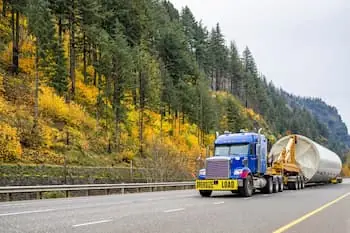
Why Clean Energy Logistics Is Becoming a High‑Risk and High‑Complexity Sector
Going green has been on our minds since the 1970’s, driven by smog pollution and the oil crisis. Over the years, the going-green movement has evolved in three distinct phases: beginning with President Carter’s establishment of the U.S. Department of Energy, then entering a period of commercial expansion, and finally reaching today’s widespread adoption.
Since the new millennium, we are in what is considered the modern renaissance of the clean energy movement. We are seeing more incentives in the mainstream for individuals and businesses alike to adopt better, eco-friendly practices.
While the green initiative has maintained momentum, the extremely sensitive process of establishing eco-infrastructure has become not only costly, but also challenging for the transportation industry. Unlike typical freight, clean energy logistics is high-risk and complex because it requires special care and attention to prevent damage.
However, transitioning a society toward sustainability requires more than just public will and policy incentives; it demands a radical overhaul of how we move physical matter. This is also true for logistics. The shifting scale of this equipment has transformed clean energy from an environmental initiative into a massive industrial hauling challenge, triggering an unprecedented surge in heavy-haul freight.
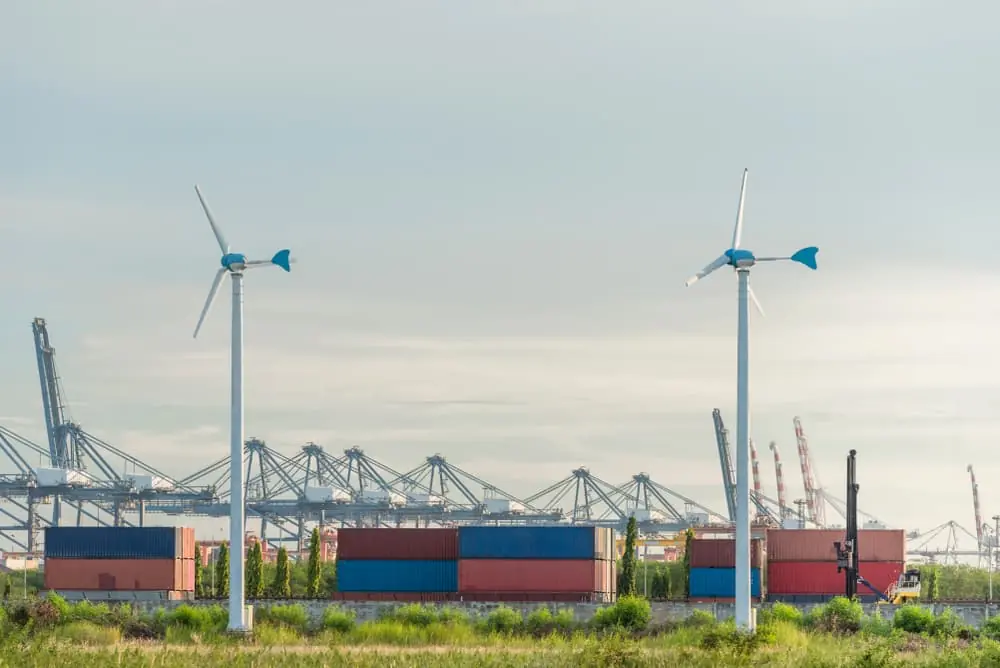
Clean Energy Freight Surge
In just the last decade, we have seen monumental growth in the clean energy industry with global expansion of wind, solar, and battery storage. In the last year alone, the industry has experienced rapid growth as large clean-energy facilities have emerged.
While every industry faces logistical challenges, the clean energy industry faces the added challenge of manufacturing outpacing the logistical infrastructure. As of 2026, global clean-energy manufacturing capacity has doubled the level of actual global deployment demand. While factories can be built or expanded in 12 to 18 months, the average expansion of logistics infrastructure takes 5 to 10 years.
This disconnect is in the time it takes to upgrade and improve infrastructure. Clean energy factory output has begun mass-producing solar modules, inverters, and other equipment in record time. With nowhere to use these components, they sit for months or years, becoming obsolete as newer models emerge.
As the old models sit and new models are mass-produced, there is now a growing financial strain. With capital frozen in idle inventory, companies incur unexpected storage fees or are forced to sell components at below-market prices just to free up capital and warehouse space. This gap only widens as equipment and components increase in size, as does the list of problems in implementing them.
In 2020, the clean energy industry began to scale, with wind turbines and tower sections surpassing typical highway dimensions. As these core elements scale, specialized oversized/over-dimensional (OS/OD) trailers and custom route permits will be required.
For energy storage systems and battery packs, there is an increased risk of fire, along with new safety and hazardous materials regulations for the safe transport of the items used. For some carriers, the equipment needed to transport batteries and power storage is hard to maintain and costly, limiting who can even transport them.
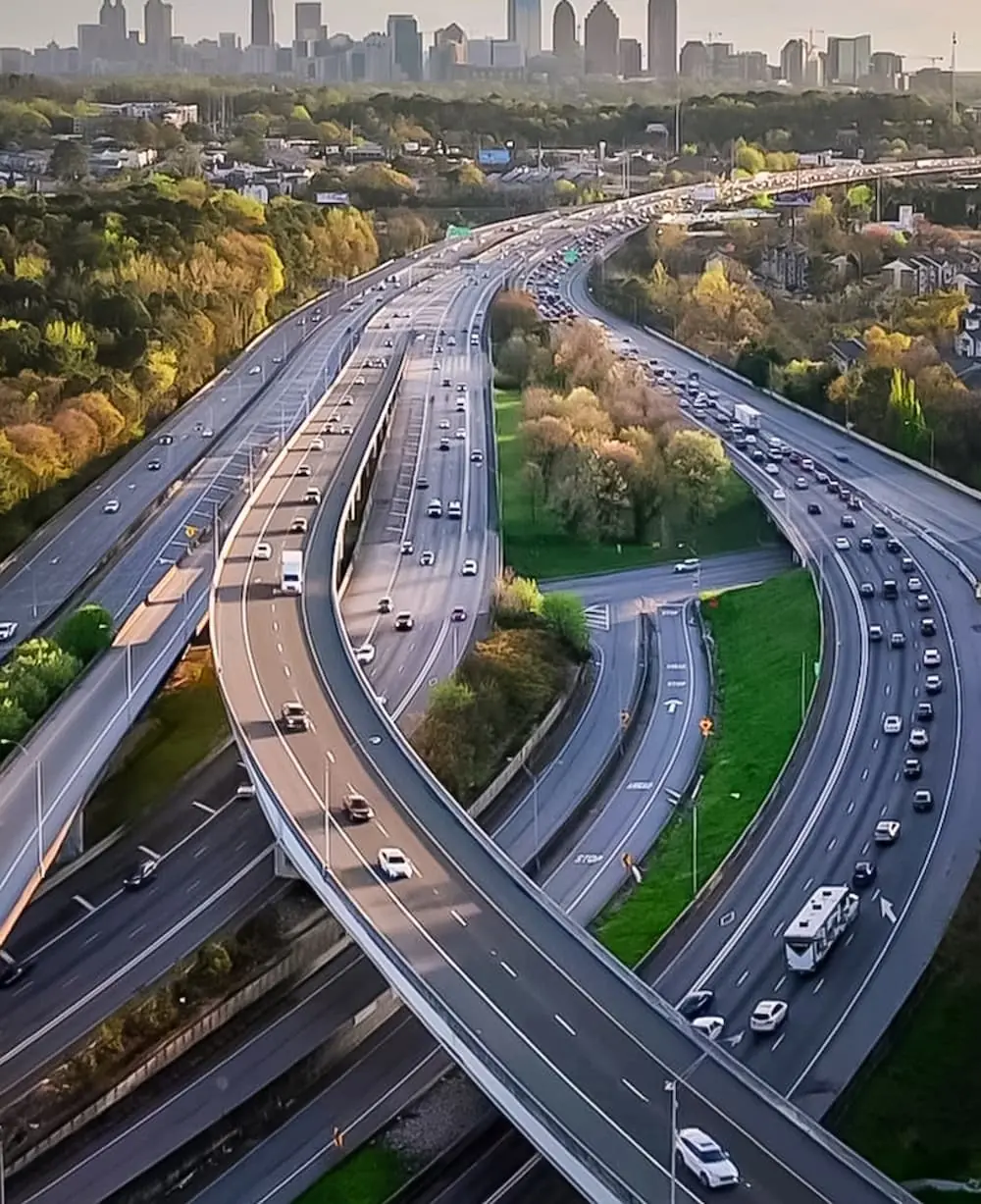
Infrastructure Not Built for Clean Energy Freight
In the United States, highways are built to withstand a maximum legal limit of 80,000 pounds (40 tons) of gross vehicle weight (GVW). This does not mean that’s all that can be on the road, but for a single vehicle, legal weight restrictions help prevent road failure, as weight must be evenly distributed, with limits of 20,000 pounds per axle and 34,000 pounds for tandem axles.
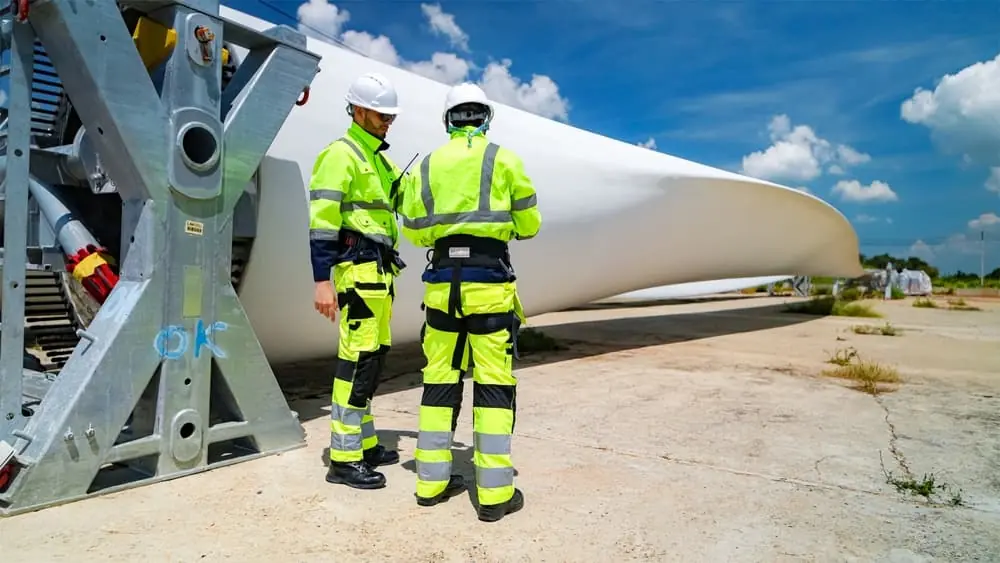
When a vehicle’s weight exceeds these restrictions, roads experience rutting, fatigue cracking, and subgrade failure, leading to earlier road replacement. Time to consider the issues: the average weight of a single modern wind turbine blade is approximately 30 to 65+ tons, and the average length is 250 to 350+ feet. Roads and highways are not built to consistently withstand the transportation of the blades, let alone the other components that average the same stats.
Roads aren’t the only lanes that are limited. Due to size, many ports are unable to accommodate transport, as they lack the proper crane to lift 100+ ft blades and massive nacelles, which require specialized lifting equipment.
Rail transport faces curvature limitations, as trains must adhere to fixed routes and cannot navigate around unique constraints like tunnels. This size limitation significantly restricts its capacity to accommodate clean energy infrastructure.
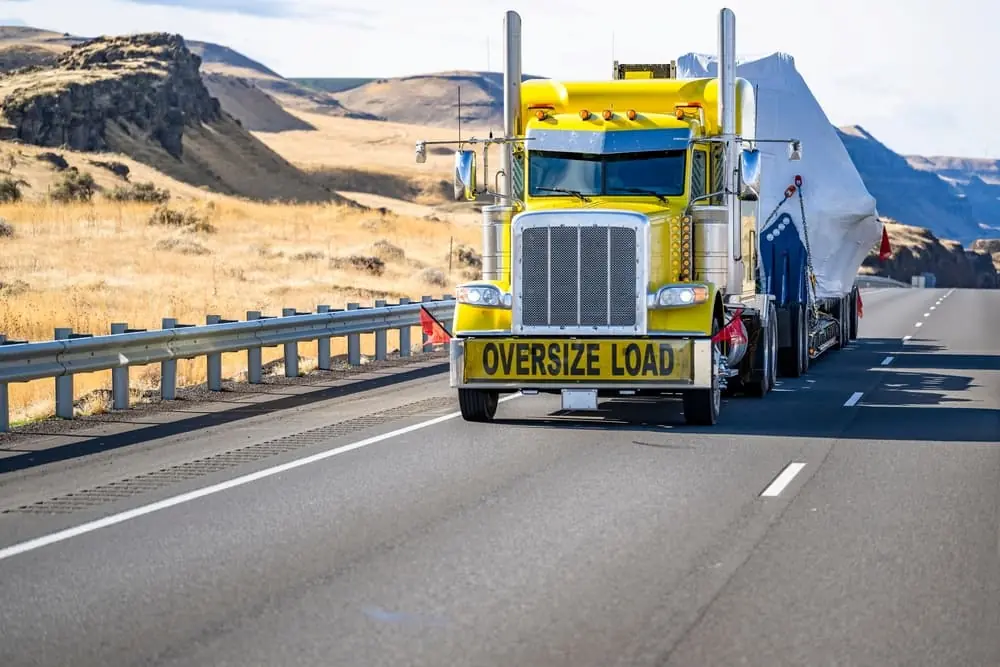
The Heavy‑Haul Equipment Shortage
The lack of infrastructure isn’t the only thing slowing the implementation of clean energy; there is also a shortage of vehicles capable of transporting it. This is due to reshoring, which has surged amid heavy industrial and infrastructure manufacturing that requires oversized equipment that can overwhelm smaller fleets and current heavy-haul vehicles.
Beyond the lack of vehicles, when fleet owners try to upgrade or maintain their vehicles, they often struggle to find parts, leading to fleet cannibalization: parking one damaged truck and using its parts for other vehicles in the fleet.
As parts get harder to find, so do individuals who can repair heavy vehicles. The industry as a whole struggles to fill these roles due to a talent shortage, and heavy-haul vehicle maintenance requires advanced diagnostic skills that are lacking in the very shallow pool of trade school graduates.
With limited vehicles, drivers, and maintenance personnel available, this creates compounding failures due to skyrocketing operational costs and overly extended lifecycles, keeping fleets well past their traditional 500,000-mile trade-in windows, as specialized chassis have a limited lead time.
Regulations and Risks
Even in a perfect world where heavy haulers are plentiful and all have a driver with maintenance skills, there are still significant administrative bottlenecks. Regulations vary from state to state, and there are currently no national regulations. This lack of cohesion makes it increasingly difficult to travel with clean energy components. When it comes to moving, fleets are often delayed by multistate OS/OD permitting, fragmented carrier jurisdiction, and varying escort mandates.
Hazmat items such as batteries and hydrogen require strict adherence to DOT (Department of Transportation) regulations. These regulations heavily restrict and slow the movement of energy items such as batteries and energy storage systems. Clean energy items are typically manufactured abroad and imported into the country. Sourcing foreign materials requires rigorous supply chain traceability.
Compliance with measures such as the Uyghur Forced Labor Prevention Act (UFLPA) means that solar and energy storage components frequently undergo extensive document reviews and delays at ports handled by U.S. Customs and Border Protection (CBP). As regulations vary across borders, it becomes difficult to transport, since every mile must be traceable and every component properly classified.
Clean energy is a risky transport, as many shipments involve high value and low tolerance for damage. Specialized handling is required to ensure they arrive safely, as items such as solar inverters and microchips are extremely fragile. This means that normal freight damage, such as vibration, shock, and moisture, can cause severe damage.

The Domino Effect
As industries collide to deliver major projects, clean energy and logistics go hand in hand to complete them. When logistics fail, the ripple effect goes beyond a delayed delivery, triggering a costly domino effect. When this occurs, the project becomes volatile, especially regarding financial viability, as major energy projects require upfront capital. This is due to developers needing to operate on predictable timelines.
When multi-ton components are held by missing permits, down vehicles, or customs delays, the timeline and financial timeline are the first out the door. You may wonder what causes these operational gridlocks. It can be broken down into three main reasons:
Demurrage and Storage Penalties: Large, specialized components stuck at ports or rail yards can incur daily storage fees that add up quickly. For oversized cargo, these costs can escalate to tens of thousands of dollars per week, significantly impacting project budgets.
The Challenge of Cold Iron: In the construction industry, waiting for components to arrive often leaves on-site crews and heavy-duty cranes idle, a situation known as “cold iron.” This can be costly, eroding profit margins in just a few days.
Grid Interconnection Expiration: Securing a connection to the regional power grid is crucial for renewable energy projects, as developers vie for limited slots. Delays in logistics that push a project past its interconnection deadline can lead to loss of that spot, which means starting over in a lengthy waiting process. By recognizing these challenges, those leading clean energy projects can navigate logistics complexities more effectively and ensure smoother project execution.
As the gap between advancements in clean energy and logistics continues to widen, these risks combine to create a cycle of advancing clean-energy technologies to improve our infrastructure while simultaneously jamming up our established, rudimentary infrastructure. Without coordinated efforts to modernize logistics, specifically heavy haul, the green movement will not be stopped by a lack of technology but by our ability to move it.
Conclusion
Clean energy is advancing rapidly, but its success depends on our ability to transport the large, delicate, and heavily regulated components that enable it. Currently, the logistics network is not designed to handle items such as wind turbine blades, which are longer than many buildings, or batteries classified as hazardous materials.
A lack of technology does not hinder the clean energy sector; rather, it is challenged by the difficulties of moving that technology through an outdated and overstretched logistics system. Until we modernize our infrastructure, invest in heavy-haul capabilities, and align regulations with the pace of clean energy manufacturing, the industry will continue to experience increasing risks and operational instability.
The journey toward a sustainable future does not end with innovation; it hinges on our ability to deliver that innovation effectively.