

Prior to the pandemic, many businesses operated on a bigger-is-better model! However, in terms of facility size, staffing, and operations, many businesses have begun transitioning to a lighter footprint now that they have weathered the pandemic.
This trimming of operational fat does not look the same for everyone; for some, it’s fewer staff, and for others, it’s fewer facilities. In logistics, we are seeing freight minimization as businesses adopt a less-is-more mindset! This isn’t a sudden decision but a strategic response to a volatile, swinging market, where shippers, brokers, and carriers are never sure when a surge will hit or how long it will last.
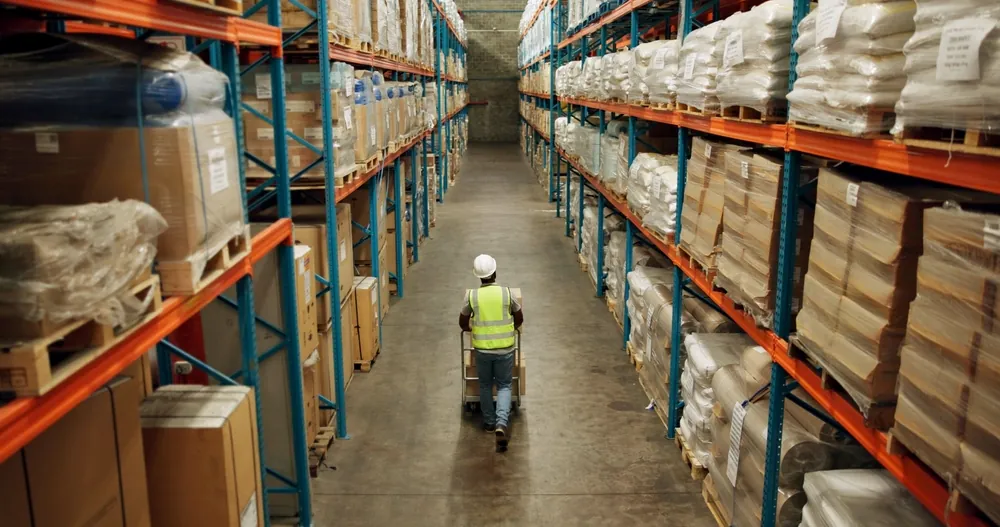
What Freight Minimalism Means Today
Freight minimalism is the intentional simplification of a company’s logistical footprint. It’s about removing unnecessary complications across operations, with the hope of creating a more stable and cost-efficient supply chain. It is often also called the ‘less is more’ method. Originally, the idea began in July of 2015 as a way to promote 3PLs, but in 2026, it shifted from a sales pitch to an operational approach.
While everyone handles their freight differently when minimization comes into play, it can be broken down into three primary aspects:
- – Delegating Expertise: Instead of micromanaging your own shipments, you leave contacting carriers, negotiating rates, and tracking loads to a broker.
- – Optimizing Focus: By minimizing freight operations, you enable a hand-off approach because when time is money, you can’t waste a single second.
- – Streamlined Operations: While minimizing how you handle your freight, by relying on another entity like a 3PL, you gain access to their established networks and specialized technology to secure the most efficient and cost-effective freight routes
It doesn’t end there. This transition isn’t just about passing your shipment issues to a partner; it’s also about shifting from reactive operations to intentional operations. Intentional operations means moving from last-minute, reactive decisions to controlled, data-driven strategies that keep your footprint small without limiting your growth potential.
Let’s ensure that we have a clear understanding of how this shift differs from previous self-reliant models and why operations have begun to adapt this model. Small- to mid-size operations may have had a Rolodex of 50 carriers, consistently fighting over the best rate, and drowning in shipment paperwork. Under freight minimization, the same busy company consolidates its volume with a designated 3PL that takes on all those pain points and relieves the pressure.
This does not mean businesses are doing less with less; it’s about doing more with better tools and the competency to leverage advanced technology, diverse carrier selections, and shipment tracking to grow your business. By doing so, you remove hours of manual labor from your day-to-day operations. This allows them to depend on experts whose sole priority is efficiency and getting your freight from point A to point B.
In an already volatile market, reactive operational decisions become expensive and unreliable. Intentional operations remove and reduce noise, minimize exceptions, and strengthen relationships with carriers who prefer freight that is consistent, clean, and easy to plan.
The core of freight minimization is that it replaces complexity with clarity, taking freight from a consistent fire drill to a controlled operation.
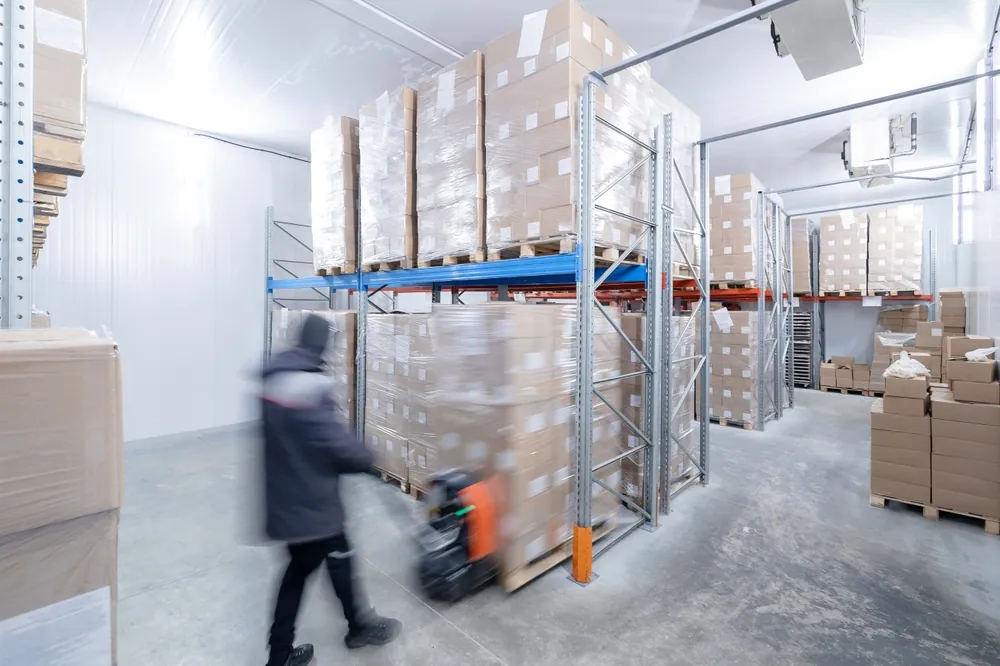
Simplify your freight.
Simplifying freight is the name of the game and the core element to freight minimization because it removes the extra variables that slow down and complicate shipment planning. This simplified freight management profile means creating shipments that are predictable, consistent, and easy to transfer to carriers and clients throughout the shipping lifecycle.
Shippers may simplify freight by:
- – Standardizing Packaging and Pallet Configurations: Consistent dimensions and weights reduce complexity for freight forwarders.
- – Reduce Variability: With fewer odd shapes and sizes, the need for special handling decreases, and exceptions are significantly reduced.
- – Eliminating Unnecessary Accessorials: Better packaging, clearer labeling, and consistent prep reduce the need for liftgate, reclassification, and detention.
- – Creating predictable freight characteristics: When carriers know exactly what they are picking up, service improves and costs stabilize.
- – Aligning freight with carrier preferences: Cleaner freight is easier to load, easier to route, and more attractive to high‑performing carriers.
This level of simplification is made possible by modern logistics technology. Freight minimalism isn’t about flying blind, but it’s about letting technology do the heavy lifting. By leveraging automated Transportation Management Systems (TMS) and real-time visibility platforms, shippers can automate carrier selection and routing. This removes human error and hours of manual email chains from the equation, replacing labor-intensive tasks with clean data.
Simplifying freight reduces issues such as exceptions and improves your sense of reliability. In an already volatile market, clean and ready freight goes beyond strengthening carrier relations. It provides a competitive advantage by enabling faster movement at lower cost and with fewer operational disruptions.
The Shift Toward “Less Freight, Better Freight”
You can not control the market or when surges hit, but you can control your operations. Volatility exposes weak points in oversized networks, such as unpredictable demand swings and broken forecasting models, and makes large, complex networks too risky to maintain over the long term. Combined with rising costs from fuel, labor, and maintenance, this is pushing shippers to reduce lanes and touchpoints for heavy operations.
When your shipping process becomes another section of your business, complexity becomes a liability rather than an advantage. Trying to dedicate a section of your operations to verifying carriers, negotiating rates, or picking lanes, every addition becomes another failure point in an unstable market.
In many cases, less is more. Companies are leaving complex business models for cleaner, more intentional workflows. Carriers operate in an environment where time, space, and consistency are directly tied to profitability. In a volatile market, being predictable is valuable. Predictable freight is clean, consistent, and easy to plan for.
There is also a natural overlap between this operational efficiency and corporate sustainability. By optimizing packaging, maximizing pallet space, and eliminating empty miles through streamlined routing, freight minimalism inherently reduces carbon emissions. It proves that sustainability doesn’t have to be expensive or complex but has become a natural byproduct of a cleaner, smaller supply chain footprint.
Minimalism strategy entails designing smaller, smarter networks. Intentionally reducing those touchpoints that create a tighter, more controllable freight flow. This also involves prioritizing consistency over volumes, instead of going for ‘any’ load, focus on what is predictable, high-value, and moves cleanly.
Going from handling everything yourself to centralizing processes can take some time to get used to. Freight minimalism is more than an operational tactic; it is a strategic mindset that reshapes how companies make decisions about freight and growth.

Freight Minimalism Strengthens Operational Stability.
When you boil business down to just business, you realize that your operational stability depends not only on what comes in but also on how your business gets out. Freight minimization helps trim the extra weight that strains your operations over time, so your team spends more time getting your shipments out rather than building business.
By streamlining operations, you gain stability through smaller, smarter networks. To do so, it requires businesses to reduce exposure to volatile lanes, unpredictable partners, and fragile touchpoints; combine this with clean, predictable freight that moves faster with fewer exceptions; and improve your relationship with carriers. Carriers operate on capacity, time, and ease, and will prioritize shippers who provide consistent, minimal-touch freight.
When your teams spend less time reacting to surges and more time planning, there are fewer surprises, fewer unplanned accessorials, and fewer last-minute freight charges; together, these stabilize shipment speed and give you more control over an uncontrollable market.
Stability unlocks a new level for your business. When you have fewer variables and cleaner freight flows, demand planning becomes clearer and more reliable, allowing you to gain greater control over forecasting. With greater predictability, you can make your freight more consistent, leading to more consistent transit times, fewer delays, and stronger customer satisfaction.
Teams that spend less time worrying about which carrier to use, how to lower the rate, and how to package are able to put that energy into optimizing, analyzing, and improving. This is also a cost-saving measure as less rework, fewer exceptions, and fewer manual interventions lower the cost of running your freight. Minimalism creates a buffer for a tighter, cleaner network that bends with us when the market breaks.