

Freight Shipping in the Spring: What to Expect
The ice has melted, and the blooms have shown – that’s right, it’s spring! The birds are chirping, the breeze is blowing, and trucks are moving with new momentum! Spring doesn’t just join us with warm weather; it joins us with an unofficial kick-off to peak season! If peak season is the playoffs, spring is the practice field where everything starts to ramp up.
As winter passes by, the weather-restricted pace that comes with it melts with the snow, and the logistics industry takes this time to rebound. Businesses restock, construction projects restart, and seasonal industries get ready for the season. This creates a dynamic, fast‑moving freight environment that rewards early planning, strong partnerships, and operational agility.
Freight shipping in the spring is the perfect time to ramp up your operations and make the most out of the new year. But why now, and how can shippers take advantage of the season?
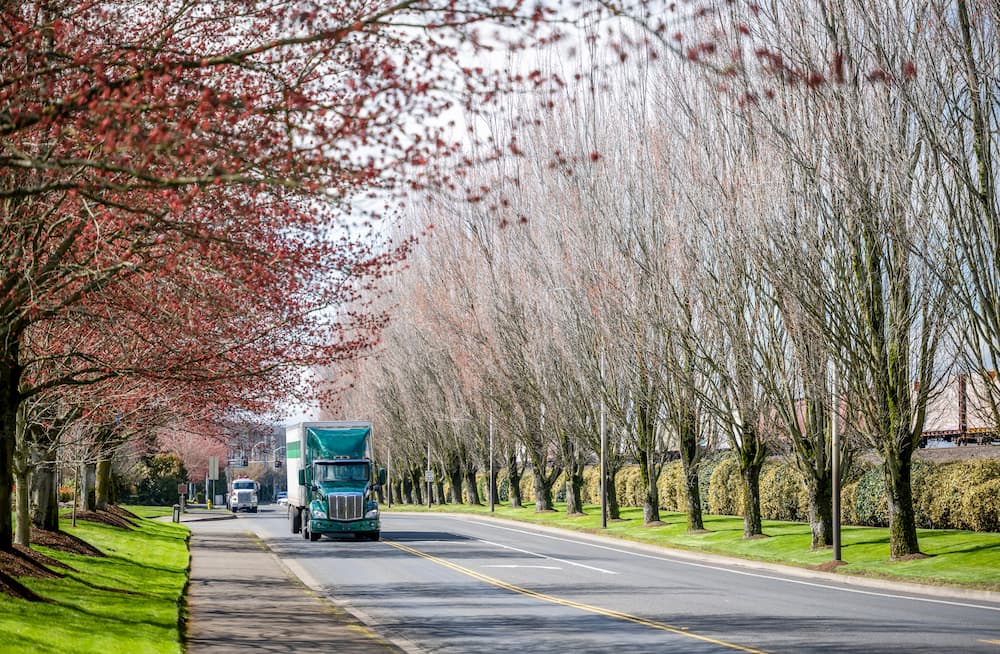
Seasonal Trends = Market Shifts!
During winter, the logistics industry faces a lull due to reduced activity, but the limitations imposed by snow and sleet require a slower, more weather-restricted pace. However, when spring emerges and the snow melts, the industry faces a rebound, a noticeable shift that signals spring is here!
Logistics views this time after winter like a factory reset. As the weather warms up, a renewed demand spikes as businesses restock, projects restart, and seasonal industries ramp up!
Industries that surge in spring include:
– Agricultural restock (seeds, equipment, etc.)
– Landscaping and outdoor decor
– Construction materials and equipment
– Recreations and tourism products
– Retail resets and seasonal inventories
While spring serves as the rebound for winter, spring weather itself is unpredictable, and that unpredictability directly influences transit times.
During spring, we see more rain, which causes flood-related detours. In early spring, as snow melts, temperatures will rise and fall, causing ‘freeze-thaw’ cycles that weaken roads and slow travel. While seasonal delays are expected when weather patterns change, appointment windows can tighten as facilities adjust to new conditions.
Additionally, these are regional variabilities; spring appears differently across the country. While northern states face more thaw restrictions and seasonal weight limits than coastal regions, coastal regions face tourism‑driven congestion and higher inbound freight.

How to Change Your Operations for Springtime
From rising demand to shifting schedules, unpredictability isn’t just about the weather! A strong operational strategy helps shippers stay ahead of the seasonal headache and keep freight moving smoothly!
You may ask yourself, “What are the key steps to keeping ahead of the spring surge?” You’re in luck! In logistics, we can narrow it down to four key steps to take as spring demand increases and capacity tightens quickly.
Key steps that shippers should take to prepare for the spring surge include the following:
– Book shipments earlier to secure capacity!
– Adjust lead times and schedule a buffer to account for possible slowdowns.
– Optimize shipping routes to reduce handling chaos and bypass predictable delays.
– Set clear expectations with both your internal teams and customers.
Early planning helps reduce last-minute stress and avoid preventable delays. While proactive planning doesn’t just end at booking, it requires commitment and follow-through with each shipment.
In spring, when things begin to ramp up, it is ideal to reset your supply chain processes. With a few strategic updates, logistics networks can now eliminate pinch points before the summer peak hits! Focus on cleaning up areas that may be lacking and reassessing workflows. A refreshed flow of operations creates a smoother transition when volumes spike.
This could also be verifying that your carrier base will allow you access to scalable capacity and expert networks when your primary lanes are full. In other cases, it could be internal workflows that need updates. Whether optimizing your internal resources or reassessing your external relations, it’s important to take this time to do a little bit of spring cleaning in your operations.
We mentioned having clear expectations, which starts with clear communication. We are more connected now in 2026 than we ever have been. With spring being the start of the peak and the weather unpredictable, communication is more important than ever. Clear, proactive updates help everyone stay aligned when conditions shift.
Communication priorities may vary by location or regional need, but ensuring areas are up to date is key to timely sharing updates to prevent surprises. Confirming appointments and special requirements ahead of time. Remember – it’s all fun and games until you forget you need a lift gate at pickup and arrive without one.

What to Expect this Spring
We know why the surge happens, better weather, restocking, new projects, but what now? Welcoming spring in the logistics industry doesn’t need to be frustrating. While the new season may bring unexpected surprises, it also brings opportunity! As demand rises and weather patterns fluctuate, the freight landscape becomes busier. Here is what shippers should expect as spring ramps up.
Transit Time Variability
Add in transit time variability! With an unhealthy mix of bad weather, congestion, and seasonal volume surges. Even when conditions look clear, small delays can stack up quickly. This means that shippers need to be proactive in planning, as discussed before!
Build in buffers for picks and deliveries. Doing so will help account for unexpected delays, such as rerouting due to flooding, road damage, or construction delays (once snow melts, projects are back on track). In cooler climates, while flooding may not be as frequent, you will still need to prepare for slower-moving traffic and delays in regions experiencing thaw cycles. Keeping flexibility in mind helps keep schedules and expectations realistic.
Appointment Limitations
Appointment scheduling will be a bit more challenging, as facilities across multiple industries tighten their appointment windows in the spring. While logistics is definitely leading the peak, it’s not the only industry facing surges after spring. High inbound volume, weather-related slowdowns, and seasonal staffing changes all contribute to tighter schedules.
During these tight window periods, you should expect appointments to have limited availability along with stricter check-in and cutoff times, combined with longer wait times at high-volume docks. As you can see, the delays stack up, leading to major delays and setbacks across many industries that rely on logistics.
Specialized Equipment Limitations
Spring brings a surge in freight that requires specific items and specialized equipment. As seasonal industries peak, certain equipment becomes harder to secure. These demands impose significant limitations on deliveries, as specialized equipment for shipments is required.
For example, those limitations directly affect the availability of liftgates for retail resets and residential deliveries; for larger equipment and materials, we will see limits on flatbeds, step decks, and RGNs for both construction and agricultural industries. Securing equipment early ensures you are not competing for limited capacity and limited equipment.
While we expect delays, spring conditions create situations in which certain accessorial charges become more common; these charges often catch shippers off guard if they aren’t prepared. This could include liftgate fees, limited-access fees, or redelivery charges when appointments shift unexpectedly.
Ensuring that shippers and carriers alike are aware of these changes and ensuring that everyone involved is aware of these seasonal trends helps shippers’ budget more accurately and avoid surprises.

The Produce Push
While already touched base on, there is a specific phenomenon that occurs during spring known as Produce Season! The produce season marks the start of spring, but in logistics, it has another name: the “hidden” capacity killer.
When produce enters the market, it shifts the network as fruits and vegetables are harvested in warmer regions. This shift requires time-sensitive transportation to cooler areas that lack easy access to the in-season produce.
This push places limits on refrigerated truck (reefer) capacity, and many dry van shippers will begin to feel the strain as it becomes harder to secure space as reefers pivot to produce loads. When it’s time for produce to move, reefer carriers will prioritize high-paying, time-sensitive grocery freight. If your load requires temperature control or is a high-priority shipment this spring season, expect to compete with the grocery supply chain for limited equipment and drivers.
With limited reefers, this will impact cost as reefer rates surge, and dry vans rates will rise as well in produce-heavy regions. This puts pressure on non-produce shippers who are now facing delays as they are being deprioritized. It’s not personal, it’s economics!
What makes the produce season challenging is that it doesn’t hit everywhere at once; it rolls across the country like a wave. While states like Florida and Texas kick off early with berries, citrus, and onions, the Midwest ends the season with corn and other seasonal crops. This creates rolling capacity shortages that shift nearly weekly!

Spring into Sustainability!
Sustainability isn’t just about turning the world green; it’s about the industry’s push toward a healthier industry. In 2026, the spring reset is the peak time for shippers to consider auditing their carbon footprint.
When we say audit your carbon footprint, this doesn’t mean a literal food print, but of how much greenhouse gas emissions you are releasing into the atmosphere. Although you cannot see this process, the long-term effects are exactly why these efforts are being pushed forward in 2026.
This is also the perfect time to manage your packaging. Often, spring retail resets include new product lines or refreshed packaging to make products appear new. This is the ideal moment to switch to compostable or recyclable materials or reduce packaging weight. With less packaging, more can fit on a pallet and be loaded into a truck, which in turn means fewer trucks on the road and lower transportation emissions.
While the weather stabilizes, we see a peak in mechanical asset efficiency as vehicles and operational batteries no longer have to contend with extreme cold. Spring temperatures are the sweet spot for electric freight assets. This is ideal for transitioning the fleet to green modes of transportation, such as EVs or renewable diesel.
This is also where you can use some of the unpredictable weather. Flood‑prone zones, thaw‑damaged roads, and storm corridors become predictable by late spring. Using data from these damage pathways, shippers can avoid idling, congestion, and detours and reduce wasted fuel.
These small changes allow carriers to improve on-time performance and reduce emissions tied to inefficient routing, which leads to longer drive times, longer idle time, and delayed shipments. Keep in mind that smart routing can help you achieve your green shipping goals!

Conclusion
We will take everything that comes with spring: the sunshine, fresh air, and new beginnings. In freight, it springs forward with momentum. While the ice melts and industries thaw for peak season, the logistics world shifts!
The shift brings renewed demand, a tighter schedule, and a healthy helping of unpredictable weather, which together shape how freight moves and how shippers should respond. From rising volume to equipment shortages, from produce seasons rolling capacity crunch to operational challenges of thaw cycles and flooding – spring demands preparation!
At the same time, spring opens the door to incorporating meaningful sustainability initiatives. While warmer weather improves equipment efficiency, retail resets create opportunities to reduce packaging waste, and smarter routing helps cut emissions while also improving on-time performance.
Freight shipping in the spring will always bring surprises, but it also brings opportunity. With proactive planning, strong partnerships, and a willingness to adapt, shippers can turn seasonal frustrations into a strategic advantage and keep moving with confidence!