Back in the day, during the summer, if you weren’t on your bike 3 blocks away, you were at your local mall, eating corndogs and annoying everyone over the age of 60. The mall was the go-to place for new electronics, toys, clothing, and home goods. Today, going to a mall is a thing of the past. If you want new shoes or a new table, like many, you may look to the internet. Why leave the safety and comfort of your home when you can have it delivered to your home? Busy day at work and can’t make it to the store before your shift ends?
This is where suburban retail goes from a popular spot to get trending items to ghost towns of flash trends and overstock. While many of these buildings remain empty and the cobwebs fill the corners, others are being repurposed into micro-fulfillment centers, taking ghost shops to zombie facilities: risen with new purpose. Where same-day shipping enters the picture, and in-person shopping becomes a past trend of its own.
In the Ghost of Retail Past
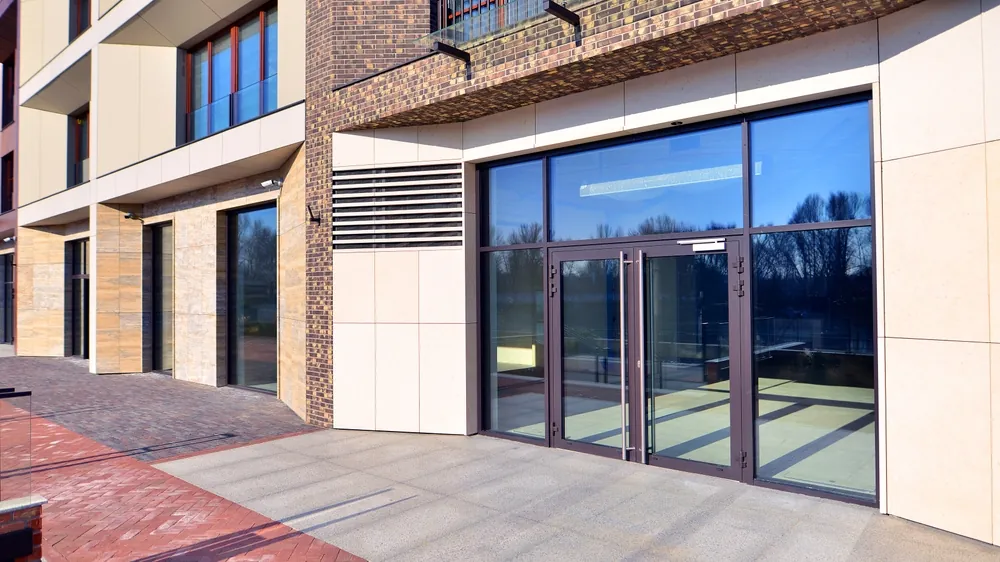
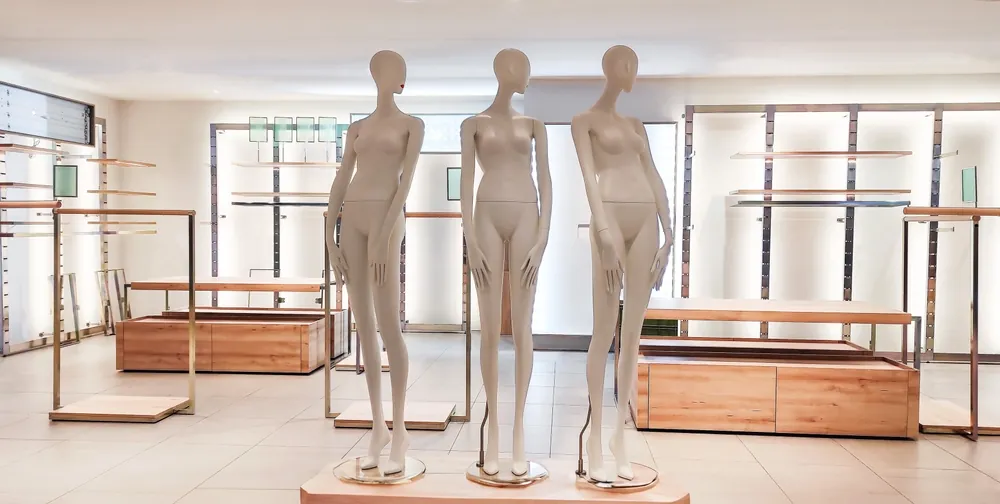
It’s unfortunate, but businesses are closing their doors every day, leaving empty shop spaces lining roads and pathways all across America. This isn’t necessarily a bad thing, as not all of these businesses are ceasing operations but are transitioning to an online model, and many home-based businesses that rely on ecommerce are becoming more popular.
Huge chain box stores have closed in recent years due to pandemic hardships and the volatile economic climate. This has forced many businesses to consider cheaper, less resource-intensive business models such as ghost warehouses. A ghost warehouse, or micro-fulfillment center, is an abandoned retail space or mall that has been repurposed into a hyper-local logistics hub to stage inventory for fast, same-day final-mile delivery.
This is why there has been a rise in pop-up markets, streamer sales, and third-party seller sites. With online shopping taking us out of the stores and into the comfort of our homes, there must be a way for individuals to receive their items. This is where the dependence on distribution and shipping comes in handy.
Many people purchase online to receive items that may not be available in their local area, are out of season in their area, or for convenience. Convenience is the main focus, as having to wait several weeks for your order to arrive when you could’ve gone to the store the same day is not convenient. Same-day shipping is! What started as a premium feature with an extra fee, same-day shipping has quickly become automatic and nearly expected for a low or no fee.
When things must get from the distribution center to your door in hours, not days, it creates supply chain stress as operations teams try to get the slippers you ordered at 3 am from California to North Carolina, with one night to cover days of travel.
Well, we now have two problems and an obvious solution: empty retail spaces that already come equipped with heavy electrical capacity, climate control, wide‑open floor plans, and reinforced concrete flooring. Plus, shipments that need to be transferred quickly and efficiently.
Distribution centers are focusing on utilizing these spaces as localized nodes to keep up with same-day expectations. This solves the problem of empty buildings and allows them to scale quickly, which new foundation buildings can not offer upfront.
These centers are ideal, as many retail stores sit in built-up areas near highways, dense suburbs, and commuter routes, ideal for final‑mile routing. This also impacts home‑based sellers, third‑party marketplaces, and pop‑up brands that rely heavily on small, flexible fulfillment spaces rather than mega‑warehouses.

Resurrection Retail Real Estate
Malls and large retail plazas are fading into history as consumer habits shift online. These empty buildings are just shells of former businesses but now strategically positioned logistics assets!
These same buildings that were once clothing stores, arcades, and food courts sit directly inside the delivery radius that e-commerce depends on. These malls and big box stores were planned and built intentionally closer to where people live, high-traffic, highly populated areas. The exact locations where same-day delivery inventory should be staged.
Retail spaces are already built with inventory in mind, offering dock/loading areas and infrastructure ready to go, from heavy electrical capacity and HVAC systems to reinforced flooring, and wide‑open layouts ready to go. Operators don’t need to build from scratch, only retrofit.
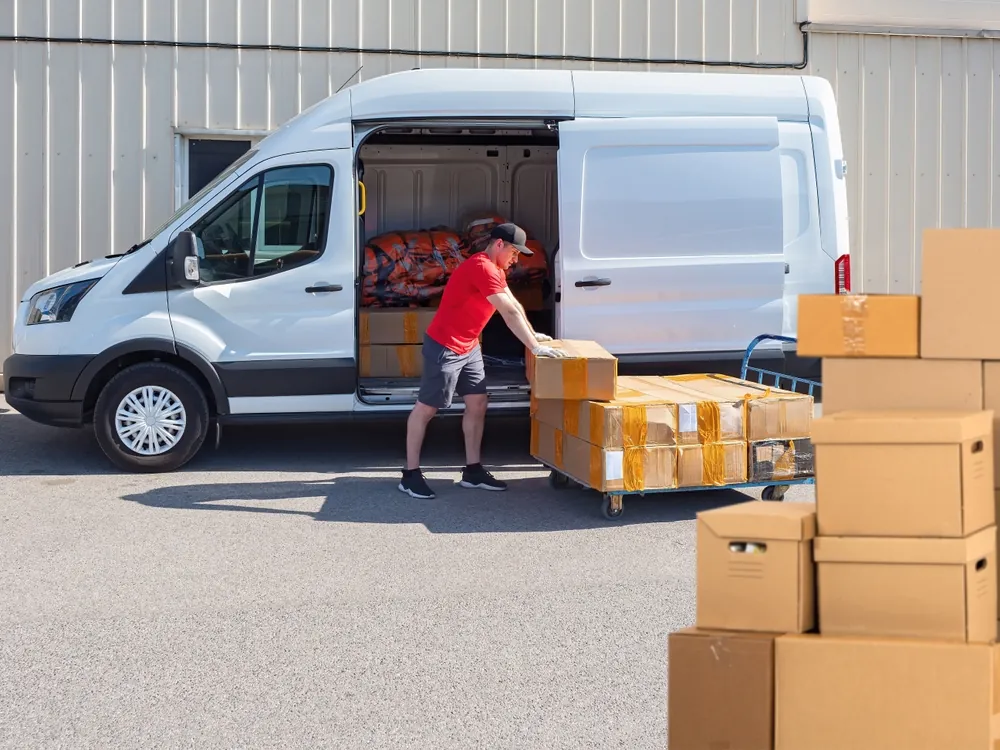
The interior isn’t the only additional pro to these mini-distribution hubs; the exterior is, too. Retail parking lots are planned not only for customer parking but also for retail delivery. The now-reallocated parking lots, serving as staging areas for gig drivers, vans, and small fleets, can batch, queue, and dispatch without the congestion of industrial parks.
More importantly, these centers take pressure off major hubs, instead of forcing orders to be sent through one major hub requiring additional labor, process, and trucks. By moving from mega-warehouses, these micro‑fulfillment centers absorb fast‑moving SKUs closest to demand, reducing the pressure placed on long‑haul networks.

Haunted by Hurdles
Great solutions aren’t without their own problems. When retail spaces are transitioned to logistics hubs, there is a bit that must be done first. In a perfect world, you can open the doors and start staging; however, that’s not the case.
Zoning must be taken into consideration. Retail spaces are zoned for shopping, not freight. This triggers commercial‑vs‑industrial disputes, permit delays, and city council pushback, as you cannot just open the repurposed building and begin staging. This pushback is due to the loss of retail tax, which creates a loss of revenue to the city. This often will affect the council’s ability to approve warehouse-style operations, as they come with longer hours, louder operations, and more traffic. Operators must also consider local residents, who expect quiet shopping plazas rather than 24/7 logistics traffic
From residents to the environment, while not discussed often, the transition from retail space to logistics involves a change in that location’s ecological footprint. With additional vehicles staged and circulating throughout the center, traffic flow, noise, emissions, and waste‑handling assessments can delay or restrict micro‑fulfillment retrofits.
In some cases, facilities may be fitted as both a micro-distribution center AND a retail space. Hybrid permits take longer to get approval. Hybrid permits require not only city-council collaboration but strict compliance with rules and regulations set before them by the city.
The reality of this transition isn’t just a focus on those around and how the city will react, but the ability to change the facilities to handle operations. Physical infrastructure limits begin to show. Parking lots were designed around cars and hatchbacks, not for semi trucks and 26ft trailers. Navigating a parking lot can be challenging for larger vehicles due to medians, parking curbs, and decorative islands.
There is more to consider as well, such as the longevity of the asphalt. Pavement will quickly crack and crumble under the increased stress of not only larger trucks but frequent use. These often lead to disputes between landlords and business owners or become a hazard to facility owners who prolong corrections.
While many stores have loading areas, not every store has a dock, ramp, or freight doors. This forces carriers and laborers to rely on liftgates and other lifting tools to unload, often in improvised zones, which can slow down operations. Not every building is ready to go; some may have ‘legacy’ infrastructure such as partitions and dressing rooms that will need to be demolished.
It’s Alive! The Micro-Hub
When ghost warehouses come to life, we no longer have struggling major hubs but an expanded network that makes same-day deliveries possible without delay! For it all to come together, it takes both patience and initiative, as the full picture becomes clear. This shift isn’t just about repurposing old buildings but rebuilding how local logistics function.
These micro-distribution centers only succeed when zoning approvals, structural retrofits, and operational redesign all align. These shells of old facilities are redesigned to support automation, inbound freight, and staging, while cities must rebalance the adjustment in taxes, resident expectations, and the environmental impact.
Ghost warehouses are effective because they’re located right where the demand is. These minor distribution centers relieve pressure and take forgotten buildings, turning retail spaces into supply chain powerhouses.
With zoning rules, infrastructure updates, and final-mile deliveries to coordinate, everything needs to work together smoothly; when it does, these empty storefronts become key hubs that keep same-day delivery running without a hitch!
The Lasting Legacy of Zombie Retail
Ghost warehouses prove that nothing in logistics ever really dies; it just gets repurposed. The malls we spent summers wandering, the big‑box stores that once held every trend imaginable, the plazas that shaped suburban life are now the backbone of same‑day delivery.
These forgotten spaces sit exactly where demand lives, making them prime candidates for micro‑fulfillment. But bringing them back to life isn’t as simple as unlocking the doors. It takes zoning approvals, infrastructure fixes, environmental reviews, and a whole lot of patience to turn a ghost into a functioning facility.
Still, when everything finally clicks, when the docks are added, the staging lanes mapped, and carriers flow in and out without a hitch, these revived buildings become powerful, hyper‑local engines that keep modern commerce moving. In the end, resurrected retail isn’t just convenient; it’s the future of fast, flexible, final‑mile delivery.