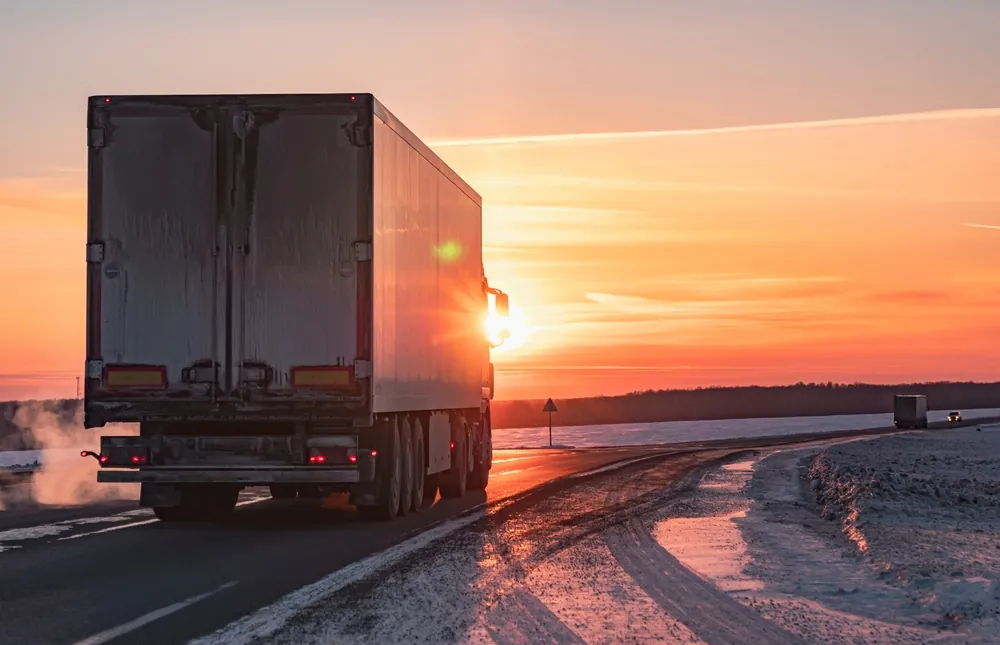

The weather is a major part of our lives, and it changes depending on where we live. From cloudy drizzles in Seattle, Washington, all the way to hot and sunny Miami, Florida. Most of the time, truck drivers can easily navigate these differing conditions, but sometimes the weather can become so intense that it’s hazardous. These extreme weather events add up and, over time, cost companies a lot of time and money.
In a 2012 study by the Federal Highway Administration (FHWA), weather-related delays were estimated to cost the freight industry around $8 billion annually. That’s quite a chunk of change, and that’s only a part of the costs freight has to deal with on a daily basis. From high winds and rain to heavy snow and ice, these conditions cause vastly different consequences that keep truck drivers on their toes.
Strong Winds
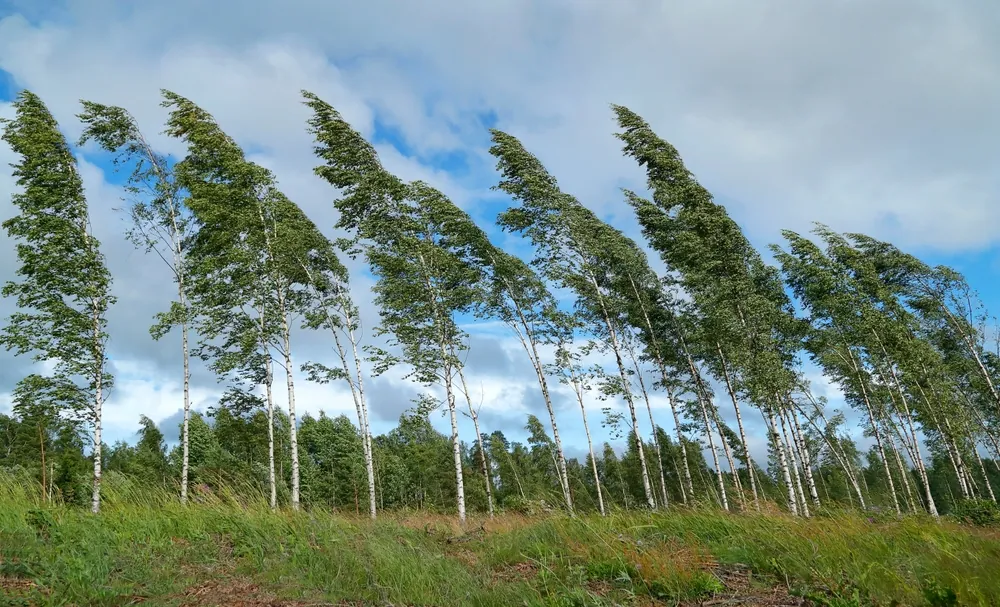
When we think of severe weather, most people typically think of downpours, thunderstorms, or whiteouts. A windy day may just feel normal and easy to navigate. Not so for freight logistics. When a driver is on the road, even a cool, cloudless, sunny day can be a hazard if there’s too much wind. When on the road, a truck must consider its weight and what it’s carrying. Because freight trucks have a larger surface area, they are more prone to being pushed by the wind.
If a truck’s weight is heavier than the wind can push, then it will be fine. But for empty trucks or lighter loads, the force created by the wind can be strong enough to push and tip the vehicle over, causing a rollout or car accident. Even if the vehicle is heavy enough not to tip over, the wind can still cause the truck to sway, making it easier for cargo inside to be damaged. This is especially troubling for fragile or higher-value goods. For this reason, trucks will be given strict orders on where they can drive when they have an empty trailer.
This also makes other forms of freight, like ocean freight and air freight, more difficult. For ocean freight, it can hinder progress in loading and unloading ship containers, with cranes being harder or even impossible to operate. For air freight, it can keep a plane grounded if the wind direction is not parallel to the runway or if tail winds are too strong. While it may not be the most visible weather issue, it is certainly an invisible threat that can totally derail operations.
Rain and Fog
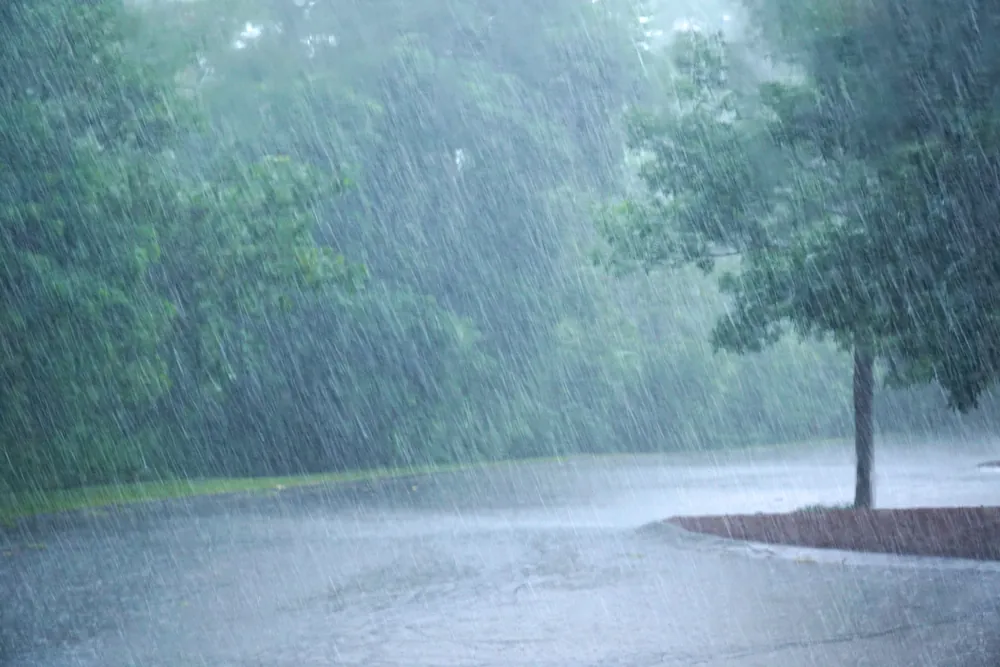
By far, the most common weather events are rain and fog. It can really be tricky to get from one place to another during a rainstorm. Roads are more slippery, places can flood, and visibility is reduced. This all comes together to delay a truck’s delivery, especially when a storm is large enough. While some places are drier, like the southwestern U.S., other areas can get tons of rainfall, like the Southeast and the Gulf Coast.
This can sometimes cause routing issues, so drivers try to avoid harsher weather as much as possible. In fact, weather is such a hazardous issue that approximately 12% of vehicle crashes are due to adverse weather, with 77% of weather-related crashes occurring in rain or mist. However, with the majority of the U.S. population living on the east side of the continental U.S., trucks will inevitably face rainfall and its consequences.
For example, rainfall will make the road more slippery and less safe to drive. This affects all vehicles, but trucks are more affected because they are larger and heavier. While regular cars use squishier, synthetic materials for their tires, freight trucks require sturdier natural-rubber tires to withstand overheating and the weight they haul. Thus, the tradeoff means that while the tire is sturdier, it has less give to maintain traction on the road, making it more susceptible to hydroplaning, skidding, and jackknifing.
Visibility can also be drastically reduced even in light rain or no rain at all. With the road more obscured, trucks must slow down their driving speeds and stay hypervigilant to vehicles ahead of them. Trucks require more distance to stop than regular cars when both are traveling at the same speed, due to the truck’s size and weight.
However, the most dangerous hazard that rain brings is flooding. While some areas can withstand inches of rainfall, other places are more prone to flooding. This can come from a number of factors, like how close an area is to a river, or whether it has more paved surfaces than exposed ground. These flood-prone areas cause blockages in a truck’s route, and either, at best, make the route longer than it usually would be or, at worst, will cause a truck to have to backtrack if it encounters a flooded area, wasting time and fuel.

Snow and Ice
While rain and fog can happen at any time of the year, snow and ice are more of a regional problem, occurring more in the wintertime. While it may not be a common occurrence, it is still a serious matter. While gently drifting snow on a brisk day may spell fun and excitement for some, it brings stress and anxiety for shippers and especially drivers.
Snow is the most noticeable weather phenomenon associated with winter hazards. It’s practically an icon of the season; one can’t help but think of it when they think of winter. But snow brings similar issues that rain gives. Even a little bit of snowfall can wet the roads, making the terrain slick and slippery and bringing back traction issues.
But unlike rain, which is already in a liquid state and can more easily evaporate, snow needs time to melt and then evaporate. Even if conditions look clear, the roads can still be harder to traverse. This means more time slowing down and higher chances of stalling in traffic, and that’s just with lighter snowfall.
Heavier storms bring heavier precipitation, meaning more snow to deal with. Unlike rain that can more quickly drain into the ground, snow can stick around for much longer, even if it’s not freezing outside. This can create major roadblocks that require workers to clear snow from the roads, causing longer travel delays.
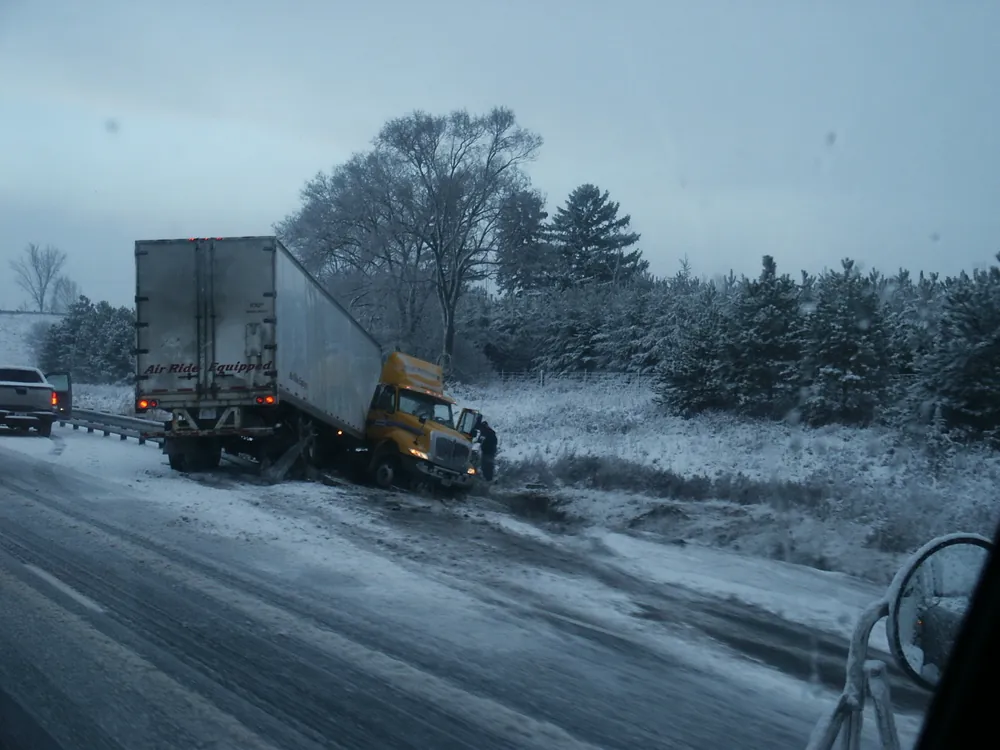
Heavier snow also lowers visibility, sometimes to the point of a whiteout, where it is incredibly unsafe to drive. While pouring rain greatly reduces visibility while driving, whiteouts obscure road marks and reduce depth perception, making it even harder to judge where you are and where you can go. However, while snow can be rough, it can at least be possible to get through, but with ice, it’s almost impossible.
Ice makes a shipment much harder to move. Some areas with warmer climates, like the southeast, where snow is possible, are at higher risk of having ice. With snow more likely to melt, it can cause ice to form on the road, making it slippery and dangerous for vehicles to drive on. Driving trucks can be particularly dangerous due to their larger size and heavier loads, which increase the risk of skidding, collisions, or jackknifing.
These conditions are what cause shipments to be rerouted or even stopped altogether during the winter season. This can be even trickier when trucks encounter black ice, a highly dangerous condition in which snow or moisture freezes clear on the pavement, looking completely transparent and almost invisible on the road.
This is why, ultimately, safety is key, no matter what kind of weather you encounter. Under the Federal Motor Carrier Safety Administration (FMCSA), drivers are allowed to cease operations when conditions are sufficiently dangerous. So when conditions are dangerous, it’s best for everyone to keep themselves and their cargo safe. No matter the climate, the goal is to get the shipment and everyone working on it safely across.
For dispatchers and route planners, this means keeping up with weather alerts, using technology to route around hazardous weather conditions, and checking in on drivers to ensure that they are okay. For drivers, this means driving prepared with an emergency kit, following weather alerts, keeping your truck clean and appropriately fueled, and knowing when to slow down or even stop. When everyone sticks to safety, it makes everyone, including cargo, all the better for it.
The weather can be a major headache. From delays and blockages to accidents, no one wants to deal with such chaotic consequences. But the good thing about it is that it eventually passes. Winds calm, ice melts, and water evaporates. Eventually, the climate and road become clear, allowing for smoother sailing.