

How to Protect Your Shipment in Unprecedented Times
As global tensions rise in the Middle East, a wave of uncertainty has washed across international markets. When conflicts erupt in or near major energy-producing regions, they are rarely confined to the political sphere and will often spread to global trade, transportation networks, and fuel markets.
Logistics isn’t immune to it; it feels its effects in real time. These conflicts often trigger market volatility as oil prices rise, increasing the cost of diesel, bunker fuel, and over-the-road transportation. Price spikes ripple throughout every link in the supply chain, from ships to the sky. The uncertainty surrounding global instability is leading many shippers to face route disruptions, insurance surcharges, and severe capacity imbalances, all of which are compounded by inflation.
Shippers cannot control global events; they can control how prepared they are for geopolitical decisions. Resilience is built through a strategy that diversifies transportation options, strengthens planning discipline, improves visibility, and builds flexibility into their logistics networks.
In a volatile environment, the right approach can mean the difference between absorbing cost shocks and staying protected from them. Therefore, let’s take a look at how to protect your shipment in unprecedented times so that shippers like you can be prepared for anything.

Understanding the Shockwaves
Global instability doesn’t just make headlines; it reshapes all of our daily operations! When conflict occurs near major trade corridors or energy-producing regions, its effects are quickly reflected in costs, routing, and market behavior.
While shipping networks are highly sensitive to uncertainty, conflicts in key regions send immediate shockwaves through global trade. These disruptions typically first appear in fuel markets, vessel routing, insurance costs, and overall market behavior. While the causes are global, the effects are felt directly by shippers through rising costs, unpredictable transit times, and tightening capacity.
Fuel Price Volatility: As the world sees gas prices rise and fall daily, conflicts in oil-producing regions can raise the cost of these fuels. In turn, the price rise doesn’t stop there; the spike ripples through other processes such as increasing freight rates across ocean, air, and trucking. This is felt by carriers who adjust for fuel surcharges and then pass them on to shippers to absorb. Drayage and long‑haul trucking become more expensive as diesel prices spike and ripple through the supply chain.
Route Disruptions and Security Risks: When frequently used channels are considered high-risk for transporting freight, carriers must reroute vessels to avoid them. Longer routes increase not only transit times and fuel consumption but also high operating expenses. Some carriers may even suspend service on affected lanes entirely. Increased security measures will follow instability and risk, leading to tighter security protocols and delays at ports and checkpoints.
Insurance and Risk Premiums: Just when you think things can’t get any more costly, during times of war, ‘war-risk’ surcharges can be added to shipments going to/through high-conflict zones. Freight insurance premiums will also rise, and some insurers may restrict coverage on specific lanes or require additional documentation. Like much of the cost of instability, it is passed to shippers to absorb in higher rates.
Market Uncertainty: Rates will become volatile as carriers adjust capacity and pricing in real time. Carriers no longer set rates day by day; they adjust them as the market changes. Capacity tightens when vessels are rerouted, repositioned, or delayed, leaving shippers with unpredictable lead times and fluctuating availability.
The Inflation Factor
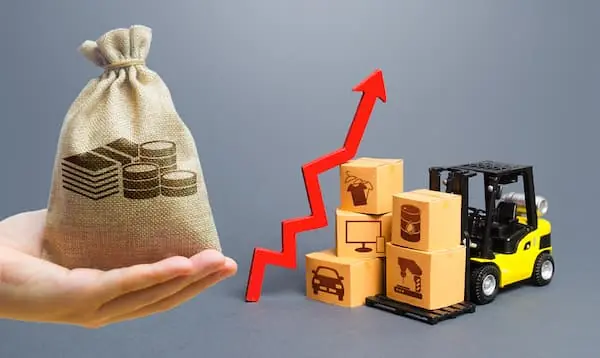
As mentioned before, shipments aren’t the only thing affected when war or global instability strikes; operations are affected as well. Warehousing, labor, and equipment expenses increase during these inflationary periods.
We also see that raw materials used for packaging and pallets have become more expensive. This isn’t just the beginning; while packing is a simple cost to notice, other aspects will be affected, such as inventory holding.
All shippers feel the financial burden of rising costs for raw materials, transportation, and labor. Smaller shippers feel the cost spike more due to their limited buying power. Most often, small suppliers are resource-limited and forced to absorb delays, surcharges, and unexpected fees. Volatile pricing makes budgeting and forecasting more difficult for SMB shippers.

How Shippers Can Protect Themselves
Preparation is the only thing between failure and success. These external forces are unpredictable; your operations do not have to be. With strategic planning, you can create a cost-protective plan by building flexibility, improving planning discipline, and strengthening partnerships across the supply chain.
Diversification
When things get tough, it’s better to have a team on your side. Relying on a single carrier can cause delays, cancellations, and even halt your production if they are unable to accommodate your shipment.
This isn’t limited to carriers alone; having options of different lanes and modes puts you ahead of the competition, building redundancy into your network to stay flexible during global disruptions. It also ensures that when one route becomes congested, high‑risk, or cost‑prohibitive, you can pivot quickly without sacrificing service levels or delivery timelines.
Lock in Rates
Get with your carriers, brokers, suppliers, and any entity you plan to transact with, and see if they offer contract rates. These help buffer against sudden spot-market volatility.
For example, warehouses sometimes use activity-based pricing, which breaks down their operations into defined costs and tasks. Many shippers are moving towards task-based transactions for greater transparency and customization tailored to specific needs.
When the market swings, multi-month or quarterly agreements stabilize budgets during cost spikes and reduce the risk of last-minute premium pricing.
Optimize Shipment Planning
In logistics, nothing can better prepare you than being proactive in your planning. Ship earlier to avoid expedited fees, consolidate loads to reduce per unit cost, and utilize forecasting tools/historical data to minimize risk that you can control.
Review your risk or insurance coverage. Once your shipment leaves your hands, risks such as damage, theft, or loss can occur, but proper planning is what determines the outcome.
Prior to shipping, ensure that your cargo insurance is up to date to reflect current geopolitical conditions. This includes evaluating freight routes to determine whether they are high-risk lanes and whether your policy covers those shipments, as many policies have limits and exclusions to avoid unexpected financial exposure.
Increase Visibility and Tracking
You can’t predict the future, but you can at least see what’s happening now! Utilizing real-time visibility helps avoid delays, detention, and reroutes.
When carriers and shippers rely on better tracking, it reduces missed appointments and added fees. Using automated systems for data transparency enables shippers to plan more accurately and control costs.
Work with a 3PL/Freight Partner
Get with a partner who can guide you when things get messy! A 3PL or freight partner can allow you access to multiple carriers, negotiated rates, and flexible capacity.
3PLs can quickly shift freight when markets and lanes become unstable, leveraging expert routing, mode selection, and risk management. Build yourself a team that has your back, reducing risk and cost exposure.

Implementing Long-Term Strategies
Short-term actions help stabilize budgets and operations during periods of variability but achieving long-term resilience requires structural improvements to your supply chain.
Proactively implementing strategies to strengthen your network and improve predictability will reduce exposure to future disruptions. Build your supply chain for resilience! Moving towards multiport strategies reduces dependence on a single gateway and improves routing flexibility when ports close, or the area becomes high-risk.
Other options, such as nearshoring or dual-sourcing, lower risk by spreading production across multiple locations. When war strikes or areas face tensions, having safety stock helps buffer against delays, market swings, or route closures, keeping your operations moving.
Invest in technology, we are the most advanced we have ever been. With the world in the palm of your hand, why can’t your operations be the same? With platforms such as TMS, which centralize planning, routing, and cost control, predictive analytics improve forecasting by anticipating disruptions.
Forecasting is useful in this volatile environment, as knowing what happens next is critical when the current trade climate changes hourly. This is assisted by other programs, such as automated rate shopping, which identifies the most cost-effective option in real time.
Whether you are building up your operations or implementing new strategies, take time to evaluate your relationships with suppliers and carriers. Strong partnerships can lead to more stable pricing during volatile periods. Having reliable relationships improves communication, service consistency, and access to capacity. Combining a solid relationship with collaborative planning, you can reduce surpluses and support long-term cost control.
The question “what should shippers expect in the near future?” is on everyone’s mind. Even with strong planning, shippers should prepare now for continued uncertainty as global conditions continue to evolve.
Conclusion
The global landscape may be unstable, but your supply chain doesn’t have to be. Every shipper is feeling the pressure of rising fuel costs, rerouted vessels, and inflation-driven expenses. The difference between absorbing those costs and staying protected comes down to preparation and learning how to protect your shipment in unprecedented times.
Diversify your network. Lock in what you can. Plan earlier than you think you need to. Strengthen your insurance coverage. Use visibility tools to stay ahead of delays. And build partnerships with carriers and 3PLs who can pivot when the market shifts.
Long-term resilience isn’t built in a crisis; it’s built before one. Multi-port strategies, nearshoring, predictive analytics, and strong supplier relationships give shippers the flexibility they need when global tensions escalate.
Instability will continue, but shippers who take control of their strategy now will be the ones who keep freight moving, costs contained, and operations steady in the months ahead.