

U.S. Tariffs Against Canada
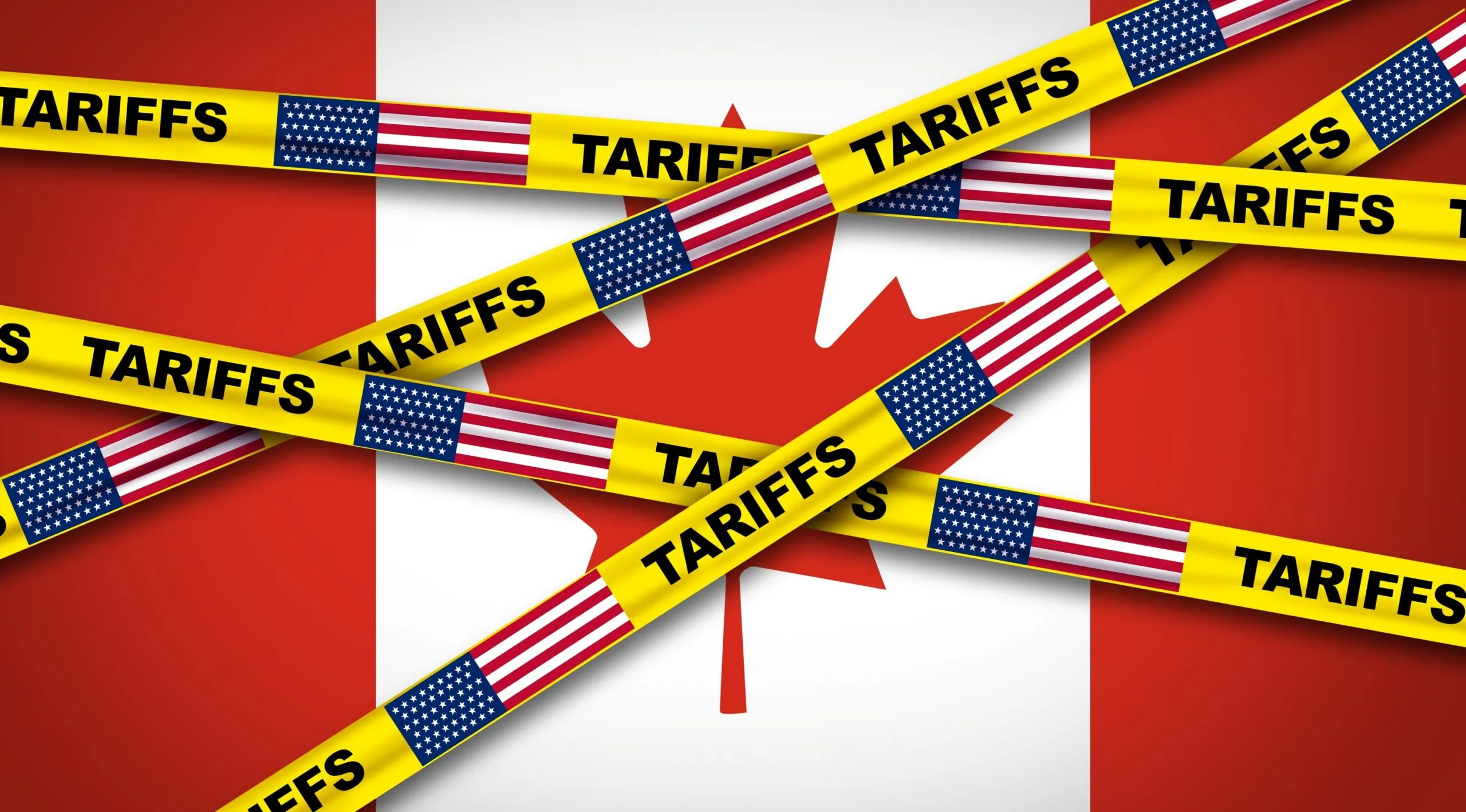
Uncertainty has risen since President Trump announced 50% tariffs against Canadian imports. The U.S. tariffs target a range of Canadian products, including food and beverage and construction materials.
The tariffs are in response to alleged Canadian discrimination against U.S. exports. According to the White House, imports of U.S. motor vehicles fell 22% from the previous year, while imports of U.S. alcohol products declined 81% after they were pulled from the shelves of stores in several provinces.
Products that qualify under the U.S.-Mexico-Canada Agreement (USMCA) will also be affected by the new tariffs. Several goods have been exempted from the tariffs, including energy products, fish, and certain automotive products. The tariffs will go into effect on August 19th at 12:01 a.m.
Your Guide Through Every Trade Shift
Various industries rely on cross-border trade for their supply chains. With the rising uncertainty of when trade will change again, it’s hard to determine when it’s best to get your freight across the border.
FreightCenter is here to navigate the uncertainty with you. Our team guides you through the process of getting your products across the border. We’re beside you throughout the process, ensuring you aren’t lost in the uncertainty of tariffs.
Freedom Haulers Initiative Begins

The Federal Motor Carrier Safety Administration (FMCSA) has expanded its Military Skills Test Waiver program for veterans, as part of President Trump’s new Freedom Haulers workforce initiative. The program guides veterans on how to become a professional truck driver and helps them obtain their commercial driver’s license (CDL) without retaking a driving skills test.
As of July 30th, 2026, veterans now have up to two years to obtain their CDL, rather than the previous one-year eligibility. Over 40,000 veterans have used the program since 2016, earning their CDL based on previous experience with military heavy vehicles. Other programs are available to veterans hoping to obtain their CDL, including the Department of Labor’s apprenticeship programs and the GI Bill education benefits.
GDOT Announces Plans for Truck-Only Lanes

The Georgia Department of Transportation has recently released a construction timeline for two commercial-vehicle-only lanes that will run 41 miles north on I-75. The corridor will run from Monroe County to Henry County. The lanes will be separated by barriers and will be toll-free for trucks with six or more wheels.
The plans were made to alleviate the heavy traffic that occurs in the area due to it being one of the country’s worst truck bottlenecks. With trucks traveling through this corridor daily, the average daily traffic percentage is at 30%. Experts only expect that number to climb as developments in the area grow.
As the corridor is being built, GDOT also has plans to expand a rest area alongside it, adding trucking spaces against a national parking shortage. Construction for the corridor will begin in 2027 and is projected to end in 2032.
Collapsible Containers Optimize Transport for One Company

Steel Producer Outokumpu, with the help of the company Box2Build, has created collapsible containers, streamlining transport of scrap steel. The containers address the issue of shipping empty containers that take up space for scrap collection.
Four foldable containers can be stored in the amount of space that one regular container would take up, alleviating space constraints. The containers remain folded up until they’re brought to collect scrap steel, where they’re expanded and filled with the product.
The ingenuity of collapsible containers has shown, as Outokumpu has noted that they use fewer trucks to transport the emptied containers and there are lower replacement costs. This makes collapsible containers a practical solution for businesses seeking to reduce transportation costs and environmental impact.
New Device Makes Diesel Trucks Electric
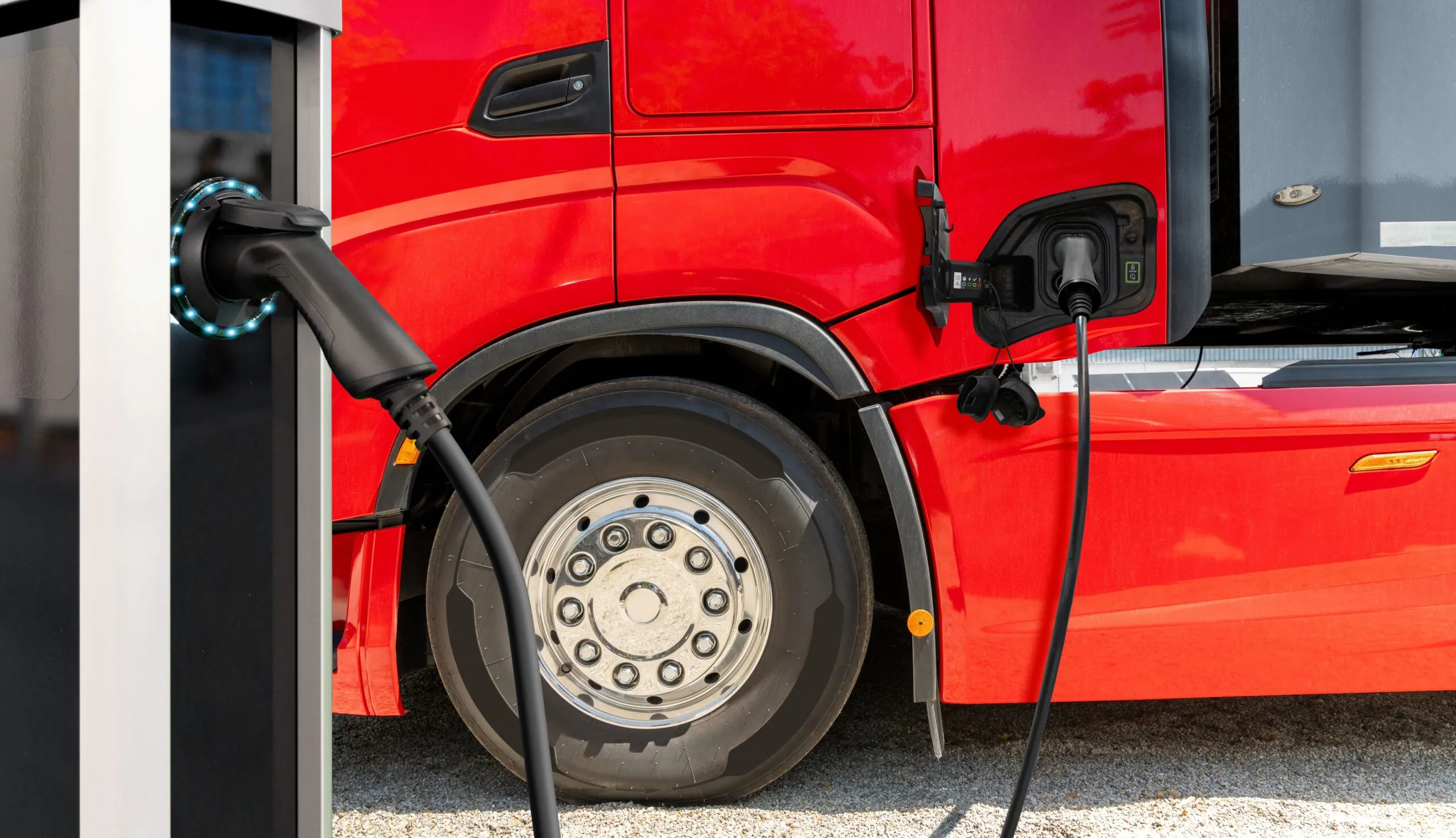
San Francisco-based robotics company Revoy has created a device that would allow a truck to go electric for some of its journey. The unit, which is detachable and comprises of batteries and an electric motor, sits between the truck’s tractor and trailer.
Revoy’s system would allow companies to power a truck at an equivalent cost to diesel and cut emissions up to 85%. The electric dolly would be able to pull up to 80,000 pounds for more than 200 miles on a full charge. The unit would extend the life of existing diesel freight trucks, making it sustainable and cost-effective.
Revoy has received funding from various investors that will allow them to move on to their second generation. The company plans to test their electric dollies in Portland, OR later this year.
CVSA Targets Brake Violations This August
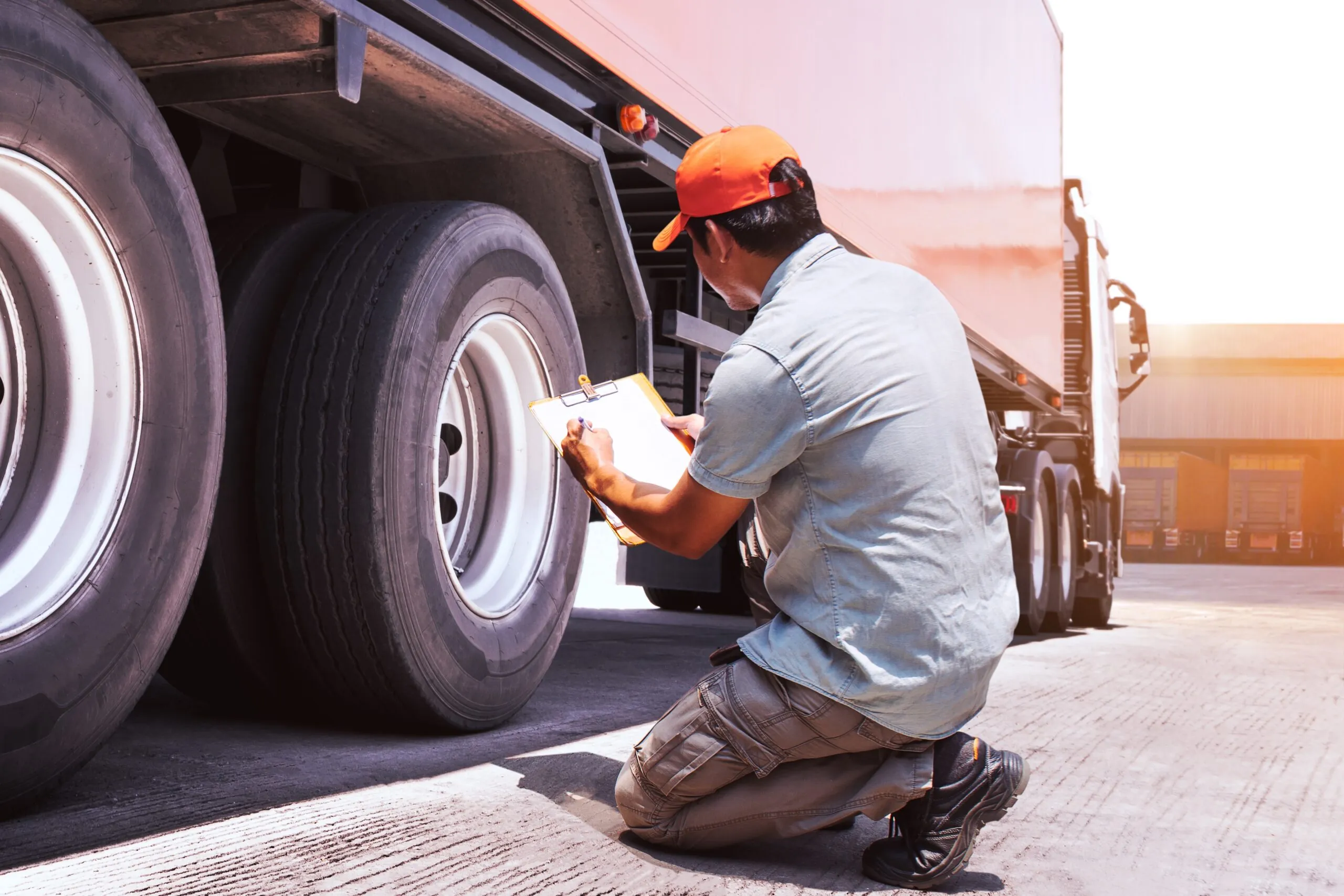
The Commercial Vehicle Safety Alliance scheduled Brake Safety Week for August 23-29, featuring focused inspections across Canada, Mexico, and the U.S. Certified inspectors will conduct commercial vehicle inspections emphasizing brake systems, with this year’s focus on drums and rotors.
Vehicles with brake-related out-of-service violations will be removed from roadways until corrected. Damaged drums and rotors can reduce brake efficiency and pose hazards to other motorists. Inspectors will also engage drivers, carriers, and mechanics on proactive maintenance practices.
CVSA will collect and analyze inspection data, releasing results later this year. Motor carriers are encouraged to perform thorough pre- and post-trip brake inspections.
Louisiana Prioritizes Safe Parking for Commercial Drivers
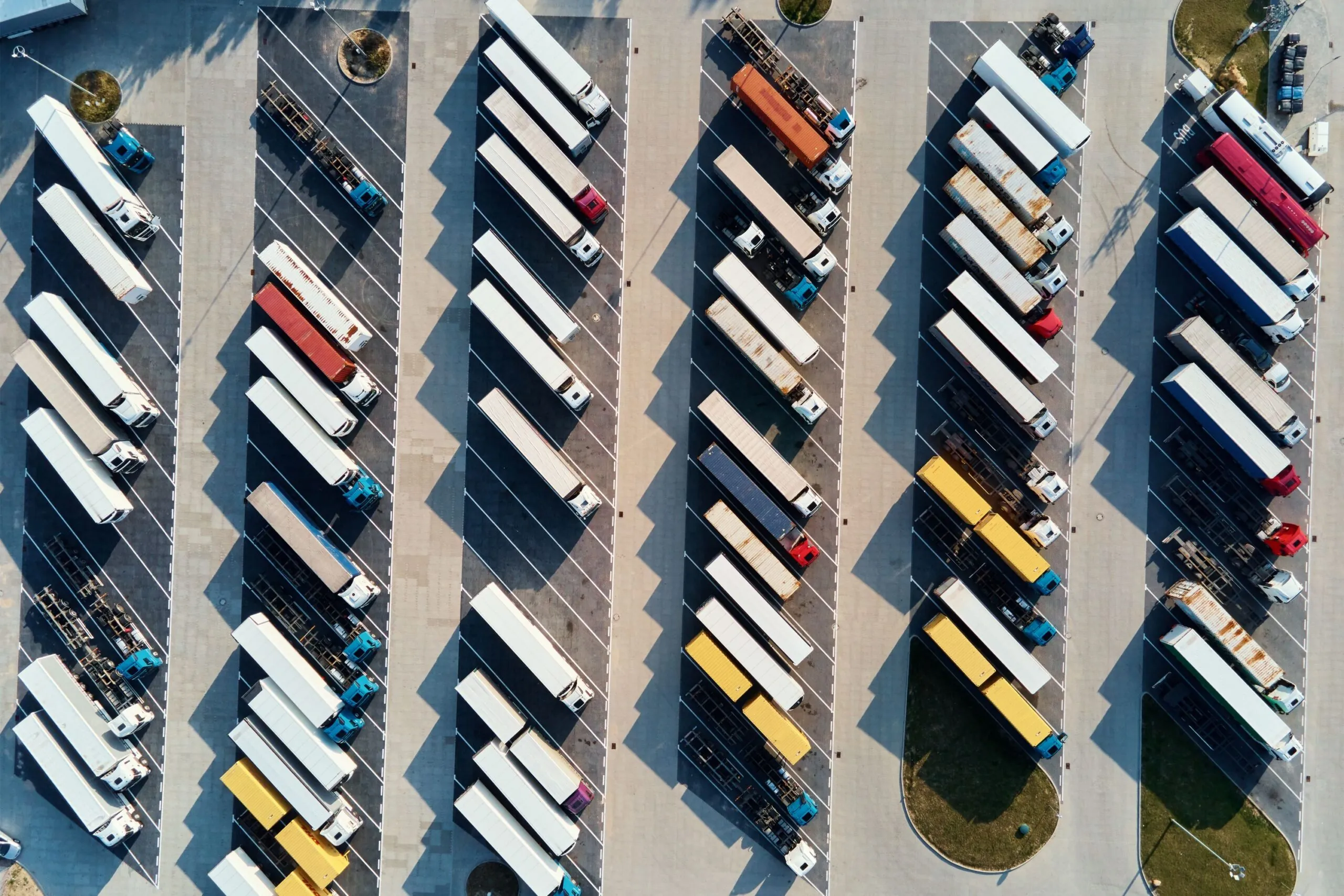
The Louisiana Department of Transportation and Development (DOTD) has received funding to expand parking spaces for truck drivers at various sites. The U.S. Department of Transportation has given $640,000 to the project, allowing the DOTD to identify the best sites to invest in for expansion along the I-10 and I-12 corridors.
As it stands nationally, there is one truck parking space for every 11 commercial truck drivers. Due to regulations, truck drivers must stop if they’ve reached the federally mandated driving limit, but with a shortage of spaces, some end up pulling off to the side of the road. This adds danger to those on the roads, including reduced visibility and increased crash risks. Once the sites are determined, the DOTD will expand parking at these publicly owned sites, offering safe rest areas for trucks.