
Capacity Expected To Be Tight Throughout The Summer

Truckload spot rates were on track to rise more than 40% year over year in June 2026, excluding fuel costs, according to ACT Research. The increase is being driven mainly by tighter trucking capacity caused by reduced equipment investment, driver shortages, new regulations, and greater broker liability.
Freight demand remains supported by low inventories, improving industrial activity, and declining carrier capacity. Although rates may cool after the July 4 holiday, ACT expects capacity to remain tight. Some carriers are reentering the market as rates improve, and truck sales may rise later in the year, but regulatory changes could continue limiting available supply.
Plan Ahead for Tight Summer Freight Capacity
Carrier capacity is expected to remain tight throughout the summer as freight demand rises and many carriers continue to face driver and equipment shortages. These challenges can affect availability, transit times, and pricing for both LTL and truckload shipments.
FreightCenter monitors capacity, rates, fuel costs, tariffs, and other market changes that could affect your freight. Our team can help you plan ahead, compare available carriers, and find the right service for your timeline and budget. Booking early and providing accurate shipment details can also improve your chances of securing the capacity you need.
You can read the full article here.
Custom Rules Get Shaken Up By Trump

Foreign importers will also lose access to the simplified Type 11 entry process for shipments under $2,500, which could raise costs and add paperwork for low-value imports. Shippers should review their importer-of-record arrangements and make sure their customs documents are accurate.
Penalties for noncompliance are also expected to increase. Businesses should strengthen compliance programs, improve supplier visibility, and maintain detailed records about where and how their goods are produced.
You can read more about the changes here.
New Smart Tracking Label Offers Enhanced Monitoring

Samsara introduced a printable, single-use Bluetooth tracking label with a 45-day battery life that provides continuous shipment updates through its nationwide network of connected trucks, trailers, phones, and warehouse equipment. Priced in the single-digit-dollar range, it offers a lower-cost alternative to GPS and cellular trackers while providing more consistent visibility than barcode scanning or RFID. The label can be attached to individual pallets, packages, or high-value items and contains no lithium or hazardous materials, making it suitable for air, rail, and ground transportation.
The technology can help shippers identify delays earlier, locate missing freight, improve customer updates, and collect better information for claims or delivery disputes. Samsara also positions the label as a tool for fighting cargo theft, which the company says costs the U.S. economy more than $35 billion each year.
Get the latest on this story here.
Record Tariff Gauntlet Ahead for Steel, Aluminum Makers

Canada and Mexico steel and aluminum producers can reduce their Section 232 tariff from 50% to 25% by committing to build or expand U.S. production facilities. Eligible facilities include mills, smelters, and electric arc furnaces.
To qualify, companies must submit extensive certified documentation, meet Commerce Department-monitored milestones, and maintain detailed end-to-end traceability of metal production. Their accounting records must also align with customs filings.
A reputable customs broker is essential because compliance must be maintained throughout the process. Failure to meet requirements can trigger full tariff reinstatement and retroactive payment, making accurate records and ongoing documentation critical.
Read the full article here for more.
LA Port Rides Import Wave This Summer
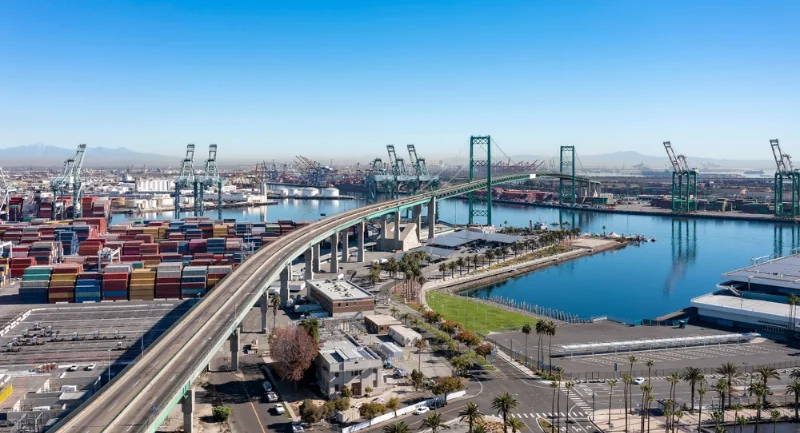
Imports are moving quickly through the Port of Los Angeles as shippers take advantage of a temporary period of greater stability. The port handled 840,165 TEUs in May, up 17% from a year earlier, while loaded imports increased 26%.
The port expects to process more than 900,000 container units in both June and July, signaling an early peak season. Businesses are accelerating shipments as they weigh tariffs, energy costs, inventory needs, and geopolitical risks.
Consumer goods such as toys, electronics, apparel, and furniture continue to arrive, along with parts for U.S. factories. However, higher fuel costs and global shipping disruptions remain concerns, and ocean carriers may need months to fully restore schedules and clear backlogs.
Read the full article by clicking here.
Trade Agreement Non-Renewal Benefits U.S. Freight
The United States has declined to extend the USMCA for another 16 years, which will trigger annual reviews of the trade agreement with Canada and Mexico. The pact remains active until 2036, but the decision creates uncertainty for nearly $2 trillion in annual North American trade.
U.S. officials are seeking changes to automotive content requirements, agricultural market access, trade deficits, and restrictions on Chinese goods. Canada and Mexico favor renewal, while manufacturers and other businesses remain concerned about the effects of prolonged negotiations.
The review could eventually benefit U.S. freight by supporting more domestic manufacturing, regional sourcing, and agricultural exports, increasing demand for trucking and rail services. However, continued uncertainty could delay investment, disrupt connected supply chains, and make freight planning more difficult.
Read the full article by clicking here.
Laredo Gateway Industrial Railway Receives Approval
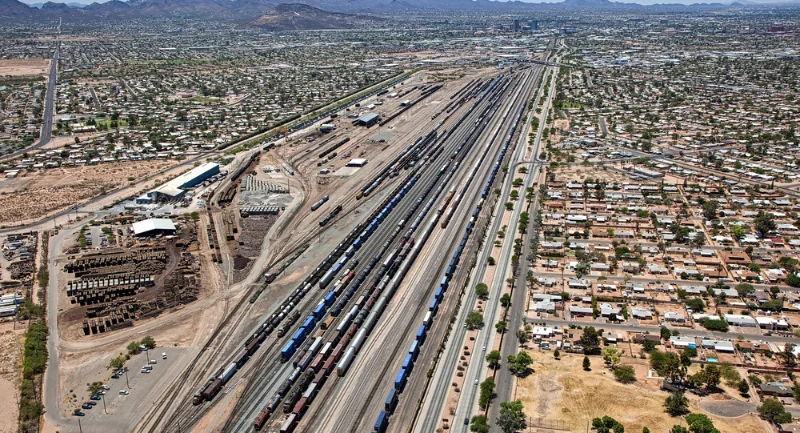
The project is designed to complement trucking by allowing freight to transfer between trucks and rail within the Laredo region. Developers expect the park to handle finished vehicles, steel, consumer goods, paper, fuels, aggregates, and other bulk products while improving access to Interstate 35 and nearby border crossings.
The rail park could also improve supply-chain resilience by giving shippers another option when railcar shortages, congestion, or network disruptions occur. Initial capacity is expected to exceed 12,000 railcars annually, potentially moving freight equal to about 62,000 truckloads while supporting new manufacturing and logistics investment in Laredo.
Read the full article by clicking here.
FreightCenter Helps You Navigate a Changing Freight Market
Fuel prices, tariffs, carrier capacity, and global events can all affect shipping costs. FreightCenter follows these changes closely, so our customers do not have to sort through the noise alone.
Our team helps you compare carrier options, understand current market conditions, and choose a shipping solution that fits your timeline and budget. When the freight market changes, we are here to help you adjust, plan ahead, and ship with greater confidence.
How FreightCenter Supports Businesses During Economic Uncertainty
At FreightCenter, we understand that financial instability doesn’t stop the need for goods to move. That’s why we offer services and tools to help businesses stay agile and control logistics costs even in volatile markets:
Scalable Freight Solutions: Quickly adapt to volume fluctuations with flexible service options.
Rate Comparisons in Real Time: Secure the most cost-effective rates from our carrier network to protect your bottom line.
Strategic Shipment Planning: Optimize routes and timing to avoid unnecessary expenses or disruptions.
Our team is here to support you through the uncertainty, with logistics solutions built for resilience. Call us at (800) 716-7608 for more information or try our free online quote tool to enhance your freight shipping experience with FreightCenter’s 3PL services.