

The Top 5 Trucking Industry Trends To Watch Out For In 2026
The trucking industry has experienced plenty of changes throughout 2026, from regulatory pressure to the rise in technology and innovation. With every new turn, carriers and logistics companies have had to switch gears. Some trends positively impact the industry, while others have had more negative effects.
Here are the top 5 trends the trucking industry has seen so far in 2026.

1. More Regulation Enforcement and Digitized Compliance
Throughout the summer, the trucking industry has seen an increase in enforcement of regulations. During the Commercial Vehicle Safety Alliance (CVSA) International Roadcheck, a total of 15,952 inspections were carried out, and 27,222 violations were found. The Federal Motor Carrier Safety Administration (FMCSA) has spent the first half of 2026 tightening enforcement of its existing rules, primarily around English language proficiency. Other regulations that have been increased include:
– more scrutiny around non-domiciled commercial driver’s licenses (CDLs)
– crackdowns on fraudulent CDL training programs
– more oversight on electronic logging devices (ELDs)
While carriers deal with tightening regulations, they’re also faced with new regulations from the federal and state levels. Unfortunately, these changes can be uneven across the United States, making it hard for fleets in terms of long-term planning. Where rules and regulations may apply to one area, doesn’t mean it will apply in another. Carriers need to monitor changing regulations and how different areas operate in terms of reporting, emissions, and trucking.
Compliance has gone digital. Most fleets have moved onto digital systems, which allow for connected platforms with accurate data management. They must stay on top of ensuring that all information, such as safety records and registration updates, is accurate. If any information isn’t accurate, it means that the carrier may find routine compliance processes more difficult. Carriers need to make sure deadlines are in place in order to keep records as accurate as possible.
2. Technology & Innovation
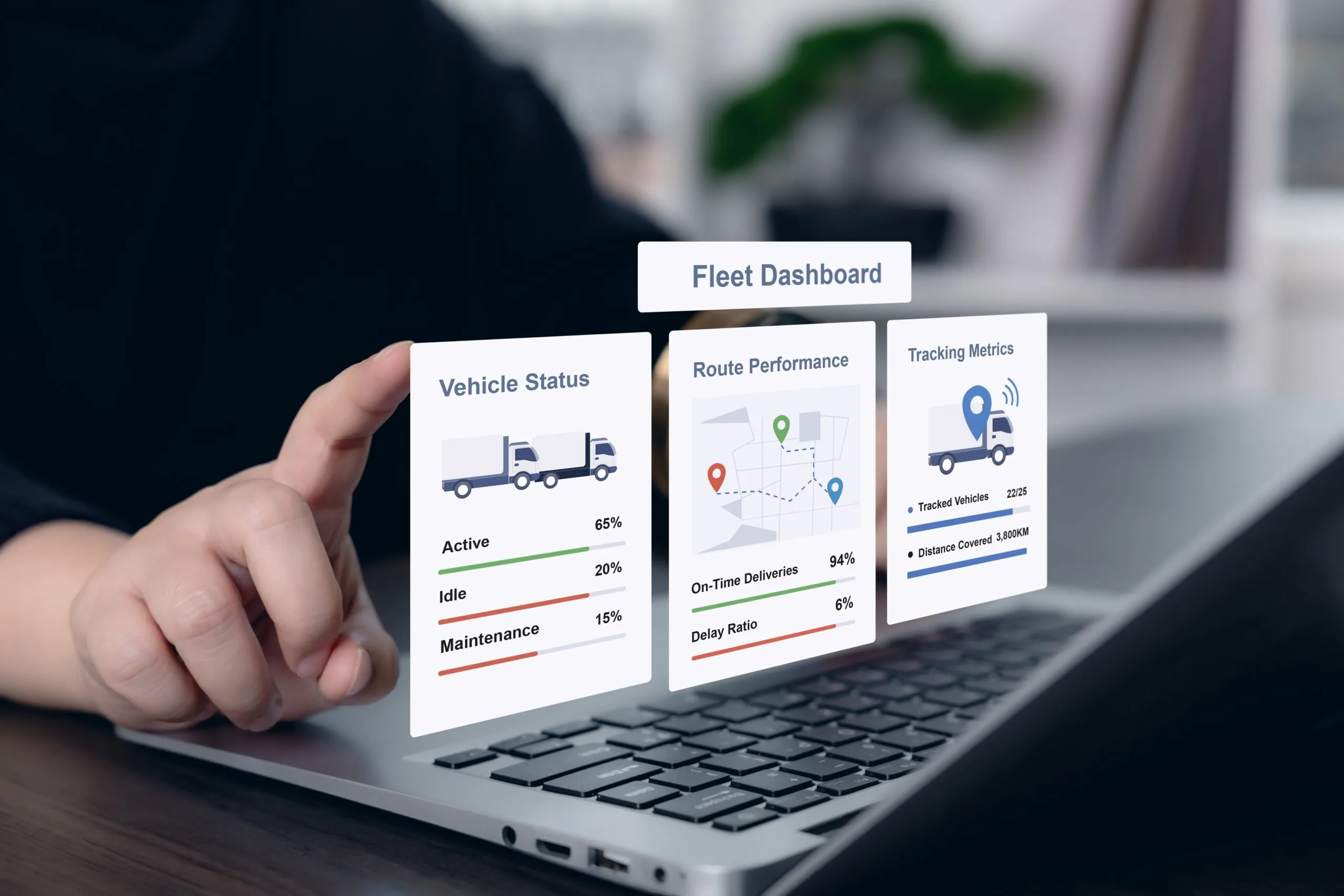
Technology has taken the trucking industry by storm. Throughout the industry, technology is crucial for a fleet to have, or they risk being left behind. Among the many technological innovations the trucking industry has embraced is artificial intelligence (AI). AI has integrated into most systems in the industry, helping with planning routes, maintenance, and dispatching. Many carriers have benefited from AI’s addition; AI optimizes routes in minutes, which would have taken a driver much longer. It is also used to:
– predict traffic patterns
– identify weather disruptions
– predict port congestion
Carriers are able to reroute shipments easily when they know of disruptions that may occur. It helps with fewer delays, lower fuel consumption, and more accurate delivery windows. Advancements in GPS and real-time tracking have also changed the industry for the better. During a time when consumers want to know exactly where their package is and when to receive it, these tools help keep everyone on the same page.
As 2026 continues, AI will be integrated further into processes within the trucking industry. Carriers who have used it every so often will find that they need to implement it quickly. It’s important to stay on top of technological news, especially as new advancements are made daily that could benefit your fleet.

3. Truck Driver Shortage
Like previous years, 2026 is marked by a driver shortage in the trucking industry. The shortage is due in part to the current aging workforce retiring with a lower number of younger and qualified drivers left behind. However, the shortage may deepen as increased regulations force more drivers off the road. Employing younger drivers has been a challenge for fleets across the country, as they seek predictable schedules and improved safety conditions. Many fleets have offered higher pay and better benefits in order to attract younger drivers. Carriers that evolve with shifting job expectations will benefit more than those who don’t.
Several state and federal programs have been enacted to draw workers to the trucking industry. The FMCSA initiated its Safe Driver Apprenticeship Pilot Program in 2022, lowering the interstate driving age to 18 for qualified drivers. The program has concluded at the moment after a three-year trial run, but if it proves successful, it may be permanent. In July of 2026, the Department of Transportation announced its Freedom Haulers Initiative. The initiative aims to help veterans discover opportunities they have in the trucking industry, increasing eligibility to receive expedited CDLs 24 months after active-duty service.
Carriers experiencing high turnover rates should be on the lookout for programs and initiatives as they become available.

4. Sustainable Trucking
For years, the trucking industry has steadily moved towards becoming more environmentally friendly through increased regulations and fuel costs. As of the first week of September 2026, diesel prices per gallon have risen to $5.60. For many carriers, reducing the expense of paying for diesel is a major reason they want to focus on more environmentally friendly trucks. As electric semi-trucks begin to hit markets worldwide, carriers are watching to see when the best time to invest in them will be. Investing in sustainable trucks and fuel will help save costs further on.
The Environmental Protection Agency (EPA) will require reduced nitrogen oxide emissions to 0.035 grams per horsepower-hour on new heavy-duty truck engines beginning January 1st. Due to this, experts expect there to be a pre-buy cycle, when fleets purchase trucks before a new emissions rule, throughout 2026. This isn’t the first time environmental regulations have been enacted on the trucking industry, so experienced fleets have been preparing.
Regulations shift all the time, and if a fleet is caught unaware, it could be disastrous. It’s best for fleets to watch the state of environmental regulations each year to ensure they remain compliant.
5. Freight Demand & Tightening Capacity
2026 has seen the return of semi-stable freight demand. In January, demand grew and hasn’t dipped since. The Institute for Supply Management’s (ISMs) survey for August 2026 had a reading of 54.6%; a reading above 50 is a sign of expansion within the industry. Demand grew in large part due to the construction of AI data centers, energy infrastructure, and military production. However, that’s not to say there may not be a sudden decrease in demand; it’s susceptible to any volatility that may occur.
Throughout 2026, capacity has increasingly tightened. With carriers exiting the industry, fleets taking longer to replace, and the shortage of drivers, there aren’t enough trucks to cover the amount of freight that needs to be moved. This trend will continue into 2027, making it imperative that carriers watch capacity and demand trends through the end of 2026.

Conclusion
From new technology and innovations to tightening capacity and freight demand, companies will have to remain on their toes through the end of 2026. While the market is more positive in some areas, others are lagging; uncertainty is still one of the biggest aspects of the trucking industry.
Carriers need to embrace these trends in order to keep business moving efficiently. A business that fails to adapt finds itself falling behind. As the end of 2026 nears, make a plan for how to embrace or change these trends as we move into 2027.