

Introduction
Last-mile delivery is the process of moving goods from a local warehouse or hub to its final destination. The final stage of transportation matters to businesses and customers, especially because it is sometimes more expensive for shippers to receive their last-mile deliveries. This article will focus on the benefits, challenges, costs, and ways to
improve final destination for last-mile deliveries.
What Is Last-Mile Delivery?
As mentioned above, last-mile delivery is the process of moving goods from a local warehouse or hub to its final destination. The process of last-mile delivery involves the freight moving from a local terminal, or warehouse, or distribution center, so it can make it to its final destination. There is a difference between last mile and final mile. Last-mile delivery can involve dropping off a small package on the recipient’s doorstep. However, with final mile delivery, this typically involves a company adding extra services for large items. Residential final-mile delivery involves going to private homes, condos, and apartments to deliver a shipment. Whereas commercial final-mile delivery refers to going to offices or warehouses to deliver a larger load.
How Does Last-Mile Delivery Work?
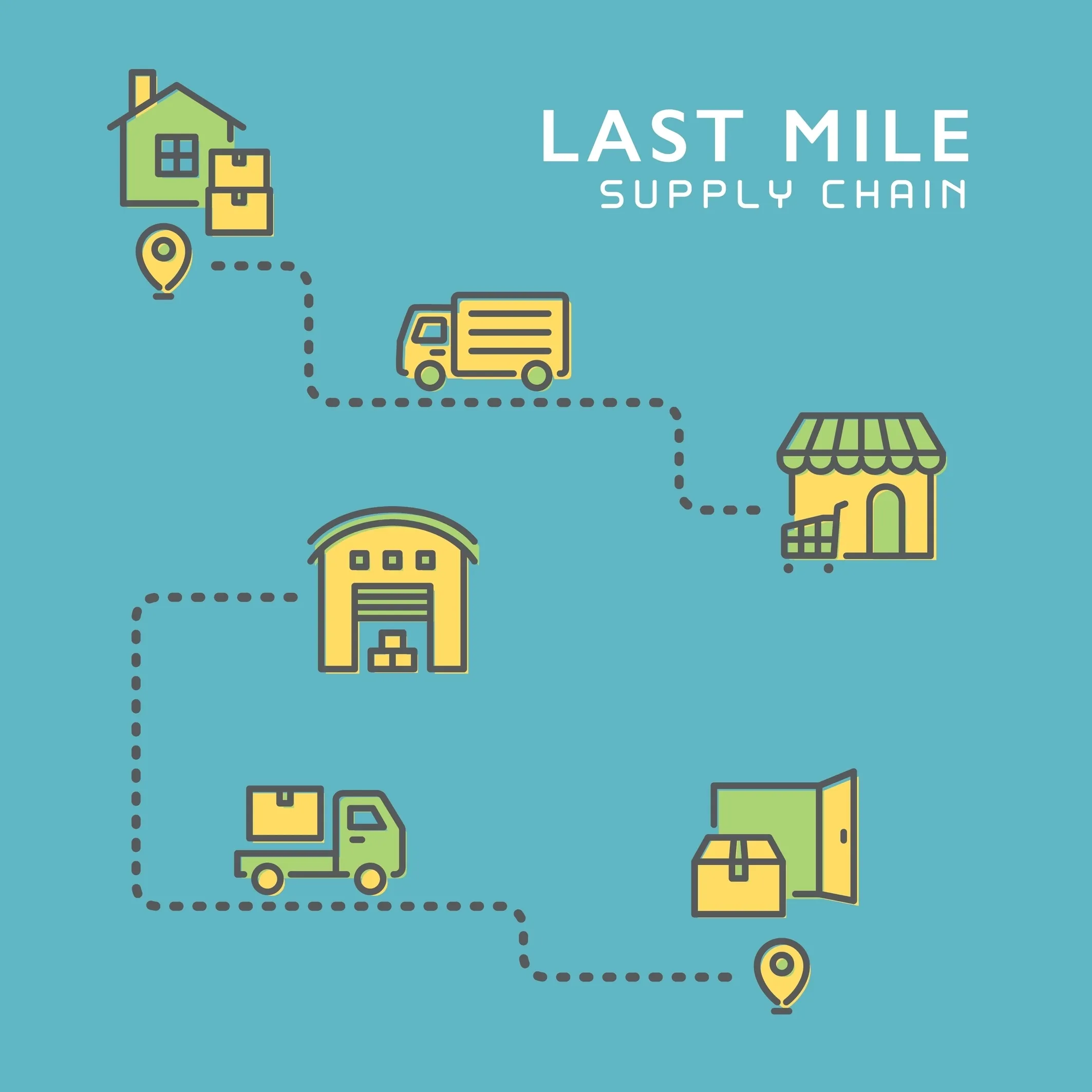
Last-mile delivery works in a few simple to follow steps. First, the shipment arrives at a terminal, warehouse, or distribution center. Then delivery requirements are confirmed. This includes whether or not a liftgate is needed, if it’s an inside delivery, any access restrictions, and any unloading needs. Step two consists of freight moving to its final destination. This involves a local carrier completing delivery to the residence, business, jobsite, or other location. Then delivery is confirmed. In order to confirm the delivery has been completed, you should use proof of delivery, signatures, photos, and shipment-status updates.
Advantages of Last-Mile Delivery
There are quite a few advantages of last-mile delivery. The first being that it is convenient, and also the freight reaches the customer or business directly. Another advantage of last-mile delivery is flexible delivery options. Services may include appointments, liftgates, inside delivery, and white-glove options. You also receive a better customer experience with last-mile delivery. Reliable final delivery can improve satisfaction and brand perception. When it comes to last-minute delivery, access to difficult locations is possible. Smaller vehicles and specialized services can reach locations that cannot accommodate a full-size tractor-trailer. You can also receive support for bulky freight. Final-mile services can help deliver furniture, appliances, machinery, equipment, and other large freight.
Disadvantages of Last-Mile Delivery
As with any service with advantages, there also have to be disadvantages as well. One of the main disadvantages of last-mile delivery is that it is more expensive. This is because it can involve making multiple stops, added labor, specialized equipment, and scheduling, which can increase costs. Traffic and congestion are another major disadvantage of last-mile delivery. Failed deliveries are also possible. This can be the result of closed facilities, missed appointments, and access problems, which can lead to redelivery charges. With last-minute delivery, some deliveries require special equipment such as liftgates, forklifts, pallet jacks, smaller trucks, or additional labor. There is an added handling risk when delivering or handling last-mile deliveries. For example, more transfers and handling may increase the risk of damage, shortages, or delays.
Last-Mile Delivery Pros and Cons
| Advantages | Challenges |
|---|---|
| Direct final delivery | Higher transportation costs |
| Flexible service options | Traffic and congestion |
| Better customer experience | Missed delivery risk |
| Supports difficult locations | Special equipment may be required |
| Works for bulky freight | Additional handling |
| Inside and white-glove options | More scheduling complexity |
What Affects Last-Mile Delivery Cost?
The biggest cost factors that affect last-mile delivery costs are listed below:
-Distance
-Shipment size and weight
-Delivery location
-Residential or limited-access service
-Liftgate requirements
-Appointment delivery
-Inside delivery
-White-glove service
-Additional labor or equipment
Common Last-Mile Delivery Challenges
There are quite a few common last-minute delivery challenges that need to be solved. Below is a bullet-pointed list that shows what these challenges are:
-Limited delivery access
-No loading dock
-Incorrect receiver information
-Missed appointments
-Inaccurate shipment dimensions
-Missing unloading equipment
-Poor communication between shipper, carrier, and receiver
How Businesses Can Improve Last-Mile Delivery
To improve last-mile delivery, there are a few steps businesses can take. The first step is to provide accurate shipping information. This includes confirming dimensions, weight, packaging, and commodity information. They should also identify delivery requirements, for example, whether a liftgate, inside delivery, limited-access service, or an appointment is needed. Confirming the receiving location is just as important to prevent delays in shipping or dropping off your goods. Confirming the receiving location goes hand in hand with being sure you are not adding more unnecessary time to the delivery. To avoid this, check business hours, dock availability, access restrictions, and contact information. Now this next part is extremely important. Choosing the right level of service is important; this involves matching the delivery service to the right freight and location instead of choosing by price alone. Finally, shipment tracking is always important so that you can track your shipment and monitor progress as well as identify delivery expectations sooner.
Technology in Last-Mile Delivery
Technology in the last-mile delivery process is important. Review all of the detailed features included in last-mile delivery:
-Route optimization
-Shipment tracking
-Appointment scheduling
-Electronic proof of delivery
-Delivery analytics
-AI-assisted planning
When Should a Business Use a 3PL for Last-Mile Delivery?
A 3PL may help when a business:
-Ships bulky or heavy freight
-Needs multiple carrier options
-Delivers to residential or limited-access locations
-Requires liftgate or inside delivery
-Does not have its own delivery fleet
-Needs help coordinating specialized final-mile service
How FreightCenter Helps With Last-Mile Delivery
When it comes to last-mile delivery, FreightCenter can help businesses compare freight options. We can also identify delivery requirements and arrange residential and commercial final-mile service. In terms of details for your last-mile delivery, FreightCenter can also coordinate liftgate, limited-access, inside, or appointment delivery. You can even ship bulky and commercial freight to its final destination with FreightCenter’s guidance and assistance. In order to receive a freight quote, reach out to us to speak with a Freight Expert.
Last-Mile Delivery FAQs
1. What is last-mile delivery?
Last-mile delivery is the final stage of shipping, when freight moves from a local terminal, warehouse, or distribution center to its final destination.
2. How does last-mile delivery work?
The shipment reaches a local hub, delivery requirements are confirmed, and a carrier completes the final trip to the customer, business, residence, or jobsite.
3. What are the advantages of last-mile delivery?
Last-mile delivery offers direct delivery, flexible service options, improved convenience, and access to residential, commercial, and limited-access locations.
4. What are the disadvantages of last-mile delivery?
Common challenges include higher costs, traffic delays, missed deliveries, added handling, scheduling requirements, and the need for special equipment.
5. Why is last-mile delivery expensive?
Last-mile delivery can cost more because it often requires multiple stops, additional labor, smaller vehicles, appointments, liftgates, or specialized delivery services.
6. Is last-mile delivery only for residential shipments?
No. Last-mile delivery can serve residences, businesses, construction sites, schools, retail locations, warehouses, and other commercial destinations.
7. What is the difference between last-mile and white-glove delivery?
Last-mile delivery completes the final transportation stage, while white-glove delivery may include added services such as inside placement, unpacking, assembly, or packaging removal.
8. How can businesses improve last-mile delivery?
Businesses can improve last-mile delivery by providing accurate shipment details, confirming delivery access, identifying special services early, and maintaining clear communication with the carrier and receiver.
9. Does FreightCenter offer last-mile delivery services?
Yes. FreightCenter helps businesses arrange last-mile and final-mile freight delivery, including services for residential, commercial, limited-access, liftgate, and specialized delivery needs.