
It’s that time of year again! Holidays are coming, artists are touring, festivals are popping up, and each brings in its own new supply chain. For an industry that thrives on predictability and rigid schedules, logistics as a whole is forced to pivot to an agile, event-driven fulfillment.
There are several businesses we see pop up overnight, and some we even wait for in anticipation, such as Halloween attractions, Tradeshows/conventions and so much more. These temporary storefronts pop up in days, are stocked for hours, and are gone before nightfall.
Many pop-up shops have busy seasons, like holiday markets late in the year and summer festivals. Understanding when these events occur keeps consumers engaged. Unlike traveling businesses that set up quickly, successful pop-ups rely on efficient behind-the-scenes logistics. In today’s fast-paced environment, quick turnaround is essential for success.
Buyer Blindspots
When businesses have tight windows, everyone involved feels the pressure! Stands have to be up before customers hit the storefront, and shelves need to be filled before they enter the doors. Carriers often deliver during ‘after’ hours as businesses and venues do not want vendors in the way of customers during daytime access hours. Many pop-ups rely heavily on early-morning drop-offs to avoid congestion and meet tight setup windows.
When these businesses pop up, or festivals get set up, they will have equipment and merchandise delivered in waves. This is so that they have what they need when they need it, unlike set stores that often have storage facilities or excess space for storage. Many pop-up shops do not. By staggering shipments of fixtures, shelving, tech/POS systems, and signage, they can preserve space.
From there, these business staff must be ready. Temporary stores or festival stands will have merchandise delivered on pallets outdoors, as these places typically lack loading docks. With no docks or equipment such as a forklift, there is a high chance they will need to use a liftgate.
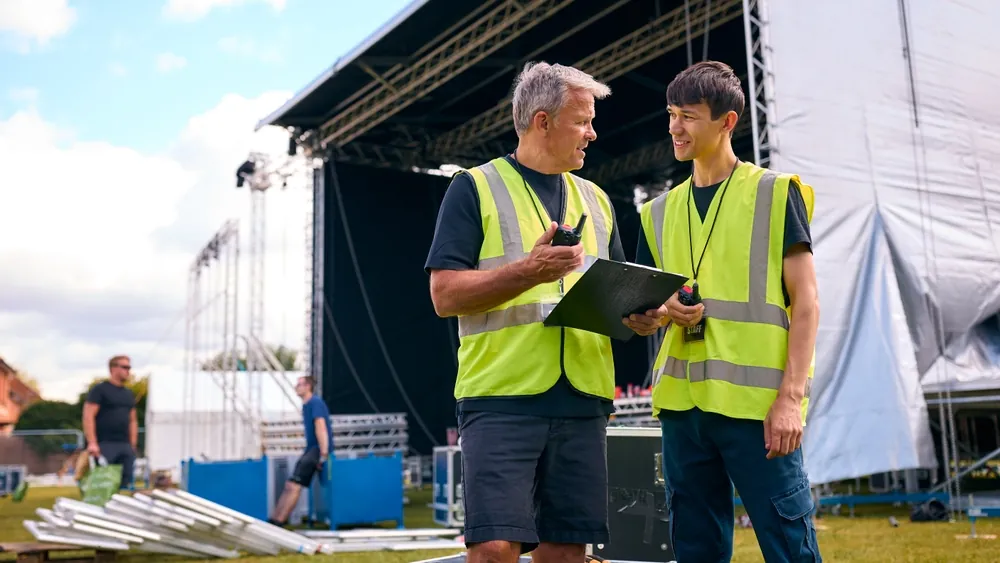
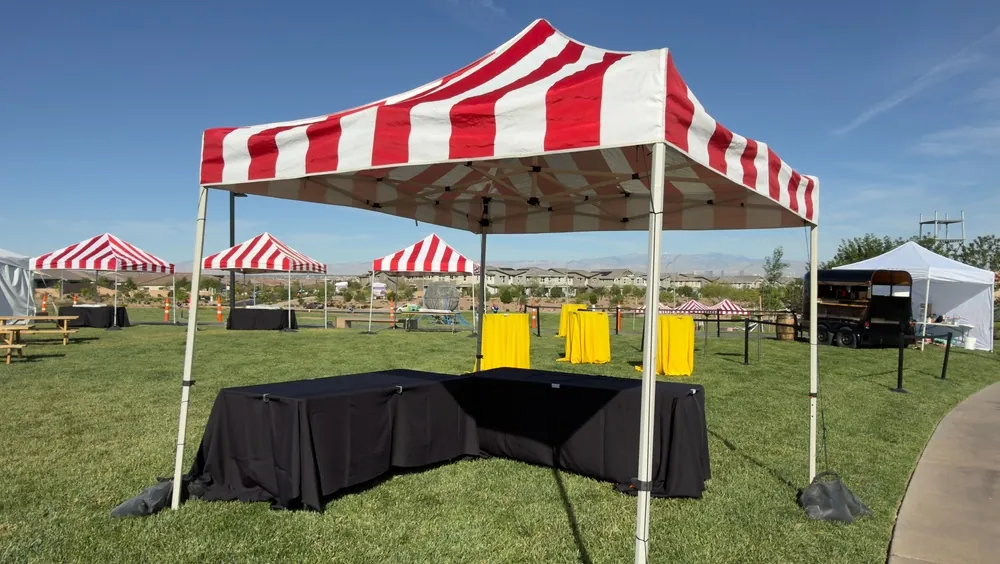
Often the infrastructure used is temporary, from pop-up canopies to stacked stages, flooring to counters, and everything beyond is assembled on-site, leaving no room for error as none of it exists until freight arrives. These tight windows add pressure as there is no time to fix any issues, forcing business owners, event coordinators, and setup staff to rely on last-minute problem-solving. If things arrive with issues such as damaged fixtures, missing inventory, incorrect pallet counts, or delayed shipments, they require immediate solutions because pop‑ups cannot push their opening date.
Even if issues arrive, teams must keep moving, there is no time to pause. Inventory must be moved to staging areas before weather or foot traffic becomes a risk. This is extremely stressful on coordinators who need to verify everything has been delivered and carriers who must navigate tight downtown streets, mall lots, and convention centers. These facilities aren’t only difficult to navigate but often have extremely restrictive hours, which forces carriers to fight the GPS and the clock.
Temporary Timeline Tension
Anyone who has visited a pop-up event knows how exciting it is when you get to experience it, whether it’s a festival seeing the stands and businesses that set up early that morning in the park, or the concert that was set up at the fairground. On the other hand, those who orchestrated the event are feeling the tension!
Pop-ups cannot delay opening! The event has already been marketed, and customers are already buzzing, and venue/vendor contracts lock in the date now. The date that freight is delivered must align perfectly to schedule! If a shipment is late and out of order for setup, it delays building necessary infrastructure.
These delays also begin to wear down operating margins, as timelines don’t change but effort, rushing, and extended hours do, as labor increases with idle time and necessary overtime. If a delivery is delayed, expedited fees could also be added to ensure it arrives on time, adding additional fees.
If your freight arrives too early, venues do not typically offer early delivery, forcing freight to sit in parking lots, racking up detention, or requiring costly off‑site storage. This is not only possibly costly but risky, as unsecured storage could lead to damage or theft.
Real-time coordination is the foundation of pop-up events! They require active communication between carriers, venue staff, event coordinators, and vendors. Should there be one line of miscommunication, it can derail the entire setup.
Variable Venue Visits
Unlike businesses that have year-round operations, pop-ups use temporary venues or rental spaces for a minimal time. These locations operate on strict schedules, as they do not work with only one vendor at a time and cannot bend the rules based on circumstances.
These temporary venues, such as malls and retail plazas, have small loading zones, limited truck maneuverability, and time‑restricted delivery hours to avoid disruption to their daily operations. Freight is then required to be hand‑carted long distances from ‘dock’ to store, which requires additional labor and equipment.
Outdoor venues have their own set of essential planning. Grass, gravel, and uneven terrain make delivery increasingly difficult, and many trucks can not drive on these surfaces. This means that carriers must be aware and bring the appropriate equipment, and liftgate access will be essential.
Venues that are downtown have additional restrictions on busy, tight roadways that are hard to navigate, with tight turns, low clearances, limited parking, and pedestrian traffic. These complications combine to make urban pop-ups the hardest locations to service.
While each location has its own unique issues, some issues they all share based on the location itself are:
- – Security-Controlled Entry Points: Locations that require security escorts, ID checks, or pre‑approved carrier lists add time and additional coordination to every delivery.
- – Limited or No Dock Access: Temporary locations often do not have loading docks. This leads to pop-ups requiring additional staff and equipment that must be planned for.
- – Appointment-Only Delivery Windows: Many temporary locations only accept deliveries during narrow windows, which can lead to delays, fees, and compress tight schedules even more.
- – Shared Access With Multiple Vendors: Large events such as festivals or markets often only have one access point shared by every vendor there on site. Carriers may have to wait to unload, leading to delays on other shipments, and timing becomes critical for setup.
Coordinators need to realize that planning these events means getting to know the venue and figuring out any rules or limitations that could affect things like timing, space, or setup.
Retail Readiness
Effective planning is essential for temporary retail. Consider shipment size, weight, and specific requirements to ensure successful delivery. More to verify before open day:
- – Selecting the Right Shipping Method: Pop-ups require a blend of different shipping options like LTL, expedited, white-glove, and final-mile services. Picking the wrong delivery method can lead to delays, missed time slots, or equipment issues that can hold up the setup.
- – Manage Multiple Shipments: Coordinated planning prevents bottlenecks and ensures everything arrives in the correct order. Fixtures, inventory, signage, equipment, and infrastructure arrive from different carriers, as many pop-ups rarely rely on a single delivery.
- – Prevent Last-Minute Crisis: Verify with venues and vendors that they can unload safely, efficiently, and in a timely manner. Pop‑ups have no buffer time. Planning ensures replenishment shipments, emergency replacements, and return freight all move smoothly throughout the event.
By being ready for surprises, you can avoid problems and keep everything running smoothly from setup to takedown.

Merchant Missteps
While planning can only do so much, there are several mistakes that organizers make when coordinating events. Some may miss the booking window, forcing teams to pay higher rates and rely on expensive expedited freight. Speaking of higher rates, many pop-ups do not plan for unloading when locations lack both docks and forklifts. If the truck has a liftgate available, there is often a higher service fee for using it.
Don’t anger your venue! New pop-ups often do not consider that many temporary venues have strict hours and will not bend those simply because you did not know. If you overlook venue instructions, you can not only ruin rapport with the event venue but also face reattempt fees and delays.
Some pop-ups skip adding extra time during setup. They think they can get everything done quickly, but things like shipping delays, putting equipment together, and coordinating with vendors usually take longer than they plan for. This ends up squeezing their timelines and driving up labor costs.
When things get busy, nothing makes it harder than not knowing what box is what. When packaging your freight, use clear identification so carriers can deliver, and you know what is in the box. Verify that you are not missing suite numbers, booth numbers, hall names, or event identifiers, which can cause misroutes and lost freight.
Labeling also allows you to repack once the event is over! This brings up return freight. Tear‑downs are chaotic. Failing to plan properly for the return of freight leads to abandoned materials, storage fees, or rushed last‑minute bookings. Temporary retail has no buffer time. Without backup carriers, expedited options, or alternate delivery windows, one delayed shipment can derail the entire event.

Pop-Up Logistics Lifelines
You can’t plan the day’s traffic or how long the gas station line is. However, you can plan for your pop-up events. Make your timeline to what works for your team, building in the buffers you need. When preparing for your event, no matter how small, it’s better to plan ahead and try the following:
- – Start planning 4-6 weeks before your opening: Do not wait until the last minute to plan your freight, your setup, anything for the pop-up! Temporary retail feels fast, but freight timelines aren’t. Early planning ensures carriers, vendors, and venue schedules align without last‑minute chaos.
- – Map and verify the venue rules and restrictions: Discuss checkpoints, dock availability/hours, and appointment requirements with your venue. You will need to schedule your carriers accordingly and ensure they have essential equipment and can offer white-glove services you may need.
- – Label Everything: This will allow you to remain organized throughout the setup and takedown process.
- – Use Vetted, Experienced Carriers: Pop‑ups often operate in locations with unusual delivery instructions, such as malls, downtown districts, or outdoor spaces. Carriers familiar with these environments reduce delays and accessorial surprises.
- – Building in Contingency Plans: Identify backup carriers, expedited options, and alternate delivery windows. Temporary businesses offer no buffer time. This means that utilizing contingencies is the difference between staying on track and derailing your timelines.
- – Coordinate with Your Vendors: Ensure all involved teams are on the same timeline. One vendor that arrives too early or too late can throw off the entire lineup.
Pop-up Payoffs
When your pop-up is properly prepared, you have a seamless experience not only for yourself, but for your carriers, customers, and vendors you may work with in the future. When customers and partners walk into a properly set up and beautifully polished pop-up, you not only make a good impression but create stronger relationships with coordinators, carriers, and venue managers, making future events easier to book, schedule, and execute.
With good relationships established, you can now focus on ensuring your timeline is in order and your team is aware. When shipments are properly planned and labeled, teams can move in quickly for setup and takedown.
With experience from previous events, you can use that knowledge to train others and create a repeatable, successful playbook for future events. Your event teams can reuse, refine, and scale this playbook at any scale, for events such as seasonal shops, festivals, tours, or experiential activations.
More importantly, You’re ready! A stress-free launch day and easy take-down is the goal of any team and event, big or small. With freight aligned and backup plans in place, your coordinated vendors are ready and excited instead of chaotic. With freight aligned and backup plans in place, your coordinated vendors are ready and excited instead of chaotic, turning high-pressure builds into a smooth, repeatable success every time.