

The logistics industry hasn’t been shy about talent shortages. 76% of logistics employers face ongoing labor shortages; meanwhile, the average turnover rate for warehouse workers is around 45%.
There are several reasons the logistics industry is struggling to retain workers; however, one crucial aspect should concern prospective employees: logistics employers are seeking more than what is outlined on your resume.
Many people believe that having the right amount of work experience, education, and technical skills is all that’s necessary to get hired in a warehouse, distribution center, or port. This is why individuals pursue logistics certifications; these serve as proof of a worker’s capability to succeed in the industry.
But while knowledge, practical skills, and hands-on experience are important, they hold little value if the individual lacks the right inner qualities. Given the logistics talent shortage, it’s essential for prospective workers to value both external skills and the internal attributes of a logistics career, and to develop the soft skills that help them stand out to employers.
But first, you’re probably wondering:
Yes, There Are Logistics Certifications Out There
Certifications might seem like just fancy pieces of paper indicating that you are qualified for a job. However, they represent much more than that. Certifications are the result of extensive studying, practice, and testing of the skills required for a particular profession. When an employer sees you have a certification for a specific skill, they know that you are qualified without needing to see your talents in person.
While they aren’t required for entry-level positions in warehouses, ports, and distribution centers, obtaining logistics certifications helps new hires stand out in the job market. Additionally, these credentials provide current logistics workers with opportunities to advance to more advanced, higher-paying roles.
There are a number of certifications a logistics worker can obtain. Some just require training and a final test; others require extensive classes and additional requirements. Here are some of the most common certifications a logistics worker can obtain.
Forklift Certification
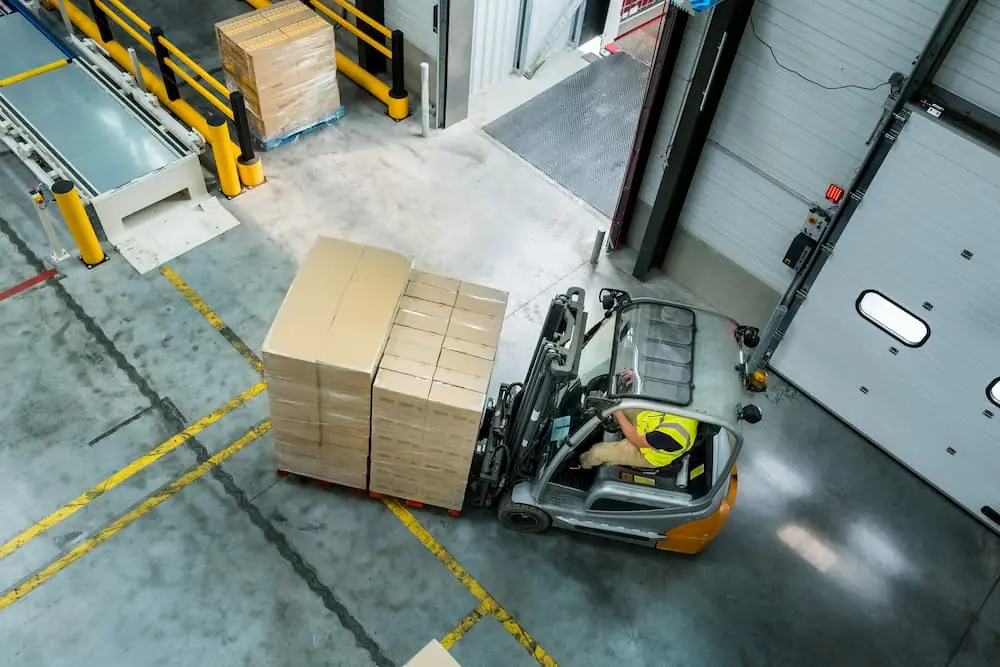
The easiest certification for logistics workers is forklift operation. Forklifts are crucial for moving pallets, but they can be dangerous if not operated properly, as they are heavy and have a high center of gravity. Improper use can lead to serious injuries or fatalities.
70% of forklift incidents can be prevented with standard safety measures, which is what the forklift certification is all about. Getting a forklift certification shows employers you can operate a forklift safely, saving them time and money on training you.
If your employer doesn’t already provide forklift training or you want to get a head start, you can take online classes through OSHA’s Education Center or find an in-person class at a technical college. You will need to take a 1-3 hour theory course, followed by a written test, and attend hands-on demonstrations. You will need to pay for the course, usually between $50 and $200, and you must recertify every few years.
OSHA 10 and OSHA 30
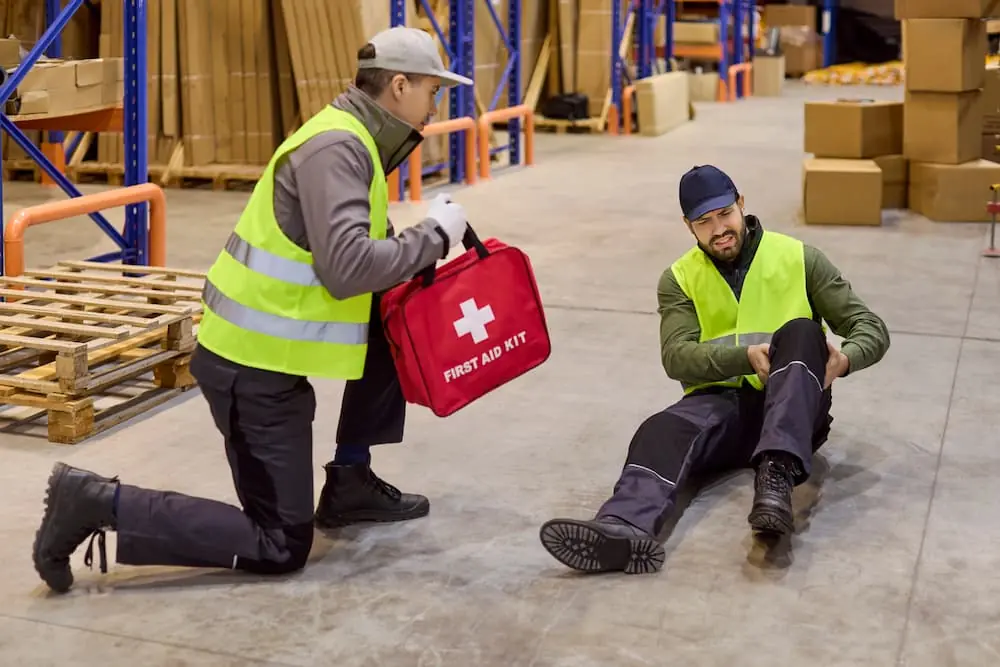
Working in warehouses involves potential dangers associated with heavy equipment and inventory. To prevent injuries and damage, OSHA offers safety training programs focusing on workplace safety in these environments.
These programs help you stay alert and safe by identifying hazards and preventing accidents, while also educating you about your worker rights. Although these programs do not offer official certification, participants will receive a completion card that they can renew every few years.
OSHA 10 is designed for general workers and warehouse managers, while OSHA 30 is intended for leaders and supervisors. Both programs can be completed online or in person through an approved provider, and their costs range between $60 and $190.

Certified Logistics Technician (CLT) 4.0
The Forklift and OSHA Safety programs are ideal for workers in general warehouses or distribution centers. If you’re looking to advance your logistics career, consider participating in the CLT 4.0 program offered by the Manufacturing Skill Standards Council (MSSC).
This program equips workers with essential supply chain management skills, including product receiving, order processing, and inventory control. Completing it can lead to higher-paying roles like team lead, dispatcher, or warehouse manager.
The program is actually split into two tiers. The first tier is the Foundation-level Certified Logistics Associate (CLA), which goes over logistics and supply chain fundamentals. Only after completing the first assessment can you continue to the CLT 4.0 tier. Both tiers can be taken at technical schools and community colleges, or online by applying through the official MSSC website.

Lean Six Sigma Certification in Warehousing
Increasing efficiency is a major goal in logistics workplaces. Demonstrating that you can achieve that goal is an asset employers are always looking for in new hires. The Lean Six Sigma Certification in Warehousing is perfect for workers aiming for high positions in warehouse management or positions that require higher compliance standards.
This Lean Six Sigma Certification is called such because there are six levels to reach. Those include:
– Six Sigma white belt
– Six Sigma yellow belt
– Six Sigma green belt
– Six Sigma black belt
– Six Sigma master black belt
– Six Sigma champion
The levels help certification candidates learn essential skills to improve processes, such as reducing waste and order errors. Advancing through the belts can enhance career prospects and salaries while boosting work quality and customer loyalty.
Each level of Six Sigma certification has increasing costs. The white belt certification is free, while the other levels range from $195 to $1,795 for the master black belt certification. You can take the courses online on the official Six Sigma website.
Other Logistics Certification
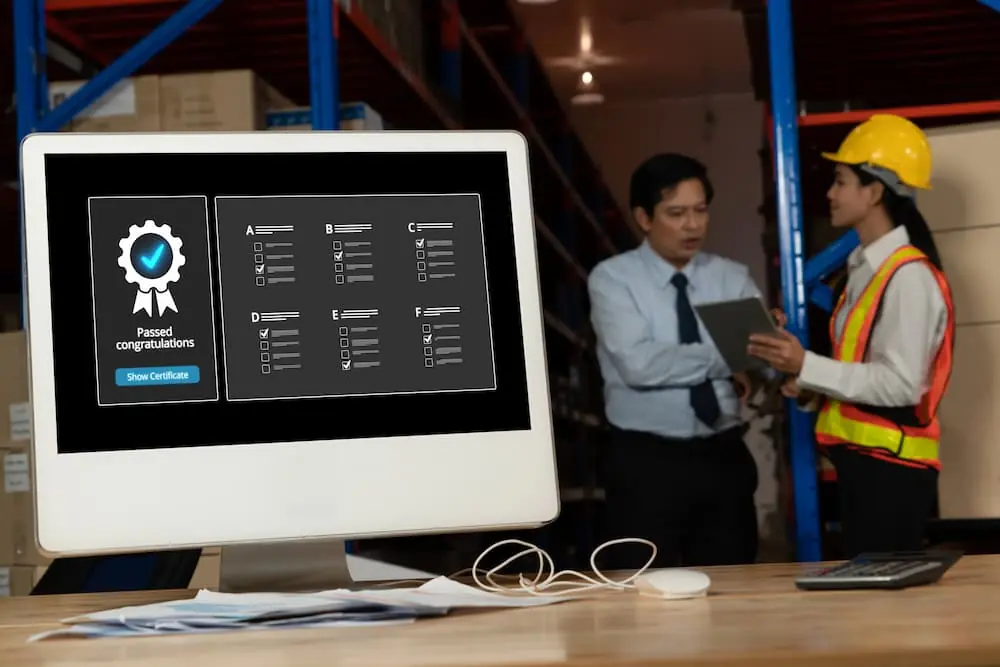
There are even more certifications than the ones listed here. Here are some of the other logistics and supply chain certifications you can earn:
– Certified in Planning and Inventory Management (CPIM)
– Certified in Logistics, Transportation and Distribution (CLTD)
– Certified Supply Chain Professional (CSCP)
– Qualified Warehouse Logistics Professional (QWLP)
– Certified Production Technician (CPT)
Earning a certification is not always necessary for advancement in supply chain and logistics management; promotions can come from experience alone. However, certifications can highlight your industry knowledge and commitment, making you more attractive to employers.

Hard Skills vs Soft Skills in Logistics
Advancing as a logistics professional, however, involves more than just accumulating certifications. You will also need the right attitude and skills to progress in your logistics career.
Logistics certifications are an example of hard skills. These are tangible, technical abilities that people need to operate technology, tools, and processes. These are skills that people must gain through studying, physical training, and hands-on experience.
Some hard skills favorable in the logistics industry include:
– Experience with WMS, TMS, and ERP platforms and systems
– Inventory management
– Tracking and forecasting experience
– Data collecting, analyzing, and reporting skills
– Safety and compliance awareness
– Ability to adapt to new technologies and improve processes
Hard skills are important to logistics employers as they are proven through certificates and experience. It’s difficult to exaggerate these skills; you either have them or need training. More hard skills mean less time and money spent on training by employers.
However, hard skills aren’t the only abilities logistics employers desire. They also expect prospective workers to have compatible soft skills. These are personality traits and social abilities that show how well you work with others and how you respond to challenges. You either have these skills innately or need to grow through experience.
Soft skills are easily transferable across sectors, but some are highly favored in specific industries. Some of the soft skills favored by the logistics industry include:
– Reliability
– Accountability
– Adaptable
– Eager to learn
– Solid communication skills
– Good collaborator
– Tech-savvy
– Eye for detail
Soft skills reveal more about the individual than the resume itself. By highlighting these qualities during an interview, candidates can demonstrate the traits that employers value in the workplace.

Why Soft Skills Matter as Much as Certifications
Employers can evaluate your technical skills by reviewing your resume, but it’s often challenging to gauge your abilities as a team player or effective communicator based solely on that document. They typically discover what kind of employee you are only after you’ve been with the company for a while, which can be risky if you don’t align with their expectations.
Logistics employers need emotionally intelligent, adaptable, and reliable workers who communicate well and remain calm under pressure. Effective communication and problem-solving are essential in warehouses and distribution centers. Disruptions, including unreliable, uncommunicative, or untrustworthy workers, can lead to shipping errors and customer dissatisfaction.
Certifications and other hard skills are important in logistics because you cannot physically perform a logistics job without them. Soft skills are important in logistics because you cannot emotionally or mentally perform a logistics job without them. Both skill sets are equally essential for succeeding in a logistics or warehouse career.
How to Strengthen Soft Skills to Stand Toe-To-Toe with Logistics Certifications
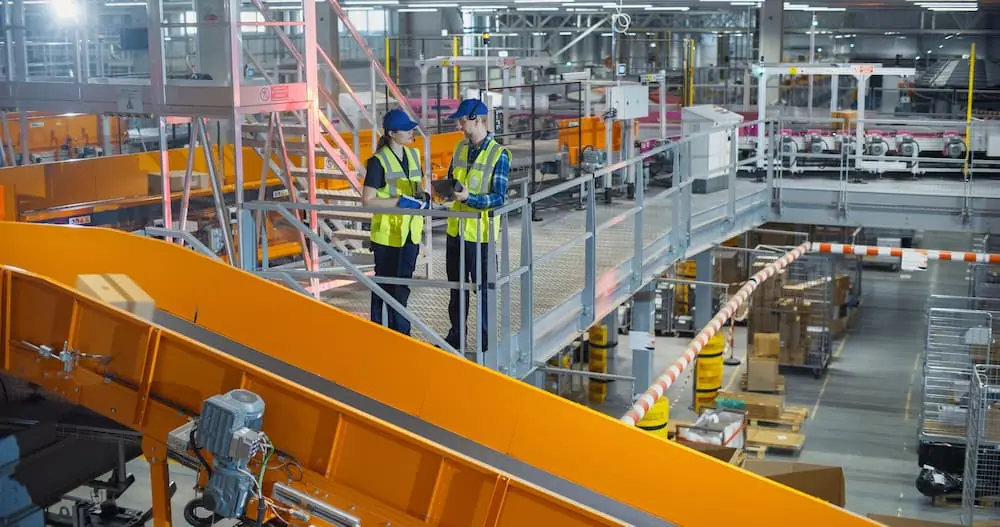
Understanding the importance of both hard and soft skills for logistics employers is crucial in becoming an ideal candidate. Hard skills are easier to acquire, as they can be developed through classes and training. In contrast, improving soft skills can be more challenging, but there are effective methods to enhance them. Here are a few:
Start with what’s in your reach: Gauge your current abilities. What skills are you confident about, and what ones are you unsure about? Answering those questions will give you an idea of which skills you need to improve first. Maybe you need to work on your communication skills, or you need to get better at being adaptable. Whatever you need to work on, start with the abilities you know you can improve right now.
Try new responsibilities: Get out of your comfort zone! Volunteer for new tasks and responsibilities, even ones that may seem daunting or overtaxing to you. Whether you are trying new machinery or taking on a leadership role, do your best in new positions. You’ll never get a chance to improve your skills if you don’t take the opportunities presented to you to do so.
Keep up with the latest logistics news: To better understand the logistics industry, it’s essential to stay updated. Keeping track of news, trends, rumors, and ongoing discussions can provide valuable insights into how industry professionals think and operate, which in turn helps you learn more about the field and how you can advance your career.
Learn from experienced coworkers and mentors: At your new company, you’ll be surrounded by colleagues who have their own unique journeys in the logistics field. Take the initiative to reach out to people you know in the industry and ask questions. Additionally, look for mentors in your new job who can provide guidance as you navigate your career.

Building a Stronger Logistics Workforce
The logistics talent shortage will not be solved by hiring more people based on credentials alone. Certifications can prepare workers to operate equipment, manage inventory, follow safety procedures, and improve processes. However, the people most likely to succeed and remain in the industry are also dependable, adaptable, communicative, and willing to learn.
For job seekers, this means career development should include both technical training and personal growth. A certification may help someone earn an interview, but their attitude, reliability, and ability to work with others can determine how far they advance. Employers must also recognize these qualities, support their development, and create workplaces where skilled employees want to stay.
Logistics depends on people who can handle complicated systems and unpredictable situations without losing sight of safety, teamwork, or the customer. When technical knowledge and strong soft skills work together, employees become more valuable, workplaces become more resilient, and the entire supply chain becomes better prepared for whatever comes next.