

LTL Freight Shipping Questions People Ask on Reddit
Shipping a few pallets or a smaller freight load? This guide explains when LTL freight shipping makes sense, how pricing works, what affects transit time, and how to avoid common quote or delivery issues.
More LTL Freight Resources:
LTL Freight Classifications and Pricing Freight Shipping Insurance Options LTL Shipping Checklist


LTL Freight Shipping Questions
People often search Reddit for straightforward LTL freight shipping advice from people with experience. This guide answers the common questions shippers ask about pricing, freight class, transit times, accessorials, and avoiding costly mistakes.
This page is not Reddit. It is FreightCenter’s expert guide to the LTL freight shipping questions people ask online, with clear answers based on real shipping experience.
If you are shipping a few pallets, comparing LTL and truckload, or trying to understand why your freight quote changed, this guide will help you make a more confident decision before you book.





Thousands of businesses trust FreightCenter to move their freight faster, smarter, and cheaper! From unbeatable rates to top-notch service, our customers are raving about their shipping success.
See why they keep coming back!
Award-Winning Service, Trusted by Shippers Everywhere!
- 2021, 2017 & 2016 Food Logistics’ Top Green Providers
- 2021 & 2018 Supply & Demand Chain Executives’ Pros to Know: Matthew Brosious
- 2020 & 2019 Top Food Logistics’ 3PL & Cold Storage Provider Award
- 2020 & 2019 Business Observer’s Top 500 Companies on the Gulf Coast
- 2020 & 2017 SmartWay® Transport Partner
- 2020 & 2017 Food Logistics’ Champions: Rock Stars of the Supply Chain
- 2020 Best of Palm Harbor Awards for Local Businesses
- 2017 Green Supply Chain Award from Supply & Demand Chain Executive
- 2017 Tampa Bay Business Journal Heroes at Work
- 2016, 2015, & 2012 Food Logistics Top 100 Software and Technology Providers
- 2013 Tampa Bay Business 100 by Tampa Bay Business Journal
- 2013 Top 100 Great Supply Chain Partners by SupplyChainBrain
- 2012 TIA Samaritan Award Honorable Mention
- 2012, 2011 & 2010 TBBJ Fast 50 Recipient
- 2013, 2011, & 2010 Diversity Business Top Businesses

Quick Answer: When Does LTL Freight Shipping Make Sense?
LTL freight shipping makes sense when your shipment is too large for parcel shipping but does not need a full truckload trailer. It is commonly used for palletized freight, boxed commercial goods, equipment, parts, supplies, and small-to-mid-sized business shipments.
With LTL shipping, your freight shares trailer space with shipments from other businesses. That helps lower the cost because you are not paying for the entire truck. The tradeoff is that LTL freight usually has more handling than truckload shipping because it may move through terminals along the way.
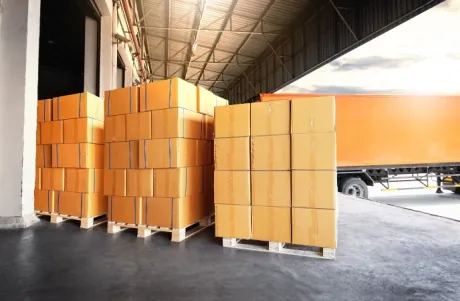
For many businesses, LTL is the most practical choice when shipping one to several pallets.
LTL Freight Shipping Questions, Answered by Freight Experts
What is LTL freight shipping?
LTL stands for less-than-truckload. It is a freight shipping method used when a shipment does not fill an entire trailer.
Instead of paying for a full truck, your shipment shares space with other freight moving through the carrier’s network. This makes LTL a cost-effective option for smaller freight shipments that are still too large or heavy for standard parcel carriers.
LTL is often used for pallets, crates, boxed freight, commercial equipment, business supplies, and retail inventory.
When should I use LTL freight shipping?
You should consider LTL freight shipping when your shipment is larger than parcel but smaller than a full truckload. This often means one pallet, several pallets, or freight that weighs more than a typical package carrier can handle.
LTL can be a smart option when cost matters, the shipment is properly packaged, and the delivery timeline has some flexibility.
If your freight is fragile, urgent, oversized, or difficult to handle, another service like partial truckload, expedited freight, or full truckload may be a better fit.
Is LTL cheaper than truckload?
LTL is usually cheaper than truckload for smaller shipments because you only pay for the space your freight uses. Truckload shipping usually costs more because you are paying for dedicated trailer space.
However, LTL is not always the best choice. If your shipment takes up a large portion of a trailer, requires fewer touchpoints, or needs direct service, truckload or partial truckload may be more practical.
A good rule of thumb is this: LTL is often best for a few pallets. Truckload is usually better for larger shipments that need more trailer space or less handling.
Many shippers compare advice from forums, carriers, brokers, and search results before choosing a freight service. These guides answer common shipping questions clearly, with practical guidance from FreightCenter.
Not sure whether LTL or truckload is the better fit? This guide explains when full truckload shipping makes sense, how pricing works, and what to know before booking.
Temperature-sensitive freight comes with extra details. Learn how refrigerated shipping works, when to use a reefer, and what affects the cost.
Have a shipment that is too big for standard LTL but does not need a full trailer? This guide explains when partial truckload makes sense, how it compares to LTL and full truckload, and what affects the cost.
Shipping oversized, overweight, or hard-to-move freight? This guide answers common heavy haul questions about permits, equipment, route planning, loading requirements, and what affects the cost.
 Guaranteed competitive pricing every time you ship.
Get Clear LTL Freight Shipping Answers Before You Book
LTL freight shipping is one of the most useful options for businesses moving smaller freight loads, but the details matter. Freight class, packaging, dimensions, accessorials, and carrier requirements can all affect the cost and the delivery experience.
FreightCenter helps make those details easier to understand. Whether you need LTL, partial truckload, truckload, expedited, or specialized freight service, our team can help you compare your options and choose the right fit.
Get a free online quote or call FreightCenter at (800) 716-7608 to speak with a freight expert.