
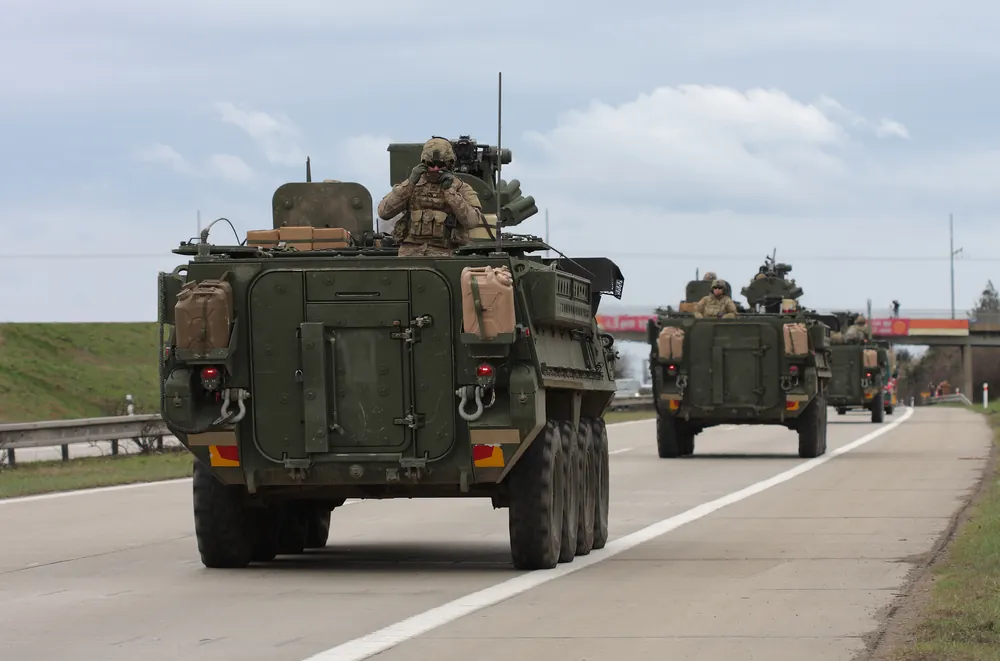
Military logistics has transformed more in the last 150 years than it did in the previous two thousand. What began as armies dragging wagons, livestock, and hand‑forged weapons across unforgiving terrain has evolved into a global, technology‑driven system capable of moving entire divisions across continents in hours. Today’s military supply chains rely on satellites, automation, artificial intelligence, and international coordination. This is a dramatic shift from the slow and vulnerable animal‑powered logistics of the ancient world.
When the military needs to move, it is never a small task. Behind every deployment, every operation, and every victory sits a complex network of planning, transport, supply, and support. The question becomes clear. How did we get from marching columns and foraging to real‑time global mobility capable of sustaining modern warfare at scale?
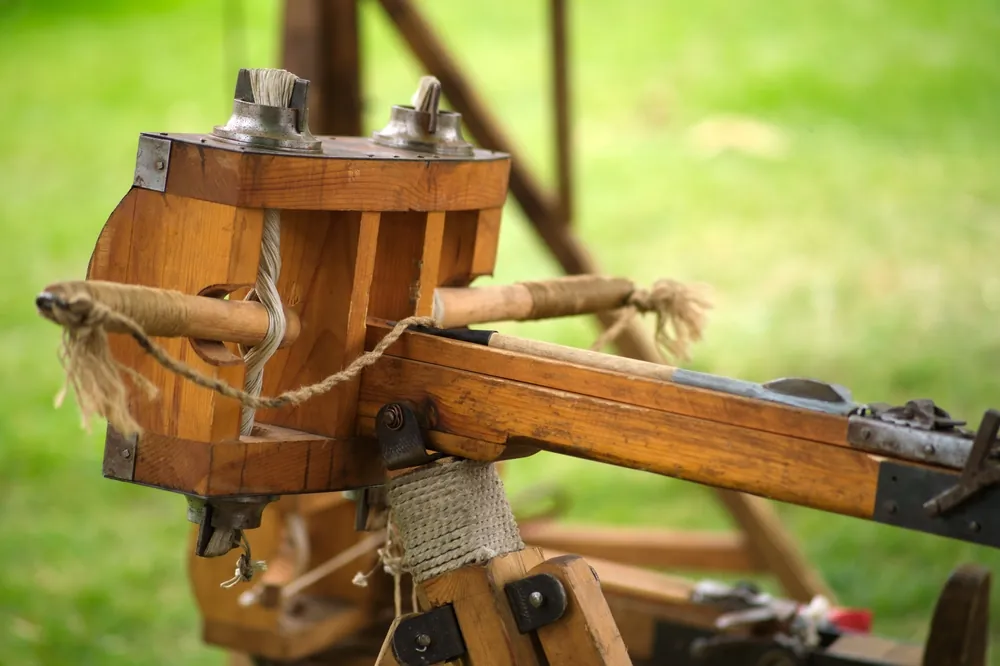
Ancient Military Logistics
Every industry had to start somewhere; for logistics, it was in war, and far from what we know of war today. Armies weren’t hidden in Kevlar vests and riding in beasts of metal. Early armies were limited in the distance they could travel safely and how much they could carry.
Local armies often had the upper hand, as supplies weren’t dropped by plane or driven in on an ATV. Everything had to be sourced locally and carried by a man or an animal. They did not have the sourcing we do today nor the supply chain to support it.
By relying on the independent support that accompanied the army, they did not have to advance deep into hostile territory without resupply. These supporting roles often contained a mix of:
- – Embedded Services: Tailors, blacksmiths, and armorers marched alongside troops to repair gear on the spot.
- – Medical Support: Early field doctors and triage tents moved alongside combatants to treat injuries.
- – Mobile Food: Livestock herds and grain mills traveled with the column to provide fresh rations.
- – Camp Construction: Surveyors and tool-bearing laborers erected fortified camp structures at every nightly halt.
This may sound efficient, but the trade-off for not needing to establish a supply line is extreme vulnerability. While an army can hide when needed, large transport wagons and herds are easy to spot, making them easy targets. This was mixed with drastically reduced speed: when you’re carrying your supply line, nothing gets left behind, often forcing the troop to keep pace with the slowest animal or wagon.
While fuel volatility is an issue of today, resource volatility was the issue of the past. Support staff and animals require a massive daily supply of food and water, which are additional items to carry, leaving less to be rationed to fighting troops.
Notable historical examples can be found in the Roman Legions. They depended on fortified supply depots that would hold enough rations for their stay, along with the staff to maintain them. This rivaled their Greek counterparts, who relied on coastal logistics. With access to an endless sea and wind in their sails, they could pass the difficult terrain they would have faced on land. They also relied more on local trade than on transporting supplies themselves.
The Mongols, known for their vast territorial reach, relied on stored food and what they could forage. What kept them moving was their attention to detail and disciplined planning, which often led to rapid progress, covering over 180 miles in three days. These systems were impressive for their time but limited by geography, animal power, and manual coordination.
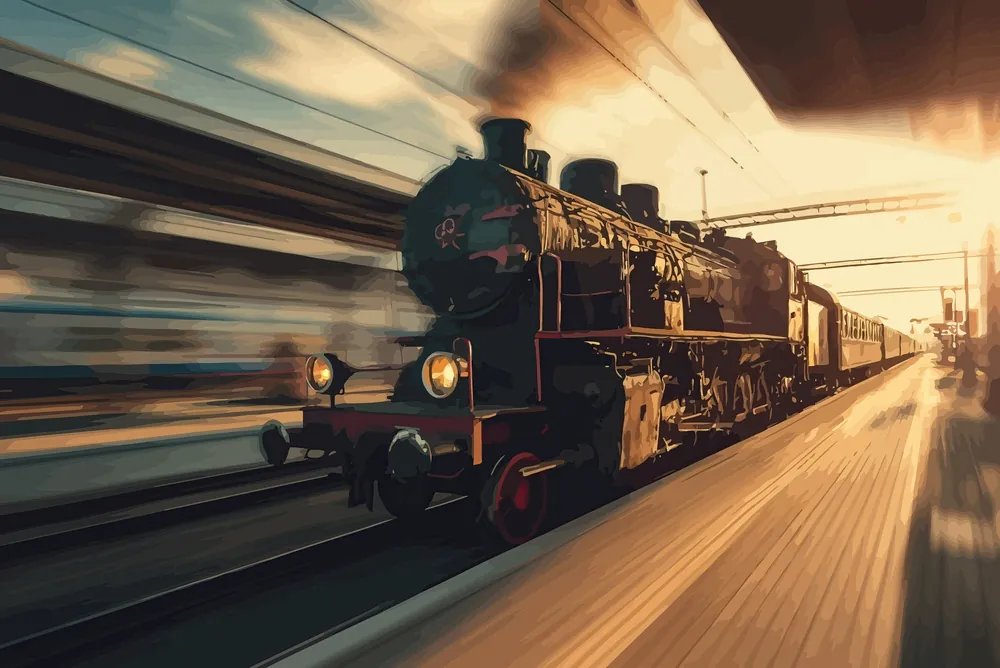
Industrialization: The Push to Modern Military
As a nation, the United States saw significant advancements during the Industrial Revolution and the beginnings of modern military logistics. Innovations such as steamships and railway engines allowed armies to move thousands of people, artillery, and supplies in a fraction of the time and even provided troops with rest en route.
Steam wagons, industrial carts, and early trucks reduced reliance on horses and oxen, increasing carrying capacity and reducing vulnerability to resource shortages. With one instruction, logistics was transformed from a slow march to a rapid, coordinated movement driven by coal rather than current capabilities.
Movement wasn’t the only upgrade! Factories moved industries out of homes and into designated sites that enabled mass production. Mass production changed how armies armed themselves. This was enabled by the mass production of standardized weapons, uniforms, ammunition, and spare parts at unprecedented scale. This changed the game of war by allowing armies to sustain long campaigns without exhausting local resources.
However, these hubs of railways and ports often became battlegrounds, as control of the hub meant control over the flow of reinforcements and ammunition. While war took over the paths, resources became an additional reason to battle. Steam engines heavily relied on coal, creating the first modern fuel supply chains and shifting logistics planning from food and forage to energy distribution.
These advancements prompted armies to train officers specifically in supply, transportation, and planning, laying the foundation for modern military logistics doctrine and underscoring its importance.
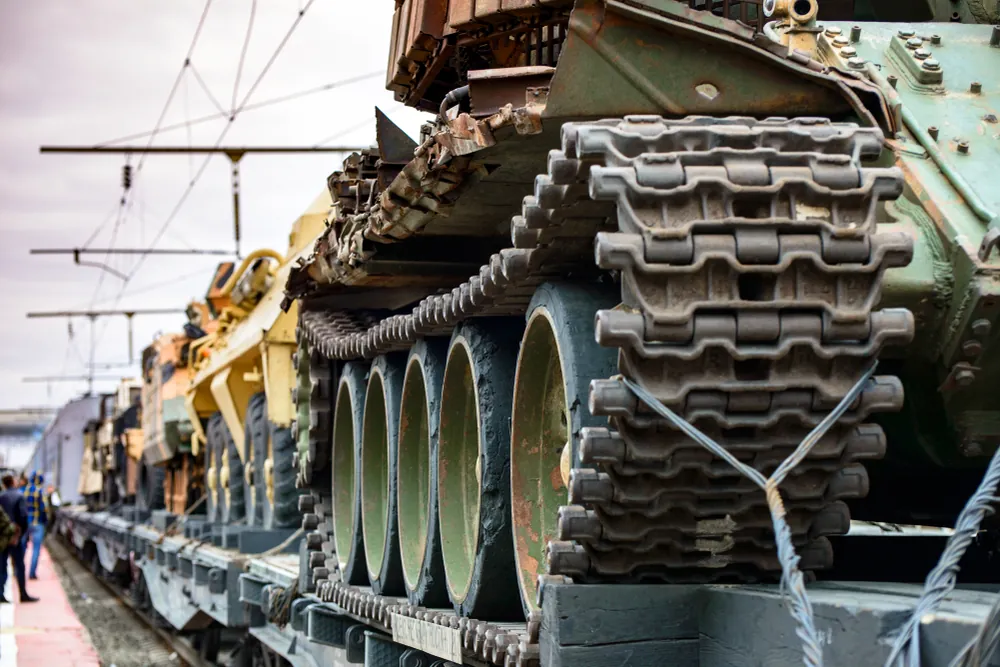
The Innovation of War and Peace
Once the World Wars began, they mobilized troops worldwide simultaneously. Military teams relied on massive interconnected supply networks spanning countries, not just miles. This alone is something ancient armies couldn’t have imagined, especially when distant fronts lacked being fed, fueled, armed, and reinforced.
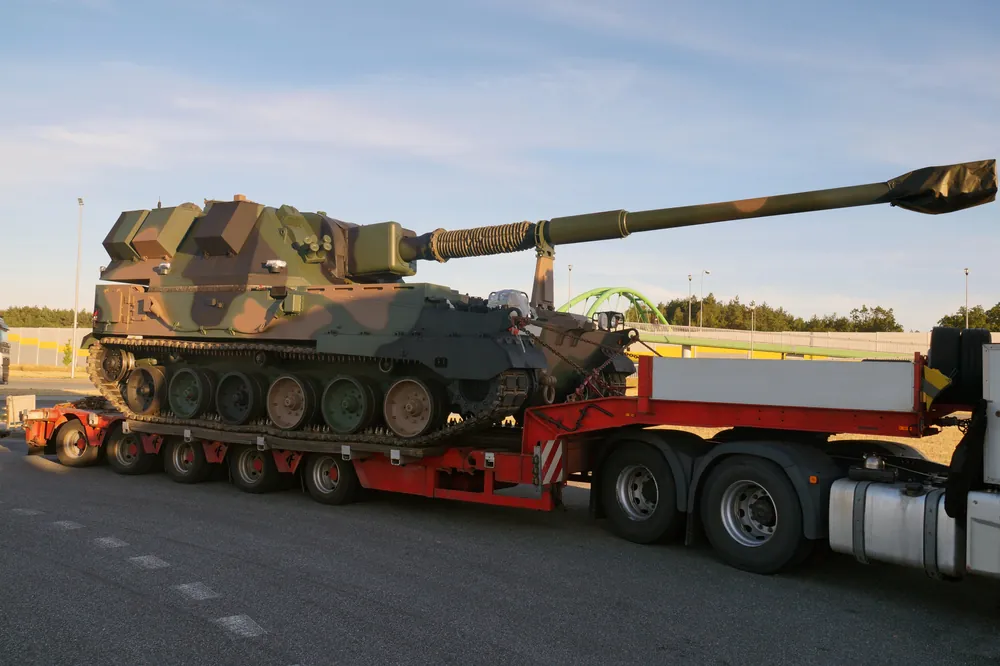
The wars required each party to evolve their current capabilities. Mechanized advancements introduced heavy vehicles such as tanks, aircraft, trucks, and artillery that consumed enormous amounts of fuel and spare parts. Ammunition production skyrocketed. Logistics shifted from moving food and weapons to managing industrial‑scale consumption, requiring precise coordination between factories, depots, and front‑line units.
When it came down to the details, the nation’s ability to integrate civilian factories into military supply chains and to improve air and sea transport enabled our Allies to deliver millions of tons of cargo across dangerous waters. Control of air and sea logistics corridors became as important as control of the battlefield itself.
The Allies’ ability to out‑produce, out‑transport, and out‑supply the Axis powers was a key factor in victory, highlighting the vital role of logistics in success.
During the Cold War, satellite technology and digital systems revolutionized logistics, enabling commanders to oversee war zones remotely and respond rapidly to changing conditions, shaping today’s global logistics networks.
Computers took a step here, as did the shift from paper to digital systems, which enabled what we now depend on daily in logistics: inventory tracking, automated depot management, and early predictive models for forecasting. This was especially important when units like NATO need responsive logistics and insights in hours, not days.
These global adaptations shifted logistics from ships and wind to a highly advanced force capable of coordinating troops, ships, satellites, cyber defense networks, drones, and advanced aircraft. To coordinate joint operations that can deliver and support every branch simultaneously. Today, we can move anywhere in the world, which makes us the global superpower we are.
Modern Military
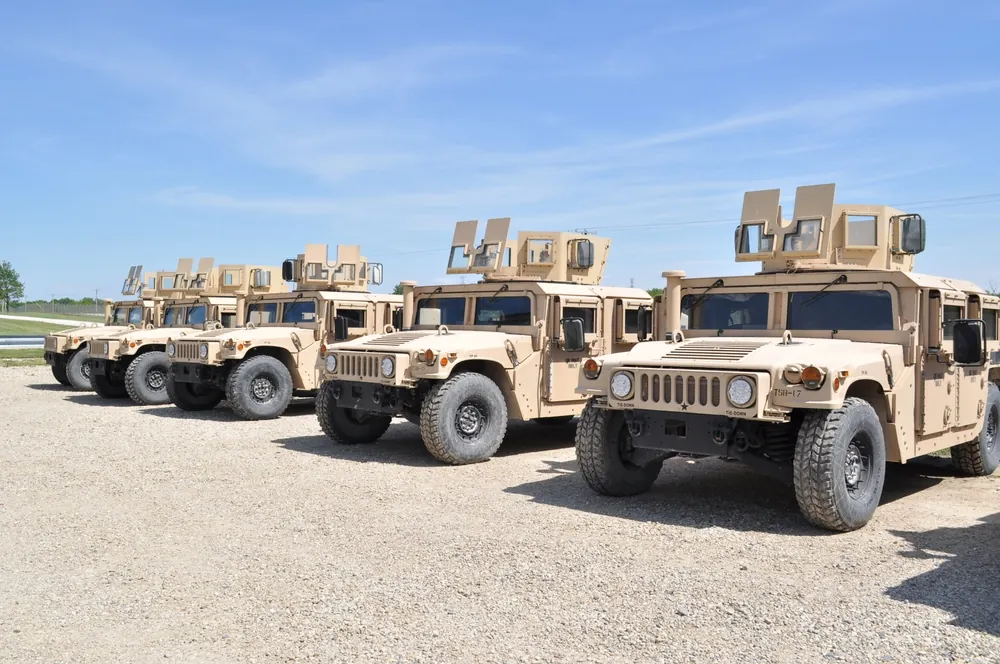
Today, modern militaries must consider precision, technology, and global reach. Using AI, the armed forces can forecast fuel needs, restock, and perform maintenance with near-perfect accuracy. These intelligent systems rely on automation to route supplies, optimize transport, and reduce human error. This is also mixed with advancements in vehicles, which have enabled us to keep more troops safe, as uncrewed vehicles and drones can drop off supplies without additional human risk.
No matter the era, soldiers must eat, sleep, and battle; to do so, they must have the proper support system of supplying and transporting, making logistics the very backbone of war, as it was and will come to be known. When it comes down to it, brains over brawn has been the leading reason for wins. From Rome to Normandy to modern conflicts, the side with the stronger supply chain wins.
Warfare requires precision planning and unified supply chain management. The ability to use and combine allied equipment, such as shared systems, standardized equipment, and coordinated transport, allows allied forces to operate as one and to innovate our own technology.
Today we have more visibility than ever before, with real-time GPS, satellite systems, and digital dashboards that allow commanders to see the exact location and status of every vehicle, pallet, and soldier. This supports instant decision-making, not post-planning if things go wrong.
What has changed over the years is that the scale of our armies has moved from thousands to millions of troops. This does not include the need for equipment, ammunition, and support care to sustain the war effort. Scale is only useful when we have the speed to make it worth the hit.
Marching 100s of miles in days is a thing of the past! We can achieve 100s of miles in hours, as rapid-deployment forces such as airlift and sealift allow militaries to mobilize instantly. Logistics in the military relies heavily on this rapid movement to ensure we stay on the winning side.
Logistics as a whole has evolved from handwritten records to AI‑powered, sensor‑driven, fully automated networks. This supports the complexity of war from every aspect, from drones to cyber defense, far beyond ancient needs.
Conclusion
Military logistics has always been the quiet force behind every campaign, but its evolution over the last century and a half has reshaped the very nature of warfare. What began as slow, vulnerable movement supported by animals and local foraging has become a global system capable of sustaining operations anywhere on the planet.
Each era pushed logistics forward, from ancient embedded support roles to industrial mass production, from the global supply chains of the World Wars to the digital and satellite‑driven networks of the Cold War. Today’s military depends on precision planning, automation, artificial intelligence, and real‑time visibility to keep troops supplied, protected, and ready.
Even with these advancements, the core truth remains unchanged. Armies still rely on food, movement, repair, and supply. The tools have changed, but the purpose has not. Logistics continues to determine who advances, who endures, and who wins.
Modern warfare demands speed, coordination, and unified support across every domain, and logistics is the system that makes it all possible. From ancient marches to global mobility, the strength of a military has always rested on its ability to move, sustain, and adapt.
In every era, the side with the stronger supply chain prevails.