
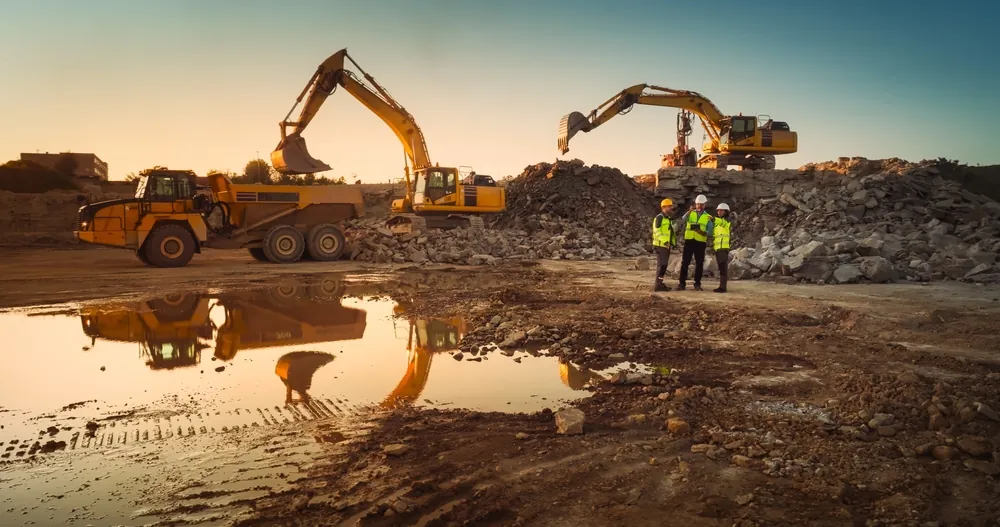
We all understand how slow a construction site can make your morning commute. The detours, road closures, and hundreds of cones peppering the pavement are frustrating for everyone involved. However, the public cannot blame every delay on the construction crews themselves. While road closures are inconvenient, the underlying reality is that originally set timelines are often completely abandoned. This is especially true in 2026, as the industry battles severe, widespread material shortages that stall progress long before the asphalt is even poured.
When project operations rely on reactive ordering, it forces everyone involved to make panic-driven decisions just to keep a site moving. Whether that means sourcing unverified parts or waiting out lead times that stretch into dozens of weeks, a single supply bottleneck throws off the entire project’s timeline.
In the world of logistics, this lack of foresight causes massive headaches. Last-minute material orders force project managers into rushed freight bookings with extremely limited carrier options. This drives up overhead costs because field teams have days, not weeks, to address a shortage. Reactive teams then become entirely dependent on expensive expedited shipments, driving project margins even further into the red.
Core Materials Facing Extreme Delays
As timelines get shorter and wait times increase, the construction materials supply chain is experiencing extreme volatility in availability. This is leading to prolonged construction delays and extended timelines, raising the overall cost of the job due to wait times, missed inspection deadlines, and labor costs.
This isn’t just one thing that’s short and awaiting a new shipment; it is several different materials affecting the entire construction process, slowing everything from underground utilities to roofing. Every aspect of the build is impacted.
Specific materials facing the tightest supply or extended lead times include:
- – Copper-Reliant Components: There is currently a severe shortage of copper, as demand rises with the surge in data center infrastructure, putting pressure on spot markets. These components include electrical panels and wiring.
- – Power and Industrial Equipment: As the demand for alternative power sources on sites increases, equipment such as generators is the first to be impacted. For large-scale power, for 1MW to 2MW generators, lead times sit between 75 and 120 weeks. Even standard hardware has been slowed by a lingering semiconductor chip shortage affecting engine sensors.
- – Steel and Structural: While raw steel is not entirely absent in the market, it has become heavily restricted. Due to tariffs and the inability to pivot instantly to meet this demand, resulting in massive lead times. Structural steel, pipes, and stubs face months-long lead times and a yearly cost increase of 10% to 45%.
- – Lumber and Engineered Wood: Lumber currently has the healthiest market on the list, but faces heavy regional demand and spot-market dynamics, making its price and availability volatile.
When nearly everything on a jobsite has a lead time of 2-16 weeks (minimum), planning around misdeliveries or delays becomes harder. As you’re having to operate reactively to these issues, this adds to long lead times and further frustration.

Why Traditional Timelines Are Failing
Only so much can be blamed on the construction team; they operate at the mercy of unpredictable timelines. From delays to inspections, they are always on their feet, acting reactively. This reactive method often contributes to long lead times, and it starts at the very beginning!
Materials are often ordered on a “just-in-time” schedule; what is forgotten is that it’s no longer as simple as ordering materials and having them the next day. If you order an electrical panel, that alone can take tens of weeks to complete, and the project is halted because no one planned for that lead time.
When job leaders don’t want to wait for the lead time, they will panic-buy components that are unvetted and usually come with massive markups. This degrades project margins; sometimes, with a single transaction, you’re now taking a loss on the project.
In other cases, the component may be unavailable, and for items needed, such as structural or HVAC units, a reactive team will now need to rework plans to incorporate readily available components. This leads to rushed engineering re-draws, field mistakes, and friction with local building inspectors.
That entity friction doesn’t end with local inspectors; it also extends to your subcontractors’ schedules. Each job requires a special sequence of trades to complete the build; when the plumbing or electrical materials are late due to planning oversight (not planning for lead times), subcontractors will walk off sites to work on other jobs, and getting them rescheduled to the site post-delivery is its own delay in the process.
When it comes together, it ripples through the site, impacting architects, contractors, and business owners depending on these sites to be completed.

How Mismanaged Freight Kills Margins
When operations rely on reactive ordering, it forces everyone involved to think fast and make it work, whether that’s unverified parts or lead times in 10s of weeks– it throws off the whole timeline.
In logistics, this misplanning causes its own headaches. Last-minute orders force rushed freight booking with limited carrier options. This increases cost, as sites have days to get things done, not always weeks, and reactive teams rely heavily on expedited shipments, driving margins even further down.
When materials aren’t properly scheduled, the unpredictability creates misaligned delivery windows that sometimes fall out of sequence with the plan, leaving crews idle until the materials arrive. In some cases, they may order it all separately to limit lead time; this is often done through LTL. Though generally safe, it requires many more touchpoints, which increase risk for damage (leading to more delays if materials are unusable).
What takes the heaviest impact is your margins; when you combine the cost of replacement or unvetted materials, idle labor, shipment fees, and long lead times, you have spent whatever profit there may have been. You also face ruining relationships with subcontractors, carriers, and day laborers.
You can avoid the headache, delays, and margin-busting by shifting your plan from “just in time” to “lead time first” planning. Meaning you base your timeline on lead time, not your project’s lead time. This eliminates the need to search for unavailable components and plan around them.
Book freight as soon as you know lead times; that way, once ready, it can be loaded and sent. The longer materials sit, the more you risk not only holding or detention costs but also damage. Replace last-minute booking with advanced planning and mode matching to ensure the safest, most efficient transport option (LTL, FTL, Expedited, Heavy Haul).
Order your critical equipment and components before trades are scheduled. Once all needed items and materials arrive, pre-stage them on-site to avoid jobsite delays, or in local yards/micro-hubs to avoid jobsite congestion.
Also consider when you will need your equipment! Not every company owns its own equipment, and when renting, it will incur daily fees regardless of whether the machine is in use. Utilize proactive ordering to stabilize crane timing, staging zones, and trade sequencing while coordinating with operators and subcontractors, so they know what to expect. Many will walk off job sites due to not being informed of timelines and being unable to spend time idle moving to other sites.
Through proactive planning, operations can eliminate misaligned delivery windows and stabilize project flows by scheduling freight and staging with trade teams and inspectors to maintain and improve timing and relationships.

Stabilizing Jobsites Through Advanced Planning
Construction is a much-needed industry, and unlike other industries, it’s consistently evolving into new areas of consideration. It’s time to evolve the current operation method by being proactive. Materials arrive in the correct sequence, preventing idle crew.
When your equipment is on-site on time, you lessen your risk of additional daily fees. Subcontractors stay on schedule because your materials have already been delivered and staged, so there’s no need to reschedule. You can book your inspections with confidence, knowing you’re on track.
This adds stability and leaves no one in the dark because you can clearly notify subcontractors when they are needed and know for certain that everything will be there. When relying on reactive planning, this often means reschedules, delays, and money, but simply considering lead times can negate that frustration.
Keep in mind that communication does not only work on the job site. When planning lead times, inform your carriers early so they can be ready, and verify that the mode of transportation is appropriate for your freight needs. You can only properly stage as long as your freight team knows when delivery needs to be, not when they assume it should be there.
By providing carriers with accurate site contacts, you can prevent missed deliveries and give your team a heads-up on when it will be in. As it’s said, communication is a two-way street that must always be moving.
No jobsite congestion, as everything arrives in order of need, trades are scheduled accordingly, and engineering teams avoid on-site rushed plan changes triggered by last-minute substitutions. While others struggle, project managers who believe time can’t be rushed are the ones who achieve a stable timeline driven by predictable freight flow.

Strategic Cost Control During Shortages
Margins are delicate, and even one wrench in the plan can deplete any chance at a profit after labor, rentals, materials- the list goes on. To protect that, it’s important to proactively plan around your margin.
Plan around realistic lead times and add a buffer for delays. This ensures it arrives on time, and you won’t need to rely on risky, unvetted components that are often overpriced.
When scheduling your freight, consolidate shipments whenever possible. This allows you to limit how many trucks to watch overall and reduces LTL touchpoints, reducing the risk of damage. By notifying your carriers of lead times, you can plan when it needs to be taken to the site and reduce the need for expedited freight by booking earlier and aligning freight with material readiness.
By staging, you can plan for trades to be on-site when needed, so labor is not idle between deliveries, reducing idle labor costs. This is tied to having your equipment needs planned out and how long you anticipate needing them, in order to avoid rental bleed.
In a shortage year, protecting your margins isn’t about cutting costs; it’s about planning early enough that the costs never hit you in the first place.
Conclusion
The construction industry is facing one of its most challenging years, and the shortages shaping 2026 are forcing every project to rethink how work gets done. Timelines are no longer controlled by the crew’s pace but by the availability of core materials and decisions made long before they reach the jobsite.
Reactive ordering has proven costly, stressful, and unsustainable, especially when every delay affects labor, rentals, inspections, and overall project flow. The path forward is rooted in proactive planning that accounts for real lead times, accurate freight scheduling, and clear communication with carriers and trades.
When materials arrive in sequence and equipment is staged with intention, projects regain stability and teams can work with confidence. Shortages may define the environment, but preparation defines the outcome. The operations that plan ahead will be the ones that stay on schedule, protect their margins, and keep building despite the bottlenecks.