
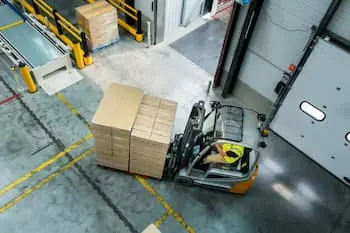
From origin to destination, pallets are one of the few things that touch your freight and stay in contact with it, because they’re the foundation of the shipment. Most shippers and freight packers miss that one bad pallet is a hidden cost that impacts not only your operations but also the relationships that depend on them.
Declining pallet-construction quality is creating major logistical weaknesses as more carriers and packagers rely on lightweight or heavily repaired pallets. They’re forgetting that a shipment is only as strong as the platform supporting it.
When shippers save money on packaging and pallet maintenance, they risk incurring costly claims, delays, and potential product loss. Freight damage often begins in the warehouse, not just on the road. To prevent more pallet problems on your end, reexamine your packaging procedures and make significant changes to protect both your freight and your bottom line.

Stability
You may be surprised, but there is no universal way to load a pallet; however, a standard pallet size is 48×40 inches (GMA). This means that shippers each follow their own blueprints, and identical products can be palletized differently from facility to facility.
When built poorly, pallets are more likely to shift during transit and handling. Shipment stability starts with center of gravity and load balance, and a weak pallet can turn a routine shipment into an emergency with one crack, shift, or compromise.
Common mistakes from compromised pallets include:
– Uneven Weight Distribution
– Product overhang
– Mixed freight stacking
– Improper banding
What seems like minor issues can add up to pallet or freight damage, and both can mean the difference between a happy customer and toppled loads, product loss, or freight claims, which impacts relationships, trust, and your operations’ margins.
Ensuring freight safety is a primary reason for having a stable pallet. However, if a pallet lacks integrity, it may lead to additional handling requirements. While this might seem like it just requires a few more people to help with loading, it can also trigger reclassification due to handling risks or complexity. These extra measures can add up quickly.
Reclassifications, accessorials, and handling charges and claims quickly add up and can outweigh any cost savings from cheaper pallets. When pallets are built from weaker woods or composite materials, they’re set up for failure before they’re even loaded. Every touchpoint stresses weaker materials, shortening lifecycles and increasing the chance of pallet failure during transfers, forklift movement, and trailer vibrations.

Stress Test
Pallets may appear stable on the warehouse floor, but movement, shuffling, and vibrations put them through stresses neither shippers nor carriers see. Between pickup and delivery, all those stresses and more accumulate to test the pallet’s load balance and overall integrity.
This highlights the packaging challenges of LTL shipping, where freight can be loaded, unloaded, and transferred between trucks and terminals multiple times before it reaches its destination. Where a pallet seems strong at origin, a few stops, shuffles, and touches will quickly expose where the hidden weaknesses are.
Transfer vehicles and equipment like forklifts can further amplify or create pallet damage. When cracked boards and weak stringers team up with poor weight distribution and excessive product overhang, the damage may not be noticeable during loading. Still, it can appear once freight has been lifted, stacked, or moved throughout the shipment process.
One compromised pallet can mean a whole truckload of freight loss, as pallet failures can damage the freight on top of them. It can also affect nearby loads, leading to additional liability disputes, delays, and claims for everyone involved. What began as a minor packaging decision can quickly turn into costly disputes.
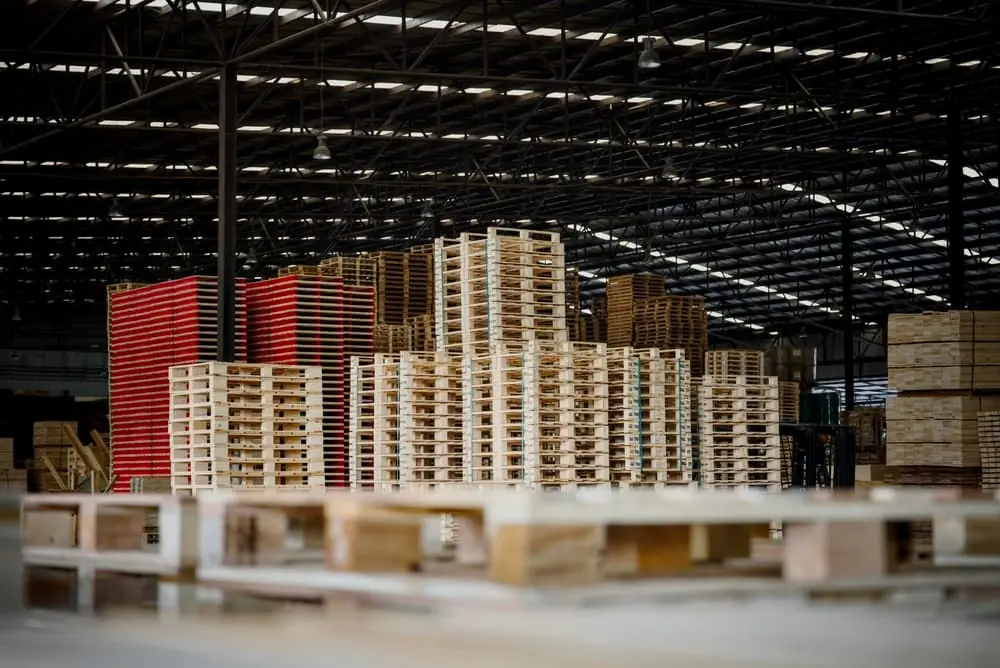
Secure
Before loading, it is best practice to conduct a thorough physical inspection to confirm the platform’s structural integrity before using it for a shipment. This can be done through 5 simple steps.
1. Verify Board and Stringer Integrity: Examine the top and bottom deck boards for missing boards, cracks, or splintering. Next, inspect the load-bearing support beams (stringers) to ensure they are undamaged and free of dense knotting, which can compromise load-bearing strength.
2. Evaluate Fasteners and Hardware: All nail heads, staples, or metal hardware capable of damaging cargo through scratching or puncturing must be removed, driven flush, and securely locked in the wood.
3. Deck Coverage and Board Spacing: On the perfect pallet, the average spacing between the deck boards (top and bottom) is 3-4 inches. This allows for proper support for the bottoms of boxes, tubes, drums, and more. Additionally, the board thickness must meet or exceed the specified weight rating for the planned load. Lightweight display pallets should never be used in place of standard or heavy-duty shipments.
4. Cleanliness and Contamination Risk: The pallet should be free of oil spills, chemical residue, grease, and standing moisture, and should be closely checked for signs of mold, rot, and insect infestation. This also includes checking for chemical smells or odors that could be transferred to other freight such as food items. Damp or chemically compromised pallets are strictly prohibited, especially when handling consumer packaged goods, food, and pharmaceuticals.
5. Weight Capacity and Footprint Alignment: Staff must confirm that the pallet’s rated load capacity comfortably exceeds the weight of the stacked freight. This also means loaded freight must fit exactly within the pallet’s allotted space, with absolutely no overhang.
Implementing strict receiving inspections will also serve as the first line of defense. Warehouse teams must inspect all incoming empty pallets before placing them into dock inventory, so sub-par or compromised units are removed at the door, not at the next claim.
To maintain continuous inventory control, facilities can implement color-coded repair and retirement systems. This would let staff use visual markers (red tags for scrap, yellow for repairs, and green for load ready) to identify safe pallets and keep compromised pallets out of the loading area.
This also includes new training for operators and warehouse teams on proper load stabilization techniques, including how to consistently secure stretch wrap and other packaging materials on the pallet and how to effectively lock the bottom layer of cargo to the platform structure to prevent shifting in transit.

Conclusion
Strong pallet standards are more than just best practice; they are a freight cost-control strategy. By focusing on pallet weight, integrity, and consistent, well-defined procedures, shippers can minimize risks that lead to claims and reclass fees and ensure all freight arrives on time and in perfect condition.
A strong pallet isn’t designed to survive the loading dock simply, but to survive the entire journey, no matter the bump, shuffle, or glide. At its core, pallet integrity is about consistency. A well-built pallet protects freight, reduces claims, minimizes handling costs, and supports stronger customer relationships. While pallets may seem insignificant compared to trucks and trailers, they remain the foundation of every shipment and one of the most important investments in freight reliability.