
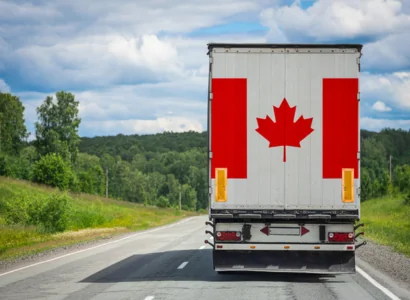
Canada Freight Shipping Rates
Review cross-border LTL options and get help preparing your shipment before you book.
FreightCenter lets you enter shipment details, compare available rates, book online, or speak with a freight expert.
Plan the Rest of Your Cross-Border Shipment
LTL Freight Shipping Truckload Freight Services Customs Brokerage and Freight Clearance International Freight Shipping Services


Canada Freight Shipping through FreightCenter helps you compare transportation options for shipments moving from the U.S. to Canada or from Canada to the U.S. Enter the pickup and delivery locations, packaged dimensions, weight, and service needs to review available rates. You can book the current shipment and return to the same platform when another cross-border order is ready.





Thousands of businesses trust FreightCenter to move their freight faster, smarter, and cheaper! From unbeatable rates to top-notch service, our customers are raving about their shipping success.
See why they keep coming back!
Award-Winning Service, Trusted by Shippers Everywhere!
- 2021, 2017 & 2016 Food Logistics’ Top Green Providers
- 2021 & 2018 Supply & Demand Chain Executives’ Pros to Know: Matthew Brosious
- 2020 & 2019 Top Food Logistics’ 3PL & Cold Storage Provider Award
- 2020 & 2019 Business Observer’s Top 500 Companies on the Gulf Coast
- 2020 & 2017 SmartWay® Transport Partner
- 2020 & 2017 Food Logistics’ Champions: Rock Stars of the Supply Chain
- 2020 Best of Palm Harbor Awards for Local Businesses
- 2017 Green Supply Chain Award from Supply & Demand Chain Executive
- 2017 Tampa Bay Business Journal Heroes at Work
- 2016, 2015, & 2012 Food Logistics Top 100 Software and Technology Providers
- 2013 Tampa Bay Business 100 by Tampa Bay Business Journal
- 2013 Top 100 Great Supply Chain Partners by SupplyChainBrain
- 2012 TIA Samaritan Award Honorable Mention
- 2012, 2011 & 2010 TBBJ Fast 50 Recipient
- 2013, 2011, & 2010 Diversity Business Top Businesses

Why Book Canada Freight Shipping With FreightCenter?
Shipping across the U.S.-Canada border requires accurate freight details, the right transportation service, and a customs plan. FreightCenter brings quoting, rate comparison, booking, and expert support together so you can address those needs before your freight is picked up.
Benefits:
- Compare available rate options: Review LTL or truckload choices based on your route, shipment size, and service requirements before booking.
- Prepare for border requirements: Identify the shipment information and customs coordination that need to be completed before pickup.
- Get help choosing a service: Speak with a freight professional when you’re unsure whether LTL, truckload, or another option fits the shipment.
- Make repeat bookings more consistent: Keep your cross-border shipping activity organized through one FreightCenter account.
- Earn rewards on eligible LTL shipments: Enrolled customers can earn FreightCenter Shipping Rewards points on qualifying, completed LTL bookings.
How Canada Freight Shipping Works
Canada freight service can cover shipments moving northbound from the United States, southbound from Canada, or between Canadian locations. FreightCenter uses the information you provide to present available transportation options for the shipment.
A typical cross-border booking process includes:
- Entering the origin and destination
- Providing the shipment’s packaged dimensions and weight
- Describing what you’re shipping
- Selecting required pickup or delivery services
- Comparing available rate and service options
- Confirming the customs broker and documentation plan
- Booking the selected service
The transportation booking and customs-clearance process are related, but they are not the same task. Both need to be addressed before the shipment moves.
Start With the Final Packaged Shipment
Measure and weigh the freight after it has been palletized, crated, boxed, or otherwise prepared for pickup. Carriers use the final shipping unit rather than the dimensions of the unpackaged product.
Gather these details before requesting a quote:
- Pickup and delivery cities, states, provinces, ZIP codes, or postal codes
- Number of pallets, crates, or other shipping units
- Length, width, and height of each prepared unit
- Total shipment weight
- Clear commodity description
- Pickup and delivery contact information
- Requested pickup date
- Loading dock, forklift, or liftgate needs
- Limited-access, residential, or appointment requirements
- Customs broker information, when applicable
Accurate information helps you compare options based on the shipment the carrier will actually handle.
Choose LTL When the Shipment Doesn’t Need a Full Trailer
LTL is commonly used for smaller palletized shipments that can share trailer space with freight from other businesses. It can be a practical choice for retail inventory, replacement parts, wholesale goods, manufacturing materials, or recurring replenishment orders moving between the U.S. and Canada.
Because LTL freight may pass through multiple terminals, each pallet or crate should be prepared for handling during transit. Enter every required accessorial service during the quote so the options you compare reflect the actual pickup and delivery conditions.
Consider Truckload for Larger or More Sensitive Shipments
Truckload service gives one shipper dedicated trailer space. It may fit larger orders, high-volume inventory, heavy equipment, or freight that would benefit from fewer transfers between pickup and delivery.
The best choice isn’t based on weight alone. Pallet count, trailer space, handling concerns, equipment needs, route, and delivery schedule can all affect whether LTL or truckload makes more sense.
Confirm Customs Responsibilities Before Pickup
Cross-border freight generally requires more paperwork than a domestic shipment. Cross-border freight generally requires more paperwork than a domestic shipment. Review the Canada Border Services Agency’s commercial importing requirements for Canada before arranging a northbound shipment. Depending on the goods and direction of travel, documents may include a bill of lading, commercial or customs invoice, packing list, and origin information. The exact requirements depend on the shipment and applicable customs rules.
FreightCenter is not a customs broker and does not perform customs clearance directly. FreightCenter can help organize brokerage support or work with the customs broker you select. Contact the broker before pickup so missing information can be addressed before the driver arrives.
Include the Right Pickup and Delivery Services
A low transportation rate may not remain useful when the quote leaves out services the locations require. Tell FreightCenter when either end of the shipment involves:
- No loading dock or forklift
- Liftgate service
- Residential pickup or delivery
- Limited-access property
- Inside pickup or delivery
- Scheduled delivery appointment
- Special equipment or handling
Providing these details early helps narrow the comparison to services that can handle the actual location.
Use One Process for Recurring Canada Shipments
Manufacturers, online sellers, wholesalers, suppliers, and retailers may ship across the border repeatedly. Keeping product descriptions, packaged measurements, location requirements, and broker contacts organized can reduce the amount of information your team has to rebuild for every order.
A FreightCenter account gives repeat shippers one place to return for future quotes and bookings. This creates a more consistent process even when the lane, shipment size, or selected service changes.
The right cross-border service depends on how much you’re shipping, how it’s packaged, and what must happen before it clears the border. Explore these related FreightCenter services before selecting your option.
Compare LTL rates for palletized business shipments that share trailer space with other freight.
Review dedicated trailer options for large shipments, high pallet counts, or freight needing fewer handling points.
Learn how customs brokers support document filing, duties, taxes, and shipment clearance.
Explore air and ocean options for shipments connecting Canada with markets outside North America.
 Guaranteed competitive pricing every time you ship.
What Affects Canada Freight Shipping Rates?
What Determines the Cost of Canada Freight Shipping?
Canada freight shipping rates are based on the details of your shipment and the transportation services required. Providing accurate shipment information helps you compare available options and receive a quote that matches your freight needs.
Important factors that can affect your Canada freight shipping quote include:
- Shipment dimensions: The length, width, and height of your freight help determine how much space is required and what transportation options may be available.
- Shipment weight: The total weight of your shipment can influence available service options and transportation requirements.
- Origin and destination: Pickup and delivery locations, including cities, provinces, and border crossing requirements, can affect available shipping solutions.
- Freight classification: Freight class may impact pricing for applicable LTL shipments and depends on the characteristics of the freight.
- Shipping method: LTL, truckload, intermodal, ocean, or air freight services may have different requirements based on your shipment.
- Customs requirements: Cross-border shipments may require additional documentation and coordination depending on the freight being shipped.
- Pickup and delivery requirements: Residential locations, limited-access locations, appointments, and special handling needs can influence the services required.
- Shipment timing: Delivery expectations and scheduling needs may affect which transportation options are available.
- Shipping frequency: Businesses that regularly ship freight to or from Canada may benefit from creating a consistent quoting and booking process.
- Equipment requirements: Certain shipments may require specific equipment or handling based on freight size, weight, or characteristics.
Get a Canada freight shipping quote from FreightCenter and compare available options for your next cross-border shipment.
Frequently Asked Questions About Canada Freight Shipping
Q. What is Canada freight shipping?
Canada freight shipping is the transportation of commercial freight to, from, or within Canada. Businesses use these services to move products, materials, equipment, and other shipments through truck, rail, ocean, or air transportation.
Q. How do I get a Canada freight shipping quote?
You can get a Canada freight shipping quote by providing shipment details such as pickup and delivery locations, dimensions, weight, freight type, and any special requirements. FreightCenter uses these details to help compare available shipping options.
Q. What information is needed to ship freight to Canada?
You need shipment details, pickup and delivery information, freight dimensions, weight, commodity details, and applicable customs documentation. Having accurate information ready can make the quoting and booking process easier.
Q. Can FreightCenter help with cross-border freight shipping?
Yes, FreightCenter helps businesses compare cross-border freight shipping options and plan shipments moving between the United States and Canada. Customers can review available transportation services and receive support throughout the process.
Q. What types of Canada freight shipping services are available?
Canada freight shipping options may include LTL freight, truckload shipping, intermodal transportation, ocean freight, and air freight. The best option depends on your shipment size, destination, timing, and handling requirements.
Q. Can I ship LTL freight to Canada?
Yes, LTL freight shipping can be used for smaller palletized shipments that do not require a full trailer. FreightCenter helps businesses compare LTL options based on their shipment details.
Q. Is truckload shipping available for Canada shipments?
Yes, truckload shipping can be used for larger shipments requiring dedicated trailer space or partial truckload transportation. FreightCenter helps customers review available truckload options.
Q. How much does Canada freight shipping cost?
Canada freight shipping costs vary based on factors such as shipment size, weight, locations, service type, and additional requirements. Requesting a quote with accurate shipment details provides a clearer view of available options.
Q. Do I need customs documents to ship freight to Canada?
Yes, cross-border shipments typically require customs documentation before they can move between countries. Required documents depend on the shipment and applicable import or export requirements.
Q. Can businesses create an account for repeat Canada freight shipments?
Yes, businesses that regularly ship freight can create a FreightCenter account to help manage future shipping activity and return for additional quotes.
Q. Can FreightCenter help me choose the right Canada freight service?
Yes, FreightCenter helps businesses compare transportation options and provides access to freight experts who can assist with shipping decisions.
Q. Are there restrictions on what I can ship into Canada?
Yes, some items (food, plants, chemicals, wildlife, firearms) need permits or special certifications. Also, Canada has rules on wood packaging, electronics, health/safety rules, etc.
3 Things You Probably Didn’t Know About Canada Freight Shipping
Cross-Border Freight Requires More Than Transportation
SERP-Style Summary: Shipping freight between the U.S. and Canada involves transportation planning, documentation, and coordination beyond simply moving goods from one location to another.

The Right Shipping Service Depends on Your Freight Details
Shipment size, weight, destination, and handling requirements all influence which Canada freight shipping option may fit your business needs.

Businesses Can Simplify Repeat Canada Shipments
Companies that regularly ship across the border can benefit from creating a consistent process for quoting, booking, and managing future freight needs.