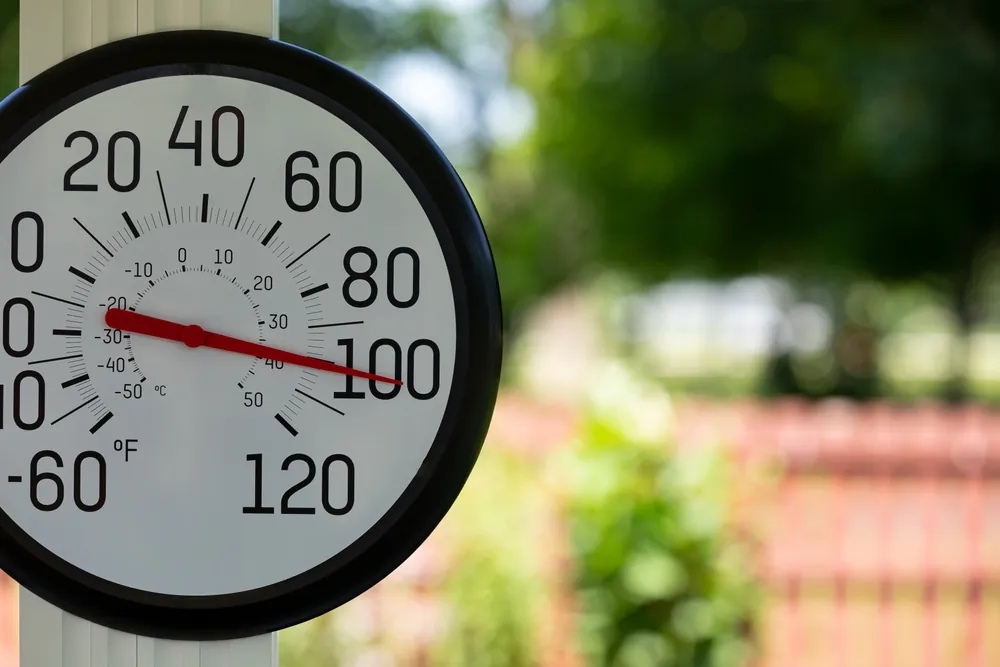
For most of the country, April to May tends to be the months when spring really kicks into full force. Flowers bloom, animals return, and temperatures rise. Before you know it, sweater weather turns into tank top and shorts season, and summer makes its way in with increasingly intense heat. So intense that conditions outdoors can become unbearable.
With the hottest summer records being reached in 2021 for the contiguous U.S. and broken in 2024 for the world, concerns for heat-related illnesses and obstacles have become more pressing issues. That’s why many industries plan and prepare for the seasonal conditions ahead, including the freight industry. While it’s impossible to fully prevent the heat in some situations, taking steps to mitigate its effects can help keep operations going smoothly. By understanding your risks and strategizing for the future, you can put yourself in a better position once summer rolls around.
Equipment Failure and Spoilage
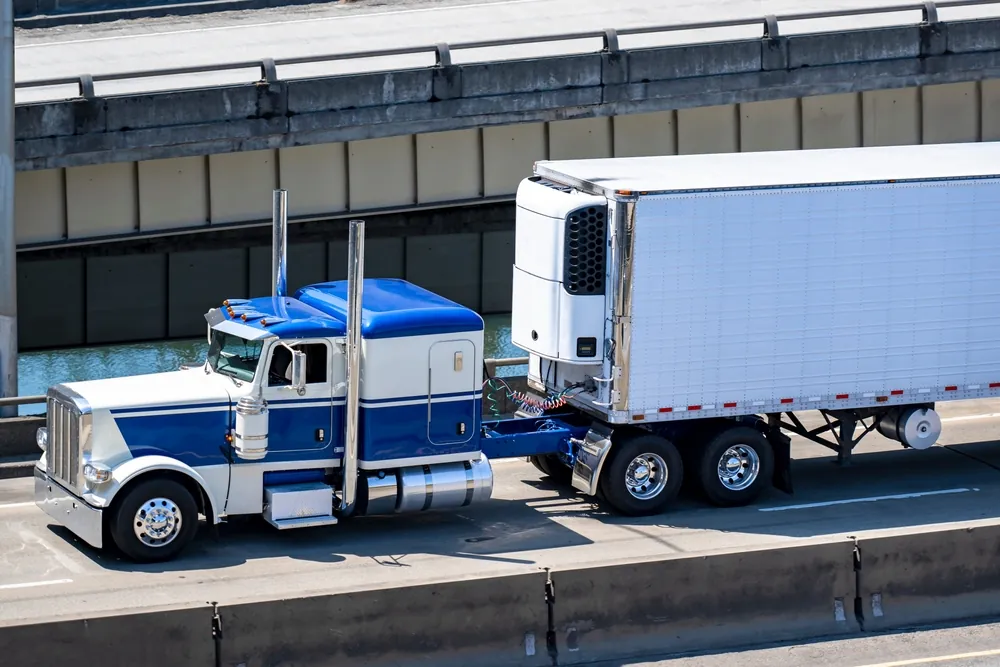
For freight shipping, one of the most obvious concerns for heat is the goods and the truck itself. A standard dry van only protects a shipment from outdoor conditions like rain or wind. However, the inside of a dry van can go well past 100°F and be affected by humidity and condensation. Obviously, goods like frozen foods and medications are already transported using refrigerated trucks. However, those services expand to other goods that may usually ship in dry vans, like soda, makeup, wax products, and more.
Another issue is the truck itself. Now trucks themselves can withstand the high temperature, but higher temperatures do cause parts of the truck to degrade faster. Take tires, for example. Even in milder temperatures, asphalt can go beyond 120°F in direct sunlight, but when we’re talking summer heats, it can jump past the 150s! This is due to the nature of asphalt being more easily able to absorb radiation and retain the heat. Thus, the excess heat on the road degrades tire rubber faster, needing tires to be checked and replaced more often.
Another part is the engine. When running, engines on their own tend to get really hot, which is why they are built with a circulating cooling system to protect them. Without this protection, components of the engine, like heads or gaskets, can warp or break. Normally, the system functions well and keeps the truck running smoothly and steadily. However, during the summer time, the coolant has a harder time cooling down in a much warmer environment, thus the engine is more susceptible to overheating.
Disrupted Infrastructure and Reduced Labor
This overheating issue doesn’t just stay with trucks and their cargo, but expands everywhere! From the people who haul the goods to the infrastructure that allows for shipments to be transported. This issue affects everything and everyone and the consequences can not be ignored or avoided.
Just like how trucks are affected by higher temperatures, so too is the surrounding infrastructure. Roads, for example, are typically designed to withstand direct sunlight because they are exposed all day. However, different locales have different asphalt recipes that cater to a region’s climate, and due to rising temperatures, some of these roads are more susceptible to wear and tear. The heat can also make these roads softer, leading heavy trucks and vehicles to warp the road and leave ruts and cracks in the road.
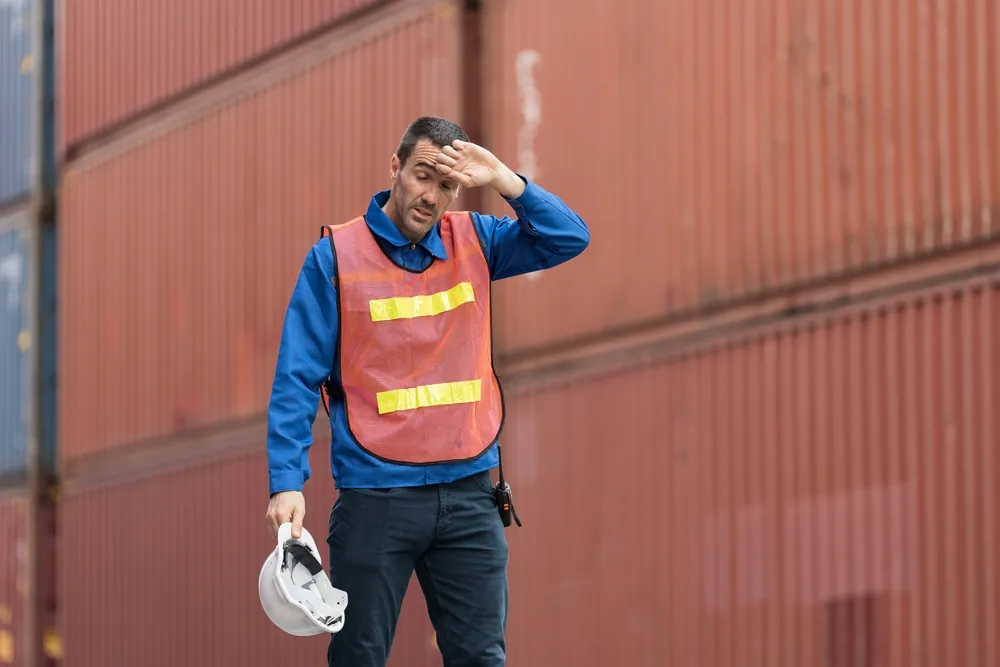
These higher temperatures can also affect other things, such as warping train rails, buckling bridges, or reducing electricity output so that lines don’t sag and cause fires. The higher heat affects many aspects of infrastructure, but it also impacts human health. As mentioned earlier, outdoor temperatures are unavoidable in certain areas such as construction sites, shipping ports, airport tarmacs, and the inside of uncooled trailers and shipping containers.
Being constantly subjected to high heat can cause fatigue, major illness, injury, or even worse. It’s even recorded that around 28,000 injuries are linked to hot weather each year, and researchers consider this an undercount since many don’t report these injuries. It’s why preparing for hot weather is incredibly important, and the sooner you prepare, the better you are at protecting your supply chain.

Mitigate to Save Your Bottom Line
With all of these obstacles in play, time and money take a hard hit. Higher temperatures often cause fleets to need repairs more often, which means more breaks are required for those working outdoors. This can all eat away at costs faster and hurt your ability to earn back those losses. But with preparation and upkeep, high temperatures can be more manageable and less of a headache.
For shipping itself, ensure that the right service is being given. Some freight may be fine in dry vans in the fall or winter, but later spring and summer time may be too hot for your shipment to handle. Thus, utilizing temperature-controlled services, such as refrigerated trailers or reefers, may be needed more during these warmer months. Precooling your reefer is also important to do, as when you’re transporting goods from one location to the reefer, you don’t want it to melt or thaw in a lukewarm trailer and get ruined.
Scheduling trucks to drive during cooler times of the day as much as possible also helps. Keeping your equipment away from hot roads reduces deterioration and will help reduce the need for repairs. It’s also good to keep up with truck maintenance, as an unmaintained truck out in the blazing heat will need repairs more often. Keeping up practices like changing the oil regularly and maintaining tire pressure helps keep your vehicle stable and sturdier for the day ahead.
It’s also important for workers to stay as cool as possible and take breaks. This means ensuring the workplace is properly temperature-controlled and ensuring that water stations are available for rest. For outdoor work, it means taking necessary breaks, having shady areas so that people stay cool and shipped goods don’t get ruined, and knowing about heat-related illnesses, their signs, and how to mitigate them from happening.
Heat is a truly difficult variable to deal with. It takes a lot of preparation, time, scheduling, and resources to deal with. It’s not a short-term event that just comes and goes, but rather a long-term condition that lasts for months. That’s why taking the necessary precautions is so important. By planning for the heat ahead and keeping your crew safe and healthy, you help ensure that your Summer doesn’t become a bummer.