
An Introduction to The Climate Forces Reshaping Freight in 2026
Seasons change, and life goes on, but beyond the melting of snow, are you keeping in mind the changing climate? Extreme weather is no longer an occasional disruption; it’s become a year-round issue that, if you’re not ready for it, can disrupt all areas of operations!
We aren’t just seeing “bad weather”; we are seeing “compound events.” Weather has always been a powerful force capable of destroying any man-made structure we rely on. Given the unpredictable weather, proactive planning against the climate forces reshaping freight in 2026 is essential.
Proactive planning is the first step in ensuring that, whether it’s heat or a wave, your operation will withstand the blow. Shippers and receivers alike must plan for volatility across ports, highways, rails, and the last mile. Disruptions no longer affect a localized area; they now trigger a ripple effect.

Heatwave Impacts
It’s hot, humid, and everyone is angry! That’s right, it’s summer, and it’s important to remember: If you’re hot, they’re hot. Bring them inside! We all know the saying to not forget your important items in the car, but what about your shipment? Heatwaves have become one of the most underestimated disrupters in logistics.
Without a dramatic show, but just as heavy an impact. Heat can cause issues not only for the shipment but also for the journey itself, especially on modern roads made of materials such as asphalt. When this is exposed to prolonged heat, the material weakens, forcing local officials to slow traffic on major highways or, in worst cases, completely shut down the lane.
This leads to roadblocks that add to the delivery time. With rising temperatures, many companies will implement additional mandatory breaks, hydration stops, and smaller driving windows. This isn’t to punish drivers, but to ensure their safety.
Now, if you need a break, what about the trucks? Vehicles also feel the strain; reefers, which handle temperature-controlled freight, become more vulnerable as they work harder to reach and maintain their cooling. This increases fuel usage and risks mechanical failures.
From trucks to trains, no matter the mode of transportation, they all have an aspect that depends on steel. Like many things in the heat, steel will warp. When warping steel meets logistics, infrastructure-dependent modes such as rail face additional safety measures to prevent derailment, including operating at lower speeds and additional checks, which can leave tracks out of service.
Hurricane Disruptions
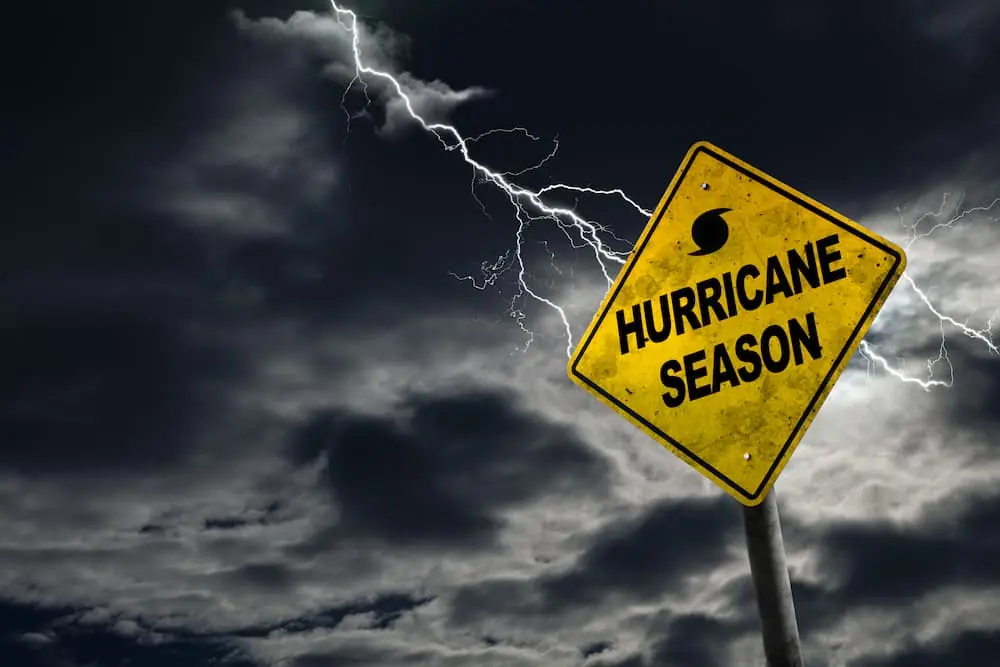
Who’s the drama? Hurricanes! The driving force of summer, hurricanes, remains one of the most dramatic climate threats. The danger? It’s not the storm itself, but the speed at which it intensifies and the scale of its ripple across the freight network.
When storms blow through, every aspect feels the tension. Having to deal with high winds that blow debris around, damaging property and shipments, and then to be followed by a storm surge that will bring several feet of water onto the shore. These surges cause closures at ports and roadways; these can halt crane operations, delay vessel schedules, and create a huge backlog.
Key roadways in Florida, the Carolinas, and the Gulf have become impassable, forcing freight to take inland routes that are often longer and more congested. With storms’ intensity being unstable and able to jump from a category 1 to a category 4 in a matter of hours, this gives shippers minimal time to reposition or even secure freight.
You may think, how would this impact me? Keep in mind that many ports, including key supply chain deliveries, are located on the East/Gulf Coasts. When disrupted by major weather impacts, deliveries could be damaged or delayed; major infrastructure destroyed; or even lives lost. All of which will affect how your freight is handled when relying on these areas.
Heat Meets Hurricanes
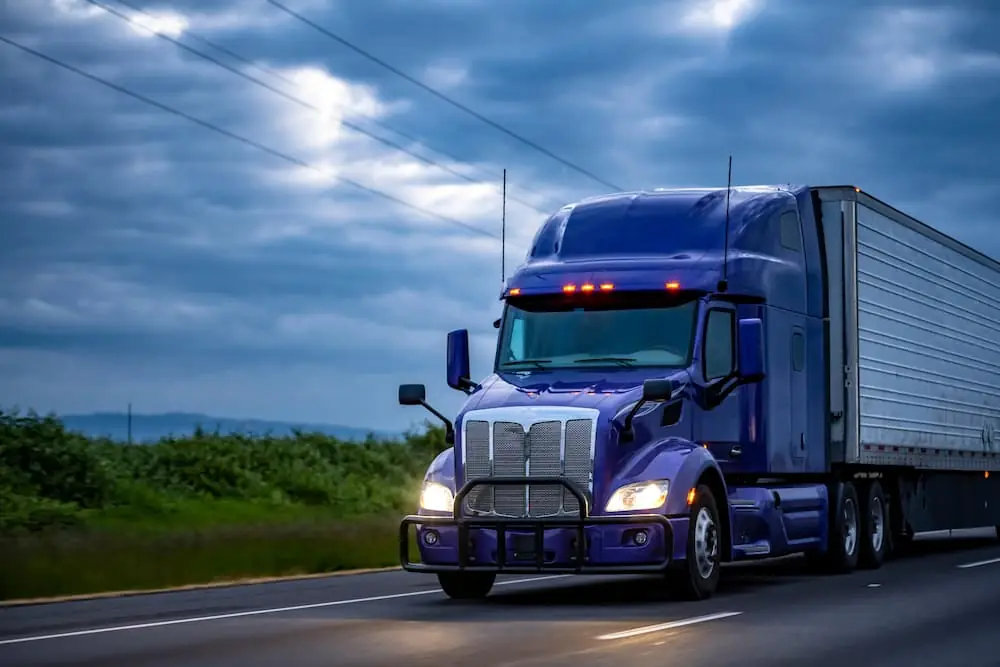
When we discuss heat and storms, many think they are two entirely different weather events; however, these weather phenomena go hand in hand. Meteorologically and logistically, when heat builds and weakens infrastructure, now follow that up with a hurricane: it’s the gust of wind to a deck of cards.
The season for intense heat overlaps with the hurricane season, leading to reroutes to other regions and potentially prolonged delivery times or shortages. While both events strain capacity, fuel availability, and driver hours, it is important to be proactive in planning when the road throws a nail in the tire.
Often, a hurricane follows a heatwave, as heat intensifies storms. The heat wave causes asphalt to soften, steel to expand, and bridges to strain. When the hurricane comes, roads will buckle and fracture faster, rail lines will require shutdowns, and stormwater will overwhelm already-stressed drainage systems.
Networks weakened by heat are already at risk of being compromised. When a storm arrives, they become far more vulnerable to major operational disruptions.
Local logistics networks also face issues such as energy strain, where high heat causes record-breaking power demand. Should a hurricane hit an already weakened energy grid, then efforts to restore it will often be doubled. That mixed with the “sweat” factor, where when cargo moved from one climate to another, the internal condensation from the change can damage and ruin products or packaging, causing costly damage.
Even when rerouted to avoid areas out of the danger zone, there will still be additional issues to consider. Although these areas are not facing the same issues, they will still need to prepare for different traveling needs.
For example, if there is a hurricane in the south, freight may be pushed west, where they will now have to handle a more heat-stressed environment (plus the additional cost of fuel and drive time).
Heatwaves and hurricanes hit the same operational pressure points:
– Capacity: Carriers reposition equipment before storms and reduce hours during heat.
– Fuel: Hurricanes disrupt supply; heatwaves increase consumption.
– Drivers: Road safety rules tighten in both extreme heat and severe weather.
The result is a double‑hit to the same fragile resources. Both events require shippers and receivers to build and prepare flexible, climate-adaptive routing strategies. The new reality of climate change is that, while disruptions may be more frequent and intense, they don’t have to be.

Winter Weather Risks
While we focus on heat and water, we need to remember the other side of the coin: cold and ice. These winter extremes combine the worst of heatwaves and the devastation of a hurricane.
Deep freezes can cause multistate trucking corridors to be closed, widespread power outages, and thousands of flight cancellations. While heatwaves and hurricanes dominate the headlines, extreme winters remain a disruptive force in the U.S. Between arctic blasts and rapid freeze-thaw cycles, freight is seeing holdups that can last hours to days if temperatures remain too low.
Black ice causes accidents and road closures. Lowering temperatures strains the grid, leading to major outages. Warehouse operations may be halted by issues such as frozen loading docks, unpluggable reefer trailers, inoperable forklifts, and a faulty conveyor system, leading to delays in inventory processing and scheduling. A single outage can cascade into multi‑day fulfillment delays, especially for temperature‑sensitive goods.
Plunging temperatures make passes through the Midwest, Northeast, and the Plains impassable. Combined with DOT’s likelihood of enforcing speed restrictions or full-area shutdowns, this not only increases freight delays but also adds costs to shipments.
Winter extremes matter in a heat-dominated conversation because winter volatility shows the full spectrum of climate disruptions. Heatwaves strain southern infrastructure, hurricanes disrupt both coastal and inland networks, and arctic blasts freeze northern and central areas. Together, they cultivate a year-round climate risk that must be factored into the planning of all logistics players, from ocean to air.
Weather and Transport
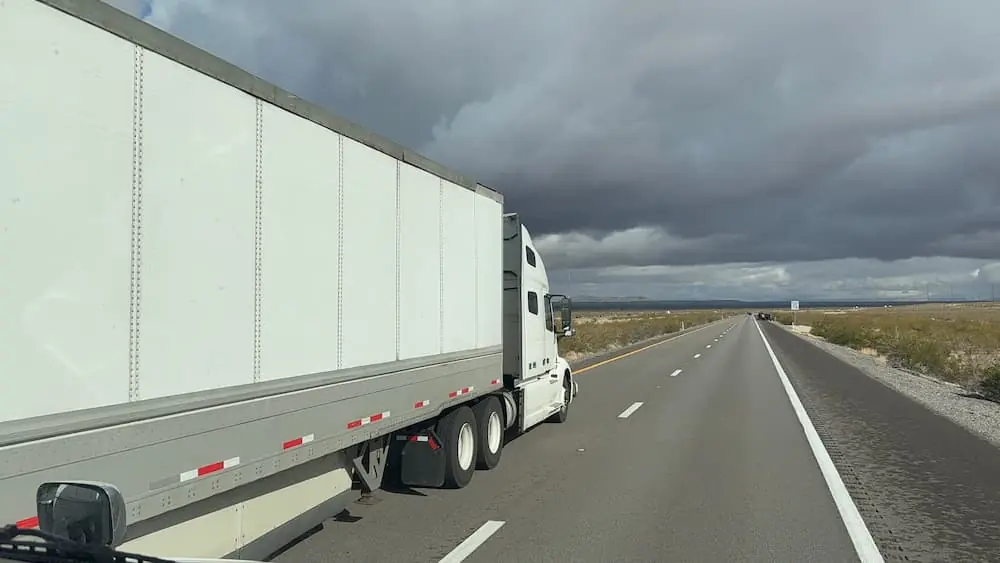
Infrastructure, such as roads and railways, takes the brunt of climate change. Highways bear the brunt of many climate extremes, and the impacts have become increasingly frequent and severe each year. Climate events stress roadways, with events like flooding, wildfires, and heat damage leading to rolling closures.
Flash floods wash out low-lying highways and overwhelm drainage systems. Wildfire smoke reduces visibility, leading to unsafe driving conditions, forcing the DOT to close long stretches of roadway with little warning. Prolonged exposure to heat softens the pavement, leading to buckling.
Roadways aren’t the only pathways affected; droughts from heatwaves can lead to canal restrictions. In areas such as Panama and Mississippi, low water levels reduce vessel capacity, limit transit slots, and force ships to reroute along longer coastal routes. These delays are pushed into the US and inland networks, which may not be fully prepared to accommodate additional freight.
While these canals are out of reach due to water levels, ports may force vessels to divert to alternate terminals during severe storms, creating congestion, chassis shortages, and inland rail delays.
Highway stress, and global freight modes don’t just operate in different buildings, they build together. When water isn’t an option, we flood the highways with the shipments to absorb the surge. When canals restrict capacity, more freight shifts to the highways. When storms shut down coastal hubs, those strains are forced onto land. These shipment shockwaves lead to additional highway stress and congestion, resulting in more rolling closures.
Rolling closures due to weather conditions don’t just slow freight; they also redirect entire supply chains. Increased congestion and unpredictable transit times dont just happen in the local area either; they ripple across regional and national networks. Research shows that climate extremes necessitate a shift toward more resilient, adaptive routing to ensure the stability of global trade.
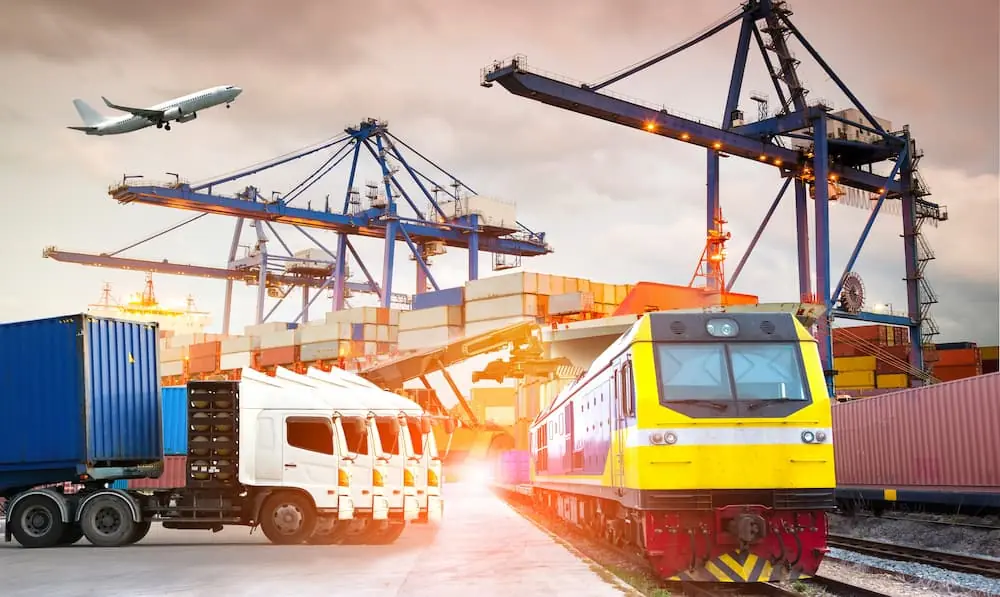
Here’s a glance at the impact severe weather has on different modes of transportation (and their recovery windows):
Truckload: Pavement buckling, wildfire‑related closures, hurricane‑driven detours, diesel gelling in winter (24 – 72 Hours)
LTL: Terminal shutdowns, missed linehaul connections, network bottlenecks, weather‑triggered embargoes (24 – 72 Hours)
Rail: Heat‑related slow orders, track warping, storm‑related outages, frozen switches (2 – 5 Days)
Air: Mass cancellations, runway closures, cargo backlogs, weather‑grounded feeder flights (12 – 24 Hours)
Ocean: Port shutdowns, vessel diversions, chassis shortages, reduced canal capacity (7 – 14 Days)
How Can Shippers Prepare for Climate Forces
When it comes to bad weather, you don’t have to suffer. In 2026, with proactive planning and a long-term strategy, you will be able to take immediate action to prevent shipments from being halted.
They say, to know what to expect from bad weather, you must think like bad weather! All jokes aside, the first step is to build climate-adaptive routing. Pre-plan for alternative routes, carriers, and modes in case a disaster strikes.
This is identifying other routes that are out of danger that can accommodate your load in an emergency; this could be another mode, such as going from ocean to inland.
This is also about carriers that operate on flexible networks and can pivot during major events. Static routing guides break down fast when storms or heatwaves hit. Adaptive routing keeps freight moving.
In 2026, we are seeing major advancements in technology and warning systems. Stay ahead of the wave and implement early warning systems. By using weather-integrated tracking tools or relying on predictive ETAs that factor in climate risk, having alerts can be the difference between an operation life raft and being washed out with the drain water. Early warning = early action. (When the weather intensifies, minutes matter).
When the weather gets wild, it doesn’t play fairly. Car, plane, or train, it’ll stop you anywhere. That’s why it is important to keep a variety of carriers and modes of transport.
Avoid over-reliance on a single lane, region, or provider by diversifying your supply chain network. Try to add in other options, such as intermodal options, when highways are vulnerable. Diversification spreads risk when climate events start to put pressure on capacity, fuel, and driver hours.
Build in buffers! As we know, when time is of the essence, every minute counts; this is exactly when we need this buffer. When planning your trips, add in a safety buffer for high-risk areas and prepare for longer dwell times and slower linehaul connections.
To finish your plan, overestimate the cost. When disruptions occur, operational costs tend to surge when weather conditions worsen. Plan for emergency rerouting, detention, and premium capacity, all of which will have a cost; you must budget for seasonal volatility the same way you budget for fuel.
Conclusion
Climate is no longer a seasonal concern. Extreme weather has become a year-round force that touches every corner of the supply chain. Heatwaves strain roads and equipment; hurricanes disrupt ports and coastal routes; and winter storms freeze entire regions into standstills.
These events no longer act alone! They overlap, amplify one another, and create ripple effects that move far beyond the areas they strike. That’s why, being proactive against the climate forces reshaping freight in 2026 is crucial to your supply chain.
With preparation, shippers can stay ahead of every storm. Climate adaptive routing, early warning tools, diverse carrier options, and built-in buffers give operations the flexibility they need to keep freight moving.
Weather may be unpredictable, but resilience is something you can plan for.