
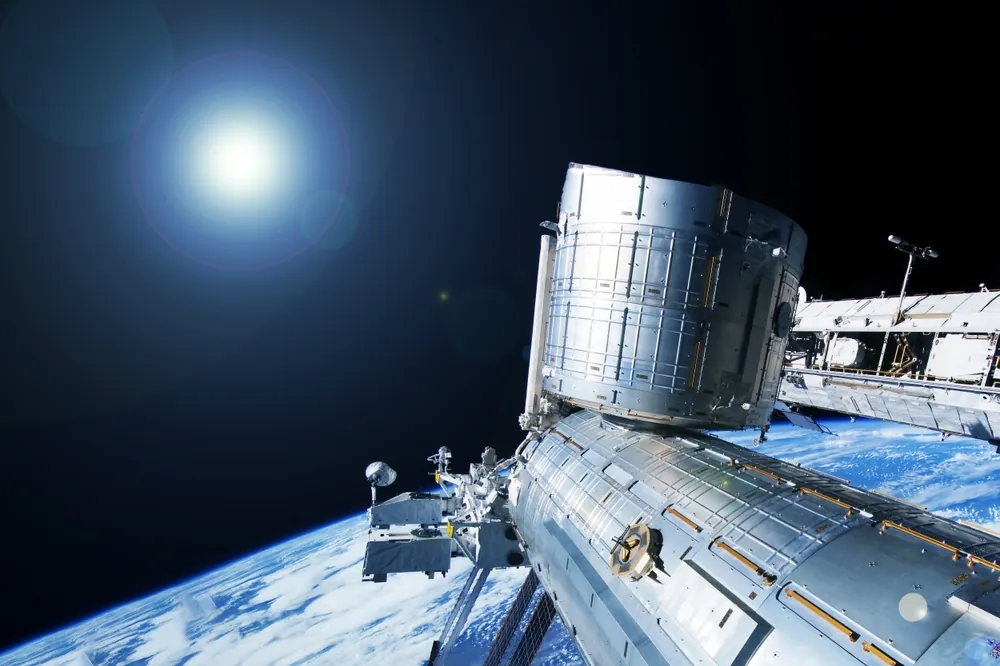
All kinds of goods get shipped around the world. Whether it’s food, clothes, work equipment, electronics, or construction materials, there’s almost no limit to what can be shipped! However, some things are not as commonly considered when talking about shipping, such as objects from outer space and astro-science equipment! Yes, from telescopes to satellites to supplies for space and even giant rocket ships, they are all shipped from point A to point B.
Some may think that everything is in Houston, Texas or the Kennedy Space Center, but a lot of these things are made across the country and carefully shipped to their appropriate destination. Shipping helps spread out the work needed for these projects so that time and resources can be used as optimally as possible! By doing this, carriers can help deliver crucial equipment and materials needed, while scientists can focus on important research.
Telescopes
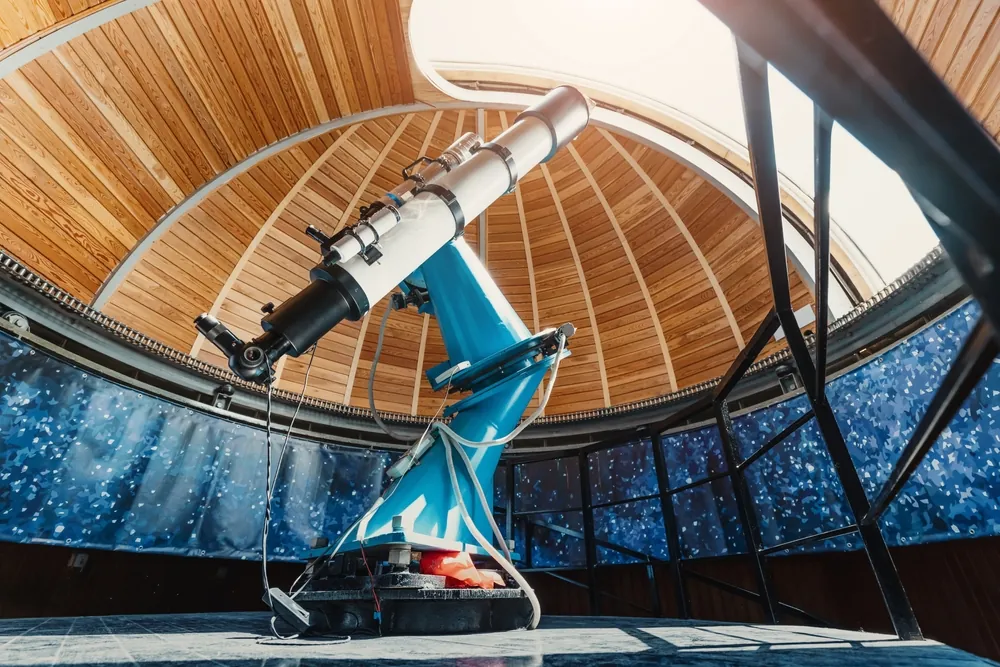
Telescopes are an important tool for studying space. They allow us to observe space phenomena, close by and far away, better than the naked eye can. Telescopes can come in all shapes, sizes, and features. From small toy telescopes that kids can get at the store to large, powerful telescopes that scientists use to see far into deep space.
While smaller recreational telescopes can be mass-produced and shipped easily, advanced telescopes require more robust, protective solutions. A telescope can vary widely in features, including lenses, mirrors, eyepieces, filters, sensors, and so much more! With all of these delicate parts needing to be shipped, proper packaging is in order!
Most telescopes have multiple parts and thus should be disassembled for shipping. For smaller, more recreational telescopes, double-boxing the package with the outer box having at least 2 inches of allowance from the inner box, and filling the allowance with foam, will help make the package stay sturdy. Inside, you will want to have foam inserts that fit around the telescope and sit snug in the packaging. Telescopes often are too heavy for packing peanuts and won’t be properly protected with them, which is why using foam inserts is crucial for shipping.
As for larger telescopes, when they need to travel, engineers design containers to keep them stable and protected during transport. Many of these larger telescopes are so big that they can’t fit into regular-sized dry vans and will instead need to go on a flatbed. The James Webb telescope, the world’s largest telescope, has traveled across the country multiple times, by land, air, and sea!
Satellites
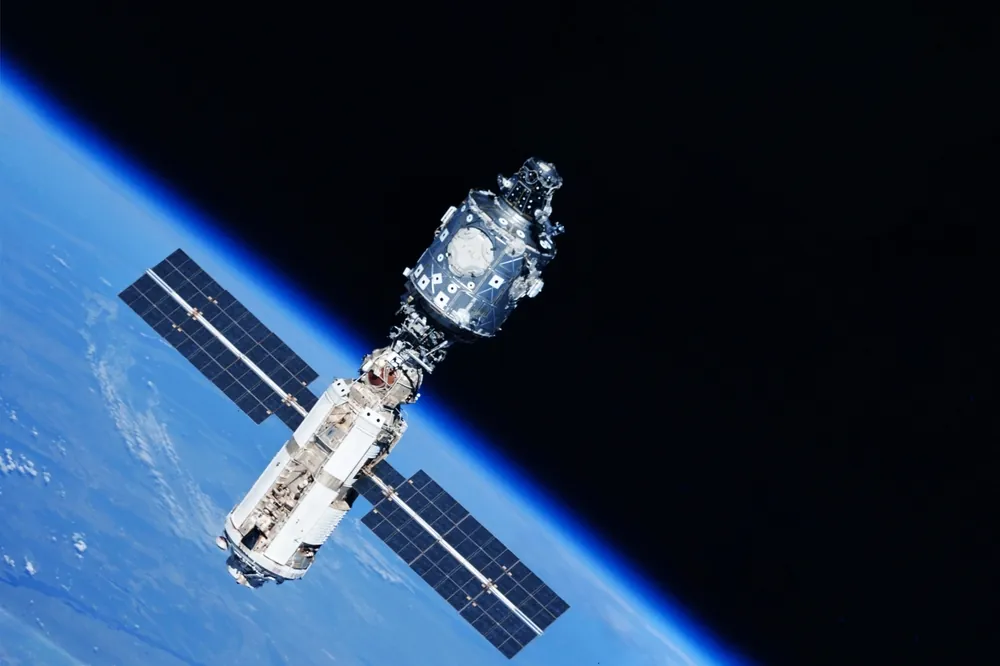
While telescopes are only used for observation, satellites can do that and so much more! Satellites mainly function for either observation, GPS navigation, and/or communication. They connect us to each other all around the world and help us know where we are going to reach each other. Some satellites even have powerful telescopes attached so that we can observe outer space more clearly!
While most telescopes can be used almost anywhere in the world, satellites have to travel through space by rocket launch to be used. Most rocket launches in the US occur at Cape Canaveral at the Kennedy Space Center in Florida, but satellites are made all over the US, meaning these intricate devices must be shipped over for their launch! Satellites come in all sorts of shapes, sizes, and features, so they will typically be shipped in their own, specially made container to protect them as much as possible.
Satellites are almost always too large for a standard freight truck and typically require heavy haul services due to their sheer size and weight. These shipments can arrive by land, sea, and air, often getting the help of the U.S. military to help transport these items. You can see how one of these satellites, the GOES-T, was shipped by a U.S. Air Force plane back in 2021.
Rockets
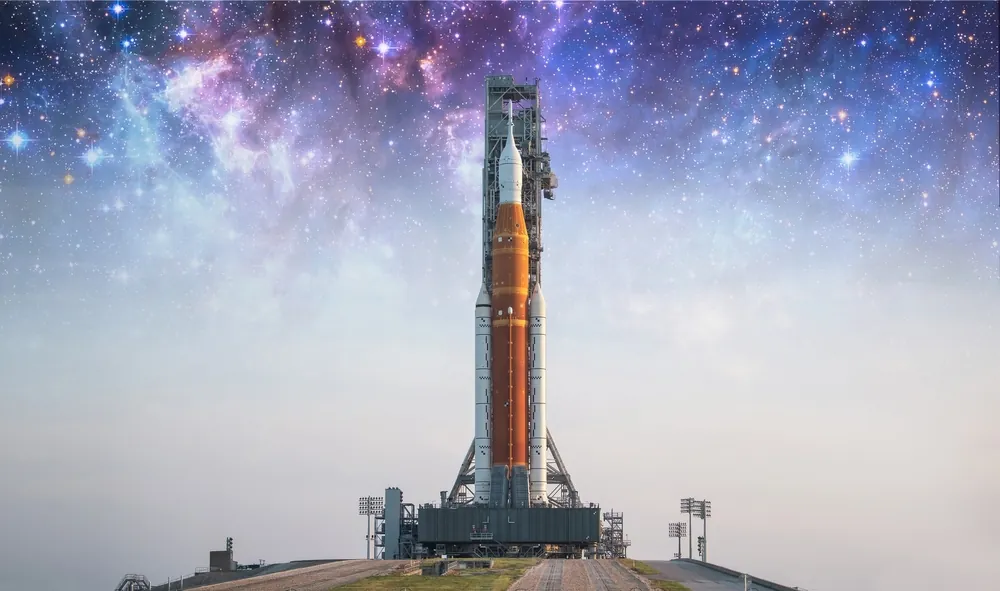
Just like telescopes and satellites, even rockets are manufactured all across the country! Places like SpaceX, Blue Origin’s Rocket Park, and NASA’s Michoud Assembly Facility are where rocket parts from different manufacturers are delivered and put together to create the whole rocket. Many of these parts are tested and carefully transported to ensure and maintain their structural integrity.
But the logistics don’t just end once the rocket is at the facility; it needs to go to the launchpad! Once fully assembled, massive vehicles known as Self-Propelled Modular Transporters (SPMTs) are loaded with the rocket and slowly travel to the launchpad. Moving at 1 MPH, they carefully move the rocket so that everything is kept safe and sturdy, maintaining the integrity of the rocket. These transporters often move on or alongside the road, where even drivers can encounter them!
Rockets, though, are not the only thing getting transported; sometimes they are part of space logistics plans too! The International Space Station (ISS), for example, gets cargo shipped over to it. Unlike us, where we have stores nearby and can drive to get essentials, the crew on the ISS is limited to how much can be brought by rocket and needs to plan for appropriate launch windows. NASA deep dives into this process, the different rockets used, and what goes into a space shipment in chapter 14 of their free book, The International Space Station: Operating an Outpost in the New Frontier.
All of it is incredible! The ingenuity, dedication, and hard work that go into these marvelous projects. From looking into space to going to it, it takes a whole lot of work to get it done right. Leading scientists and astronauts are always the outward-facing heroes of these projects, but so many more people contribute to getting it done, including carriers and logistics teams! Everyone comes together and does their part to make these projects and missions successful. To this, we build a brighter future that can lead us to new discoveries and explorations.