
Here is the scene: you are a secret agent, and you have been tasked with transporting a super-secret cargo in a briefcase, which change of hand protocol consists of transferring an attached metal handcuff from your wrist to the next gopher’s wrist, who is doomed with the mission. The cold metal on your wrist contrasts with the warm leather of the case in your hand, as you realize the gravity of your task… – End Scene. Riveting, wasn’t it? Beyond the secret gadgets and fancy tools, is that the reality of High Security Shipments? Even if it is a really cool process to think about, how are those ‘super-secret’ shipments really moved?
When speaking about high‑security government or defense freight, you probably imagine what I explained before, men in classic black suits, driving sleek cars, but does reality really match imagination? In real life, high‑security government or defense freight requires a strict regulatory framework, carrier vetting, and so much more!

What is High Security Freight?
What do you think of when you hear the phrase “High Security Freight”? Is it a weapon of mass destruction? Top secret information? A zombie contagion? Well, those are all neat in their own respect; however, it might surprise you that it’s not always so interesting. Many everyday items actually qualify as ‘high security’; these are things such as items of high value, like tools and equipment. The most common items that we see transported as high security are usually items like controlled materials or government-owned property.
Examples of High-Security and Defense Freight
- Government‑owned property (equipment, materials, mission‑critical assets)
- Controlled materials (regulated items requiring documentation and custody tracking)
- Sensitive electronics or technology (prototypes, defense‑adjacent components)
- High‑value tools, dies, and industrial equipment
- Aerospace or medical components
- Items targeted for theft (per NMFTA data: electronics, metals, machinery)
Items like these qualify not because they’re dramatic or classified, but because losing them would create financial, operational, or security risks; they’re simply valuable, sensitive, or regulated. High‑value equipment and government‑owned materials are a top target for cargo theft, and when they go missing, they require accountability!
Strict Regulatory Framework
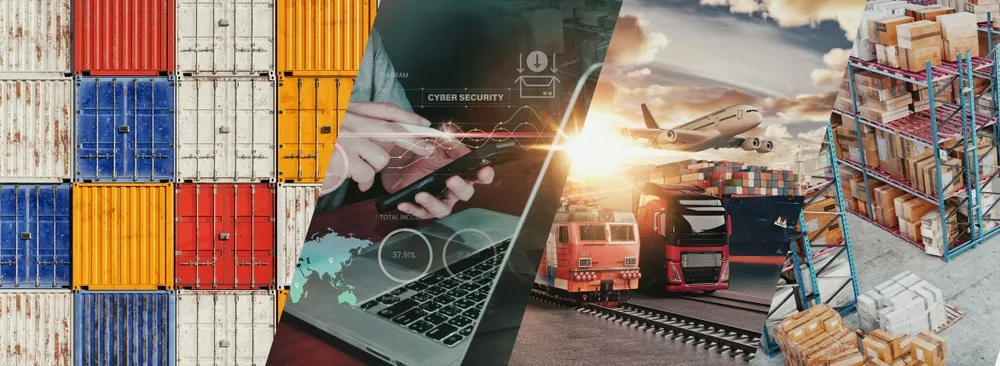
Security and Defense freight moves under one of the most tightly controlled sections in logistics. Every shipment requires the utmost care and attention to detail. Every shipment must comply with multiple federal agencies, layered security standards, and strict documentation rules- all designed to protect sensitive cargo from theft, tampering, or disruption. These rules and regulations make it difficult for criminals who wish to harm or steal the shipment, giving them little to no room to accomplish their goal.
Mentioned by the Defense Transportation Regulation, in order to securely transport high‑security government or defense freight, carriers must meet proper qualifications along with following routing expectations, chain‑of‑custody procedures, and verifying documentation requirements for sensitive or mission‑critical cargo. Carriers must follow these rules precisely to remain eligible for government freight.
As said before, High‑security freight isn’t determined by a single rulebook. It’s a mess of overlapping requirements from agencies like the Department of Defense (DoD), the Transportation Security Administration (TSA), the Department of Homeland Security (DHS), and the Federal Motor Carrier Safety Administration (FMCSA). Each agency controls a different part of the process, determining what will be required from label to delivery. There is a rigorous process to become a certified carrier, having to go through intense screenings, routine checks, and several chain-of-custody processes that must be followed.
Some of those requirements seen are that many high‑security shipments must follow pre‑approved routes that avoid high‑risk areas, theft hotspots, or restricted zones. Some shipments even require team drivers to minimize stops and reduce exposure.
Carrier Vetting & Certification Requirements
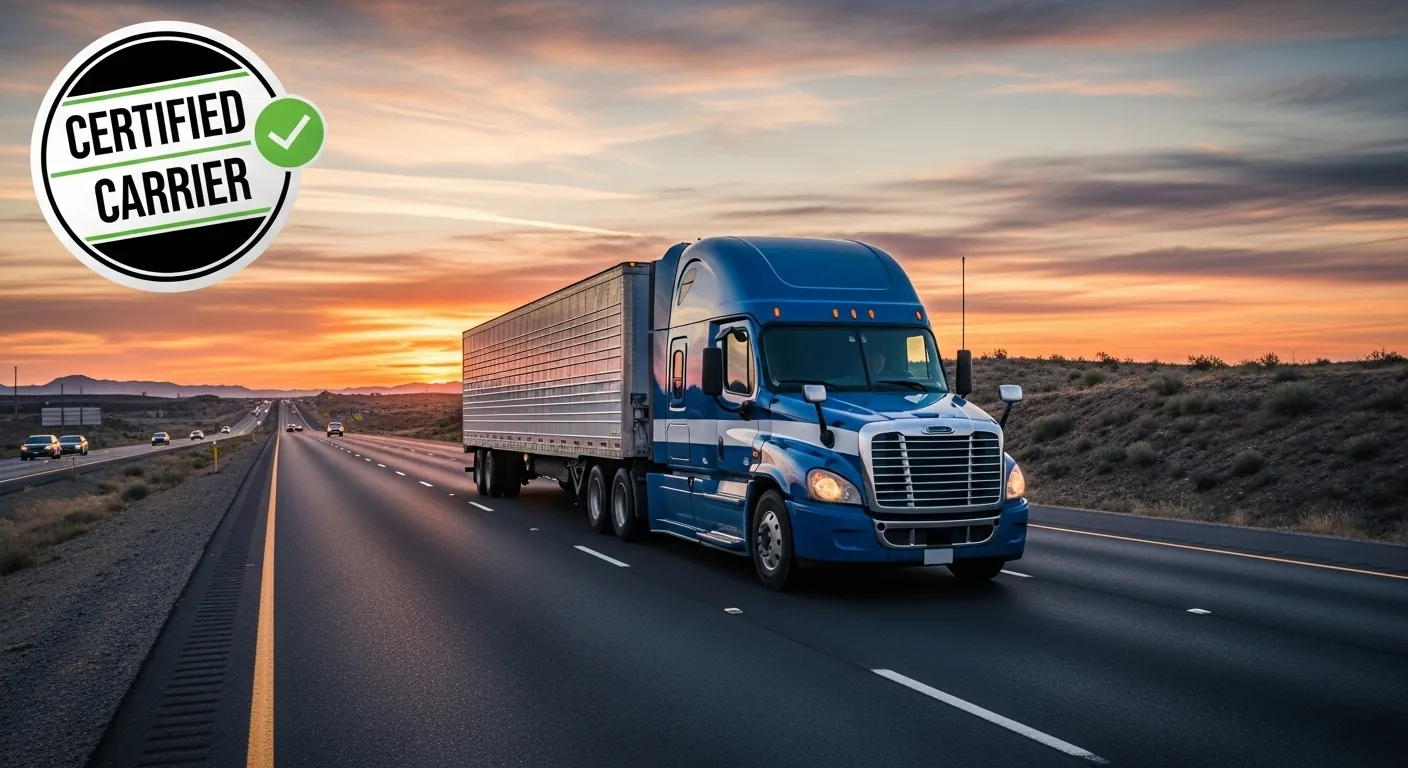
Moving high‑security government or defense freight isn’t something any carrier can just wake up one day and decide to do. Only a small percentage of transportation providers meet the qualifications required to handle these sensitive, high‑value, or government‑owned shipments. Before a carrier is ever assigned to a load, they must pass through a vetting process that was designed to verify their security protocols, operational reliability, and compliance with federal regulations.
As you can see, it’s not a simple process to become a ‘vetted’ carrier for these shipments. There is a long list of requirements for a carrier to follow in order to do these shipments, which include, but are not limited to carrier requirements, such as:
- Active federal operating authority with a clean safety record
- Background‑checked drivers with no disqualifying offenses
- Secure facilities and equipment, including fenced yards, surveillance, and controlled access
- Documented security protocols, including seal control, custody logs, and inspection procedures
- Insurance levels that exceed standard commercial requirements
- Demonstrated compliance with DoD, DHS, FMCSA, and other regulatory bodies
It also must be considered that, depending on the type of shipment, the shipper of the items may require that carriers maintain certain licenses/certifications. As for government-approved carriers, they may be approved for these tasks through government programs.

Chain‑of‑Custody Protocols
If you have ordered anything online in recent years, at one point or another, you have had to check a tracking page, thinking, “Where’s my package?” When it comes to High-security and defense, tracking is more than just a site saying, “Out for Delivery”; for sensitive freight, it’s more than just tracking its security. For carriers doing strict shipments, the goal is simple: ensure the shipment is never left vulnerable, unaccounted for, or accessible to unauthorized individuals.
Every moment of the shipment’s life must be traceable. No matter how small an interaction, if someone touches it, signs it, inspects it, or transfers it, that action becomes part of the official custody record. Even more important, it MUST be recorded; To do so, carriers rely on documentation. These documents serve as both a security measure and a legal record, ensuring that every step of the journey is validated.
Common Chain-of-Custody Documentation Includes:
- Custody transfer forms
- Driver and escort identification logs
- Seal numbers and verification records
- Inspection checklists
- Time‑stamped handoff signatures
- Secure routing confirmations
A typical handoff involves critical planning and having plans A through Z accounted for. Custody transfers are highly controlled moments where every step must be planned, documented, verified, and sometimes witnessed. Once the receiving party’s identity is confirmed and seals are inspected/verified, the trailer or container is then checked for any signs of tampering.
The transfer is only finalized after a signature and/or digital acknowledgment, with a timestamped custody‑log entry, and a near-immediate update to tracking systems. No one handles the freight without approval, and nothing is done without documentation to accompany it. This level of control ensures that if something goes wrong, whether that be a delay, a broken seal, or a route deviation, investigators can quickly pinpoint when and where it took place.

Packaging & Securement Requirements
Fragile shipping has nothing on this! Security starts long before the tires hit the track. While taking all of this time to make sure that the shipment arrives, it’s important to remember that it must arrive in one piece. Although carriers may have certain minimum requirements for shipping sensitive items, they often enhance these shipments with additional features such as shock protection, moisture barriers, and tamper-evident seals.
FMCSA securement rules guide how irregular or sensitive items must be tied down, ensuring the load remains stable and protected throughout transit. They also contribute to the chain-of-custody process. Every seal number, crate ID, and inspection mark becomes part of the custody log. If a seal is broken or a crate shows signs of tampering, the shipment is treated as compromised until investigated.

Secure Movement, Monitoring, and Risk‑Control Framework
Once a plan has been made and the shipment is in motion, the game has just begun. The challenge now is ensuring that while moving the shipment, it is kept safe, discreet, and without interruption. High‑security government or defense freight doesn’t travel like a normal load; Its movement is tracked by a layered framework that mixes secure routing with real‑time monitoring, specialized packaging, risk‑mitigation strategies, and constant communication to keep the shipment protected from start to finish.
Once on the road, you may ask, ” How is the route determined?” They are researched and designed by logistic specialists to avoid theft hotspots, restricted zones, and areas with heavy congestion or severe weather. Some loads may require a team of drivers to minimize stops and keep the freight in continuous motion, reducing opportunities for any outside interference.
Other ways carriers may ensure secure movement if a team is not possible for the transport to use real-time monitoring! These monitors are able to watch the load in real time, supported by electronic logging devices, automated alerts, and sometimes remote lockout systems that can secure a trailer if tampering is detected. Technology acts as both a deterrent and an early‑warning system.
Insurance, Liability, and Layered Risk Defense
Beyond the demand for physical security and a thorough plan, it also requires financial and operational back-ups that are equal to the risk involved. The standard carrier liability insurance isn’t enough for high-value, government-owned, or sensitive shipments – to meet those standards, carriers must maintain elevated and/or specialized insurance to cover.
For the insurance, it must reflect the potential impact of loss, damage, or disruption. Those policies rely heavily on documentation, including chain‑of‑custody records, seal logs, and movement reports, all of which help verify accountability if something goes wrong. Risk mitigation ties directly into this: insurers only honor claims when carriers can prove they followed required security steps. Seal checks, routing compliance, and custody logs demonstrate due diligence, reduce premiums, and ensure coverage remains valid for high‑risk freight.
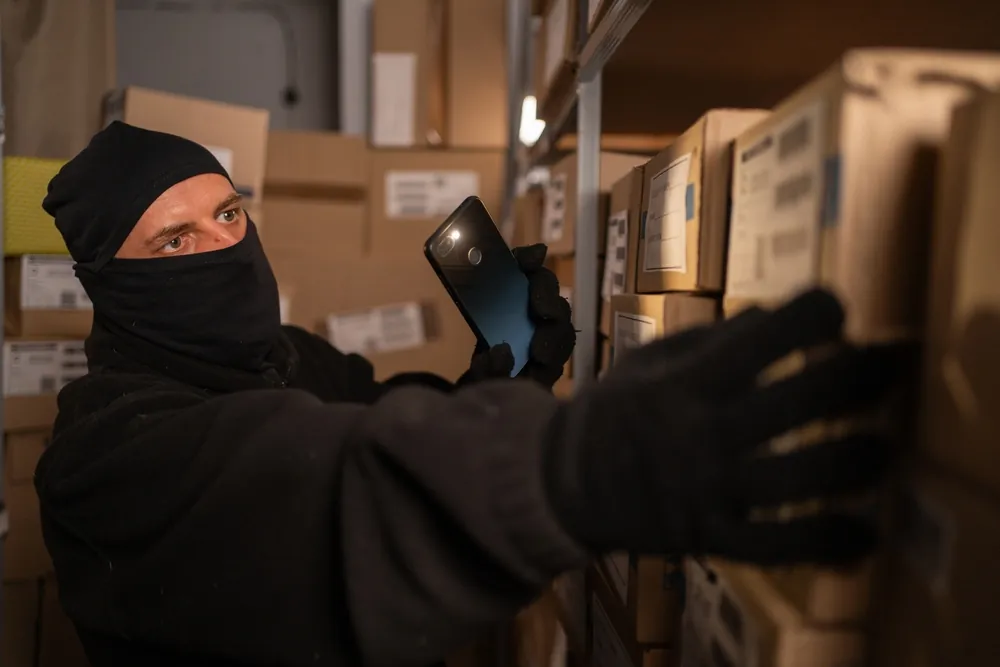
But insurance is only one part of the defense. These shipments face a wide range of threats, from cargo theft and spoofing to cyber‑enabled fraud. There are several industry frameworks, such as NMFTA cargo crime prevention guidelines, which help carriers build layered defenses that combine physical safeguards, digital protections, driver training, and procedural controls. These measures reduce exposure, deter theft attempts and ensure that vulnerabilities are identified and addressed before they become incidents.
Together, enhanced insurance requirements and robust risk‑mitigation practices create a comprehensive security net and one that protects the freight, the carrier, and the mission it’s on.

Connected Defense: Tech and Communication Safeguards
Risky freight relies on technology and tight communication to stay protected from theft, tampering, and cyber‑enabled threats. By integrating new and improving modern systems, carriers are better able to keep every handoff visible and verifiable.
Systems Frequently Relied On:
- Real‑Time Tracking
- Smart Sensors
- Automated Alerts
- Secure Digital Communication Channels
Coordinated communication ties everything together. Shared visibility platforms allow everyone involved, from shippers to carriers to consignees, to know what is going on and allow them to monitor progress in real time! This is supported by predefined protocols to allow for rapid response to dealing with route or equipment failures, and/ or suspicious activity. When combined, these technologies and communication practices create a synchronized, tech‑driven defense that strengthens operational control and reduces risk across the entire shipment lifecycle.

What Shippers Should Look for in a High‑Security Carrier
Determining the best carrier is one of the most important decisions that a shipper can make when preparing for shipping high-security and/or defense freight. Qualified carriers must be able to prove that they are trustworthy and able to comply with federal regulations, maintain advanced security, and follow all documented and required procedures.
When choosing a carrier, shippers should decide based on the carrier’s ability to hire vetted drivers, offer secure facilities, and have real‑time tracking capabilities. Logistics providers should have predefined escalation protocols, 24/7 monitoring, and the ability to respond quickly to any potential threats to the shipment. These providers should be able to prove that they have previous experience handling sensitive or high‑risk cargo.

Conclusion
If Hollywood wrote the script, the freight would be guarded by secret agents with advanced spy technology – In reality, it’s guarded by background checks, geofencing, and a driver who hasn’t missed a compliance audit in 12 years. High-Security and defense freight moves through the world not on camera with lights and a sound stage, but quietly under our noses. From strict regulatory oversight to vetted carriers, these loads demand more than your standard freight.
Every protocol from controlled custody to advanced monitoring to layered risk‑mitigation; with proactive planning, each system works together to ensure a seamless delivery of sensitive or risky shipments. When every safeguard is followed without error, the mission succeeds not because anyone dives through explosions, but because the logistics are executed with the kind of precision Hollywood could only dream of!