
Human civilization has shipped all sorts of goods for millennia. From food and textiles to animals and machines, we’ve used all sorts of methods and materials to ship goods. Over the years, technology has innovated and improved what could be used to ship these goods. So much so that it’s gotten overwhelming just to decide what to use!
Should I use a box or a drum? Should I use cardboard or wooden crates? Does my package need special foam inserts, or is bubble wrap fine? These and many more questions tend to be on a first-time shipper’s mind before the items ever go out. Getting the right kinds of materials is important for freight shipping your cargo; using inappropriate materials may cause more hassle and possibly even damage the shipment. That’s why we go over some of the most used shipping materials and which materials should be used for which kinds of shipments.
Cardboard Boxes and Pallets
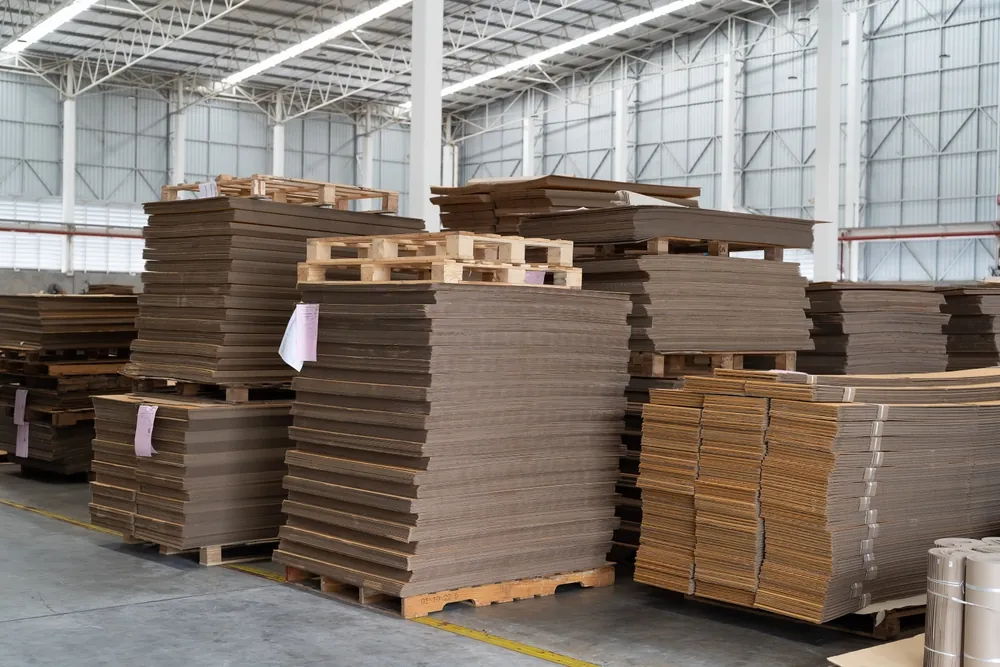
The most common materials in freight shipping, cardboard boxes and pallets, are among the most widely used materials for shipping goods around the world. While they might not be the strongest material, they tend to be lighter and more cost-effective. While some may not require a box on a pallet, others, like FreightCenter, do require them to be on pallets and strapped or shrink-wrapped for greater protection and easier handling. If not on a pallet, it may be more susceptible to damage and will accrue more handling fees.
When choosing cardboard, it’s important to ensure it is double corrugated, as the material will be tougher and better withstand things like stacking and puncturing. The more walls the cardboard has, the stronger it will be. It’s also good to put some cushioning materials, like bubble wrap or crumpled paper, so that the item stays unharmed from bumps and movements.
If you plan to ship more than one box, it’s best to consolidate as much of your shipment as possible. It won’t only help save you money, but it will also help keep your deliveries together and worry less about tracking too many shipments.
Another great thing about using cardboard for shipping is the opportunity to put your mark on the package. Because it’s lightweight, it’s much easier to print designs onto cardboard than to try printing on heavier wood. It allows you to create intricate and colorful designs that can be printed quickly and easily, allowing your brand to really stand out and wow your customers!
Wooden Crates
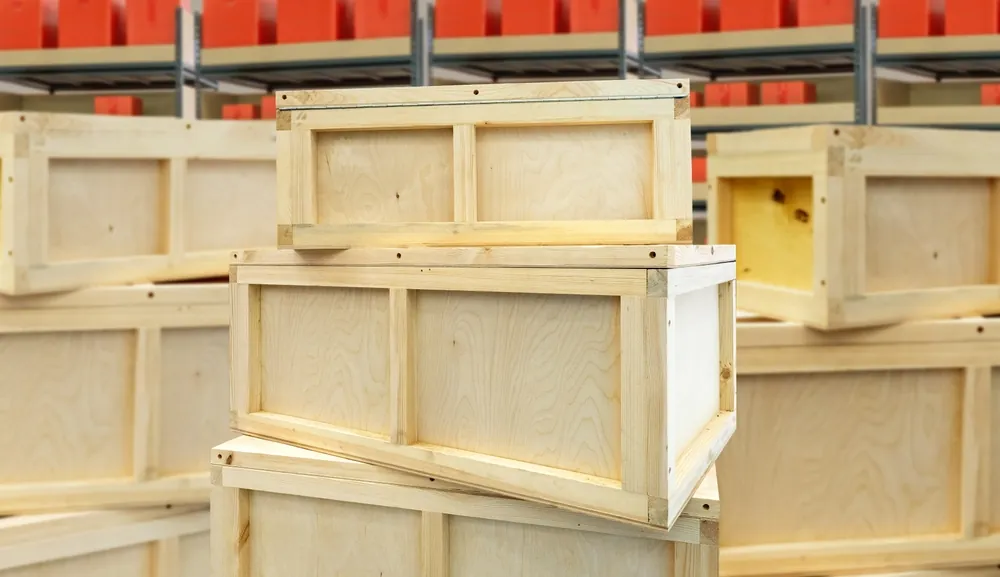
Crating is an alternative way to store your goods for freight shipping. While heavier and typically more expensive, it is sturdier and more protective for transporting highly valuable, fragile, or oversized items. Crates can come in all sorts of shapes and sizes; you can even choose to make one yourself or get a premade one from a professional!
Just like using cardboard, crating keeps your items safe so that they don’t end up damaged or shifting around during transit. However, due to its sturdy nature, it not only protects the shipment from external damage but also keeps it more secure from theft by making the cargo harder to access. While a crate is usually not required to be on a pallet, it’s encouraged to palletize it so that it can be handled more easily with tools like forklifts.
When palletizing, it’s good to strap the crate to the pallet so that it stays securely on it. It’s also important to put cushioning inside the crate so that the items are kept safe. It’s a big decision when choosing between a crate and a cardboard box. Consider how fragile your item is, how valuable it is, or how big it is, and if it needs custom crating or standard cardboard boxes. There’s no perfect answer, only what you believe will keep the shipment safe and secure during transit.
Barrels and Drums
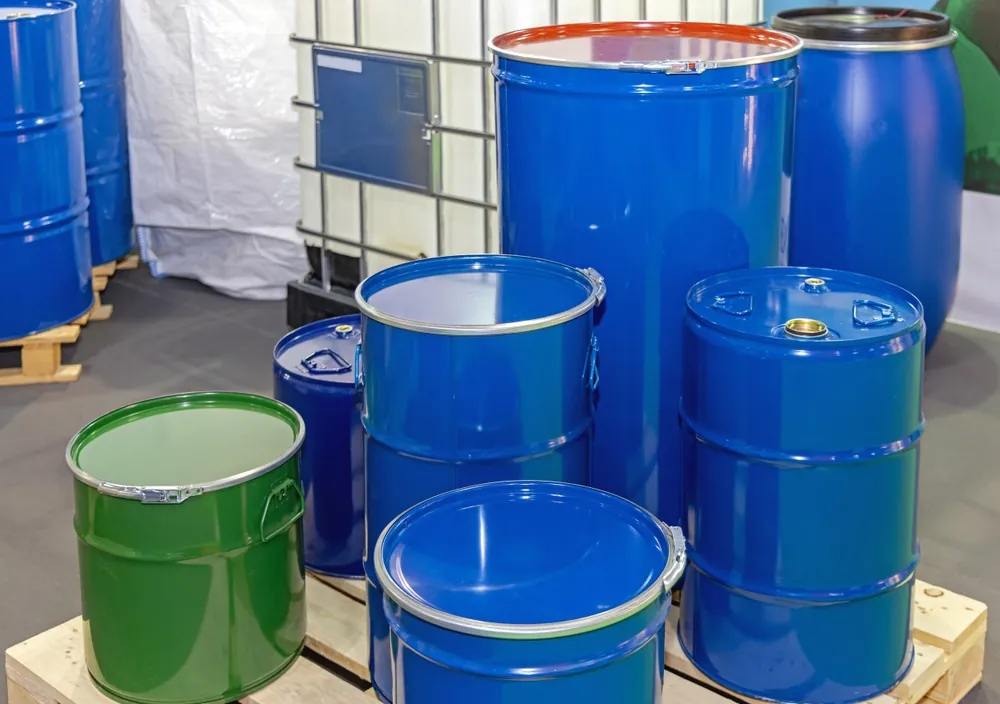
Barrels and drums are a more unique means of shipping goods. Their intended purpose is to hold smaller, looser materials or liquids such as wine, spices, or sand. Not only that, but the way drums and barrels are designed also helps to protect the contents by keeping them sealed from spillage or contamination.
Because of how the drum is constructed, it makes the container pretty strong when standing up, while also being better able to stay in one place compared to other resilient shapes. This is due to the fact that when force is exerted on the flat top of a cylinder, the stress is evenly distributed throughout the form, making it less likely to break. However, if pressure is applied to the curved side of the cylinder, it becomes more vulnerable to damage as the stress is not as well distributed.
This is why it’s important to keep the container upright so that it stays stable, is less prone to damage, and doesn’t spill its contents. Of course, you can rest assured that your freight is protected, as most drum damage happens under extreme pressure. You can see how a drum gets crushed with an industrial bailer or see how extreme air pressure and temperature changes can affect them.
Do note that cylindrical containers are at their strongest when it’s a regular cylinder instead of when the sides jut out a bit like a typical wood barrel, so some barrels and drums will be stronger than others depending on the construction, materials, and environment it’s in. Almost always stronger than cardboard packaging, but it ranges in strength when compared to crating.
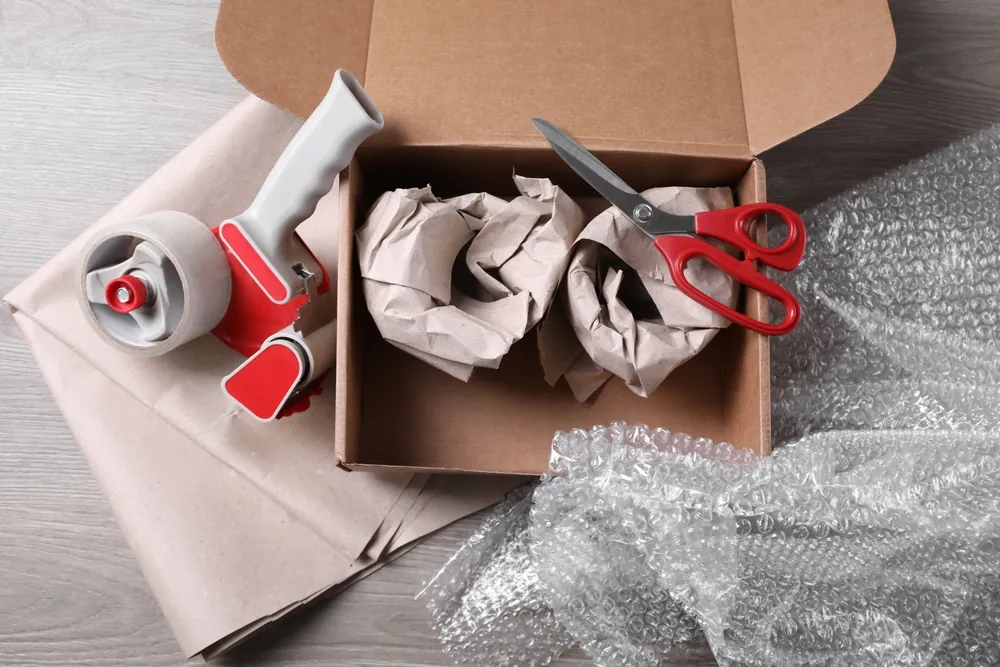
Paper, tape, bubble wrap, and much more!
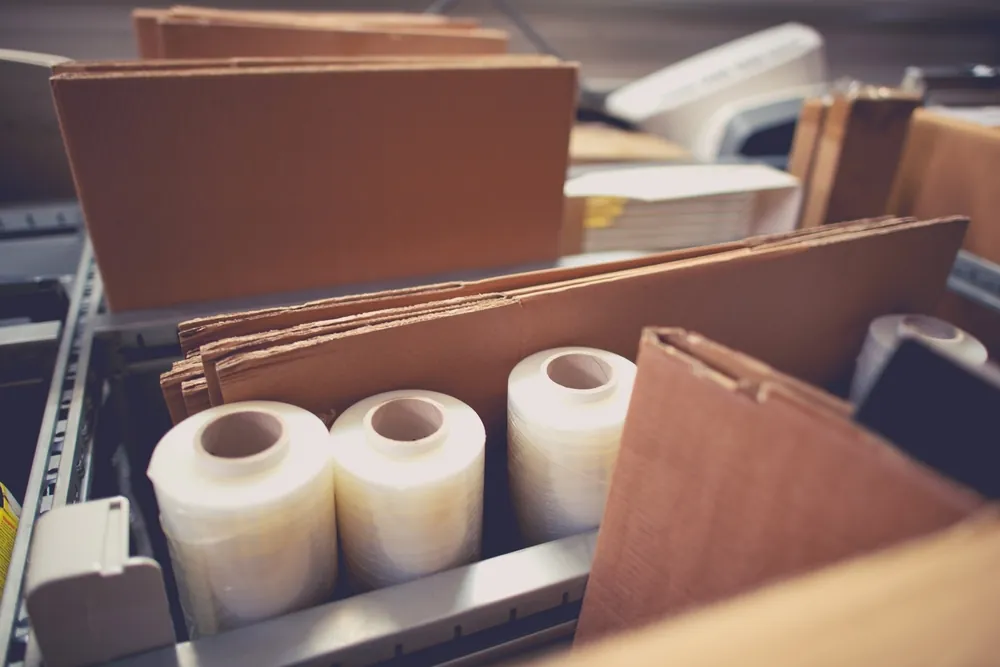
Aside from the three most prominent containers used for freight shipping, there are plenty of other materials people use to ship items. As mentioned earlier throughout the article, cushioning materials are important to use so that the cargo being transported is kept safe. There are all kinds of cushioning materials available, like packing peanuts, custom-cut and made foam inserts, bubble wrap, and the most eco-friendly crumpled paper! Each have their pros and cons, but provides great internal protection for your shipment
There are also materials used to hold your shipment together, such as staples, strings, plugs, and the most widely used, tape! Plastic wrap and straps are also effective tools for keeping your shipment together, especially when palletizing it. They help ensure that even if you have a large shipment or many small packages, they can all be consolidated and stay in place.
Packing materials are essential for freight shipping. Without it, it can be a much more chaotic and hectic nightmare, keeping everything safe and separated. That’s why we’ve used and innovated packaging tools and techniques for over thousands of years! From flexible bark and hay to compostable mailers and radio frequency identification devices (RFID), we’ve really advanced quickly!
All these innovations throughout human history have come together to make freight shipping faster and easier for everyone. With more people growing their own businesses every day, access to these tools and materials helps improve their budgets and saves more important expenses towards making products or services better!