
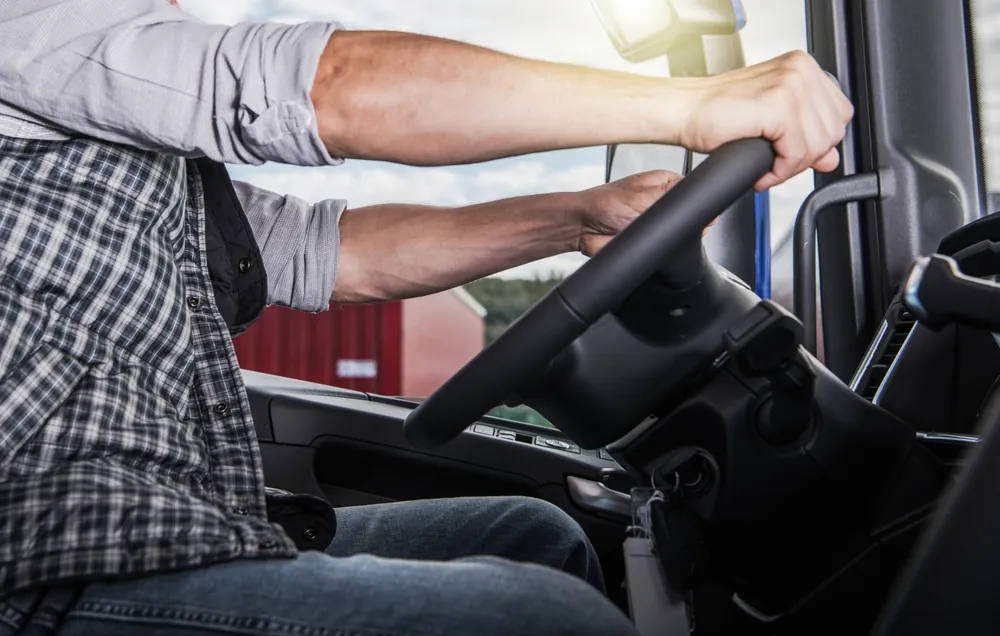
The future of logistics isn’t on the road; it’s in data centers. As 2026 brings in more remote jobs as AI advancement takes on the reins, AI no longer stops at the door; it hits the road! CDL jobs are moving into mainstream corridors, making the line between a truck driver and a flight controller begin to blur.
Logistics stretches beyond just trucks, ships, and planes- it’s innovation – the use of automation not only in warehousing and inventory management but also in over-the-road operations. In the drive to utilize “Remote CDL” operators, operations seek to reduce costs, combat growing labor shortages, and bring more benefits to the industry.
What Is a Remote CDL Operator?
As long as man has traveled, the need for more power has been there. We depended on our bodies until we knew we needed something more powerful and moved from beasts to steam, from steam to mechanics. The future of moving seemed to pause there, until now. Over the last decade, we have decided the next step is autonomous operations, leading to Remote CDL Operators.
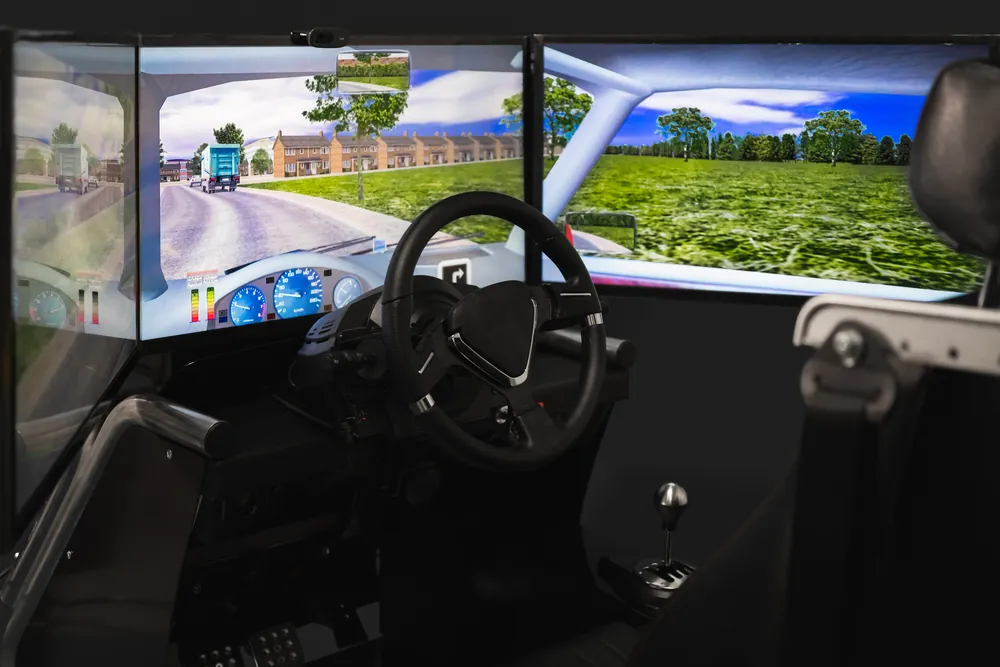
This is where a licensed truck driver monitors and operates autonomous trucks from a central location instead of in the vehicle itself. For an individual to become a remote CDL operator, it’s more than just sitting in their bedroom playing the latest racing game. These drivers are a new class of highly trained professionals who must understand the rules of the road as you would in a traditional truck, but now combined with advanced technology, updated safety protocols, and real-time decision-making miles away from the truck.
Why Remote Operations?
In 2026, we face unprecedented challenges, not only in how we transport goods but also in the safety of the routes freight must travel and of the individuals who do those jobs.
The use began in late 2021 with the Swedish tech company “Einride”, which introduced the first remote truck driver role. Introduced in response to the rapidly growing labor shortage across all industries. By allowing drivers to monitor more than one vehicle at a time, this also reduces pressure on recruiting and keeps experienced drivers in the industry longer.
While the experience is needed and the history of road experience, what has many people considering the switch to AV is the ability to improve safety. As there is no driver, there is little to no harm/loss of life in the event of an accident, and drivers can monitor in real time. In cases of theft or danger zones, there is no human in the vehicle, putting human safety over shipment.
The autonomous vehicle handles the majority of the operations on automatic systems. Meaning that operators are there to provide a human decision maker and intervene during errors or issues outside of AV’s scope of ability, and this can vary from sudden lane closures to unmapped or unplanned detours.
Another pull is that while traditional trucking keeps drivers on the road for hours, days, and sometimes weeks, Remote Operators get to go home to their families every night. While efficiency and safety are huge wins for truck drivers, what makes it meaningful is that quality of life will improve as working conditions become more favorable.

What’s the catch?
While the idea of AV has great potential, we still need to build trust in the system and its operations. As of 2026, there is currently no unified framework for remote CDL work. Rules and regulations vary from state to state: some allow non-driver-assisted AVs, while others restrict them.
These restrictions on AVs stem from the current, limited framework for their efficient operation. Autonomous freight ways require a significant financial investment and upgrades to major infrastructure. To safely establish and operate driverless routes, road markings and smart infrastructure, such as sensors, will need to be updated to reflect the change in traffic patterns.
It’s not only roadways that need updating. To operate in compliance with new and updated safety and driving regulations, areas along primary routes will also need technical tower upgrades for high-capacity data networks, limiting AV services to centralized operations where connections are less prone to frequent interruptions. This has led to most of these AV corridors being used for regional transport or short-haul, and many LTL networks can only integrate parts of the AV adaptations.
The additional cost does not end there. With drivers behind a desk instead of a steering wheel, carriers will need facilities to operate as ‘remote-operation’ centers. Even as larger companies begin transitioning to automated systems, growth is steady but still years away. The high upfront costs and the current lack of trust in AV make it difficult for smaller fleets to make the change.
Additionally, many companies will need to incorporate specialized training for operations that involve tasks such as multi-truck monitoring and safe-stop protocols. While drivers are on the road, they will need to relearn how to ‘feel the road’ and make real-time decisions without feeling the ‘natural’ road.
A remote CDL operator isn’t just a new ‘job’; it’s an entirely new operational model. Facilities will need to be updated, and employees will need entirely new training for remote drivers, as well as new safety and compliance teams.
Now
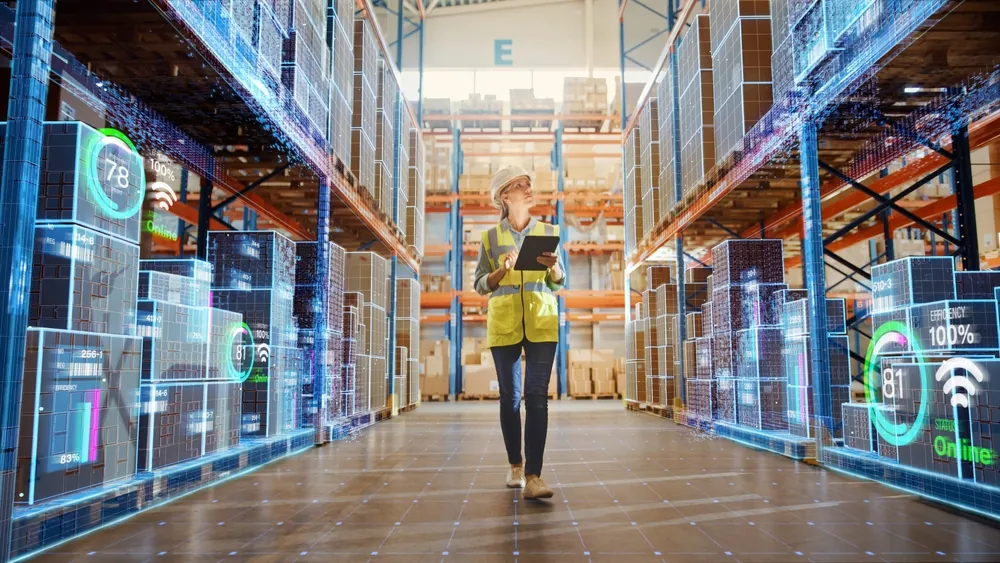
Autonomous vehicles are currently seeing the first adaptations into freight, the opening: LTL Freight! Less-than-truckload shipments rely on predictable routes, which are often short-haul, last-mile, or terminal-to-terminal, all of which can integrate remote CDL operations.
Leading the way for night-only autonomous operations and reducing dwell times. While humans can create energy, the human body cannot. Autonomous vehicles don’t suffer from fatigue, and remote operators are able to transfer ‘the wheel’ mid shift without even having to pull over, leaving the vehicle in continuous motion.
This is where AV and emote CDL becomes a competitive advantage. Shippers will be able to reap the benefits of AV through more predictable transit times, as AV is constantly monitored in real time. Other benefits include the fact that, with the expansive technology needed to make this possible, freight is more visible, leading to fewer transit claims.
At the center of operations, moving to remote CDL is less about replacing drivers and more about stabilizing freight movement and limiting the outside influences. This also allows experienced drivers to stay in the game even longer.
The main reason many truckers retire is that their bodies can no longer withstand the physical demands of the job, but mentally they can still ‘truck’ for many more years. By leveraging the experience of traditional trucking and the new training required for autonomous systems, the industry can keep older drivers’ decades of invaluable “road intuition” in the workforce.
Making way to newer generations, in 2026, the value of home time and staying tech-forward is monumental. The ‘Desktop Trucker” model bridges the gap between generations. This isn’t meant to replace the people on the road, but handles the monotony of the highway, leaving the critical thinking and ethical judgments to humans who can operate on experience; technology can’t replace that.
Conclusion
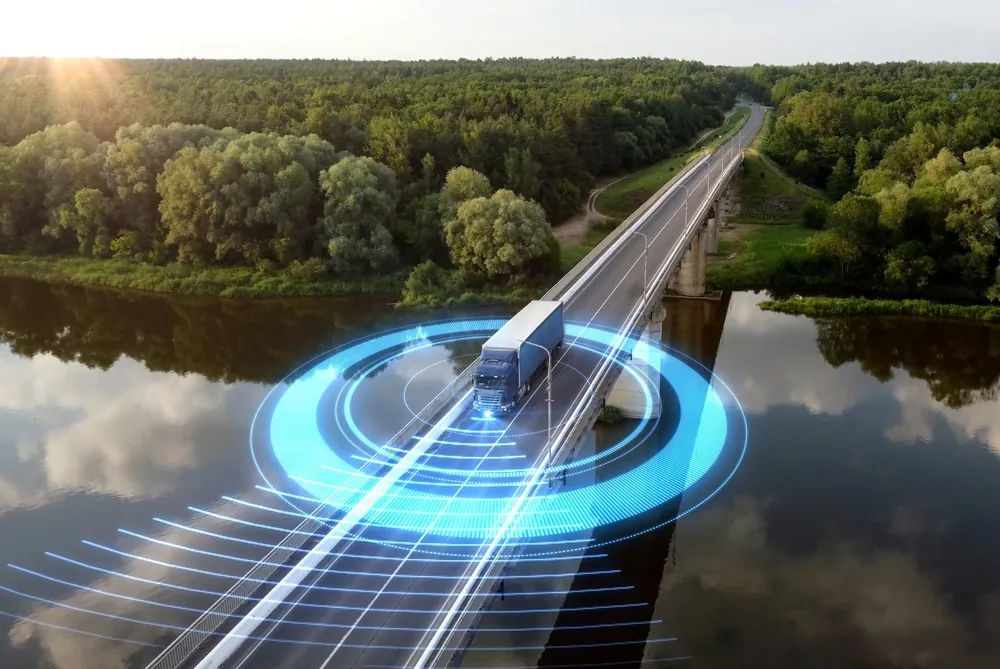
The rise of the Remote CDL marks a turning point in freight movement, blending human expertise with advanced automation to create a safer, more resilient supply chain. As autonomous systems take over the repetitive highway miles, remote operators provide the judgment, intuition, and ethical decision-making that no algorithm can replicate!
This model keeps experienced drivers in the industry longer, protects their well-being, and attracts a new generation that values a tech-forward approach that prioritizes people, not just shipments. For carriers, the shift stabilizes capacity, improves visibility, and reduces risk across increasingly unpredictable networks.
For drivers, it preserves the heart of the profession while removing the physical toll. The “Desktop Trucker” isn’t a replacement for traditional trucking; it’s the evolution that keeps freight moving, keeps people safer, and keeps experience at the center of logistics.