

One of the biggest headaches truck drivers frequently face is traffic. Nothing is worse for a driver than delivering freight late because they were stuck in bumper-to-bumper traffic for hours.
This isn’t something drivers alone have to deal with; carriers, shippers, and customers all feel the effects of freight delivery delays. This is especially true for freight trucks, which must deliver heavy, large items on time. They don’t want to sit in traffic for hours and miss delivery times, but it happens.
Bottlenecks are the most problematic areas for highway traffic congestion, making it nearly impossible for commercial trucks to navigate while delivering. Being stuck in a bottleneck greatly increases the risk of freight delays, and avoiding these areas can be quite challenging.
Researchers are examining truck bottlenecks to understand their causes and locations, helping truck drivers navigate around these obstacles or manage them without negatively impacting delivery times. But businesses and carriers don’t have to wait for results to find a definitive way to avoid them; they can use the resources and tools at their disposal to circumvent traffic pileups and answer the question: what can be done to avoid truck bottlenecks?
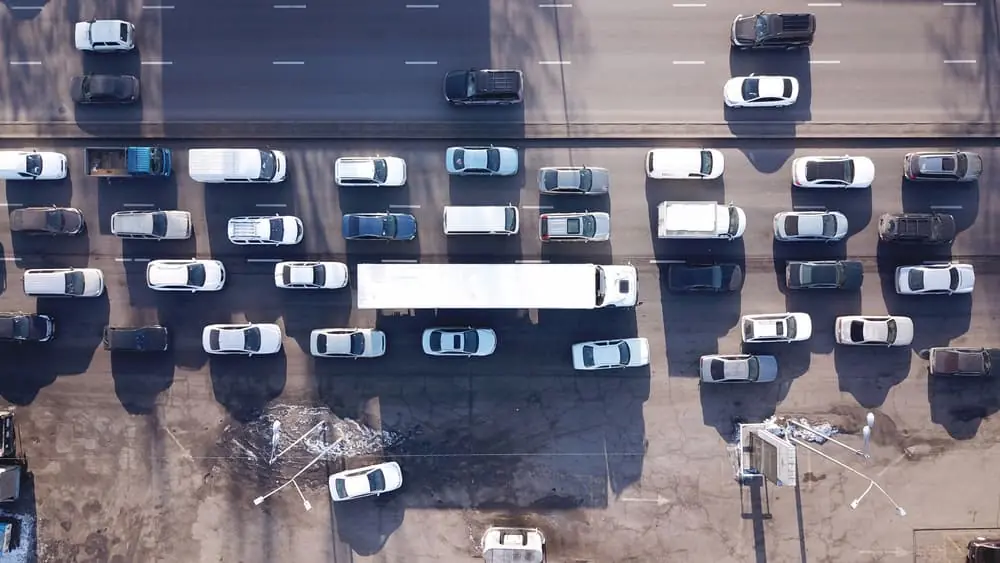
How Do Truck Bottlenecks Happen?
Traffic is nearly unavoidable, especially in urban areas. Approximately 294 million people live in metropolitan areas in the US, accounting for about 86% of the country’s total population. As metro populations have risen in recent years, so too has traffic.
Researchers say that traffic congestion, after dipping during the COVID-19 pandemic, has surged to levels near or above pre-pandemic levels. And this is just considering permanent residents; commuters, visitors, and commercial trucks add significantly to congestion in urban areas, adding travel time, fuel consumption, and headaches for everyone.
Bottlenecks are points in a system where progress slows or stops, such as in areas of heavy traffic. Traffic bottlenecks usually occur near major interstate intersections and exits, or on poorly designed and poorly maintained streets, and can drop speeds to around 20 mph or less.
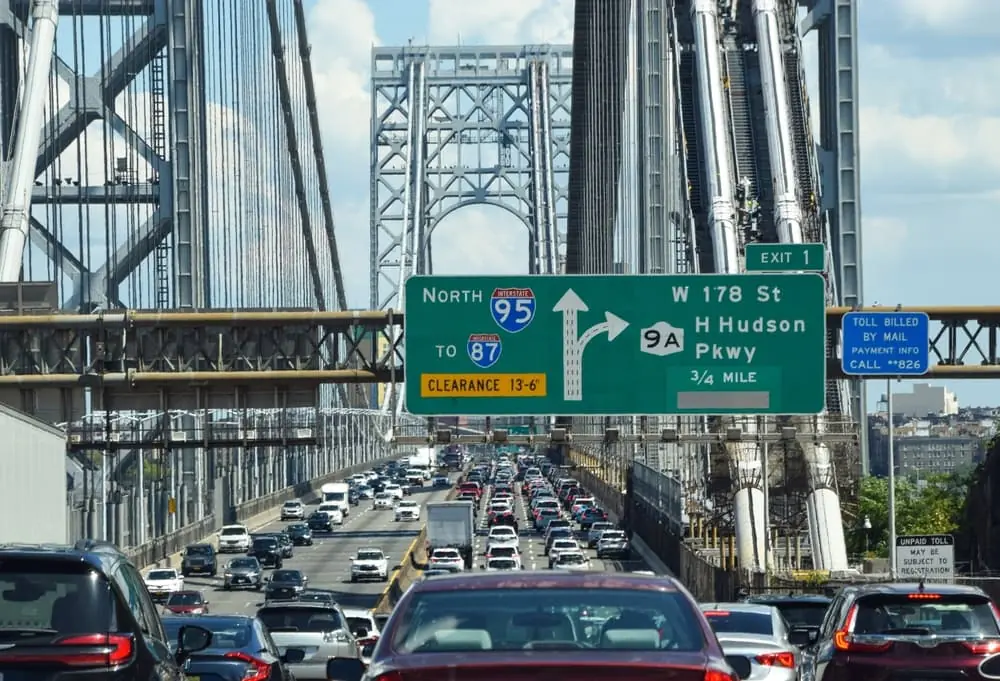
A prime example is the intersection of Interstate 95 and State Route 4 in Fort Lee, New Jersey. This bottleneck is notorious for congestion due to its proximity to the George Washington Bridge, which connects New Jersey to New York City. Multiple lanes of traffic from various roadways are forced to merge into just a few lanes, creating miles of congestion, worsened by large semi-trailers blocking significant portions of the road.
But why do truck bottlenecks happen in the first place? The primary factors contributing to these bottlenecks fall into a few key areas.
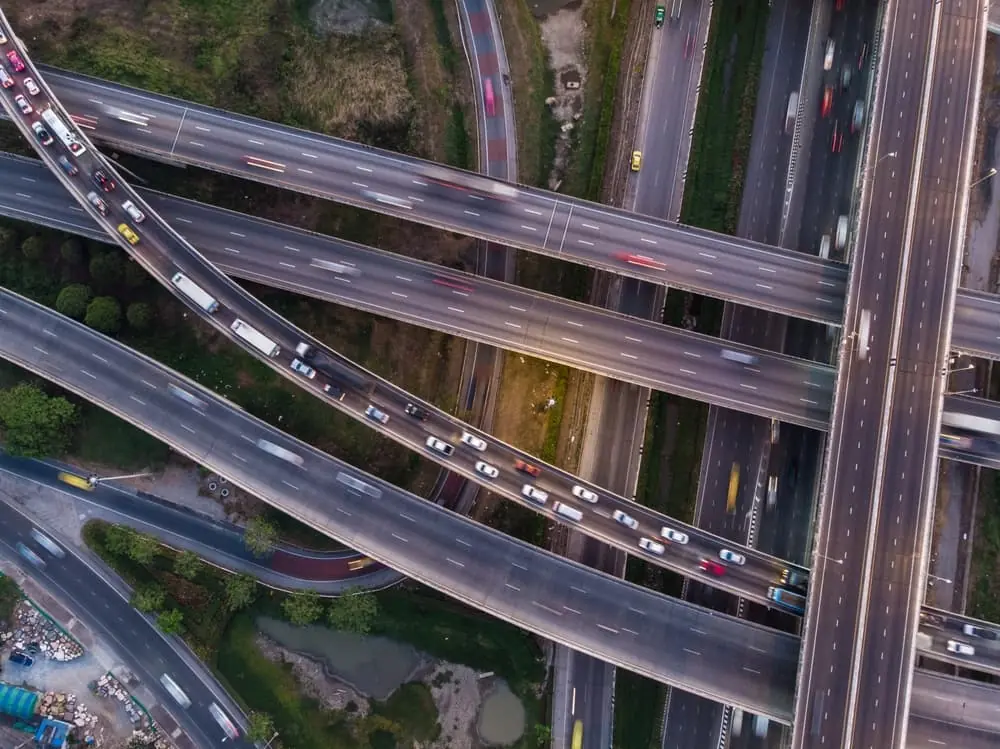
Road Infrastructure
Many of America’s roads and highways have design flaws. Narrow lanes, weaving areas, sharp curves, and low bridge clearances make it difficult for freight trucks to navigate, so they must slow down, causing traffic to halt, or avoid certain routes, which can overcrowd others.
Highway infrastructure is also aging. Many major highways and roads desperately need repairs to prevent accidents and improve traffic flow. However, many local and state authorities have not received sufficient federal funding to repair damaged roads and highways, leaving them neglected and vulnerable to traffic congestion.
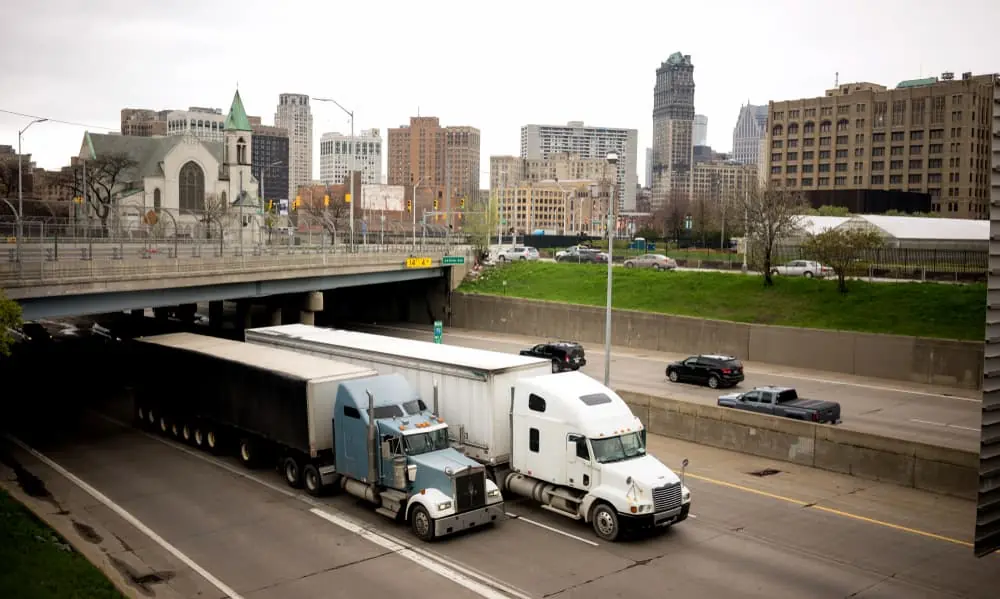
Urban Population Growth
As said before, major cities have seen steady population growth. Between 2023 and 2024, the 387 metropolitan areas in the US saw their population increase by nearly 3.2 million residents. As the population grows, more people will commute and travel. Add delivery trucks to this mix of drivers, and traffic slowdowns are inevitable.
However, it’s not just more cars that are concerning. The number of trucks on the road has also significantly increased, with U.S. freight activity expected to grow by 50% in tonnage, reaching 28.7 billion tons by 2050. More freight means more trucks are needed to deliver it, leading to more traffic in the most populous metro areas.

eCommerce and Industry Growth
The rise of online retailers, such as Amazon, changed the economy. Once it became clear that this budding industry would dominate the parcel and freight market, dedicated trailers began servicing eCommerce deliveries. This meant more trucks on the road, increasing traffic in both rural and urban areas.
ECommerce companies are also using the hub-and-spoke system, a model in which major transportation hubs are strategically placed alongside smaller terminals to balance consolidation and distribution. Unfortunately, those strategic locations often sit along major highways, which get clogged as delivery trucks move in and out of hubs.
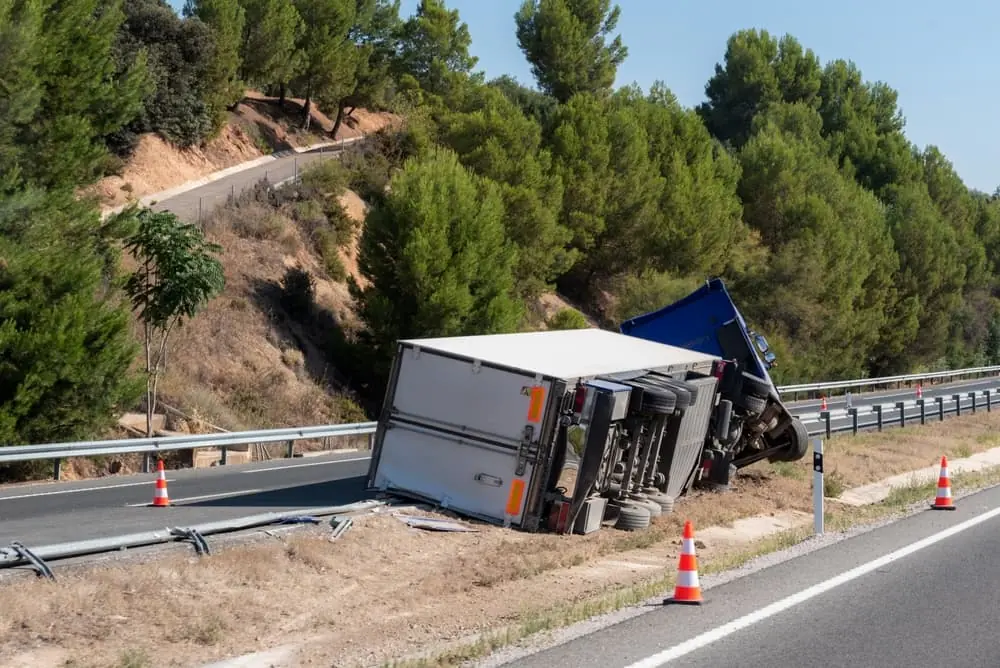
Traffic Accidents
Traffic bottlenecks often arise not only from preexisting conditions but also from accidents. Now, accidents happen, whether we like it or not. However, they can still significantly affect traffic, causing slowdowns that last for hours.
Of course, if an area has frequently reported accidents, it’s no longer a coincidence. Deficient road infrastructure increases the risk of chronic traffic accidents. Other contributing factors include weather conditions, distracted or reckless driving, driver fatigue, and mechanical failures. When these factors are present, especially with semi-trucks, they can lead to severe accidents and traffic bottlenecks.
The Truck Bottleneck Study
Truck bottlenecks are a common problem that creates challenges for drivers, carriers, customers, and local and state authorities. These officials want to reduce bottlenecks on roads and highways; however, achieving this goal is often more complicated than it seems, as federal funding usually requires solid, hard evidence.
To help federal authorities better understand truck bottlenecks, the American Transportation Research Institute (ATRI) collects and analyzes GPS data from trucks to identify them. They then compile this information into an annual list called the Top 100 Truck Bottlenecks, which ranks the country’s most congested locations.
Some areas that have made frequent appearances on the top of the list include:
– The intersection of I-95 at NJ State Route 4 in Fort Lee, NJ (rated the worst-or-second-worst truck bottleneck by ATRI for years)
– The intersection of I-294 at I-290/I-88 in Chicago, IL (rated the worst truck bottleneck of 2026 according to ATRI’s list)
– Several corridors in Atlanta, GA, including the intersection of I-285 at I-85 (North) and the intersection of I-20 at I-285 (West)
– Several corridors in Houston, TX, including the intersection of I-45 at I-69/US Route 59 and the intersection of I-10 at I-69/US Route 59
– The intersection of I-24/I-40 at I-440 (East) in Nashville, TN
– The intersection of I-71 at I-75 in Cincinnati, OH
ATRI not only identifies truck bottlenecks but also highlights specific chokepoints within the freight transportation system. Finding these chokepoints is crucial to helping state and federal authorities prioritize areas for road rehabilitation. They also provide strategies to reduce supply chain obstacles, enabling businesses to optimize routes and lower fuel costs.

So, What Can Be Done to Avoid Truck Bottlenecks?
While we cannot eliminate all factors contributing to traffic congestion, we can mitigate its effects. Aside from studying current bottlenecks to help with federal funding, carriers and drivers employ various other methods to manage these challenges, including:
Avoiding peak traffic times: Bottlenecks often worsen during peak travel hours, typically in the early morning and mid-afternoon. Experienced carriers know the traffic patterns of major metropolitan areas. Drivers who are familiar with certain routes can remember these patterns, including peak traffic times. Combining this knowledge can make it easier to avoid bottlenecks during rush hours.
Taking advantage of HOS rules: Drivers must take breaks after a set number of driving hours. While these rules are sometimes seen as a pain in the neck for drivers who want to complete jobs as soon as possible, they can help avoid truck bottlenecks. For example, if drivers take a 6/4 split rest time, they can complete a 585-mile trip with 45 fewer minutes of drive time, according to a study by ATRI.
Using GPS for live traffic monitoring: These days, GPS is your best friend on lost-distance travel. Beyond giving directions, GPS also provides live traffic updates, allowing truck drivers to see bottlenecks and choose alternate routes. Shippers can also stay updated through a combination of GPS and real-time tracking data and tracking tools, ensuring visibility into bottlenecks.
Following up on legislation: Road infrastructure is a source of contention among state and federal authorities, though progress has been made to improve the roads and bridges of major cities. The Federal Permitting Dashboard and the DOT’s Infrastructure Investment and Jobs Act Dashboard are great places to monitor future updates on improvement projects and bills.
These are just a few ways transportation professionals are navigating truck bottlenecks. But they aren’t the only ones dealing with bottlenecks. Shippers can also play a role in overcoming traffic issues by utilizing several tactics:
– Enhance dock operations and optimize warehouse flow by spreading arrivals throughout the day, pre-loading trailers, and establishing dedicated truck lanes.
– Utilize a TMS platform to optimize routes around chronic chokepoints and consolidate loads for improved trailer utilization.
– Diversify carriers, as each one has its own shortcuts and alternate routes that can save you on fuel costs.
Pushing Freight Forward Past Truck Bottlenecks
Truck bottlenecks are more than just a daily frustration for drivers; they can disrupt delivery schedules, increase fuel and operating costs, strain carrier capacity, and create uncertainty throughout the supply chain. As freight volumes and urban populations continue to grow, addressing these congested corridors will become increasingly important.
No single solution exists. Long-term progress will require investments in roads, bridges, and highway design, supported by research such as ATRI’s annual bottleneck study. In the meantime, carriers and shippers can mitigate bottlenecks through better route planning, flexible scheduling, live traffic technology, improved dock operations, and stronger carrier relationships.
While traffic is a reality of freight transportation, costly delays don’t have to be accepted without a plan. By understanding where bottlenecks occur and preparing for them before shipments begin, transportation professionals can keep freight moving more efficiently, communicate more clearly, and build supply chains that are better equipped to handle future challenges.