

Nothing is more nerve-racking than waiting for your package to arrive, only for the box to be scuffed, dented, and covered in a mysterious stain, dreading the moment you open it. So you do what you need to.
You take photos of the box to send to the company, and with your camera out, you open the package, anticipating the worst, but, to your relief, there is no damage. This is the best-case scenario for when freight transit causes damage. However, what happens when it’s the reverse?
Hidden freight damage takes nerve-racking to a whole new level. Concealed freight damage refers to cargo loss or breakage that is not visible on the exterior packaging upon delivery, requiring immediate timestamped documentation to prove carrier liability. Basically, concealed damage looks perfectly fine on the outside of the box, but is damaged inside. This doesn’t just magically happen, but it looks that way.
Concealed damage varies by shipment. For food and beverage, it could be spoilage or contamination, while for items like electronics, it could be broken or face moisture damage. While it’s not actual magic, concealed damage is the result of hidden fail points along the supply chain. The outer packaging might absorb the blow without showing a tear; the damage inside tells a different story.
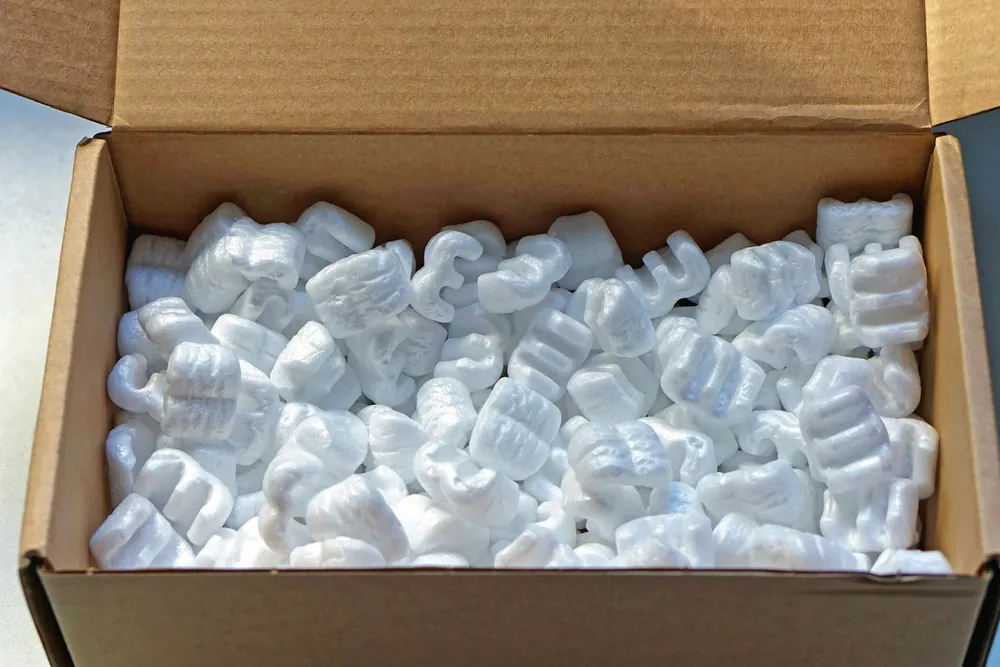
The Illusion of a Perfect Delivery
Hidden damage feels almost mystical: you open a pristine box, only to find your order in bits and pieces. This often happens for some very mundane reasons, such as:
- – Loading Docks: Workers rushing to load trucks may drop pallets or slam them against trailer walls.
- – Staging Areas: Boxes and pallets stacked too high or bumping nearby loads.
- – Cross-Docks: Rushing workers moving freight too fast across terminals can lead to careless drops and bumps.
- – Bad Lift Techniques: The forklift is not being utilized properly to move freight. Forks are being set improperly, spaced incorrectly, or hitting the product directly.
- – Wrong Equipment: Using jacks that are too small or equipment not strong enough to support the freight safely causes sudden shifts and can lead to more accidents.
- – Temperature Variations: Heat, cold, or humidity swings can weaken packaging and cause damage without exterior proof.
Warehouses are busy, fast-paced, operational hubs that require not just quick movement and efficiency but care. Concealed damage is on the rise as warehouses and distribution centers face higher freight volumes, increased use of lightweight packaging, and labor shortages, leading to transportation care corners being cut.
Industries most affected by this are often consumables, electronics, home goods, and industrial components, meaning nearly all supply chains face the hidden damage dilemma. Indicators that signal potential hidden damage include tripped tilt-indicator stickers, minor box creases, and signs of moisture. Check the box for signs of minor damage (crushed corners/bent edges) and moisture. Although these are often not noticeable when considering what to do with your freight, they can indicate and help prove to carriers that damage occurred before delivery.
Without exterior damage, it becomes difficult to prove to carriers, when filing a claim, that the damage occurred before delivery. Carriers assume the freight was delivered in perfect condition unless notified immediately, meaning that if you wait to open the package, time will be against you. Without visible marks or creases, they have the advantage of claiming it was caused after leaving their care. This becomes a frustrating argument over who can prove who wrong, and the carrier is automatically ahead.

Unmasking the Friction
The first 24 hours are critical when filing a claim. While some carriers may offer you an extended time to file the claim, proof is what will win you the case; timing determines success. When damage occurs, carriers and insurers rely heavily on when it is discovered and how quickly it’s reported. The first 24 hours are critical because every hour after delivery is another piece of evidence against you.
When claims are reported immediately, it signals to insurers that the damage DID occur before delivery. At the same time, delayed reporting suggests mishandling at the delivery location, giving the carrier grounds for denial. This isn’t limited to carriers or just insurers. The FMCSA (Federal Motor Carrier Safety Administration) will often treat late discovery as insufficient evidence, even if the damage is apparent.
Having strong evidence is the difference between a paid claim and a denied one. Carriers and insurers look for consistency of claims, clarity, and proof that the damage existed before delivery facilities receive it. When creating your claim package, make sure that you include:
- – Bill of Lading: The BOL is a legally binding document of carriage. When a driver signs to acknowledge pickup without noting any defects, they acknowledge that the shipment is in good condition. This serves as the baseline of your claim.
- – Photos of freight before breaking down the package, during inspection, and after discovering the damage (Video is always better)
- – Packaging Analysis: Show crushed corners, loose wrappings, moisture, or shifting that need to be identified and noted.
- – Seal Checks: Document seal numbers, condition, and look for any mismatches.
- – Chain-of-Custody Logs: Review logs to see who handled the freight and when.
- – Statement and Reports: Collect witness statements from workers and create a product condition report listing all damage and/or missing items.
- – Timestamps: The most important piece of evidence operations can present is timestamps! This shows how long after delivery the items were checked. Claims success is counted in hours, not days.
By creating this package, you can tell a clean, chronological story. That the freight arrived, was inspected, damage was found, and it was reported immediately. This also allows claims teams to reconstruct the handling timeline for when the damage could have occurred and eliminates the argument over who did the damage by showing exactly the pathway the shipment took from beginning to end.
Defensible timelines include your compiled package of proof, including shipment times, tracking information, chain-of-custody logs, and a breakdown of the sequence from receipt to the discovery of the damage. Teams can use all compiled evidence to determine whether the damage occurred in transit or inside the warehouse.

The Magic of a Defensible Claim Package
When shipments arrive damaged, the first to feel the impact is the receiving business, and it trickles down the line: mechanical holds waiting for industrial components, angry customers due to out-of-stock items, and increased lag times as reorders are placed to keep operations moving.
Proactive planning ensures no shipment arrives with external damage or concealed damage. It begins with discipline and predictable handling. This ensures that your team uses proper lifting techniques and receives appropriate training to use them competently. This discipline does not end there; warehouses, carriers, and shippers need to treat freight documentation as a necessary part of their operations, not optional.
For carriers and warehouses, it would also benefit from ensuring their equipment is properly maintained to prevent malfunctions that could damage freight. As well as considering that freight moving through high-touch lanes needs stricter handling, since inspections mean each touch is another point where damage could occur.
For shippers, before freight leaves your facilities or lots, ensure that there are no weak points in packaging: that all seals are sealed properly, that there are no weak or wet boxes, and that pallets have no broken boards, loose nails, or are unstable. Document this with photos, video, and witness-signed condition notes. Should any concealed damage occur, you have proof that it left safely and that everything was secured.
For receivers, once your freight arrives, it is critical that any available staff check and verify there is no external damage, take timestamped photos, and prepare the receiving condition report. Now it’s time to open the box! Workers then follow the same process of checking for damage. If there happens to be any damage or contamination, you have already started your claim package strong and have undeniable evidence of your check, when you did it, and who was present for your claims team. Success is counted in hours, not days in claims; every hour you take to report damage is an hour used against you.
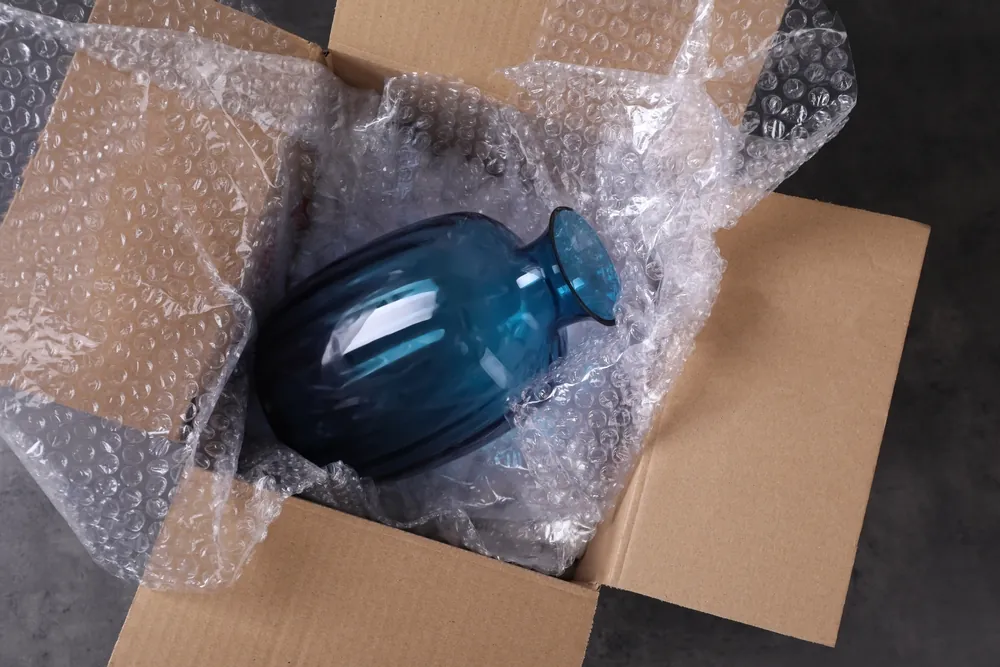
Stopping Concealed Freight Damage
When concealed damage becomes apparent, it’s not just a warehouse problem; it is a major supply chain failure. Broken freight stalls production, delays orders, and causes downstream ripple effects, disrupting operations.
By having a disciplined process for handling freight, proper equipment use, and consistent inspections, the risk of damage, whether visible or not, is reduced. This also allows you to resolve disputes before they arise, as the documentation, from chain-of-custody records to time-stamped photos, serves as your legal shield when things get messy.
Proactive networks understand that the goal isn’t perfection, even with the most perfect supply networks and inspections – accidents happen, and in this case, the goal is proof. This could mean keeping manual records, but many modern-day networks rely on automated alerts, digital documentation, and AI-driven risk detection, which help teams catch early issues and demonstrate compliance.
With every shipment inspected, documented, and verified, you demonstrate reliability that not only wins you claims but also attracts customers and carriers who see accountability. When operations from shippers to carriers to receivers follow similar, if not the same, disciplined standards, concealed damage becomes rare and, more importantly, defensible.
A strong network isn’t determined by who can have the least amount of claims but by how well you can defend it. Logistics is an ever-changing industry that continues to grow. Networks that plan for the inevitable are better prepared when it happens.