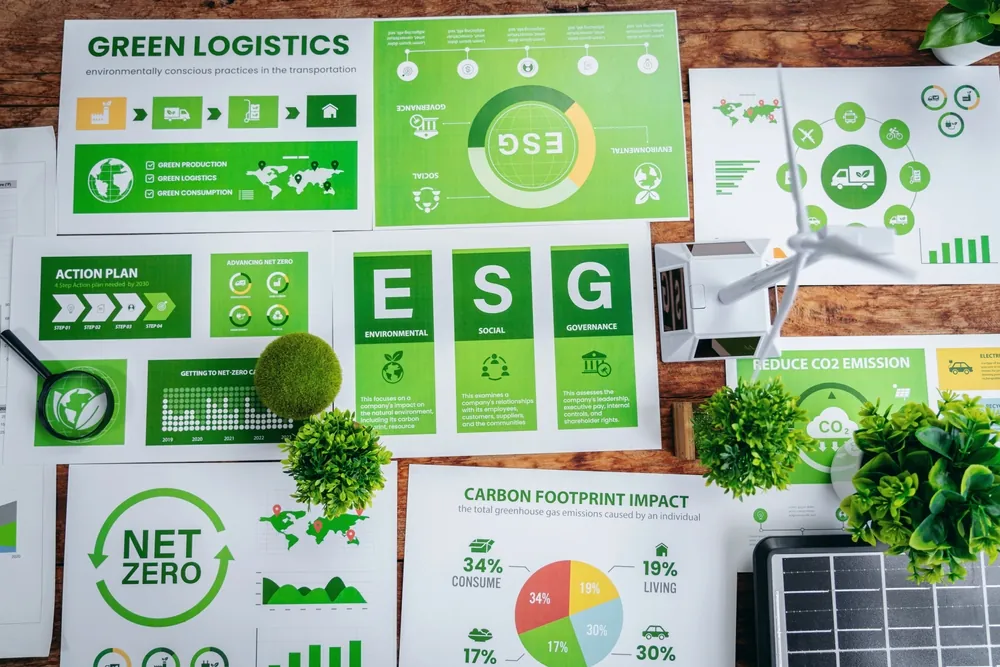
Freight is a massive and integral part of running the world! Without it, so much of what we need would be far away and inaccessible. But shipping goods all around the world comes with costs and consequences, whether intended or not. Freight accounts for 11% of global greenhouse gas emissions, and forecasts expect it to become the highest emitter in 2050 if we don’t change our practices.
That’s why today, many are researching and investing in solutions to curb and eliminate greenhouse gases and pollution in the supply chain. Many target these issues from lots of different angles, such as packaging and transportation solutions. We are going to talk about four ways freight is becoming more eco-friendly and how you can make your business more sustainable with the options available!
1. Reduce by consolidating packages and downsizing.
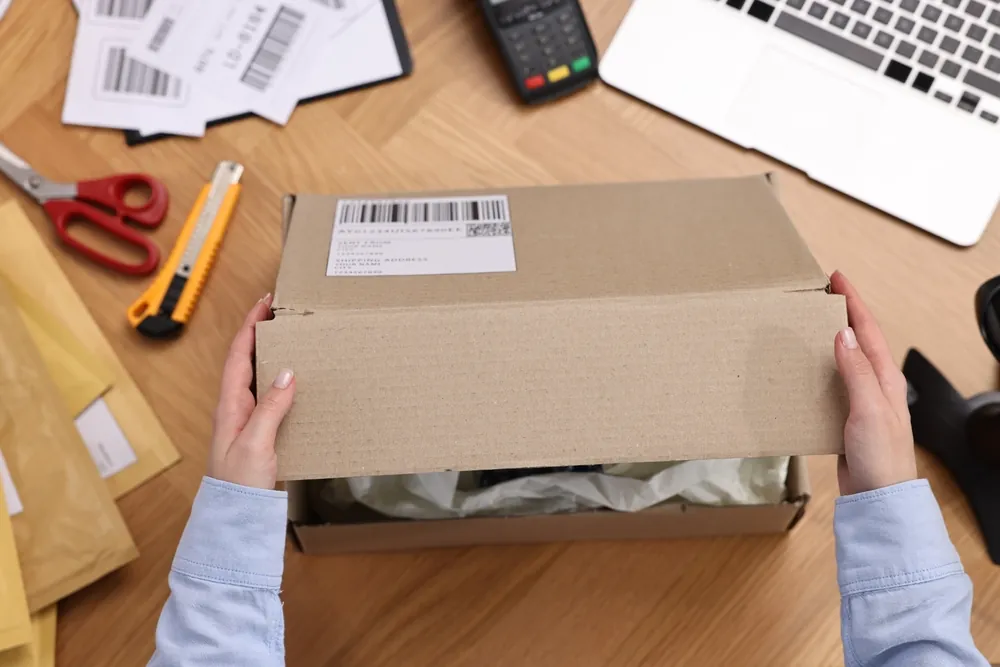
Some may first think of different carriers or different services that they can use to ship their goods. However, I would say it’s important to consider how we are shipping the item in the first place. We want to consider the type of packaging we are using and how big or small it is. So often, people just put the product in a random-sized box and call it done, but that’s a big mistake. Not only do you waste truck space that could be used for other shipments, requiring more travel for warehouses to get things shipped in a timely manner, but you also waste money!
Most freight is priced by dimensional weight (DIM), meaning that instead of just weighing the item to generate a price, the carrier measures the height, width, and length of the entire package and divides it by the DIM Factor to see which is higher. This is done so that space is used efficiently in the freight shipping process.
Measure your goods and find packaging that best fits their size while leaving a few inches of space to allow for cushioning to protect the item. By doing this, you not only save on unnecessary expenses but also allow for more items to be shipped, meaning fewer trips that a truck needs to take to complete a shipping order!

2. Consider alternative packing materials, such as reusing, using recyclable materials, or even SIOC!
There are many ways to package your products. From generic materials that can be used for a wide range of goods to specialized, niche materials designed for different tasks like temperature control or protection. Many continue to innovate freight packaging, and that’s especially true for eco-friendly options!
There are all sorts of options when picking eco-friendly packaging. One that tends to be quite affordable is reusing packaging. Instead of just tossing away a perfectly good box or disposing of clean paper, you can store it away and use it for a shipment! Some may be put off by it, but others, especially eco-conscious buyers, will appreciate the approach. You can even brand it to say something like “lovingly reused packaging” or “this box was given a second life!” to more positively frame its use for the customer. It’s important to ensure that the packaging is structurally sound, not crushed or damaged, so that it can properly protect the item.
Another alternative is using recyclable and compostable materials. Instead of using plastic or foam, you could go for materials like paper mailers, degradable peanuts, recycled cardboard or paper, water-activated tape, soy inks, and more! Some materials are even made from things like wool or seaweed! You could also choose to ship the package in its own container or SIOC. Some items, like baby wipes or TVs, are already well packaged in the manufacturer’s box. This way, you don’t even have to worry about wasting more packaging for something already well packaged!
3. Use less fuel-intensive shipping methods.
As mentioned at the beginning of this article, the freight industry is a major contributor to greenhouse gases. This is because a lot of freight is moved by trucks, which typically use oil and regular diesel, releasing tons of environmentally consequential gases like CO2 and Sulphur. Certain practices may also need more fuel to work, such as expediting your shipment or using airplanes for freight. While most shipping methods use fuel, some are much more efficient and use less fuel than others.
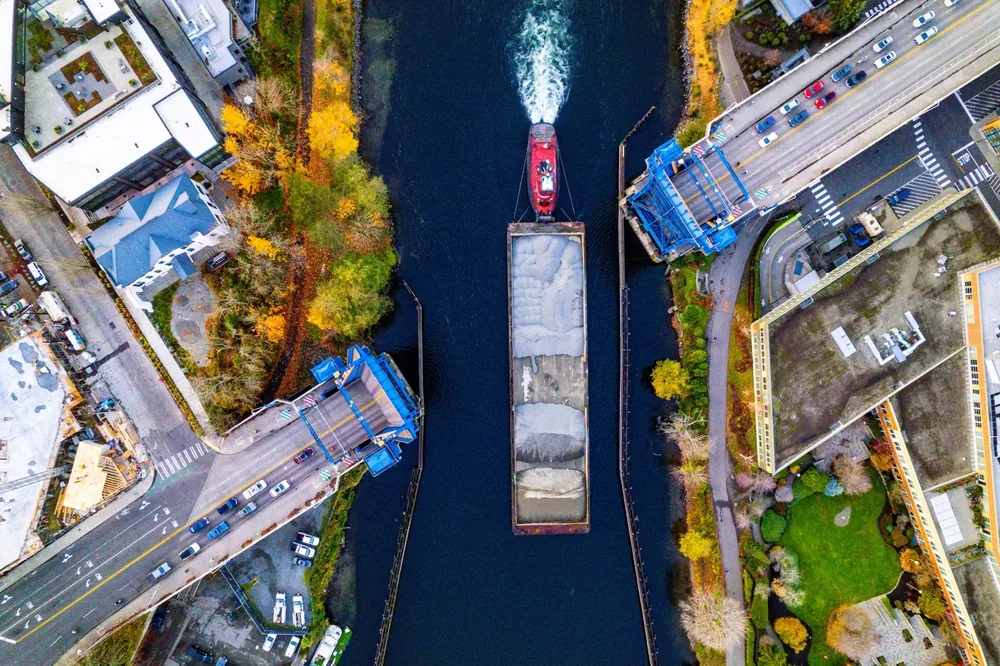
Ocean and barge shipping is by far the most energy-efficient method of freight shipping available. With large barges and cargo ships packed with shipping containers, they can transport hundreds of times more cargo than a truck can, with way less fuel than what an equivalent number of trucks would need. Rail freight is also another good option. While it’s not as efficient as barge freight, it still can carry and transport more cargo at once than trucks.
There are also innovations in how these systems work. New fuels and power systems, such as electricity or biofuels, help lessen the need to use oil and regular diesel. Even if only a fifth of biofuel is used for a truck, it helps mitigate harmful emissions and keep the air cleaner, and it doesn’t even require any changes to a heavy-duty truck’s engine. The advancement of these technologies certainly helps and improves the goal of sustainability!

4. Utilize tech every step of the way
As mentioned above, innovations are happening all the time, like with biofuels and electricity. For example, so much development has been done with freight trucks and changing how they operate, because they are the most common way goods are shipped. We’ve studied, experimented with hybrids and biofuels, and integrated electric vehicle technology with freight trucks, and are slowly putting more on the road each year!
Many of these advancements are also trialed, tested, and created for rail, ocean, barge, and air freight. However, it’s not just the tools used to make freight shipping more sustainable. Different tools, such as transportation management systems, warehouse scanners, and robots, all help to streamline the process. This, in turn, makes routes and processes more efficient, reducing errors and requiring fewer trucks on the road than was needed in the past.
The future of freight is a very interesting one. As automation and AI continue to develop, it can be tricky to see what lies ahead. So many innovations come and go that we can hardly focus on and keep up with what’s new. But as many countries and companies continue to transition to more sustainable systems, the hope remains for net-zero emissions and a cleaner planet!
It can be hard and tricky to know where to start, especially for smaller businesses. But as more people become more conscious of the planet’s health and how we affect it, more tips, tools, and resources come out! When we all help each other and work on making sustainable choices, it makes our planet a better place to live!