
Introduction
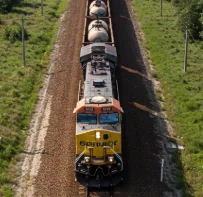
Rail transportation uses wheeled vehicles running on tracks, typically consisting of two parallel steel rails, to transport passengers or goods. Freight rail fits into the broader supply chain because it operates by moving heavy, bulky goods over long distances. Rail transportation is much more fuel-efficient than trucks and carries items like coal, grain, chemicals, and metal, as well as metal shipping containers filled with store products. Here at FreightCenter, we offer rail and intermodal freight shipping solutions to help businesses move heavy or long-distance cargo affordably.
What Is Rail Transportation?
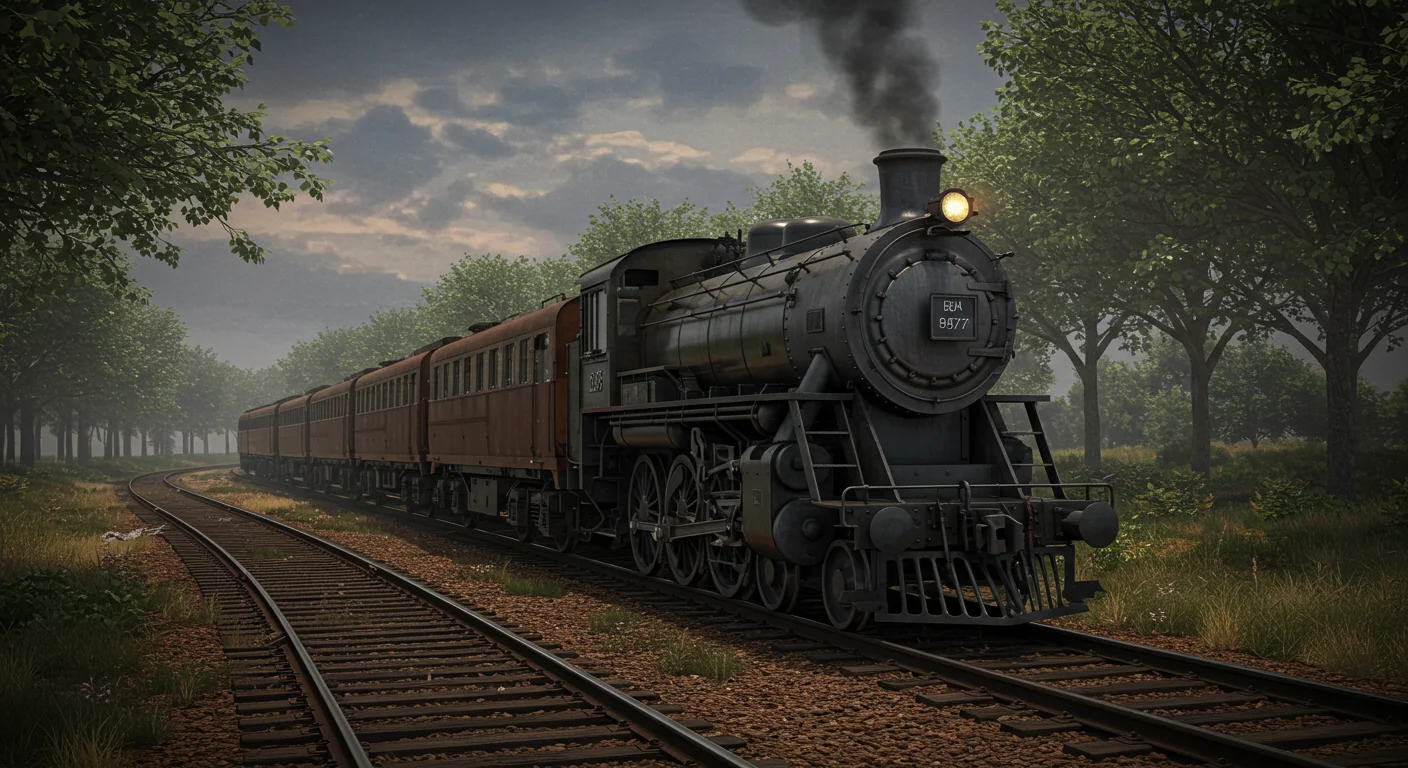
Rail transportation moves freight using trains over established railroad networks.
Common uses for rail transportation include:
– Long-distance freight
-Bulk commodities
-Intermodal containers
-Heavy materials
-High-volume shipments
How Does Freight Rail Work?
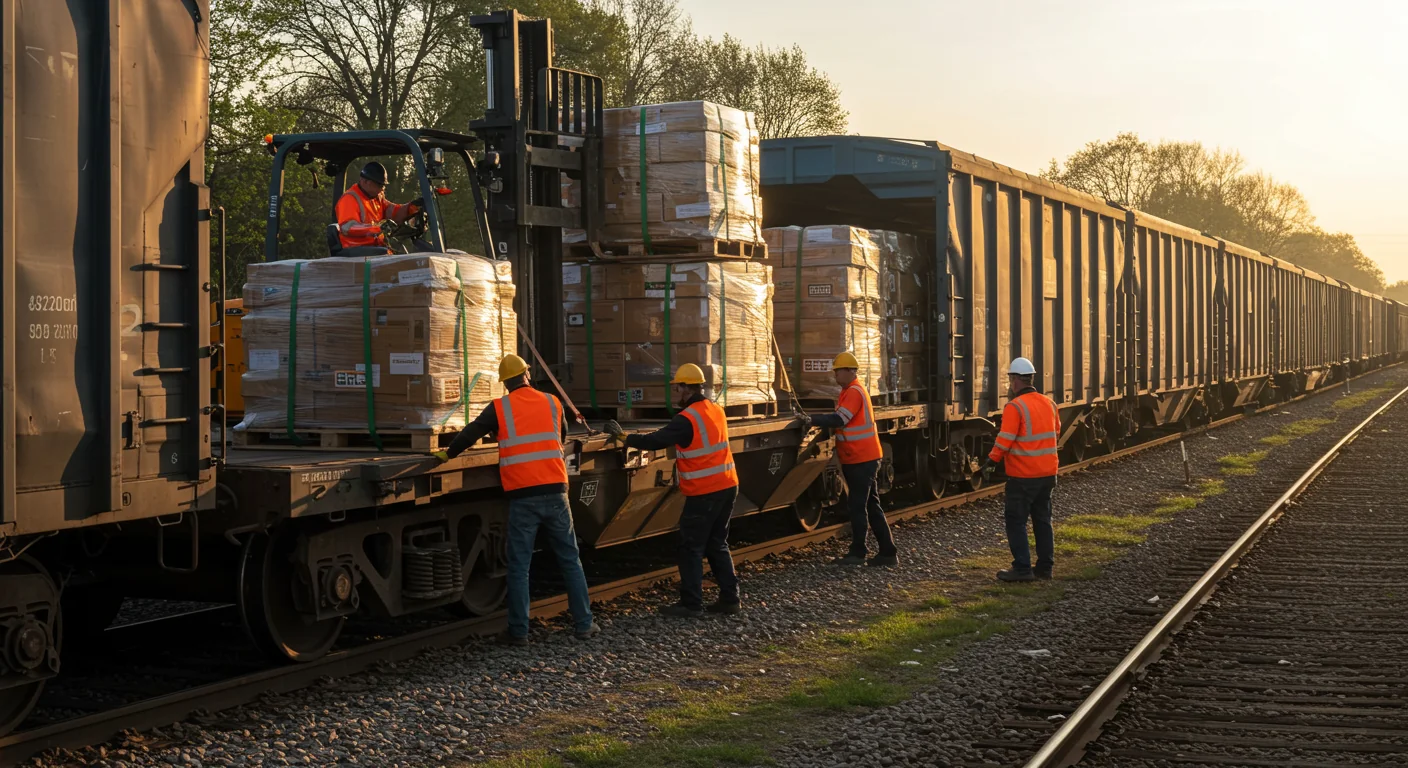
The freight rail process is not hard to understand. The first step in this process is for the freight to be picked up or delivered to a rail terminal. After this step of the process is completed, the next step is to load the cargo onto a railcar or intermodal container. Then next the train will move the shipment between rail terminals. Also, it is important to note that a truck may be used to complete the final part of the delivery process by transporting the goods to their final destination.
What Types of Freight Are Shipped by Rail?
Examples of Freight that is being shipped by rail are listed below:
– Agricultural products
-Coal and energy products
-Chemicals
-Lumber
-Steel and metals
-Automobiles
-Construction materials
-Consumer goods
-Intermodal containers
-Industrial equipment
Types of Rail Freight Transportation
Intermodal Rail Shipping
Intermodal rail shipping combines rail and truck transportation in order to move freight. During this process, when it comes to rail transportation, the same container or trailer is used for the majority of the journey. However, a truck typically handles pickup and delivery. Meanwhile, the railroad carries the shipment over the longer middle portion of the route.
Boxcars
Boxcars are another form of rail freight transportation option for enclosed freight that needs protection from weather. These cars protect freight from weather, theft, or even damage during transit. Some products they are commonly used for include appliances, automotive parts, and also other palletized or boxed freight.
Flatcars
Flatcars are used in rail freight transportation to transport large equipment, machinery, vehicles, steel, lumber, and other oversized cargo. Unlike boxcars which are limited to the type of freight they can carry, large equipment can be transported with flatcars because it doesn’t have to be enclosed.
Hopper Cars
Hopper Cars are used in rail freight transportation to transport loose and bulk materials such as grain, coal, sand, gravel, and fertilizer. This type of car is loaded from the top and is unloaded through the doors or chutes on the bottom, meaning hopper cars are efficient for transporting large quantities of bulk freight.
Tank Cars
Tank Cars in rail freight transportation are used to transport bulk liquids and gases, including chemicals, food-grade liquids, and other industrial materials. Tank cars are considered specialized railcars, and the type of car used depends on the properties or handling requirements of the cargo.
Refrigerated Rail
Refrigerated Rail uses temperature-controlled railcars or intermodal containers to move items that are temperature-sensitive. These railcars are ideal for products such as food, beverages, produce, and other goods that need to remain within a controlled temperature range during transport.
Benefits of Rail Transportation
Cost Efficiency for Long Distances
Rail can be cost-friendly and also economical for qualifying high-volume or long-distance freight. This is because larger volumes of freight can be moved over long distances with rail transportation, decreasing the cost in comparison to truck transportation.
High Capacity
Rail transportation is high-capacity because trains can move large volumes of freight at once. The fact that it can operate at high capacity means that rail is well-suited for transporting bulk commodities, intermodal containers, vehicles, and other high-volume shipments over long distances.
Reduced Highway Dependence
Rail transportation can shift freight away from long-distance truck routes. When large volumes of freight can be moved over long distances by rail rather than by truck, traffic can be significantly reduced. Road congestion is reduced, and the number of long-haul truck miles needed for shipments would be decreased.
Fuel Efficiency
Rail transportation is fuel-efficient because trains can move large amounts of freight and use less fuel per ton-mile than many trucks. Because rail transportation is fuel-efficient, it is especially useful for heavy and high-volume shipments that need to travel long distances.
Intermodal Flexibility
Rail transportation offers intermodal flexibility. In other words, truck and rail can work together to provide door-to-door transportation. Rail transportation and intermodal flexibility mean that freight can be moved by train for the long distance of a trip; meanwhile, a truck can be used to load the freight onto the train and unload and deliver the freight.
Disadvantages of Rail Transportation
When considering rail transportation, it is important to note that there are disadvantages; to learn about them, refer to the bullet points below:
-Less route flexibility than trucking
-Rail-terminal access is required
-Longer transit times on some lanes
-Additional handling during intermodal transfers
-Not ideal for every shipment size or delivery deadline
-Final-mile trucking is often still required
Rail Transportation vs. Trucking
| Rail Transportation | Truck Transportation |
|---|---|
| Well suited for long distances | Flexible for short and long distances |
| Moves large freight volumes | Handles a wider variety of shipment sizes |
| Uses fixed rail networks | Provides direct road access |
| Often requires terminal transfers | Can provide door-to-door service |
| May offer lower costs on qualifying lanes | Often provides faster transit |
| Common in intermodal shipping | Used for LTL, truckload, flatbed, and specialized freight |
What Is Intermodal Rail Shipping?
Intermodal rail shipping involves the process of combined shipping. Specifically, this is when shipping combines rail and truck transportation. The freight is moved in the same trailer or container for most of the route. Meanwhile, trucks typically handle pickup of the freight as well as the final delivery.
The diagram below shows how a typical intermodal shipment travels:
When Does Intermodal Shipping Make Sense?
Potentially good for:
-Longer shipping distances
-Regular freight lanes
-Containerized freight
-Shipments with flexible transit requirements
-Higher-volume transportation
What Affects Rail Freight Shipping Costs?
Shipping distance: longer trips can increase total transportation costs, although rail can be more efficient per mile on qualifying long-distance lanes.
Freight weight: Heavier or higher-volume shipments can require more railcar or container capacity.
Commodity: A commodity type can affect rail frieght shipping costs because, depending on the commodity, a different railcar may need to be used.
Rail lane: Rail lane affects rail freight shipping costs because pricing depends on the origin and destination, available rail service, terminal access, and distance.
Container or railcar type: Container or railcar type can affect rail freight costs due to differences in equipment, capacity, handling, and loading methods.
Fuel: Fuel-related charges can affect the total transportation price
Pickup and delivery trucking: Most rail freight shipments require trucks at the start and end of a shipment, which can affect costs.
Terminal handling: Terminal handling can affect rail freight shipping costs because freight may need to be loaded, unloaded, transferred, or moved between trucks and trains.
Shipment volume: Shipment volume affects freight shipping costs because larger shipments take up more trailer or railcar capacity.
Transit requirements: Transit requirements affect freight shipping costs because faster delivery windows, guaranteed service, appointments, or time-sensitive shipments may require premium transportation options.
How Long Does Rail Freight Take?
All rail transit depends on several factors. To learn more about these factors, refer to the bullet points below:
-Origin and destination
-Rail network
-Terminal schedules
-Intermodal transfers
-Weather
-Equipment availability
-Final-mile transportation
Given all of these factors, promising a universal transit time should be avoided.
How to Prepare Freight for Rail Transportation
When it comes to preparing freight for rail transportation, everything that is listed below should be included:
-Confirm weight and dimensions
-Select proper packaging
-Secure freight against movement
-Choose the correct equipment
-Provide accurate commodity details
-Account for transfers and handling
-Confirm pickup and delivery access
Is Rail Transportation Right for Your Shipment?
Rail transportation may be worth considering when your freight will be traveling a long distance. Also, if you have a high-volume shipment, rail transportation can be beneficial. If your transit time is flexible, going with rail transportation would be your best option. If your origin and destination have suitable rail access, you should consider rail transportation. On the other hand, truck transportation may be better for urgent, short-distance, specialized, or highly flexible deliveries.
How FreightCenter Helps With Rail and Intermodal Shipping
Here at FreightCenter, we can help your business by comparing intermodal and truck transportation options. We work with you to evaluate shipment requirements and coordinate truck and rail movements. We also compare freight rates and select appropriate transportation services. Call us today to explore intermodal shipping and get support from one of our freight experts.
Rail Transportation FAQs
1. What is rail transportation?
Rail transportation moves freight by train over established railroad networks and is commonly used for long-distance, bulk, and high-volume shipments.
2. How does rail freight shipping work?
Freight is moved to a rail terminal, loaded onto a train, transported between terminals, and often completed by truck for pickup and final delivery.
3. What products are commonly shipped by rail?
Common rail freight includes grain, coal, chemicals, steel, lumber, vehicles, construction materials, industrial equipment, and intermodal containers.
4. What is intermodal rail transportation?
Intermodal rail transportation combines truck and rail service, with trucks handling the first and final legs and rail covering the longer middle portion of the trip.
5. Is rail freight cheaper than trucking?
Rail freight can be more cost-effective than trucking for certain long-distance, high-volume shipments, but total cost depends on the lane, equipment, drayage, and handling requirements.
6. Is rail transportation faster than trucking?
Not usually. Trucking often provides faster and more direct transit, while rail is better suited for shipments with more flexible delivery schedules.
7. What are the advantages of rail transportation?
Rail transportation offers high capacity, fuel efficiency, potential long-distance cost savings, and strong intermodal options for moving large freight volumes.
8. What are the disadvantages of shipping by rail?
Rail shipping is less flexible than trucking, depends on fixed rail networks, may require terminal transfers, and often needs trucks for first- and last-mile service.
9. How are rail freight rates calculated?
Rail freight rates are influenced by distance, commodity, shipment volume, rail lane, equipment type, terminal handling, drayage, fuel, and transit requirements.
10. Can FreightCenter help arrange rail transportation?
Yes. FreightCenter can help businesses compare rail and intermodal freight options, coordinate truck-and-rail service, and evaluate shipping rates for qualifying shipments.