
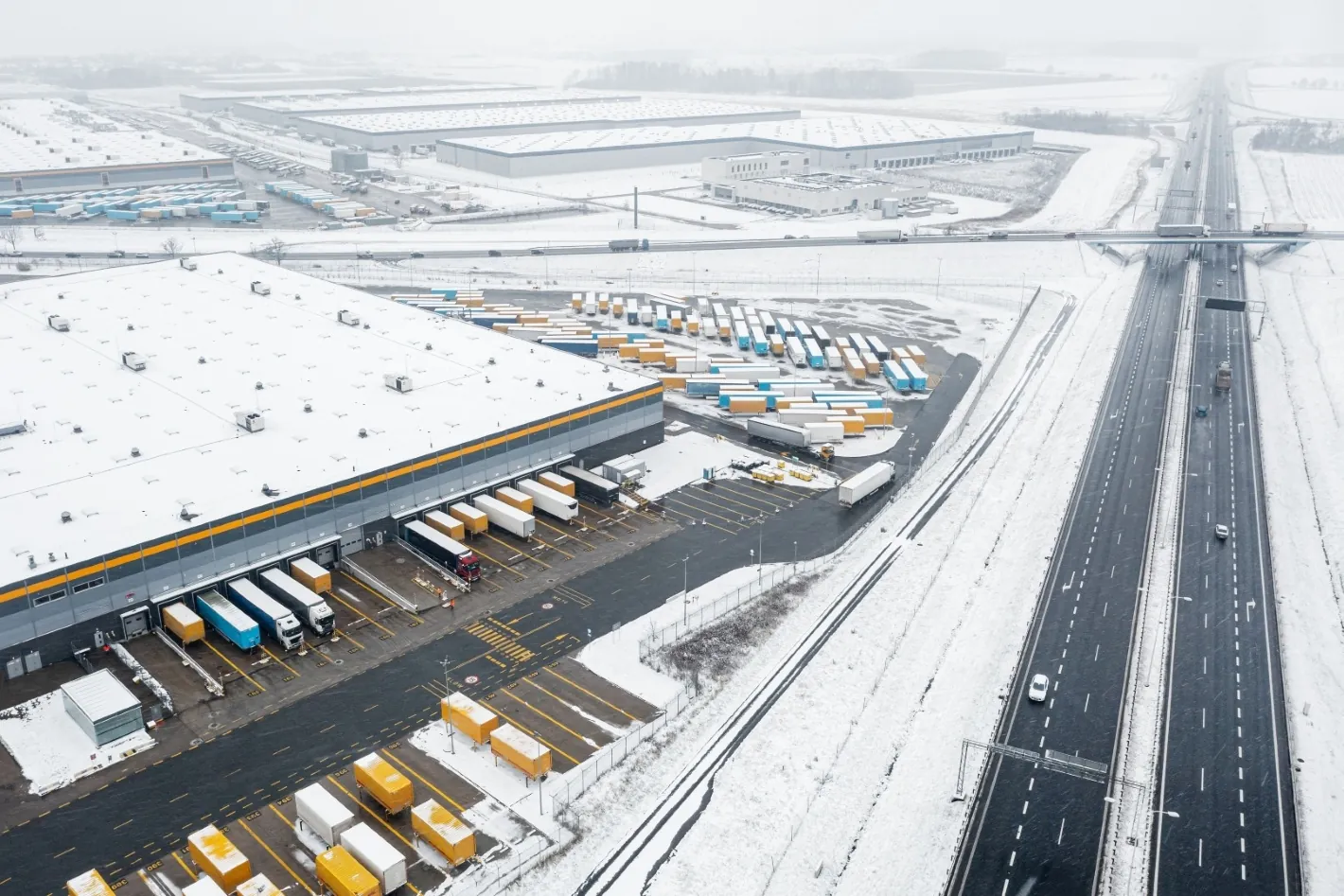
For half of the year, adverse weather conditions during winter can significantly disrupt supply chains and logistics, causing delays and challenges in the delivery of products. Truck drivers need to exercise more caution while on the road, as severe weather, limited visibility, and icy roads threaten to derail operations. More importantly, rates are affected by the shift in weather.
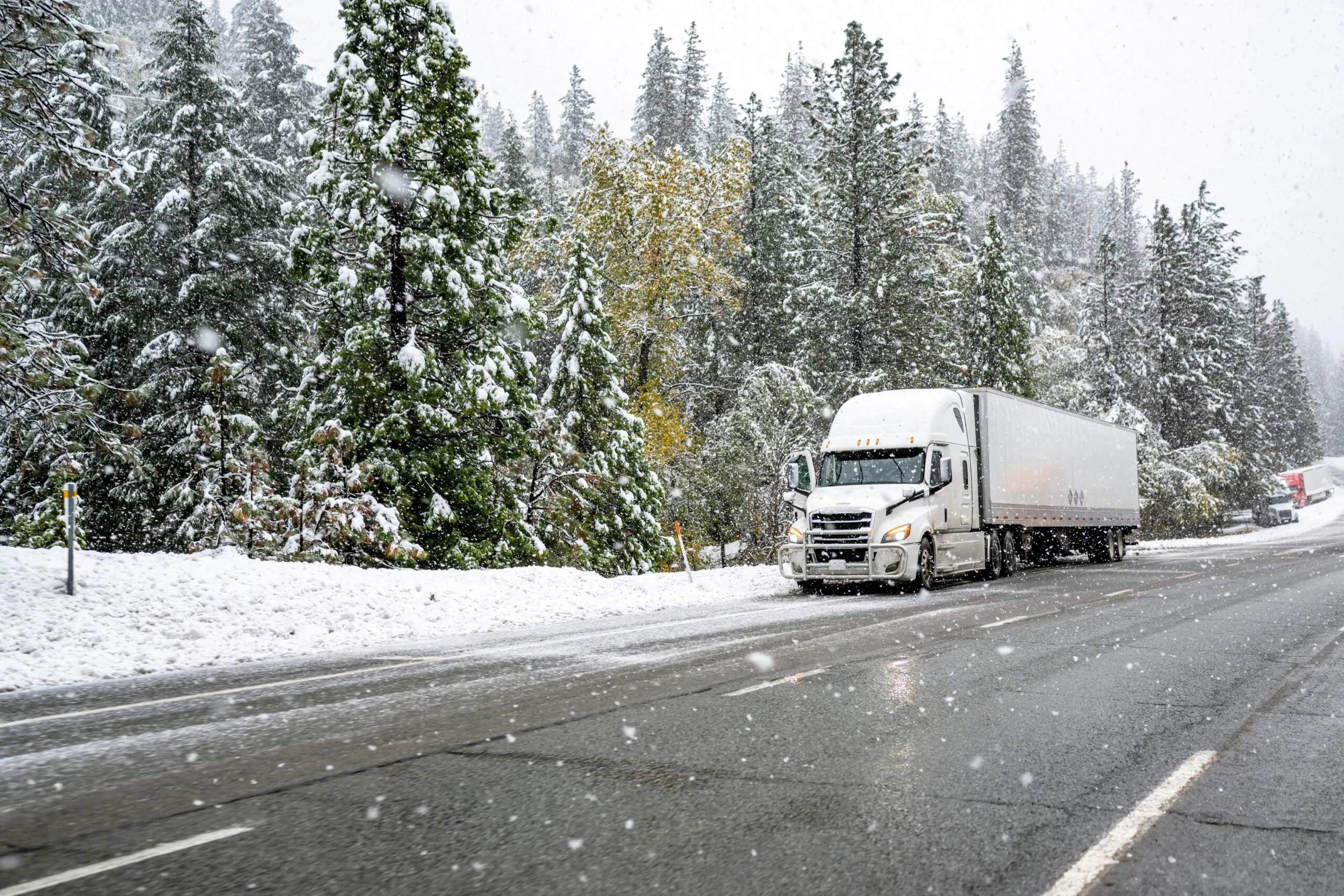
How Weather Affects Winter Shipping
For several regions in the United States, winter weather isn’t the same for everyone. The Northeast, Northwest, and Midwest states are far more likely to experience winter conditions than states in the West, South, and Southeast. Depending on where a shipper originates, they may not think about how winter conditions can affect them. It’s important for both carriers and shippers to think about winter conditions, no matter where they’re based out of.
There are several reasons why winter weather affects freight shipping. These include unpredictable weather, extreme cold, lack of sunlight, and timeline changes.
Unpredictable Weather
One of the most well-known attributes of winter weather is its unpredictability. Roads become slick with ice quickly, snowstorms dump snow overnight, and winds become harsh and dangerous. These conditions are dangerous to everyone on the road, both the public and truckers alike.
Truckers are likely to encounter weather-related roadblocks, increased traffic, and slower driving during winter weather. These disruptions cut into their Hours of Service (HOS), resulting in time and distance losses. Losing time in transit leads to delayed shipments.
Extreme Cold
Many northern states reach temperatures into the negatives during the winter months. The cold doesn’t just affect driving conditions; it also can lead to the breakdown of semi-trucks. Truck engines and other internal systems are at an increased risk of issues or breakdowns when operating in the cold. These machines, most of the time, are not built to operate under extremely cold conditions. The extreme cold cuts into a driver’s HOS just as much as unpredictable weather. A driver’s time is spent more on warming engines and performing safety checks than on the road.
Lack of Sunlight
With the winter months comes shorter days and longer nights. Aside from weather conditions, the lack of sunlight is one of the biggest disruptions to the trucking industry. Truckers will feel the lack of sunlight as they drive, experiencing lowered visibility and fatigue. The risk of delays and accidents is higher, as darkness limits depth perception and makes it harder to identify hazards on the road.
Timeline Changes
Carriers aim to get shipments to their destination as quickly as possible. However, timelines look different throughout the year. Carriers need to plan what their just-in-time (JIT) system looks like in summer vs winter. Where a shipment may have taken one day to travel to its destination during summer, it could take 2 or 3 days in the winter. If a shipment becomes delayed due to the weather without warning, it may lead to a production delay for the consignee.

Tips for Navigating Shipping in Winter Weather
Shipping in winter may be complicated, but there are steps to navigating it.
1. Stay Flexible
Winter weather is unpredictable and there’s no way to fully plan for it. That’s why it’s important to build flexibility into your shipping schedule. By widening your pickup and drop-off windows, it makes it easier for the freight to stay on track. It helps budget a better timeframe and keeps the driver safer, since there’s no rush to meet the deadline.
2. Prioritize Visibility and Communication
When deciding on your carrier, make sure to choose one that prioritizes visibility and communication. If you have access to real-time shipment tracking, you’re able to keep an eye on where your freight is and when it should arrive at its destination. They should also have route monitoring to ensure that the truck stays on the most time- and cost-efficient route.
3. Plan for Problems Before They Happen
It’s better to have a back-up plan in place long before it may be needed. When weather closes interstates or traffic piles up, it’s best to have alternate routes available. Other examples of what should be in your back-up plan include:
– planning for equipment alternatives
– identifying more than one window for your shipment to be moved
– optimizing storage or rerouting procedures
4. Prepare Your Shipments Properly
The first step to making sure your shipments get to their destination safely is by preparing them properly. The winter weather could damage your freight if it’s not packaged correctly, meaning it’s best to take extra care to ensure its safety. If your freight is being transported on a pallet, make sure it’s tightly and securely wrapped to avoid shifting that may occur in transit. Most important during cold weather is to protect freight that may be temperature-sensitive and can’t risk accidentally freezing. For these types of freight, it’s best to protect them with insulated wraps and heated trailers.
5. Book Early
If you know you’ll be sending shipments throughout the winter, it’s best to book early. Booking early helps to secure lower rates and equipment during the time of the year when capacity tightens. Rates generally rise the closer it gets to the winter season, meaning it’s important to start planning months in advance in order to stay cost-effective.
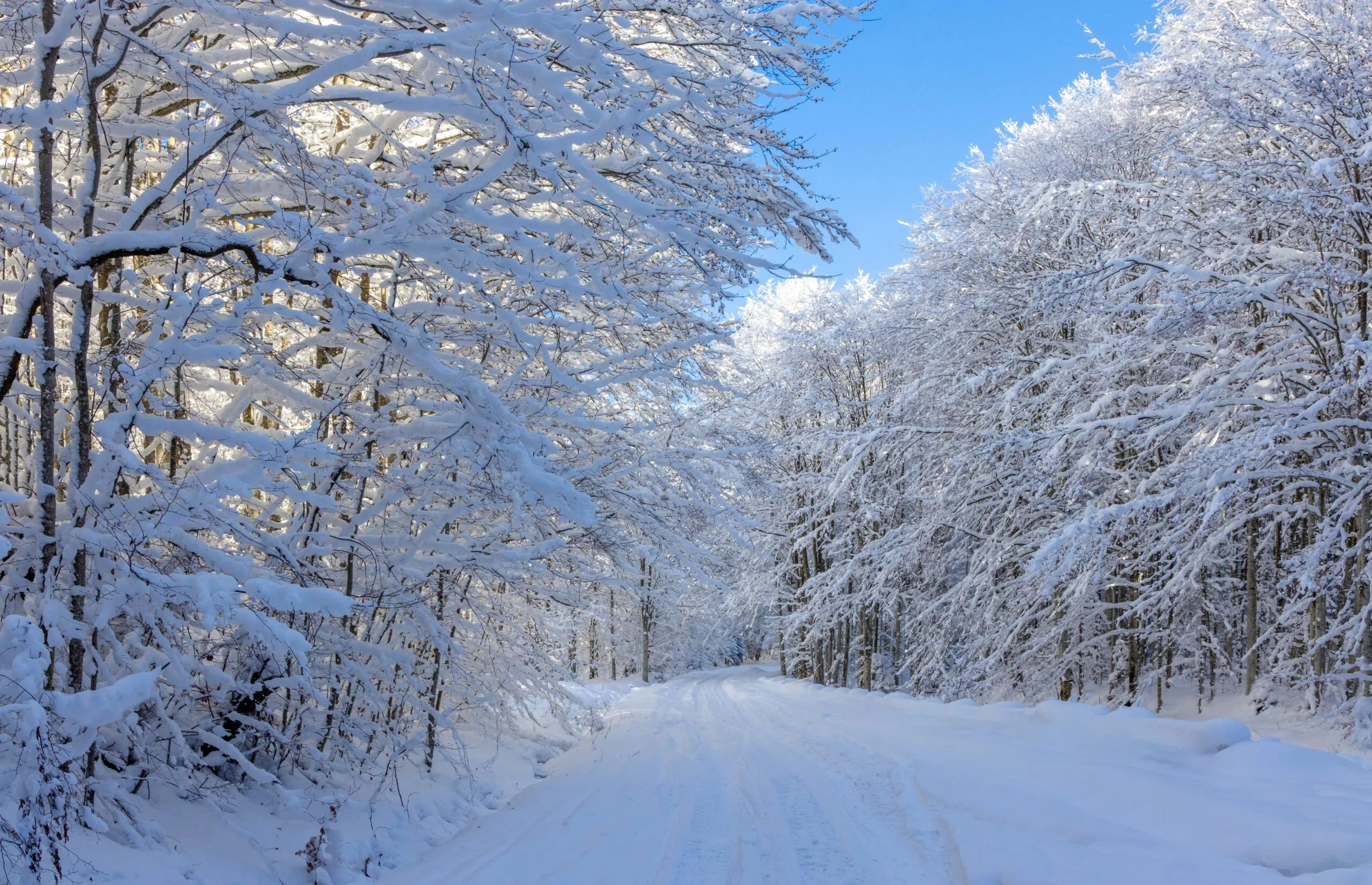
Winter Weather Outlook for 2026/2027
Looking towards the 2026/2027 winter season, it may end up being a year of varied weather across the United States.
The South
With El Niño underway, it’s looking like there may be more rain and storms for much of the southern United States. Frequent storm systems may bring sleet, freezing rain, and even snow throughout winter, as well as surges of cold air. This leads to dangerous road conditions for drivers.
The Midwest
The weather in the Midwest may remain average this winter, but for some areas, they may experience shifting conditions. Sudden cold snaps, sudden snow squalls, and harsh wind conditions are to be expected for states near the Great Lakes, in the Plains, and out West. The uncertainty of shifting conditions leads to rapidly changing road conditions, meaning truckers need to stay alert while traveling.
The Northeast
For the Northeast, winter weather may bring heavy snowfall and quick storms. Communities situated by the coast will experience more rainfall or mixed precipitation, while those inland will receive heavy snow or sleet. With one region experiencing a variety of weather so close together, carriers and shippers need to stay alert to every forecast before they move freight.
No matter what region you ship out of, it’s best to prepare for the coming winter weather now before it delays your plans.
Conclusion
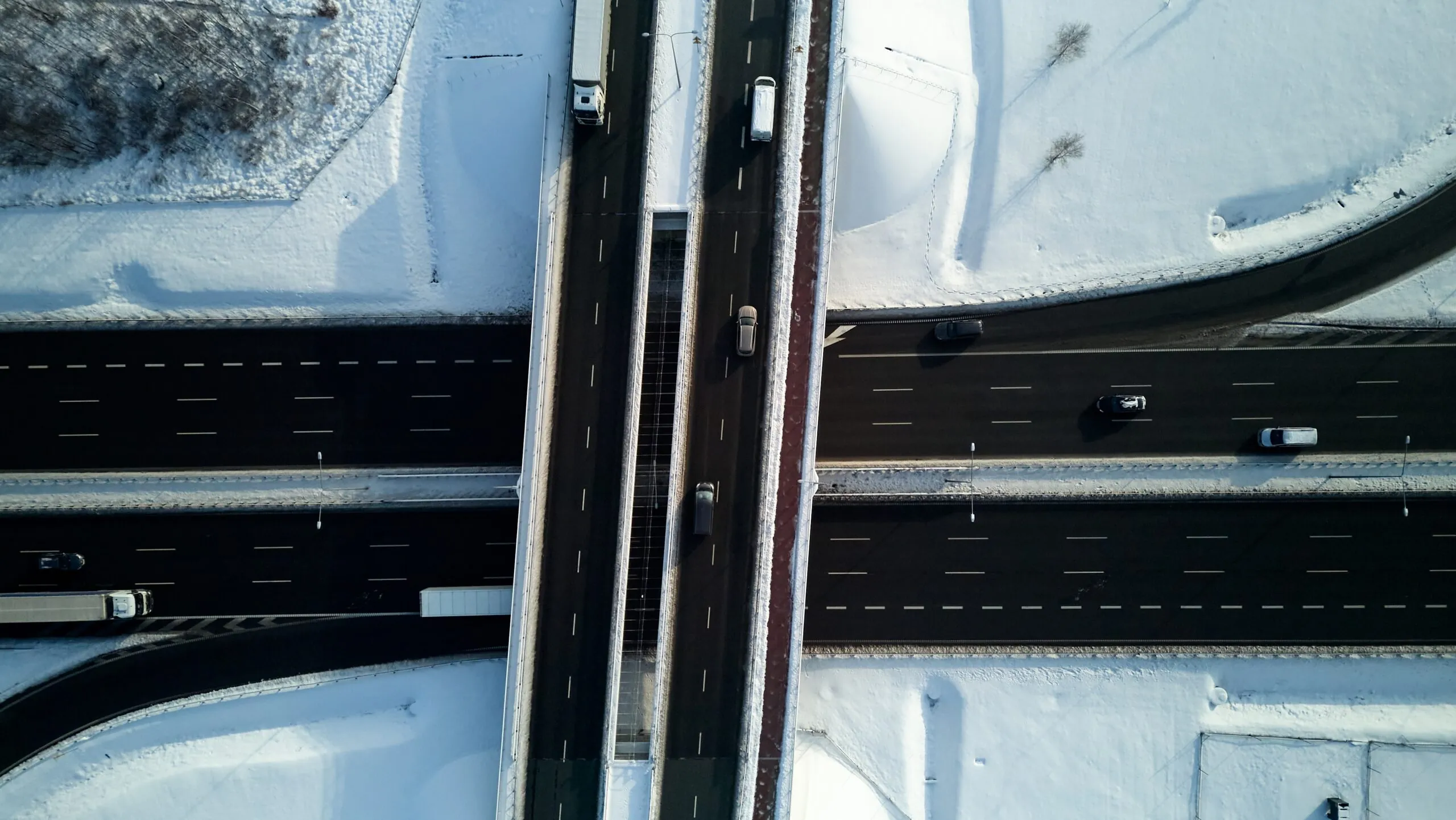
Winter weather may slow your supply chain down, but there are ways to keep it running smoothly.
Partnering with a third-party logistics company (3PL) allows for easy shipping. FreightCenter is here to make your winter shipping as smooth as possible. We have dozens of qualified carriers who have experienced the roughest winters and know how to prepare for them. Our expert agents will guide you throughout the shipping process, from receiving a quote to after delivery. Make FreightCenter your shipping partner this winter.
Get a free online quote today or call one of our agents at (800) 716-7608.