

When you think of temperature-controlled shipping, do you imagine a crate of items in a freezing trailer? Or a container full of ice? That’s not exactly all that goes into it.
Temperature-controlled shipping relies on all aspects of the supply chain, from how the shipper packages the items to how the carrier handles them while in transit. It’s a meticulous process that requires a lot of work from everyone. But if you’re shipping temperature-controlled items for the first time, it may seem overwhelming. Well, there’s no need to stress! We’ve put together the four most important tips you need to know to get started.
4 Tips for Shipping Temperature-Controlled Items
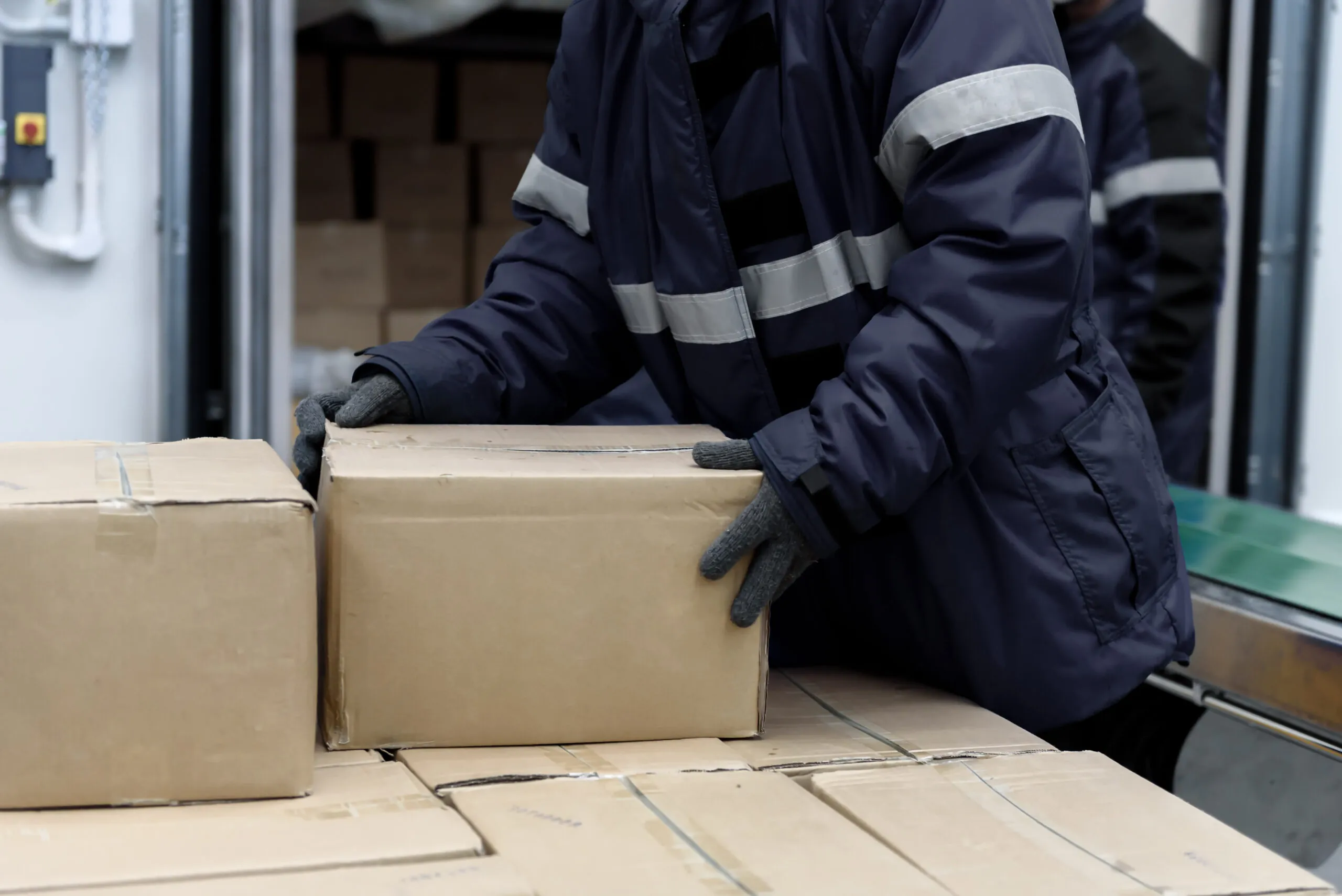
Use the Correct Packaging for Temperature-Controlled Items
Depending on what’s being shipped, there are strict guidelines on how temperature-controlled items should be packaged. The items should be shipped in either a sturdy cardboard box or a foam-insulated shipping container. No matter what type of container you use, it’s best to package the items with insulated packing materials. A few options include:
– Foam inserts
– Insulated liners
– Thermal blankets
– EPS foam
– Reflective materials to reduce the transfer of heat
You’ll want to add coolants to keep any frozen or refrigerated items cool during transit. To keep items between 34 and 50 degrees, place gel packs into the packaging. For frozen items, use dry ice. Other commonly used options for cooling include foam brick freezer packs, pliable freezer packs, and solid plastic ice packs.
Make sure to line your box or container with insulated material if it wasn’t already and tape down the coolants. Taping them down prevents any movement or damage that may occur while in transit. Adding additional fill-in material, such as bubble wrap or packing peanuts, is also another way to reduce the items from shifting. Finally, make sure to label the box appropriately with either “Perishable” or “Keep Refrigerated” to alert carriers to the time-sensitivity of the items.

Time Your Shipment Strategically

Considering the nature of temperature-controlled items, there’s very little room for error when shipping. Though there’s no way to predict delays, there are steps you can take to reduce the likelihood of them. Before shipping the items, make sure to account for the weather at the origin site, along the route, and at the delivery destination. Weather is one of the biggest causes of delayed shipments, so it’s best to get ahead of it.
Weekend delays can be detrimental to temperature-controlled goods. It’s best to schedule shipments earlier in the week to combat it. If a shipment needs to make it to its destination quickly, expedited shipping is your best bet. Expedited shipping also keeps worries of temperatures fluctuating to a minimum, as there’s no extra time between pickup and drop-off. Stay on top of your shipments to reduce delays and choose the right option for your items.
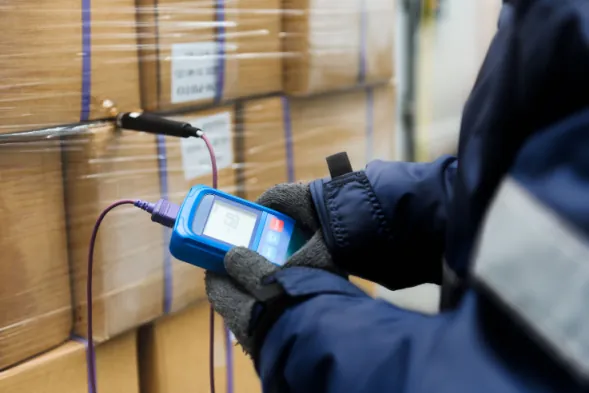
Monitor Conditions and Temperatures
Take note of the temperature and condition of your goods before you send them out for shipment. This will act as a reference point to ensure that the items remain within the proper temperature threshold. It’s best to implement GPS-enabled devices and sensors into the package that will track the temperature fluctuation during transit. It’s an easy way to make sure your package stays at the correct temperature during the journey. If something goes wrong, you have the data to examine what went wrong.
Depending on the industry, these devices may be required. Food and medical logistics rely heavily on temperature-controlled shipments, making it essential that they have the data to rely on if the shipment arrived in proper condition. The Food Safety Modernization Act (FSMA) has updated regulations for shippers and carriers to follow, so always double-check what is required before sending out a shipment.

Partner with a 3PL
With a Third-Party Logistics (3PL) company, like FreightCenter, you won’t be left confused. Our expert agents are here to guide you through the process, from finding the right carrier to helping you understand regulations. We partner with carriers with proven experience in moving temperature-sensitive items.
We’re here to help you up your shipping game, getting your goods from Point A to Point B efficiently and safely. With over 25+ years of experience, we’ve helped dozens of businesses move their cold and frozen items successfully. We know how to navigate cold chain logistics, and we’re here to guide you. Get an instant online quote today or call one of our agents at (800) 716-7608.