When one thinks of dangerous activities, there are all sorts of examples one can think of. Some activities, such as skydiving or mountain climbing, are inherently seen as riskier. However, other activities that we do every day aren’t, like driving.
The U.S. is a car-dependent society, with over 94% of those 16 and older driving at least occasionally. That’s tens of millions of people on the road every day, whether it’s you or a bus driver taking you around. With so many people driving, accidents are bound to happen.
In the U.S. alone, over 2 million people were injured on roadways, and over 39,000 people were killed in motor vehicle traffic accidents in 2024. These accidents can happen in many different ways, whether that be hazardous weather, distracted driving, driving under the influence, or some other cause.
But while we usually have to drive a few hours, truckers typically drive 10+ hours each day. This leaves truckers more exposed to road hazards and requires greater vigilance, especially while hauling a gigantic truck around.
While most of the driving can be straightforward and remain safe, some roads tend to be more difficult to traverse and require extra attention and focus.
Route 2
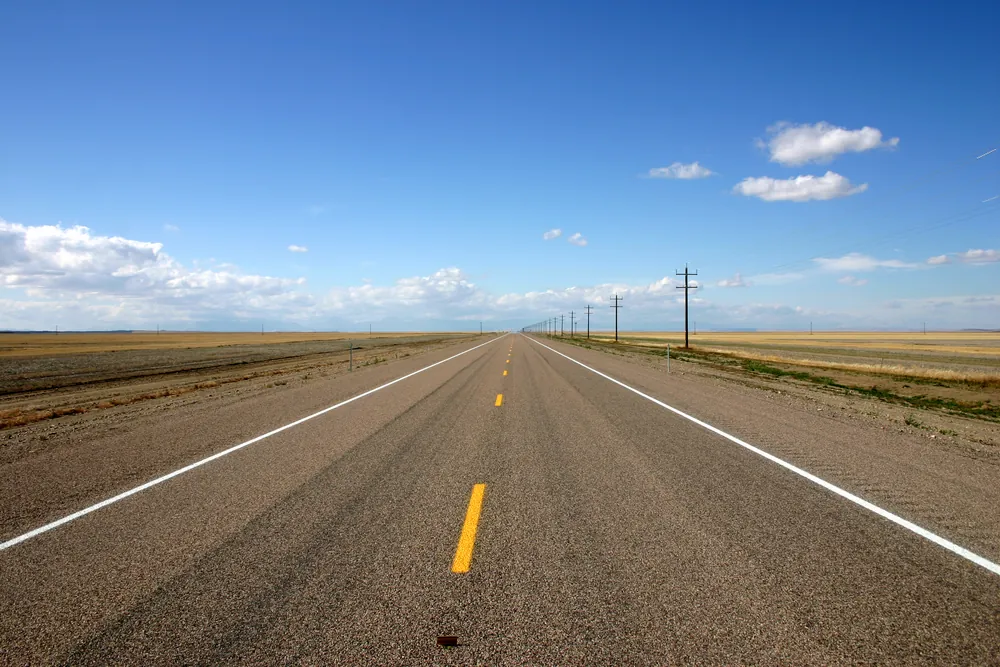
Route 2 is an entire country-spanning road, connecting the U.S. up north, going from Washington State all the way to Maine. Interestingly, since this road is so far north, the physical road itself is cut off in the middle and is divided into two sections: the western side that spans from Washington to Michigan, and the eastern side that goes from New York to Maine.
However, when talking about the challenges of Route 2, most people consider the most troublesome part of the road to be in Montana. Spanning a little over 666 miles, it is the longest stretch of Route 2 contained in one state. It also lies in a more remote part of the route, where the road is farther away from important services such as hospitals and gas stations.
This combination of long roads and rural surroundings makes the drive much more lonely and easier for drivers to speed through. With fewer stops and faster speeds bringing a higher likelihood of accidents occurring. This is especially true in the wintertime, where the twists and turns of the road become more treacherous with higher winds, snowfall, and ice formed on the roads.
I-70
I-70 is an interstate spanning all the way from Utah to Maryland. Unlike routes, which are typically older and primarily maintained by the states they are in, most interstate highways are created and maintained by the federal government in partnership with states.
This interstate goes through many different environments, from high-elevation mountain ranges to low-lying cities. However, the two most troubling areas for truckers to drive through tend to be Colorado and Indiana.
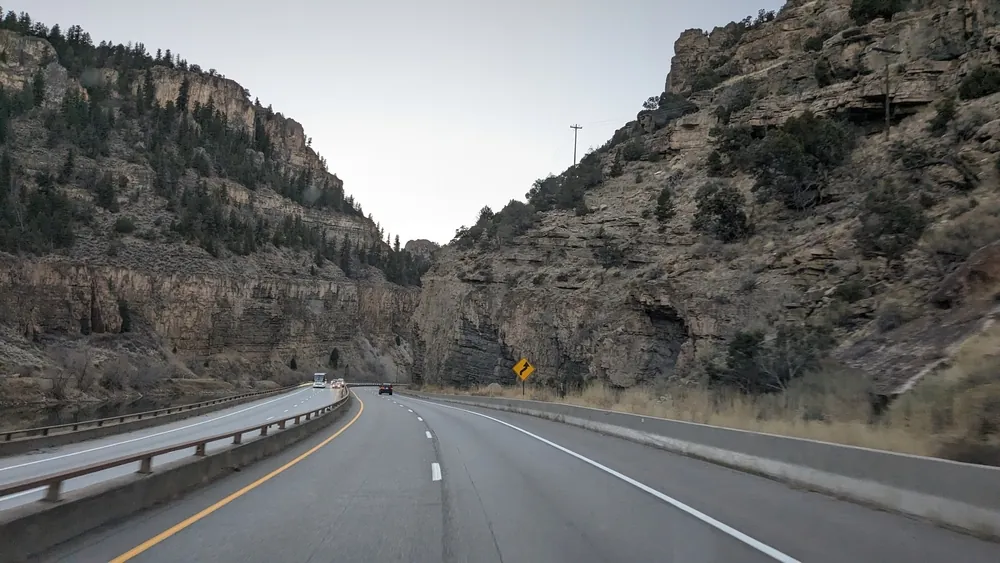
For the Colorado stretch of the journey, drivers have to face the conditions of the Rocky Mountains. While certainly a beautiful sight to see, the weather conditions leave truckers in a highly challenging position.
This is especially true in the wintertime, where snowfall, rockfall, and ice make driving more difficult or even impossible. Places commonly impacted in this area tend to be Glenwood Canyon, the Vail Pass, and the Eisenhower Tunnel.
However, Colorado is not the only offending part of I-70; in fact, some might consider its east side in Indiana worse! While the weather is not as severe a challenge, the road itself is much more treacherous, with complaints of improper maintenance and terrible pavement conditions. While this seems to be an ongoing issue for Indiana’s road infrastructure, it seems to be so severe for I-70 that it has been rated the worst individual route among the top 10 worst states, with Indiana being surveyed as the worst state for truckers.
Dalton Highway
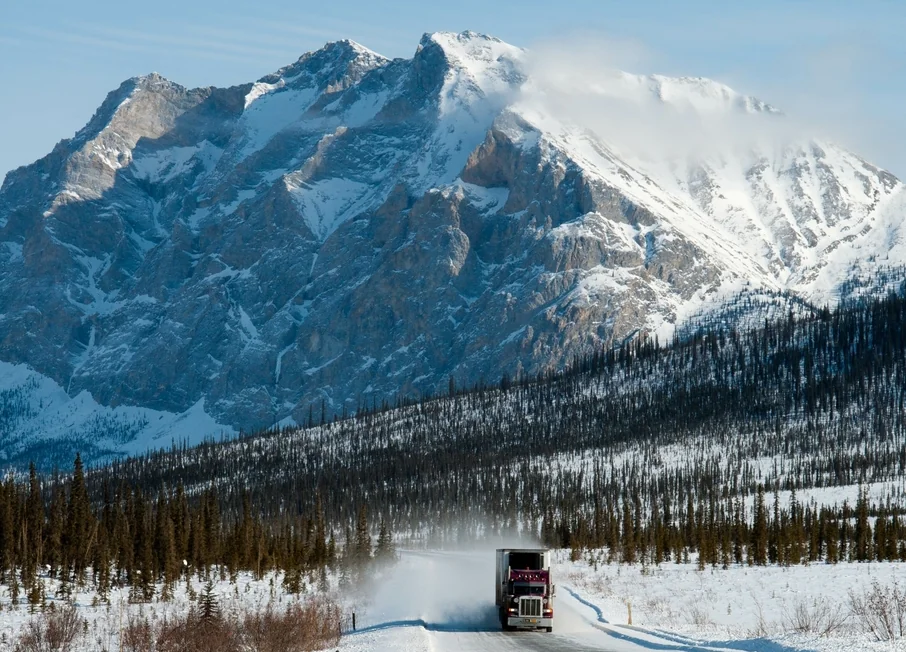
Alaska Route 11, also known as the Dalton Highway, is a state route that runs exclusively through Alaska. Being a road that is way farther north, much of the road is made of just gravel and dirt. The temperature often stays low for the highway, with the warmest temperatures tending to be around the mid-70s while the coldest trending around the –40s, with the coldest ever recorded being –80 degrees Fahrenheit!
While not many traverse Alaska, those that do often cite this road as a nail-biting drive. It is considered one of the loneliest roads in the world, with only three gas stations available along the entire 414-mile road. The road is surrounded by wilderness, with animals and harsh weather conditions throughout every turn of the drive. Also, there is almost no cell service available in the area, meaning truckers need to rely on their dash radio to stay in contact and use it to call for help.
It’s often recommended for those who drive on this path to carry survival gear in case an emergency happens. Emergencies in this area can include blizzards, icy roads, and avalanches, all of which can be devastating to a trucker driving alone on the highway.
I-95
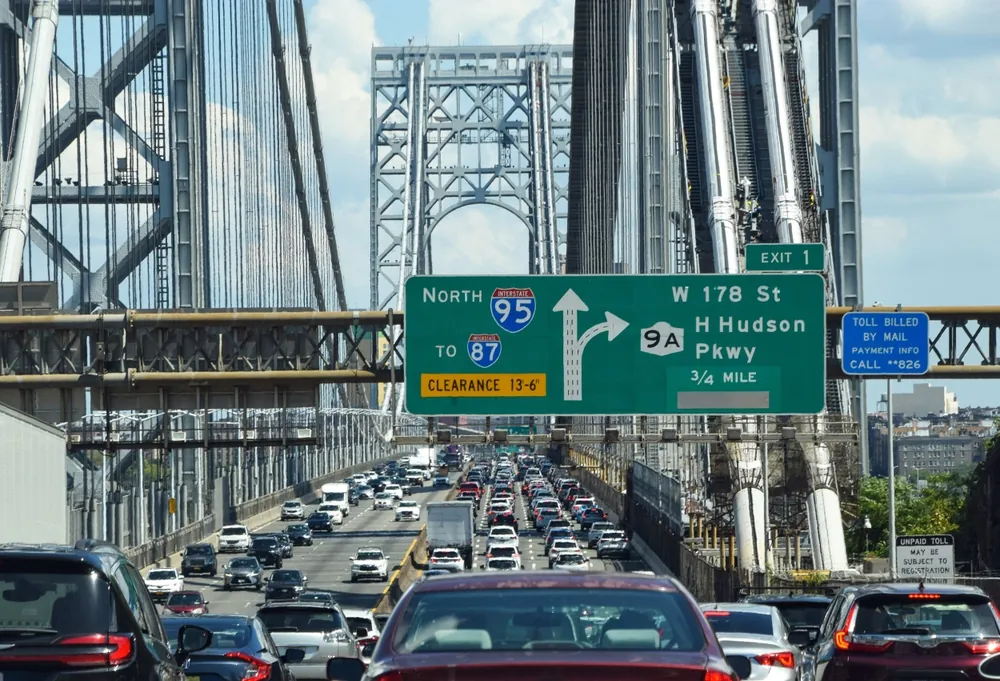
I-95 is the longest interstate running north-south in the country and is the sixth-longest interstate overall. Going from Florida all the way up to Maine, it spans over 1,905 miles and helps millions traverse the U.S. East Coast. It is also a major connection for truckers transporting goods on the East Coast, especially with the highway leading to the Canadian border up in Maine.
But with popular roads brings major headaches. Since many people drive on I-95, roads can get congested quickly, especially in major cities like Miami and New York City. This can cause major delays for shipments and make deliveries take longer than expected.
And it’s not just an overabundance of cars creating heavy traffic; reckless driving events like aggressive driving or distracted driving can cause accidents that delay traffic even further. It’s even been recorded that I-95 is one of the more dangerous roads to drive, where 5.7 fatalities occurred every 100 miles from 2011 to 2015.
Another issue that arises is the infrastructure problem. Throughout the U.S., truckers are having problems finding appropriate parking. Whether there’s not enough parking around or it’s too far away, truckers are having to figure out where to go to stop and park.
This compounds with the fact that there are strict drive time limits that drivers legally can’t exceed to protect their health and safety. This ultimately forces drivers to park in places they aren’t allowed to park. Some even decide to dangerously park on the side of the road! Add broken lights, aging bridges, and rain or snow, and you get a miserable time.
Route 550
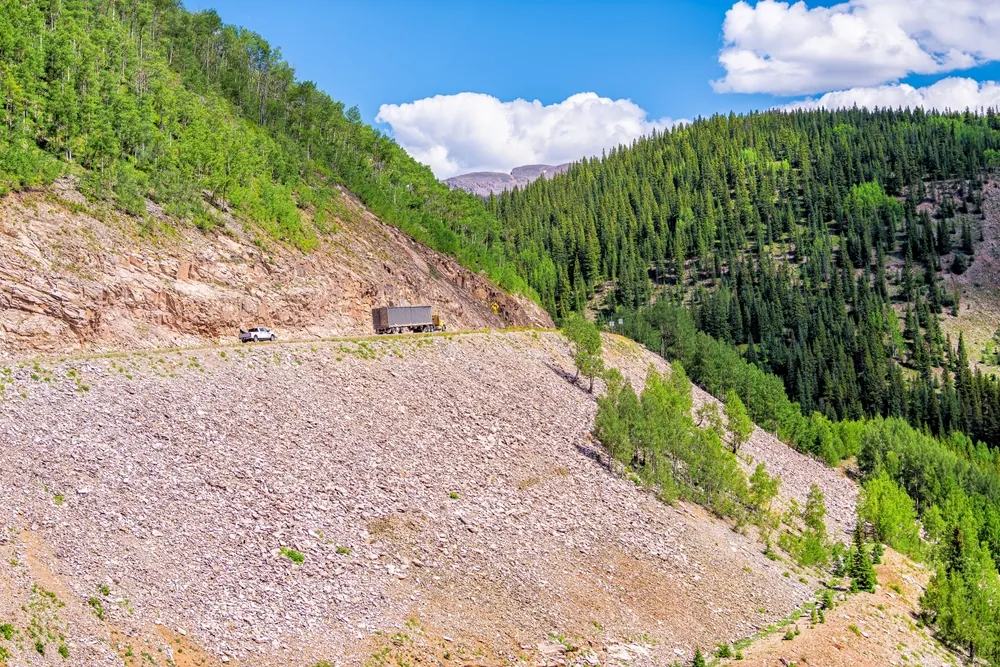
Returning back to Colorado, Route 550, also known as the Million Dollar Highway, is a spur diverging from U.S. Highway 50, going from Colorado to New Mexico. It’s not certain why the road is called the “Million Dollar Highway”, but there are some theories about its name origin. Some claim it refers to how much it cost to build the road. Others say it’s a joke that people wouldn’t drive on it, even for a million dollars. While there are all sorts of theories behind its name origin, most agree that it’s certainly a treacherous drive, especially the 25-mile stretch around the mountains.
At the road’s highest point of around 11,000 feet, the area’s climate is prone to hazards such as high winds and rockslides. When traversing in a large truck, prone to swaying depending on how full it is, on a two-lane road with almost no guardrails, there aren’t many places to go if an emergency happens. Add to that the heavy snow and ice that was mentioned in the I-70 section, and you get a drive ten times more terrifying. And if one goes off-road, a steep, dangerous drop lies ahead.
Thinking Ahead
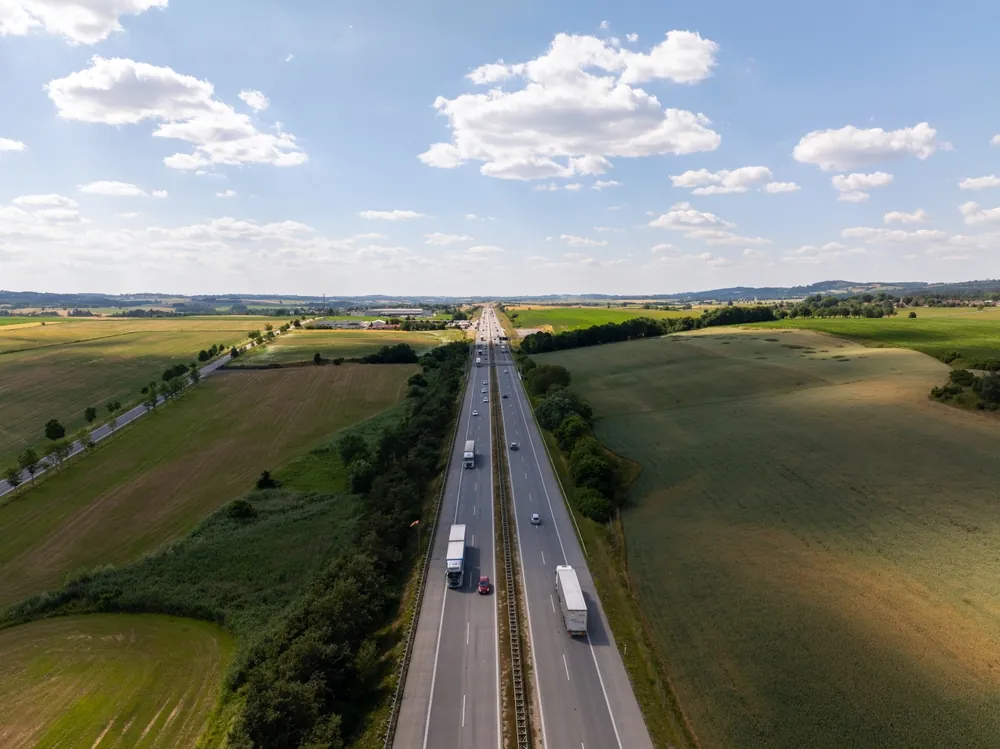
So many of these roads mentioned have their own unique challenges. However, a peculiar pattern continues to show up when looking at these roads regarding issues of climate, volatility, and attention.
For climate, it’s important to be prepared for any kind of weather you may encounter, especially if you drive all across the country. This means having important tools like first aid kits, tire chains, flashlights, communication devices, and truck maintenance tools, among other items.
For volatility and attention, they go hand in hand with how you address them. Both require focus and stamina to respond appropriately. For volatility, this can be anywhere from routes changing to dangerous drivers around you to even emergency events. The goal is to stay vigilant and up-to-date on your drive, ensuring you’re keeping up with any weather warnings and continuing to drive defensively, making sure that your surroundings stay safe, especially for turns and lane shifts.
As for attention, it too requires one to stay vigilant and aware at all times, but it also necessitates that the driver stay well. It can be incredibly difficult working 14 hours a day; that’s why it’s important to keep up your wellness when on the road and ensure your body is taken care of. It’s also good to surround yourself with non-distracting tools to keep you awake, alert, and not bored. Whether it’s high-energy music, an action-packed podcast you can listen to, or even talking to your family over the phone to stay connected!
The drives can be difficult, especially for some of the tougher roads out there. Facing challenging roads can feel daunting, even with all of the prep and vigilance needed for the drive. But as long as you are prepared and attentive, you can face any drive ahead.