

Every year, the Commercial Vehicle Safety Alliance (CVSA) conducts an international roadcheck where certified inspectors conduct compliance, enforcement, and educational initiatives targeting various motor carriers, vehicles, and driver safety elements. This roadcheck takes place over the span of 3 days, with this year’s dates having been May 12-14th, 2026.
The primary focus of the 2026 inspections was:
1. Examine the driver’s operating requirements
2. Assess the vehicle’s mechanical fitness
The CVSA specifically focused on electronic logging device (ELD) tampering, any falsifications or manipulations by the driver, and any improper cargo securement on the truck. They chose these vulnerabilities due to rising trends in the industry of roadway incidents of unsecured cargo and to examine if drivers falsify records to conceal driving time.
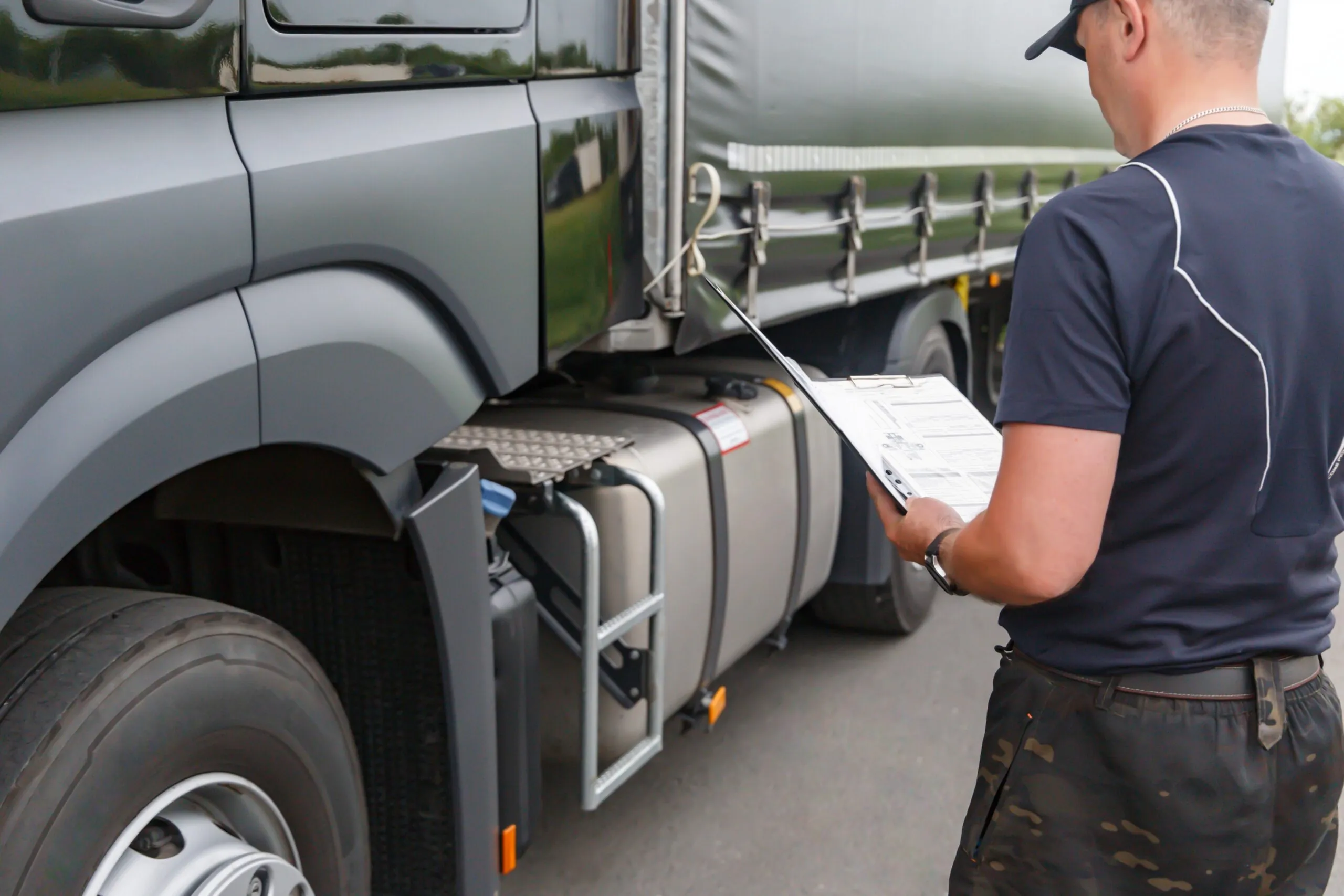
2026 Annual Roadcheck Results
Over the three days that the roadchecks occurred in the United States, Canada, and Mexico, daily out-of-service (OOS) rates doubled from the previous year. Unlike previous years, enforcement escalation rose between Day 1 and Day 2.
Day 1
On the first day of inspections, the CVSA conducted 1,580 inspections and found a total of 2,637 violations. 496 out-of-service orders were issued, and the OOS rate climbed to 31.4% that day, much higher than the 2025 benchmark rate of 18.1%.
Day 2
The second day of inspections brought an unprecedented enforcement surge. 4,826 inspections were conducted, 8,373 violations were recorded, and OOS orders increased to 1,559. The OOS rate for the second day of inspections rose to 32.2%.
Final Results
The final data for the 2026 Roadcheck inspections concluded that:
– a total of 15,952 inspections were carried out
– 27,222 violations were found
– There were 5,244 OOS orders
– The OOS rate ended at 32.8%, much higher than 2025’s rate
For truck drivers and industry professionals, this year’s inspections were a wake-up call. Operating under regulatory guidelines helps keep everyone on the road safe and ensures that your goods are shipped properly.

Why Drivers Failed Inspections
The CVSA chose to inspect for ELD tampering and falsification because it was the second-most-cited driver violation in the last year, with over 58,000 violations. Inspectors reviewed driver ELD data, such as:
– any driving time recorded off-duty
– edits without required annotations
– any mismatches between logs and supporting documents
– driver’s operating while not logged in
If a driver was found to have tampered with the information, they were placed out of service and could have incurred a fine of $15,846 maximum. In some of the inspections, a high number of violations were found against just a single driver. These violations show just how a mixture of ELD tampering and expired licenses or registrations isn’t an error; it’s a negligence of safety and care.
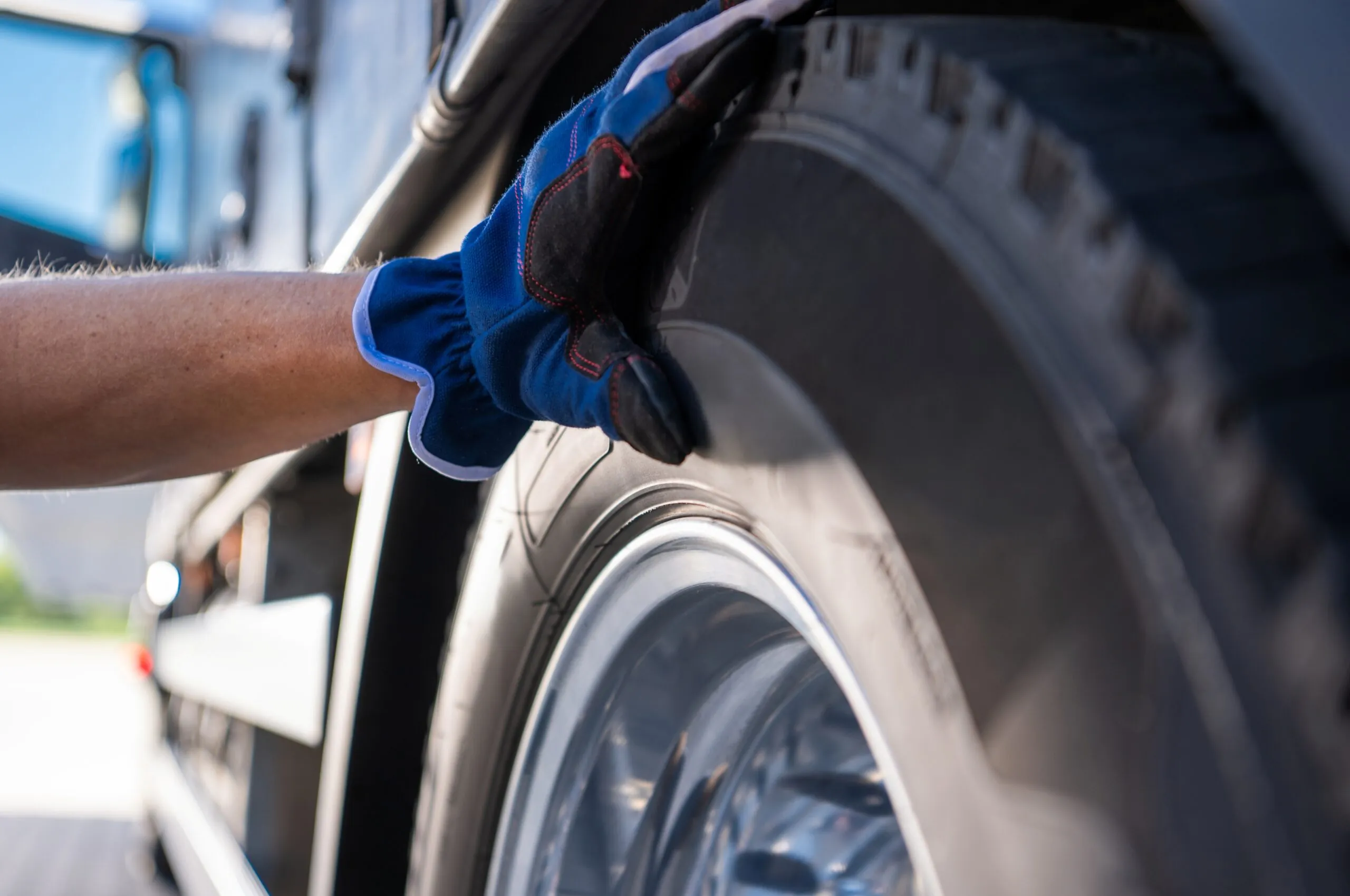
Why Vehicles Failed Inspections
Mechanical Violations
For years, the largest number of violations occurred due to the 20% defective brakes standard. During the 2025 roadcheck inspection, 5,500 OOS orders were generated due to this standard alone.
The standard dictates that if 20% or more of the service brakes on a vehicle are showing a critical defect, the vehicle must be immediately placed out of service. A few critical defects include:
– cracked or missing brake linings
– oil or grease saturation on the friction material
– audible air leaks that originate from the brake chamber
In terms of other failed inspections, defects in tires, such as bald tires, exposed fabric, and sidewall cuts, ended up sidelining thousands of trucks. Inoperative turn signals, brake lights, and clearance lamps were cited as well. Many of these violations are easily visible if a driver conducts proper pre-trip inspections.
Cargo Securement
Aside from the vehicles’ mechanical well-being, the CVSA placed a heavy focus on cargo securement. If cargo isn’t secured properly, it could lead to various issues, such as shifting cargo that alters the stability of the vehicle or spilling onto the road. By not meeting the Federal Motor Carrier Safety Administration (FMCSA) regulations for secured cargo, it endangers everyone on the road.
During this year’s inspections, a variety of secured cargo violations were reported. These included straps that exhibited significant wear and tear, such as severe abrasions or holes, and failures to prevent any forward movement, such as lacking a front header board or any adequate block or bracing.

How to Address Violations Properly
For Drivers
1. Do Your Pre-Trip Inspections Properly
Taking the time to correctly write the paperwork and doing a physical assessment of your vehicle will save you a headache – or fine – on the road. Make sure the tires look good, there are no leaks, and the engine is running smoothly.
2. Inspect How Secure Your Cargo Is
When completing your pre-trip inspections, identify if any straps show any sign of wear and tear. If so, make sure to dispose of the strap and grab a new one.
3. Keep Your ELD Honest
Inspectors are trained to examine the logs, cross-referencing them with GPS and toll records and fuel receipts. Lying on your ELD may result in a $16,000 fine and criminal prosecution.
4. Keep All Documentation Current
A driver’s commercial driver’s license, medical card, and registration need to remain accessible and up to date. If any of them are expired, that is an immediate OOS violation.
For Carriers
1. Enforce ELD Discipline
Stay on top of your drivers’ logged hours. In your ELD portal, review any unassigned driving times or other anomalies. If you find any, make sure to address it with your driver directly.
2. Ensure Cargo Securement Gear is Replaced
Once straps have begun to show wear and tear that could prove detrimental, make sure to replace them. Having a strict replacement policy across your fleet helps lower the risk of fines or damaged trucks later on.
3. Verify That Your Current ELD Hasn’t Been Revoked
The FMCSA revoked devices registry for ELDs changes quarterly, so make sure to check often. 27 devices were removed in Q1 of 2026, catching many fleets off guard.
The Carriers Who Passed
While many carriers were dealing with dozens of inspections and OOS orders, five stood out once the week ended.
– New Prime encountered 53 inspections and ended with a 4% OOS rate
– UPS had 78 inspections, with 53 violations and a 9% OOS rate
– FedEx had 65 inspections, 72 violations, and a 9% OOS rate
– J.B. Hunt had 60 inspections with a 12% OOS rate
– Finally, Werner Enterprises had 49 inspections and a 12% OOS rate
Conclusion
The 2026 CVSA roadchecks left many trucks out of service and carriers saddled with thousands of dollars in fines. The level of enforcement conducted this year is a wake-up call to truckers and carriers. You can’t bypass pre-trip inspections or wait to replace a fraying strap. These can lead to costly consequences and trucks or drivers placed out of service.
Carriers who prepare properly year-round won’t have to worry about next year’s roadchecks. If you aren’t sure where to start, stay on top of your drivers and the maintenance your truck requires. Make sure paperwork is correct and drivers aren’t logging incorrect times. Changing the way your fleet operates now will serve you for next year’s roadcheck inspection and other inspections throughout the year.