
Container Shipping Questions Answered Clearly, Reddit-style
Straight answers to the container shipping questions people search for most.
More Container Shipping Resources
Intermodal Containers Smart Containers Ocean Container Shipping What is a Cargo Container


Quick Answer: When Does Container Shipping Make Sense?
Container shipping is commonly used when freight needs to move securely between ports, rail terminals, warehouses, manufacturers, distribution centers, or international destinations. It works well for palletized goods, machinery, retail inventory, raw materials, commercial equipment, construction supplies, and other large shipments.
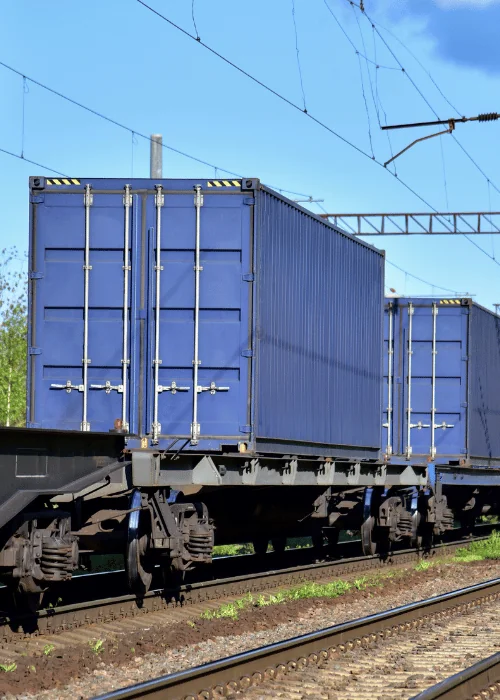
A standardized shipping container can move between a vessel, train, and truck without unloading the freight each time the transportation mode changes. This is one of the main advantages of containerized shipping. Fewer transfers can simplify handling and help protect the cargo.
Container shipping may make sense when you have enough freight to fill most or all of a container, need an international transportation option, or want to move cargo through an intermodal network.
The right service depends on the shipment’s size, origin, destination, timing, loading requirements, and whether the freight is moving domestically or internationally.





Thousands of businesses trust FreightCenter to move their freight faster, smarter, and cheaper! From unbeatable rates to top-notch service, our customers are raving about their shipping success.
See why they keep coming back!
Award-Winning Service, Trusted by Shippers Everywhere!
- 2021, 2017 & 2016 Food Logistics’ Top Green Providers
- 2021 & 2018 Supply & Demand Chain Executives’ Pros to Know: Matthew Brosious
- 2020 & 2019 Top Food Logistics’ 3PL & Cold Storage Provider Award
- 2020 & 2019 Business Observer’s Top 500 Companies on the Gulf Coast
- 2020 & 2017 SmartWay® Transport Partner
- 2020 & 2017 Food Logistics’ Champions: Rock Stars of the Supply Chain
- 2020 Best of Palm Harbor Awards for Local Businesses
- 2017 Green Supply Chain Award from Supply & Demand Chain Executive
- 2017 Tampa Bay Business Journal Heroes at Work
- 2016, 2015, & 2012 Food Logistics Top 100 Software and Technology Providers
- 2013 Tampa Bay Business 100 by Tampa Bay Business Journal
- 2013 Top 100 Great Supply Chain Partners by SupplyChainBrain
- 2012 TIA Samaritan Award Honorable Mention
- 2012, 2011 & 2010 TBBJ Fast 50 Recipient
- 2013, 2011, & 2010 Diversity Business Top Businesses

Why Use FreightCenter for Container Shipping?
Container transportation involves more than putting cargo inside a metal box. The shipment may need to move between a port, rail terminal, container yard, warehouse, and final destination.
FreightCenter helps shippers review container transportation options without having to coordinate every part of the inland move alone. Depending on the shipment, our team can help compare drayage, intermodal, truckload, partial truckload, and other transportation services.
For small and mid-sized businesses, this can make a big difference. You may not move enough containers to maintain relationships with carriers in every port or rail market, but you still need clear answers and dependable transportation support.
With FreightCenter, you can:
- Compare container transportation options
- Arrange drayage between ports, rail terminals, and facilities
- Review intermodal and truckload alternatives
- Get help planning inland container transportation
- Coordinate equipment and delivery requirements
- Receive support before, during, and after booking
- Compare options based on timing, freight type, and budget
International shippers should also work with a qualified customs broker or freight forwarding provider for customs clearance, import or export documentation, and other regulatory requirements.
Container Shipping Reddit Questions, Answered by Freight Experts
What is container shipping?
Container shipping is the transportation of freight inside a standardized steel shipping container. The container may move by ocean vessel, train, or truck during different parts of the trip.
Because the cargo stays inside the same container, it usually does not need to be unloaded each time it changes transportation modes. For example, a container may arrive at a port on a ship, move to a rail terminal by truck, travel inland by train, and then be delivered to a warehouse.
Container shipping is often used for international trade, but containers can also move domestically through intermodal rail and drayage networks.
Is container shipping worth it?
Container shipping can be worth it when you are moving large quantities of freight, transporting cargo internationally, or using rail and ocean transportation to cover long distances.
A full container can provide dedicated space, reduce direct handling of the individual items inside, and make it easier to move freight between transportation modes.
However, container shipping is not always the best option for smaller or time-sensitive shipments. LTL, full truckload, partial truckload, or air freight may make more sense depending on the cargo and delivery schedule.
FreightCenter can help compare available transportation options so you are not choosing a container simply because it seems like the standard choice.
What is the difference between FCL and LCL shipping?
FCL stands for full container load. With FCL shipping, one shipper uses the container’s available space. The container may be completely full, or the shipper may choose dedicated container space even if some room remains.
LCL stands for less-than-container load. With LCL shipping, freight from multiple shippers is consolidated into the same container. Each shipper pays for the space used instead of paying for the entire container.
FCL may provide fewer handling points and more control over the cargo inside the container. LCL may be more affordable for smaller international shipments, but consolidation and deconsolidation can add handling and transit time.
Is FCL cheaper than LCL?
FCL is not always cheaper, but it can become more cost-effective as shipment volume increases. With FCL, you are paying for the use of the container. With LCL, you are generally paying based on the amount of space or volume your freight uses, along with handling and consolidation costs.
For a small shipment, LCL may cost less because you are sharing container space. For a larger shipment, the combined LCL charges may approach or exceed the cost of using a full container.
The best option depends on freight volume, weight, cargo type, origin, destination, handling risk, and delivery timing.
How much does container shipping cost?
Container shipping cost depends on the origin, destination, distance, container size, transportation modes, port or rail terminal charges, drayage distance, fuel costs, cargo weight, and current capacity.
International container rates may also be affected by port demand, vessel space, seasonal shipping volumes, equipment availability, and the trade lane being used.
The total cost can include more than the main transportation rate. Possible charges may include:
- Container pickup or delivery
- Drayage
- Port or terminal fees
- Rail transportation
- Fuel surcharges
- Chassis use
- Loading or unloading
- Storage
- Detention or demurrage
- Customs brokerage
- Insurance
- Additional handling
The fastest way to get an accurate estimate is to provide the container size, cargo details, origin, destination, total weight, ready date, delivery requirements, and port or terminal information.
Get a Free Container Shipping Quote
What container sizes are commonly used?
The most common shipping container sizes are 20-foot and 40-foot containers.
A 20-foot container is often used for dense or heavy cargo because it provides less internal space while still supporting a substantial amount of weight.
A 40-foot container provides more room for larger-volume shipments. A 40-foot high-cube container provides additional interior height and is often used for cargo that needs more cubic space.
Other container types may include:
- 20-foot standard containers
- 40-foot standard containers
- 40-foot high-cube containers
- Refrigerated containers
- Open-top containers
- Flat-rack containers
- Tank containers
- Specialized equipment
The correct container depends on the freight’s dimensions, weight, loading method, temperature needs, and whether the cargo can fit through the container doors.
How much freight fits in a shipping container?
The amount of freight that fits inside a container depends on the container type, pallet size, product dimensions, packaging, and how efficiently the cargo can be loaded.
A standard 20-foot container may fit approximately 10 standard pallets in a single layer, depending on pallet dimensions and loading configuration. A standard 40-foot container may fit approximately twice that amount.
These are only general estimates. Oversized pallets, irregular freight, protective packaging, and load securement can reduce the available space.
Weight limits also matter. A container may run out of legal weight capacity before it runs out of physical room, especially when shipping dense materials.
Can a shipping container move by truck?
Yes. Shipping containers are commonly transported by truck during the first or final portion of a trip.
A container is normally placed on a chassis, which is the wheeled frame used to move the container over the road. A truck may transport the container between:
- A port and warehouse
- A rail terminal and distribution center
- A shipper and port
- A container yard and customer location
- Two intermodal facilities
This short-distance container movement is commonly called drayage.
Can a shipping container move by rail?
Yes. Rail transportation is a major part of domestic and international container shipping.
Containers can be transferred from a vessel or truck to an intermodal train and moved long distances inland. Once the container reaches the destination rail terminal, a drayage carrier usually completes the final delivery.
Rail may be useful for long-distance freight that does not require the speed of over-the-road truckload service. However, total transit time should include terminal transfers, rail schedules, and drayage at both ends.
What is drayage shipping?
Drayage is the short-distance transportation of a shipping container between a port, rail terminal, container yard, warehouse, or other nearby facility.
Even though the distance may be relatively short, drayage requires careful planning. Port appointments, terminal hours, chassis availability, container release information, and delivery timing can all affect the move.
Drayage is often one part of a larger international or intermodal shipment. For example, a container may travel thousands of miles by ocean or rail but still require drayage to reach its final destination.
Do I need a chassis for container shipping?
A chassis is generally required when a shipping container is transported over the road. The chassis supports the container and allows it to be pulled by a tractor.
Depending on the port, terminal, carrier, and shipping arrangement, the chassis may be provided by the drayage carrier, container line, terminal, or a separate chassis provider.
Chassis availability and usage time can affect container shipping costs. The party arranging the move should confirm who is providing the chassis before pickup.
What is intermodal container shipping?
Intermodal container shipping uses two or more forms of transportation while keeping the freight inside the same container.
A shipment may move by:
- Truck from the shipper to a rail terminal
- Rail for the long-distance portion
- Truck from the destination terminal to the receiver
International intermodal shipping may also include an ocean vessel.
Intermodal transportation can be a practical option for long-distance freight when the shipper has some flexibility in the delivery schedule. It may help reduce dependence on long-haul truck capacity, but terminal coordination and drayage still need to be planned carefully.
Who handles customs documentation for container shipping?
For international container shipments, the shipper and importer are responsible for making sure the required import, export, and customs documents are completed correctly.
A licensed customs broker can assist with customs entry, classification, duties, taxes, and clearance requirements. Freight forwarders may also coordinate parts of the international transportation and documentation process.
FreightCenter does not directly complete customs documentation or customs clearance. Customers should work with a customs broker or another qualified provider to prepare and submit the required paperwork.
The container transportation and customs processes should be coordinated early so missing documents do not delay the cargo at the border or port.
How far in advance should I book container shipping?
Container shipping should be booked as early as possible, especially when the shipment involves ports, rail terminals, international sailings, special equipment, or strict delivery appointments.
International container shipments may need to be scheduled several weeks in advance. Domestic drayage and intermodal moves may require less lead time, but availability can still become limited near busy ports and rail ramps.
Earlier planning gives you more time to:
- Reserve container or vessel capacity
- Arrange drayage
- Confirm terminal requirements
- Prepare customs documents
- Schedule loading
- Coordinate delivery appointments
- Address oversized or overweight freight
- Review insurance needs
Last-minute container transportation may be available, but it can limit equipment choices and increase costs.
Container Shipping Mistakes to Avoid
Choosing the wrong container size
A container that is too small may require a second container or last-minute changes. A container that is too large may leave you paying for space you do not need.
Review the cargo dimensions, pallet count, weight, loading method, and door clearance before selecting equipment.
Ignoring the total cargo weight
A container may physically fit the freight but still exceed safe or legal weight limits.
Heavy freight can affect chassis selection, road permits, rail acceptance, container placement, and drayage costs. Provide an accurate cargo weight before the move is scheduled.
Waiting too long to arrange drayage
A container can arrive at a port or rail terminal before the final delivery transportation has been arranged.
If a drayage carrier is not available, the container may remain at the terminal and begin accumulating storage or demurrage charges.
Missing the container’s last free day
Ports and terminals normally provide a limited amount of free time before storage-related fees begin.
Make sure everyone involved knows the container availability date, last free day, terminal hours, pickup appointment, and customs release status.
Forgetting about the empty container return
After a container is unloaded, it generally needs to be returned to an approved location within the allowed time.
Confirm where the empty container must be returned and whether a terminal appointment is required.
Using incomplete or incorrect documentation
Missing container numbers, release numbers, bills of lading, delivery orders, customs releases, or appointment information can stop a container from being picked up.
Review the required documents before sending a driver to the terminal.
Loading freight without proper securement
Freight can shift inside a container during truck, rail, or ocean transportation. Improper loading can damage the cargo and create a safety risk when the doors are opened.
Use suitable blocking, bracing, straps, pallets, crates, and protective materials.
Assuming FreightCenter handles customs clearance
FreightCenter can assist with freight transportation, but customers remain responsible for required customs paperwork and clearance.
Work with a licensed customs broker or qualified international provider before the container arrives.
Is Container Shipping Right for Your Freight?
Container shipping may be right for your shipment if you are moving a large quantity of freight, using ocean or rail transportation, importing or exporting goods, or moving cargo between a port and an inland facility.
FCL may be a strong option when you have enough freight to use most of a container or want dedicated container space. LCL may make sense for smaller international shipments that can safely share space with other cargo.
Intermodal shipping may work for long-distance domestic freight that can move through a rail network. Truckload may be better when the shipment needs faster, more direct over-the-road transportation.
The right answer depends on your cargo, route, timeline, facility access, and budget.
FreightCenter can help you review the inland transportation details and compare container, intermodal, truckload, and other freight options.
Many shippers compare advice from forums, carriers, brokers, and search results before choosing a freight service. These guides answer common shipping questions clearly, with practical guidance from FreightCenter.
Considering white glove shipping for a delicate or high-value item? This guide explains when white glove service makes sense, what it includes, and how it compares to standard freight delivery.
Considering intermodal shipping for a long-distance shipment? This guide explains when intermodal makes sense, what affects cost, and how rail and truck transportation work together.
Need to move freight quickly? This guide explains when expedited shipping makes sense, what affects cost, and how it compares to standard and guaranteed delivery options.
Considering partial truckload shipping for a shipment that is too large for LTL but does not require a full trailer? This guide explains when partial truckload makes sense, what affects cost, and how it compares to LTL and full truckload service.

 Guaranteed competitive pricing every time you ship.

Get Clear Container Shipping Answers Before You Book
Searching for container shipping advice can send you in a dozen different directions. Some answers focus only on ocean freight. Others leave out drayage, rail terminals, chassis requirements, customs clearance, or the fees that can occur when a container sits too long.
FreightCenter makes it easier to understand your transportation options and determine what makes sense for your freight. Whether you need drayage, intermodal transportation, full truckload, partial truckload, or another inland shipping service, our team can help you find the right path forward.
For international shipments, remember to arrange customs clearance and required import or export documentation with a qualified customs provider.
Get a free online quote or call FreightCenter at 800.716.7608 to speak with a freight expert.
Frequently Asked Questions About Container Shipping
Q. What does container shipping mean?
Container shipping means freight is transported inside a standardized shipping container that may move by truck, train, ocean vessel, or a combination of transportation modes.
Q. What does FCL stand for?
FCL stands for full container load. It generally means one shipper uses the container’s available space.
Q. What does LCL stand for?
LCL stands for less-than-container load. Freight from multiple shippers is consolidated inside the same container.
Q. What is the difference between a 20-foot and 40-foot container?
A 40-foot container provides more interior space than a 20-foot container. A 20-foot container may be better for smaller or heavier loads, while a 40-foot container is often used for higher-volume cargo.
Q. What is a high-cube container?
A high-cube container is taller than a standard container and provides additional interior space. It is often used for cargo that needs more cubic capacity.
Q. Does container shipping always involve an ocean vessel?
No. Containers can also move domestically by truck and rail through intermodal transportation networks.
Q. What is port drayage?
Port drayage is the short-distance movement of a container between a port and a nearby warehouse, rail terminal, container yard, or distribution center.
Q. What is rail drayage?
Rail drayage is the transportation of a container between a rail terminal and a shipper, receiver, warehouse, port, or other nearby facility.
Q. Can FreightCenter help with drayage?
FreightCenter can help review drayage and inland container transportation options based on the port, rail terminal, shipment details, and delivery requirements.
Q. Can FreightCenter help with intermodal shipping?
Yes. FreightCenter can help compare intermodal transportation with truckload and other freight services when intermodal capacity is available for the route.
Q. Does FreightCenter handle customs clearance?
No. Customers are responsible for import and export documents and should work with a licensed customs broker or qualified customs provider for clearance.
Q. Can shipping containers carry refrigerated freight?
Yes. Refrigerated containers, commonly called reefers, are designed for temperature-sensitive products. Temperature settings and power requirements should be confirmed before shipping.
Q. Can oversized freight move in a container?
Some oversized freight can move in open-top, flat-rack, or specialized containers. Cargo dimensions, weight, loading method, and securement requirements must be reviewed first.
Q. How long does container shipping take?
Transit time depends on the origin, destination, transportation modes, vessel or rail schedule, port activity, customs clearance, and drayage availability.
Q. Do I need a loading dock for container delivery?
Not always, but the delivery location must be able to unload the container safely. The facility may need a dock, forklift, crane, loading crew, or another unloading method.
Q. Can a container be left at my location?
A container may be dropped temporarily in some situations, but this depends on the carrier, chassis availability, facility access, local rules, and the terms of the transportation arrangement.
Q. What happens after a container is unloaded?
The empty container normally needs to be returned to an approved terminal, depot, or container yard within the allowed free time.
Q. Why did my container shipping quote change?
Rates can change because of equipment availability, vessel or rail capacity, fuel costs, drayage demand, port conditions, cargo weight, timing, or changes to the shipment details.
Q. What information do I need for a container shipping quote?
You will usually need the origin, destination, container size, cargo description, weight, dimensions, ready date, port or terminal details, loading method, and delivery requirements.
Q. How do I get a container shipping quote?
Provide the shipment details, route, equipment needs, cargo weight, timing, and terminal information. FreightCenter can help compare available inland container transportation and freight options.