
What Are The Differences Between LTL and a Parcel?
LTL and Parcel are two shipping options commonly used for transporting goods. While they both specialize in smaller shipments that don’t need an entire trailer or fleet to transport, there are key differences that set them apart.
LTL stands for “Less Than Truckload” and is a form of freight shipping. LTL is generally used for larger, heavier shipments more significant than what can be shipped through a parcel carrier, but smaller than what would require a full truckload. The weight, density, and distance of the shipment determine the shipping rates for LTL shipments. With LTL shipping, multiple customer shipments are consolidated into one truck for transportation. This means the shipping cost is shared among numerous customers, making it a cost-effective option.
Parcel shipping is not part of freight shipping, but is a separate industry in its own right. Parcel shipping is used for smaller, lighter shipments that can be transported by a parcel carrier such as FedEx, UPS, or USPS. They are generally under 150 pounds (lbs) and fit into small to medium-sized boxes, envelopes, or bags. With parcel shipping, the load is picked up at the sender’s location and transported directly to the receiver’s address. The shipment’s weight, size, and destination determine the shipping rates for parcel shipments, which can be more expensive for companies shipping bulk than LTL shipping, as they involve more individualized handling and transportation.
But those are just the fundamental differences. To truly understand the differences between LTL and a parcel, it is essential to examine their characteristics and how they can benefit you, the customer. Knowing the differences between how an LTL freight carrier and a parcel service operate saves you money and helps you avoid shipping hassles and headaches.
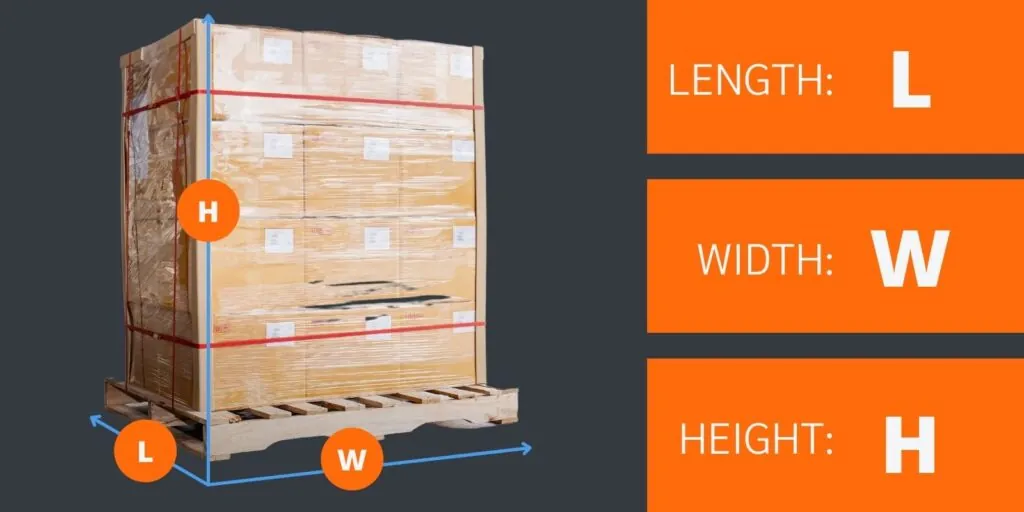
1. Weight
When shipping with a parcel service, the lighter your package, the less it’ll cost to ship. To be shipped with a parcel company like FedEx or UPS, your parcel package must be at least 150 lbs or less. If your package weighs more than that, the parcel company will reject it.
It’s a bit more complicated when shipping with an LTL freight carrier. Yes, the minimum weight requirement for LTL shipments is 150 lbs (the maximum varies, but usually between 5,000-10,000 lbs). However, with LTL, the costs of shipments are also calculated based on other factors, such as freight class and density.
Freight class is a system that utilizes a unique coding system to determine shipping rates. With NMFC codes, your freight is grouped into freight classes. Freight class is based on density, freight stowability, ease of handling, and liability. The density, or pounds per cubic foot, of your cargo is one factor that defines its freight class. You can easily find the density of your load by using our freight class density calculator tool. Generally, shipments with higher density have lower freight classes and are therefore cheaper to ship.
In short, parcels must be approximately 150 lbs to be shipped by a parcel company. LTL shipments must weigh between 150 lbs and 5,000-10,000 lbs, but what really matters is their density, as that determines their final shipping costs.
2. Location, Location, Location
A parcel service delivers packages right to your door, no matter what type of location it is. There are even companies (like Amazon) that offer special lockers in public areas like supermarkets and retail stores where you can pick up your packages from a secure locker. You may need to arrange special pick-up spots with your carrier if your location is very rural or in an area inaccessible to regular vehicles (like a gated community or an office building), but it’s not as difficult for parcel drivers to deliver your packages.
This is not the case with LTL. An LTL freight carrier must know precisely where to pick up and drop off freight shipments. LTL carriers don’t deliver your cargo to your door or come inside to pick up a load; they pick it up either from a loading dock (if you have one) or from your curb. You can add on additional services that can assist in pickups and deliveries, including:
– Inside delivery and pickup services have your shipment picked up from either your driveway or directly inside your home. This is ideal for residential areas that lack proper curbsides and loading docks, or for sensitive freight that requires more careful handling. Please note that inside delivery and pickup services are additional and must be requested directly from the LTL carrier, as they are not included in standard procedures.
– Lift gate services are necessary when a location lacks a loading dock or forklift for freight handling. These are machines attached to the back of a trailer that lift and lower shipments onto and from the curb. These must also be requested; if a driver uses it without your prior notification, you will be charged a substantial fee.
– White glove services are specialized services that treat your freight with the highest amount of care. Your driver will bring the package from your home or business, use blankets or specialized trailers to handle and transport your shipment, and then unload and unbox it inside the delivery location. This service is exclusively for high-value, highly sensitive, and fragile shipments, and it incurs additional charges.
In short, parcel packages are delivered directly to your door or designated locations, such as lockers. LTL shipments are picked up and delivered curbside or from a loading dock. Any services that allow you the convenience of parcel shipping cost extra.
3. Authorized Signatures
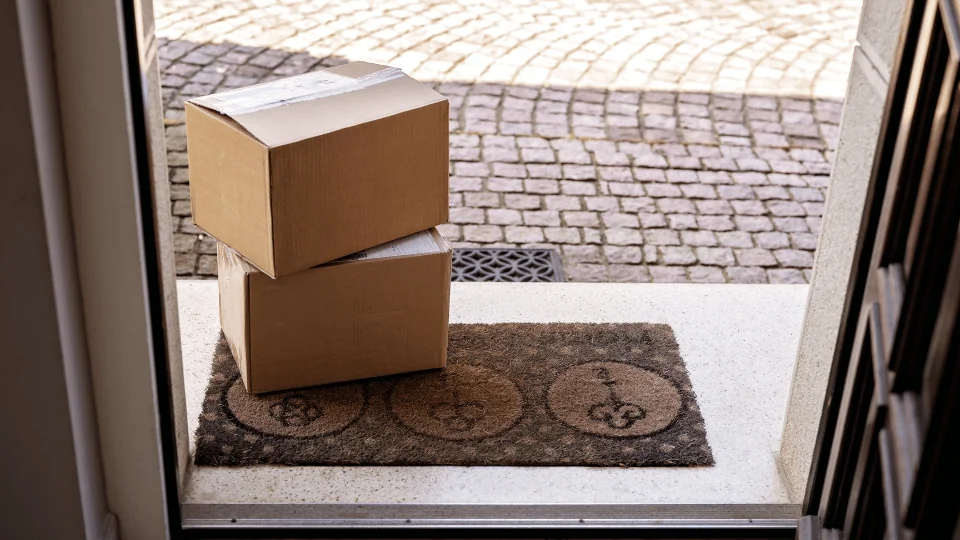
The standard parcel service usually drops off your packages to you without the need for someone to sign off on any paperwork. You don’t even need to be at home; your package will be waiting at your door for you. If you do have to sign something, it’s usually because the package is international or the product is specialized and requires special handling. However, it is a formality, and many parcel companies no longer need a signature.
When shipping with an LTL freight carrier, an individual must be present at both the pickup and delivery locations to properly authorize the pickup and drop-off procedures. If no one is there when the driver arrives, they will promptly leave; they have other deliveries and pickups to attend to and will not wait for you to come. You will then have to reschedule your delivery or pickup and pay a rescheduling fee.
The Bill of Lading (BOL) and the Proof of Delivery (POD) are essential documents you need. The BOL provides all parties involved, meaning the customer, carrier, and driver, with information regarding shipping costs and transport. The POD is essentially a receipt confirming the delivery of goods. An authorized individual provides the BOL to the freight driver at pickup, and the POD has to have an authorized signature at delivery after checking the shipment for damages.
In short, while parcel deliveries do not require a signature most of the time, LTL shipments require someone to be at the delivery and pick up location when the carrier arrives to hand off the BOL and receive the POD; if you aren’t there, the driver will leave and you will have to pay a rescheduling fee.
4. Packaging Requirements
With parcel shipments, you don’t need much to package them. A cardboard box, an insulated envelope, or an insulated bag will do. You can even bring your item unpackaged to a parcel location, such as UPS stores, and they will weigh and package your shipment for you.
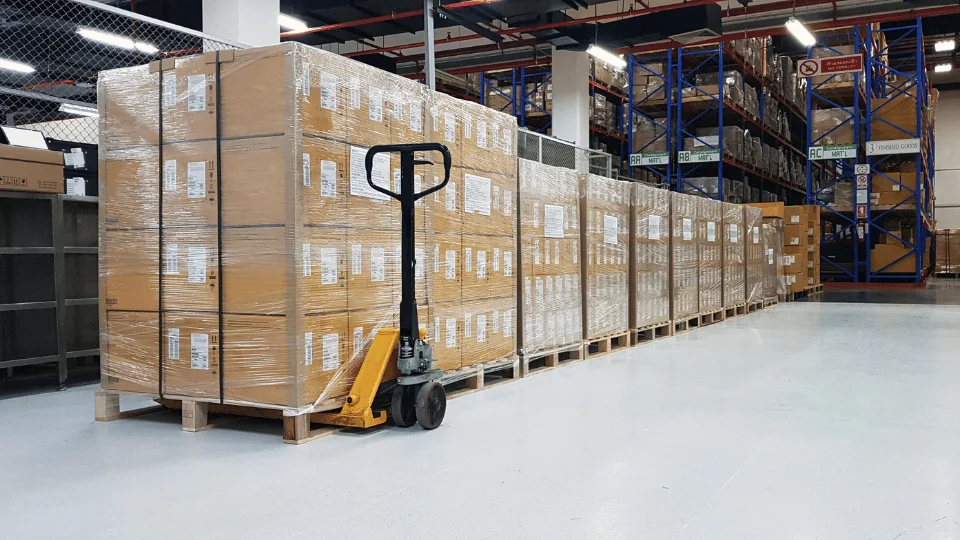
With LTL shipping, however, you are responsible for packaging your own freight. Most LTL freight is placed in crates, barrels, or corrugated cardboard boxes on pallets. Crates and barrels can be purchased from shipping wholesalers, while pallets can be sourced from loading docks or even grocery stores, though quality may vary. Regardless of the container used, placing it on a pallet and securing it with industrial wrap or straps is essential for ensuring shipment safety.
Proper packaging is so vital for LTL shipments that if a driver deems a shipment inadequately packaged at pickup, they may decline to pick it up at that time. This could leave you with the hassle of rescheduling and paying for another pickup. LTL freight carriers also don’t like empty tractor-trailers, so they want to fill their trucks up as much as possible. Properly packaging your freight helps prevent damage to your freight and that of others during the trip.
In short, you have the option with parcel shipping not to package your own goods, as the parcel company can do it for you. For LTL shipping, you are required to package your freight using crates, barrels, or boxes on pallets; failing to do so can incur additional fees or necessitate rescheduling your freight pickup.
5. Paying For the Shipment
The common parcel service can weigh and measure your parcel at a parcel company’s physical location. There’s no question about what you’ll be paying, as the parcel service will be the one quoting you and informing you of any additional charges that will be added before you pay for the shipment, right there. You will not have to pay anything else for the shipment.
With LTL shipments, you won’t be paying for your shipment right away. During booking, you will provide your credit card information; however, you will not be charged until the delivery is completed. This is because your LTL freight will be measured during delivery at a site with a dimensioner. This accurately informs carriers of the actual dimensions of the shipment. If any information is incorrect and your freight class needs to be updated, your final shipping costs will be adjusted accordingly. You will also be charged for additional services and fees added along the way.
In short, you will pay upfront for a parcel delivery when you take it to a physical location to be shipped. LTL shipments will be paid for after delivery is complete, and any additional charges or fees incurred during delivery will be included in the final bill.
Knowing the Differences Between LTL and a Parcel Services
The decision between LTL shipping and parcel shipping depends on several factors, including the size, weight, and destination of the shipment, as well as the customer’s budget and specific shipping requirements. If you do decide to try freight shipping for the first time, transitioning from parcel to freight shipping for the first time can feel daunting. While you may be familiar with the standard practices of parcel shipping, freight shipping is more complex and requires a deeper understanding of logistics to be effective.
Be sure to get all the help you need if you’re trying out LTL shipping for the first time. You can contact individual carriers and obtain rates from them, but be aware that shipping directly with a carrier can be costly. Freight brokerages, including 3PLs like FreightCenter, act as intermediaries between shippers and carriers, helping the former learn about the freight shipping process and offering discounted rates through their partnerships with their carrier network. They also provide additional third-party services like warehousing, packaging, insurance, and order fulfillment, depending on the brokerage you choose.
Ultimately, the most significant differences between LTL and a parcel service lie in their capabilities and the target audiences they appeal to. If you need to ship something small and don’t require other primary services, stick with parcel shipping. But for those who have heavier, bulkier items that require some heavy lifting and additional service, LTL shipping is the right service for you. Either way, you will benefit greatly from the wide range of offerings both types of shipping provide for you, the customer.