
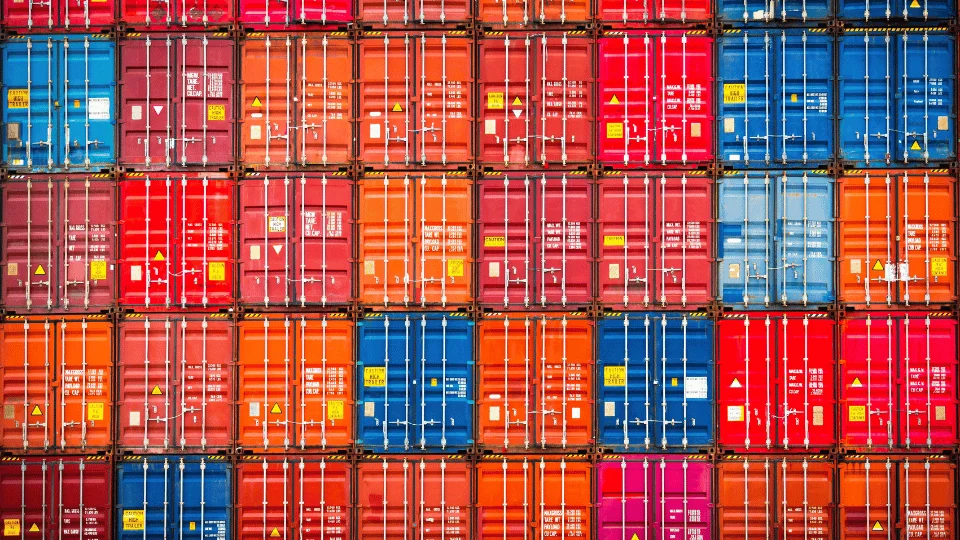
15 Interesting Facts about Shipping Containers
Shipping containers play a vital role in the logistics and shipping industry. Their robust and durable design has facilitated efficient and reliable global trade. The standardization, versatility, and efficiency of modern shipping containers have transformed the logistics sector. As a result, goods have become less expensive, more reliable, cost-effective, and accessible, all thanks to the durable and dependable power of these metal boxes of wonder.
It may be surprising to hear that shipping containers are that special, but once you learn more about them, you can understand why they are so relied on in the logistics industry. To help you appreciate their uniqueness, we present 15 interesting facts about shipping containers that you may not be aware of.
Fact 1: The History of Shipping Containers
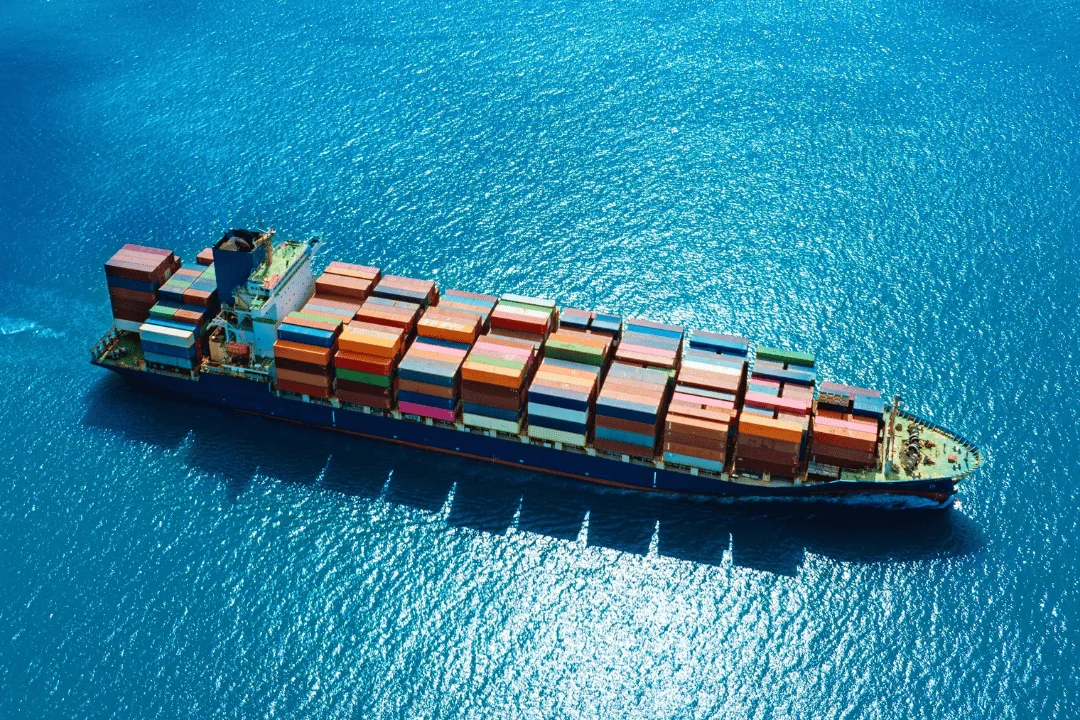
In the 1950s, international shipping expanded due to improvements in ship design and the growth of commercial shipping. Although crates and boxes were used on ships, they were oddly shaped and often easily broken or damaged during transit. Trucking entrepreneur Malcolm McLean set out to create a standardized intermodal freight process to enhance efficiency at docks, with shipping containers as the key. In 1956, he patented the first standard shipping container, and the first container ship, named Ideal X, made its maiden voyage from Port Newark in April of that year. To this day, the shipping container’s design hasn’t changed significantly since its invention, proving that McLean created a one-of-a-kind, durable invention.
You can learn more about the history of the shipping container in our other blog post on the topic.
Fact 2: Most Common Type of Shipping Container
Dry van containers are the most common type of shipping containers used worldwide. According to Maersk, approximately 90% of all ocean freight is loaded into these containers. They are referred to as “dry” because they lack temperature controls or monitoring, making them ideal for transporting basic freight such as clothing, toys, and other non-perishable and non-fragile goods.
Fact 3: Shipping Container Sizing
Shipping containers are available in various sizes, with the two most common being 20-foot and 40-foot containers. The 20-foot container is also referred to as a “twenty-foot equivalent unit” or TEU. Industry professionals use this size to assess the capacity of vessels. In addition to these standard sizes, there are other larger and smaller containers available to meet diverse cargo needs, both domestically and internationally.
Fact 4: Most Shipping Containers are made in China
Approximately 95% of shipping containers are manufactured in China, with Shenzhen’s CIMC (China International Marine Container Group Co., Ltd.) being one of the world’s leading manufacturers. They have a yearly capacity of 2 million dry van containers, which are made in their 11 factories throughout the country. Other countries involved in shipping container production include Singapore, Vietnam, Denmark, the UK, and the United States.
Fact 5: What Containers Are Made Of
Shipping containers are typically constructed from a type of weathering steel known as corten steel. This material is renowned for its ability to endure harsh weather conditions and resist corrosion better than other types of steel, which contributes to its durability and long lifespan. On average, a well-maintained shipping container can last up to 25 years or even longer, while a used container may have a lifespan of 10 to 12 years when exposed to sea conditions.
Fact 6: How Many Containers Can a Container Ship Carry?
Container ships can carry an average of 15,000 TEU, or “twenty-foot equivalent units”. The largest container vessels, called ultra-large container vessels (ULCVs), can carry up to around 24,000 TEU. A ship’s maximum capacity, however, depends on the ship’s design, the total weight of the freight, and how the containers are stacked (single or double).
Fact 7: Intermodal Function
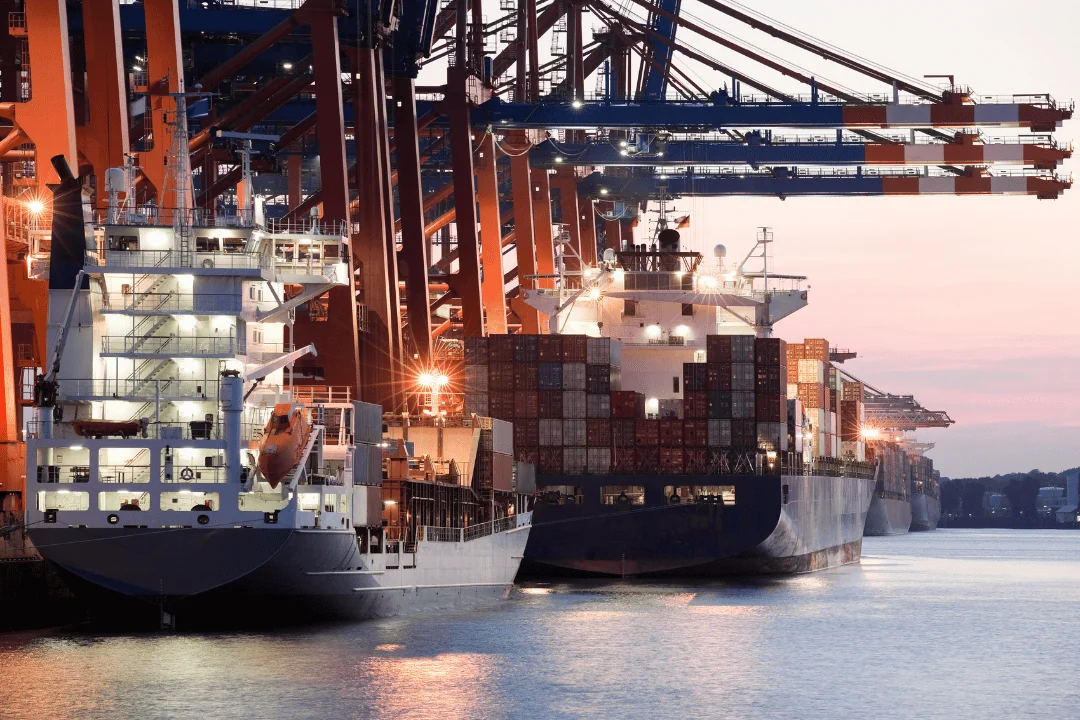
Shipping containers are intended for intermodal transportation, with over 17 million containers currently in use worldwide. They can be easily transferred between trucks, ships, and trains without unloading their contents, making them ideal for shipments that utilize multiple transportation methods.
Fact 8: Corner Castings
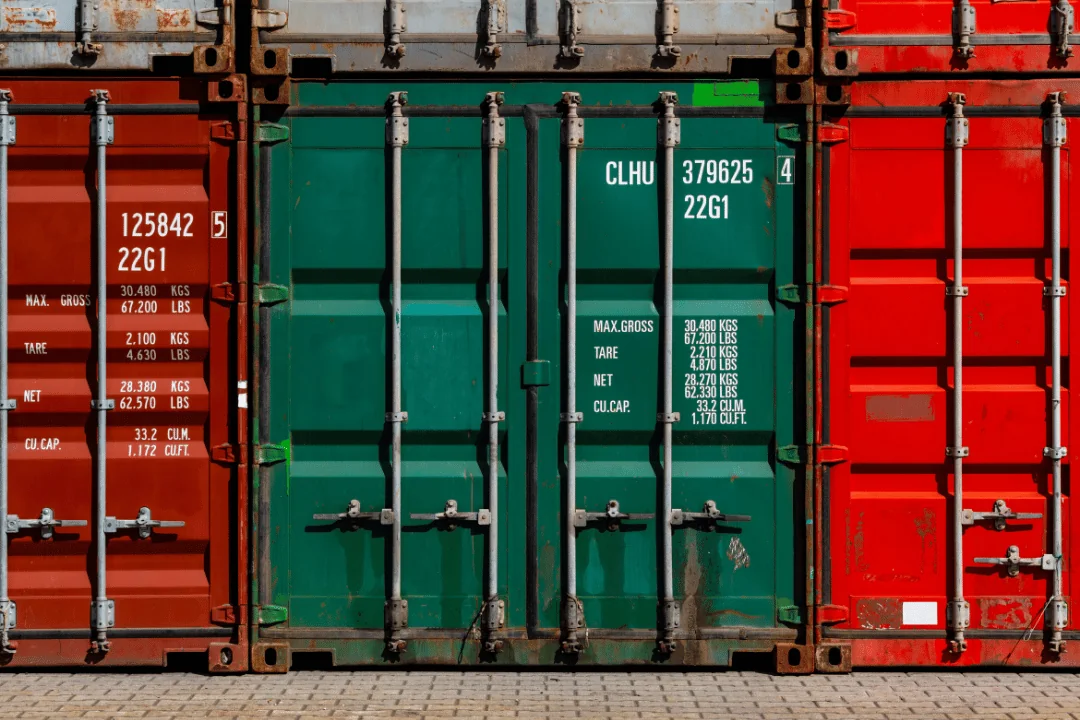
If you take a close look at a shipping container, you’ll notice additional steel blocks located at each corner. These are called corner castings, and they are an integral part of all containers standardized by the International Organization for Standardization (ISO). Corner castings are crucial for maintaining structural integrity and facilitating handling, as they allow containers to be lifted by cranes and link them to transportation modes such as trucks, trains, and ships, while remaining secure. Additionally, they enable containers to connect with one another when stacked beside or on top of each other, ensuring stability on vessels.
Fact 9: Stacking Containers
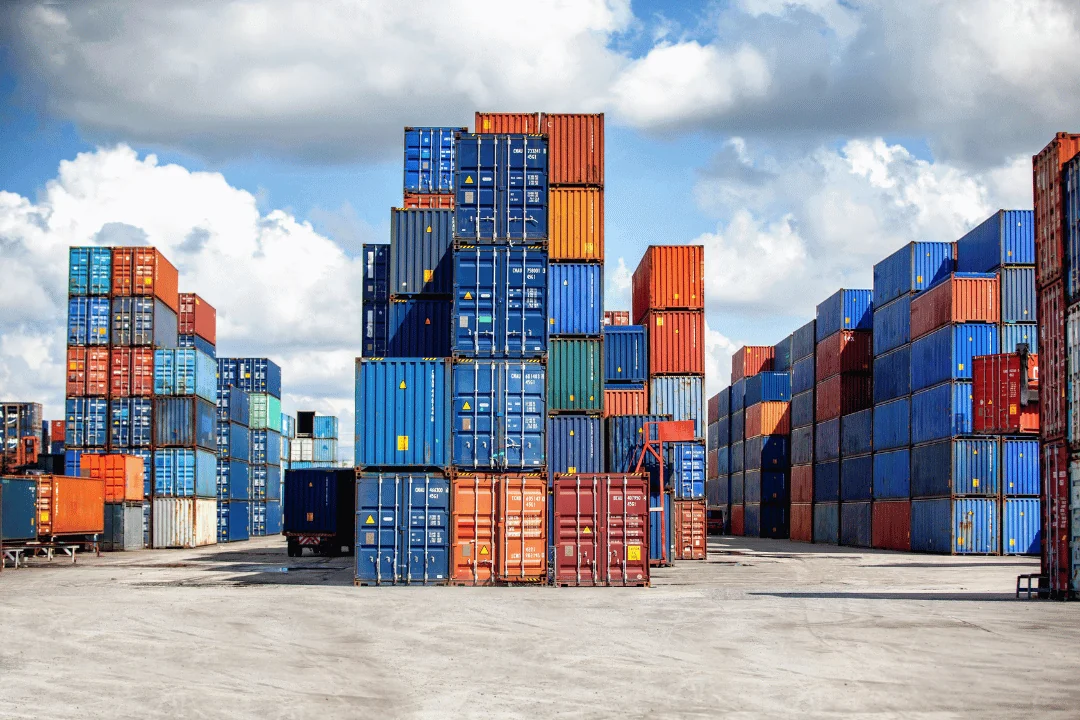
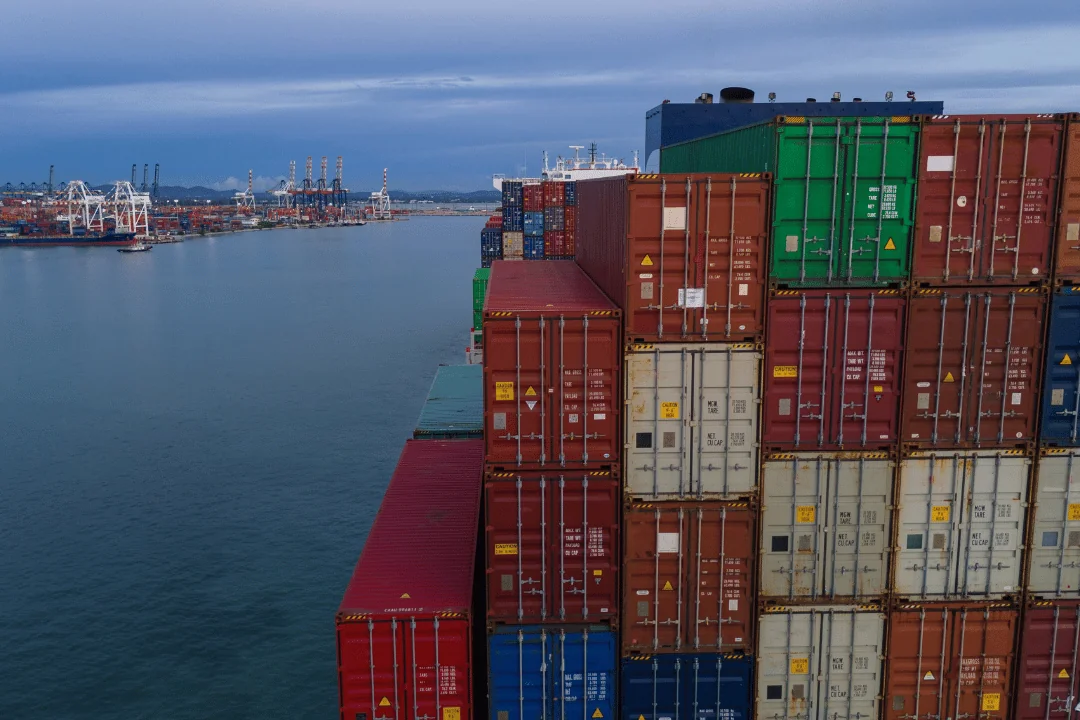
Shipping containers can be stacked as high as 9 to 10 containers high at ports or on large container ships, though the typical maximum height depends on the container’s condition, whether it’s loaded or empty, the type of stacking equipment used, and weather and environmental factors at port or on the ship. Railroads and specialized container ships can double-stack containers, maximizing cargo volume and increasing transportation efficiency.
Fact 10: Refrigerated Containers
Some shipping containers are equipped with internal refrigeration units, enabling them to transport temperature-sensitive products, such as fruits, vegetables, and pharmaceuticals. These units are called refrigerated containers, or reefers for short. They can maintain a consistent internal temperature ranging from −85 °F (−65 °C) to 104 °F (40 °C). Reefers also rely on external power from electrical power points on container ships, on a quay, or at land-based sites like a port.
Fact 11: Container Security
Shipping containers are sealed and secured to prevent unauthorized access. There are two main sealing methods that are used. Weather seals are strips of rubber or other durable materials that press together when container doors close, creating a tight barrier against water, dust, and pests. High-security barrier seals, meanwhile, are locking mechanisms that are difficult to remove without the use of tools. There are several types of high-security barrier seals, including bolt, cable, and pull-tight seals, all of which have their pros and cons.
Fact 12: Container Tracking
Several types of technology are used for tracking shipping containers throughout their journey, including automated identification systems (AIS), Internet of Things (IoT) sensors, and GPS programs. These technologies are used in tandem, and both wireless and satellite-based connections are used for continuous monitoring, even in areas of low or no signals.
Fact 13: Repurposing Shipping Containers
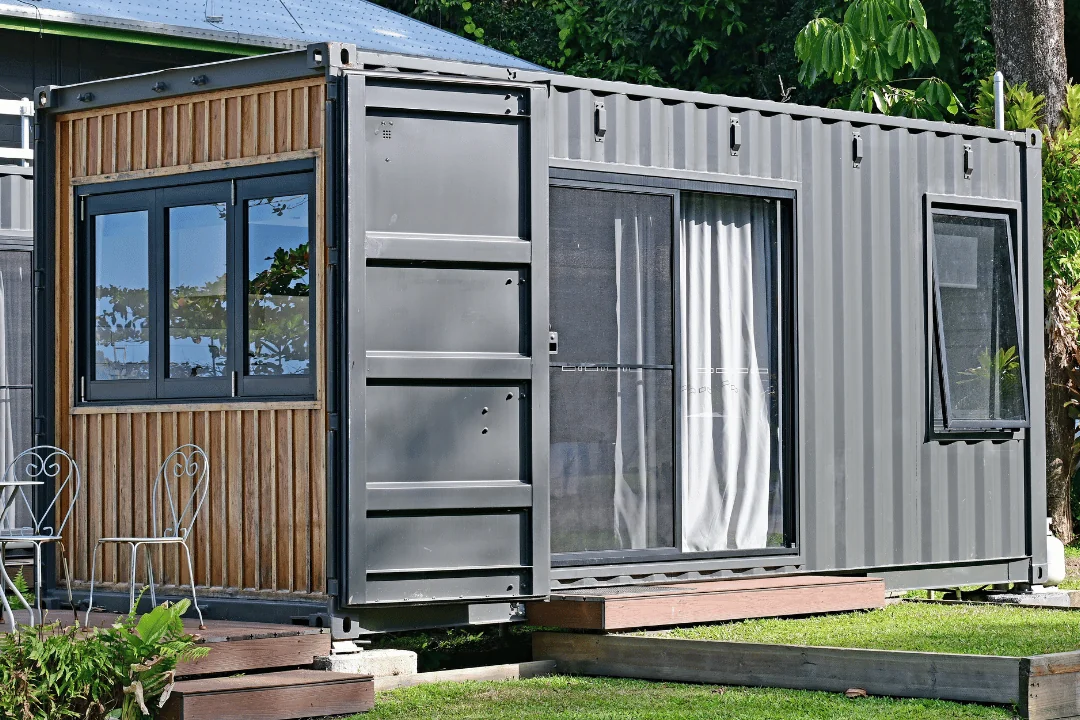
While a shipping container is primarily designed for logistical purposes, they have also found other uses beyond just transporting goods, especially after a shipping container has worn down or has been replaced by newer models. Shipping containers have been repurposed for various applications, including the creation of new homes, affordable student housing, cafes, mobile offices, co-working spaces, art installations, pop-up shops, and container hotels. They have also been used for disaster relief as make-shift shelters.
Fact 14: Shipping Containers’ Mixed Environmental Impact
The environmental impact of shipping containers can be mixed. Many containers are now being made with recycled materials, and using containers for bulk transport reduces trips and fuel consumption compared to other transportation modes. On the other hand, cargo ships burn heavy fuel oil, which causes significant air and water pollution. However, ship manufacturers are experimenting with alternative fuel sources, while manufacturers are trying new materials for container construction, such as bamboo.
Fact 15: Shipping Containers Lost at Sea
According to the World Shipping Council (WSC), in 2024, approximately 576 containers were reported lost at sea due to falling overboard. This is actually an increased amount from the year before, which saw a record 221 containers reported lost at sea. While the logistics industry has been making an effort to increase security protocols and improve vessel design to prevent more containers from going missing, weather, improper loading, and other incidents can still cause containers to fall off ships and into the waters below.
Did You Learn Any New Facts About Shipping Containers?
Since their invention in 1956, shipping containers have played a significant role in the growth of industry and have fundamentally transformed international logistics. There is a reason why shipping containers remain the standard for international ocean shipping: they are safe, reliable, and durable enough to withstand the harsh conditions of sea travel. We hope you enjoyed learning about the fascinating facts related to shipping containers. Now you can truly appreciate the durability and longevity of these essential metal boxes, just like the rest of the logistics industry does.