

The state of the freight industry has been very turbulent these past few years. With demand having gone down and tariffs affecting costs, lots of places have been struggling, and some have even gone into bankruptcy. However, there has been some hope that these downturns are starting to shift, albeit not stably. In 2025, demand for freight services continues to go down while, at the same time, Federal Motor Carrier Safety Administration operating authority gains are outpacing losses.
Everyone is trying to correct the ship’s trajectory and get away from this slump, and it can certainly be difficult with these market conditions. However, by taking a look at what has happened, we can try to plan and strategize for better outcomes. That’s why we want to look at the current trends, observe what can be expected for 2026, and see how we can navigate through these times, as well as try to prepare and put our best foot forward.

Gradual Rebalancing For Freight in the New Year
As with many markets, they come to natural ebbs and flows, and the freight industry is no exception. The worrying thing is how long these contractions have been going on. At the start of the COVID-19 pandemic, freight was given a significant boost to business with many consumers turning to products for recreation, as many services shut down or were extremely limited. However, by 2022, people were more able to go out and flipped their habits towards services halfway through the year.
This caused the industry to have excess capacity, where once many businesses needed lots of freight to move, businesses now had overstock and had to cut back on shipping. That left many companies having to balance budgets and decide what their next steps were. This contracting, though, has lasted way longer than others. While typical downturns of the past lasted “six to 18 months”, this one has been lasting for over three years, making it one of the longest downturns of the industry.
With strategic changes, many businesses have been hoping for a turn in the tide, and, if there are no sudden or drastic changes, are anticipating the market to be in a “gradual bottoming process”, bringing hopes of the market stabilizing as long as companies continue to keep their capacity leaner and maintain flexibility for market conditions and customer needs. Thus, trends are looking into ways that customers can save on shipping, like with intermodal shipping and shorter hauls, and cautious hopes from analysts expecting “modest spot and contract rate gains in H2 2025, with a more meaningful recovery likely in 2026 if demand improves and capacity exits continue”.

AI and Automation Advancements
Technology continues to progress every day, whether we keep up with it or not. That can’t be any truer than with the development of AI. AI has grown from a crude tool making uncanny images to a powerhouse modernizing many key aspects of production and development in our everyday lives. It continues to grow and expand in its involvement, finding new ways to shape the way business gets done in the workplace, and freight is no exception.
Now, instead of having to go through spreadsheets or manually book appointments meticulously, these systems can do the heavy lifting. Need quick information on route conditions and recommendations for a shipment? AI can find that out for you. Gotta negotiate a rate? AI will handle it with the customer on your behalf. Need to find a driver and work on a dispatch? AI’s got you covered. It has certainly grown as a powerful tool that is shaking up work life as we know it!
Even going outside of the AI sphere, there have been lots of advancements in automation. Robots in warehouses have been on the rise, with their presence growing by 10% each year, which is expected to cause robot shipments to increase by 50% each year until 2030! Even recently, fully automated freight trucks have been driving around the nation, some without human safety drivers! That’s why, for 2026, technology continues to be a huge factor in how the industry is shaped and disrupted. These technologies make lots of things uncertain for the future, especially for workers, as well as bringing fast advancements, shaping how business gets done, and rapidly evolving the logistics industry to new strategies daily.
Tariffs Abound
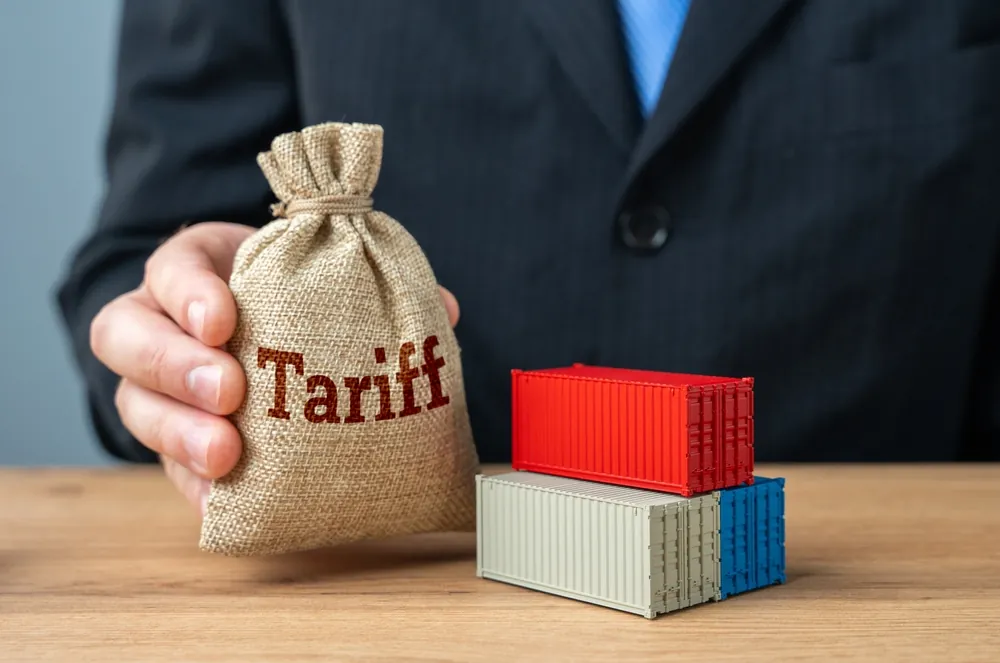
With the recent government tariffs coming out, it has put many businesses into chaos. With tariffs being announced, then rescinded, and then tweaked and put out again, the uncertainty of what tariffs will come and who they will affect has put many businesses on edge. For freight specifically, all of these tariffs can create halts in the supply chain, leaving orders canceled, delayed, rerouted, and less predictable. This can also cause delays for new orders, as a carrier may have lower freight volume available.
But it’s not just general tariffs hurting the freight industry. Recently, it has been announced that all imported medium and heavy-duty trucks will have a 25% tariff alongside the 50% tariffs on imported steel and aluminum that came earlier in March. With all of these tariffs accumulating, it causes more headaches for the freight industry by raising prices and causing some businesses to lower or completely stop shipping, causing lower demand for freight services in a market that has already been hurting for years.
That’s why it’s a good idea to keep an eye on tariffs and their impacts; it can help show where attention may need to pivot so that unprofitable markets can be less focused on and see where better opportunities lie in your marketing plan for 2026. These sudden shifts can certainly be scary and confusing, but having the right focus can help us out and prepare us for what’s to come.

Building Resilience and Risk Management
Lots of things have changed over the past half-decade. From a pandemic to booms and busts to a slow and steadying market, lots of pieces have been and are continuing to shift around. That’s why, for 2026, continuing to shrink capacity and stay focused and alert is the way to go for this healing industry. How we do that and manage risk is key to keeping that resilience.
Because of how low the market has been, many businesses have had to make tough decisions, some even falling into bankruptcy and going out of business. That’s why businesses are taking strategies to avoid similar pitfalls others have gone through. One way has been to diversify the suppliers and regions you work with. A lot of the government tariffs have put many businesses into chaos, not knowing whether their supplier will get hit with tariff fees. By diversifying, you ensure that if one plant or region becomes unsustainable, you can pivot to the next best alternative that fits your needs.
Another way to manage risk is to plan and prepare for disruption. With a constantly volatile market, all sorts of disruptions occur. That’s why trying to keep aware of the market, your standings, and your options is important, because if you fail to plan, you plan to fail. This can look like considering what is possible to happen, like keeping track of the markets or staying up to date on the news. It can also involve using technologies like AI as predictive tools for calculating risk probabilities and suggesting solutions to ongoing issues.
This isn’t just a chore list to go through, but rather an ever-developing constant that needs ongoing monitoring to ensure that nothing comes up out of nowhere or sneaks up on you. That’s why these things are highly important to keep in mind for 2026. While there is hope of healing and growth for next year, it can all be upended by a single variable like tariffs or natural disasters. But by staying focused, in the know, and using smart tools and technologies, you stand to be in a better position for the future.