
The Logistical Miracle of Freight Shipping Circuses
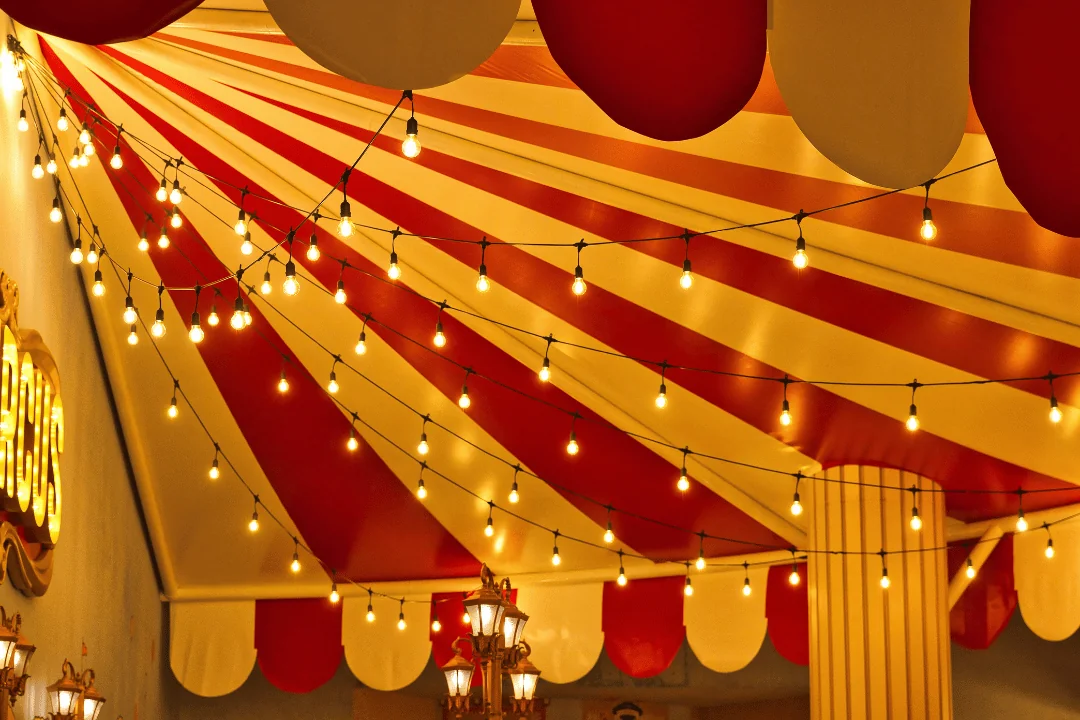
If you were to ask an older person what one of the funnest times in their youth was, they may mention visiting the circus. A tradition almost as old as the United States itself, the circus has long been a source of fond memories for many, with exotic animals, wild spectacles, and hilarious clown acts.
However, what was even grander than the performances or the animals on display was actually moving the circus through the country. During the circus’s golden age, from the mid-1880s to the World Wars, the logistics industry was nascent. Without trucks, shipping containers, or airplanes, circuses relied on horse-drawn wagons, limiting their scale and reach.
However, the emergence of the intercontinental railroad system revolutionized circus logistics, allowing them to travel across the entire country without changing tracks. Circus owners created a method for quickly loading and unloading equipment, enabling them to set up big-top circuses in just a few hours. This operation is now recognized as one of the first large-scale logistics endeavors, and would eventually inspire modern intermodal and drayage freight transportation.
So come join us and marvel at the logistical miracle of freight shipping circuses, and discover how it has influenced modern logistics and transportation.
The Beginnings of Circus Freight Shipping
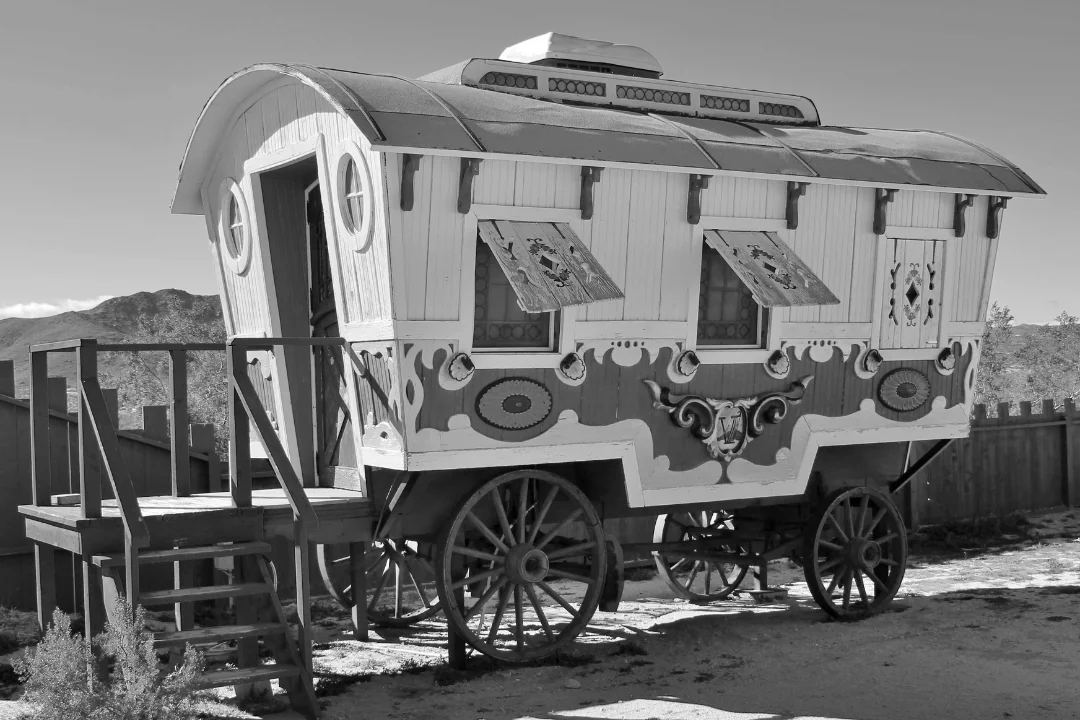
The traveling carnivals and freak shows that would evolve into what we know today as the circus journeyed throughout America on horse-drawn wagons. They would present strange spectacles, fantastic feats, and exotic animals to villages and towns that would otherwise never get any kind of entertainment.
These shows and carnivals had limited travel capabilities due to underdeveloped roads. They could not operate during the winter months, which restricted their mobility to the warmer seasons. As a result, these events were smaller and had to be practical about what they could transport. Consequently, they were only known to people within a specific geographic area.
Even as circuses began to emerge in the mid-19th century, they relied on wagons and carriages to transport their equipment and performers. This limitation meant that the circuses were smaller in size and scope, covering less distance than the enormous big tops that would appear in the next century. To address this challenge, circuses would hold parades upon arriving at their destinations. While the primary purpose of these parades was to advertise the circus performance that night, they also transported the equipment and performers.
Even if they couldn’t go far during their season, the circuses could make their names known far and wide as they moved their equipment to their next shows. This cross between showmanship and logistics would be one of the key factors that changed the game for circus transportation.
The Predecessor to Modern Logistics: The Circus Train
Starting around the 1830s, rail transportation gradually replaced horse-drawn wagons as the primary mode of transportation for circuses in the United States. It almost wasn’t worth it at first: trains could travel only certain distances because of limited tracks and varying track gauges across the states.
There were also challenges that circuses faced in meshing their operations with trains, including:
– Trains were smaller and could only hold so much weight.
– Loading and unloading were laborious tasks.
– Train crews had to be paid up front, and they could be expensive.
However, everything changed in 1869, when the first transcontinental railroad was finished. It connected the entire United States on a single, standardized route, making it easier for circuses to traverse the country. Several circuses that used the transcontinental railroad became very successful, as they could reach more areas and improve their equipment.
Dan Castello, who owned a circus and menagerie in Wisconsin, was an early adopter of the cross-country rail line, traveling from Nebraska to California with his cast and crew. He later sold his circus and, in 1872, partnered with P.T. Barnum and W.C. Coup to create a new touring circus and menagerie that would eventually be known as Barnum and Bailey Circus (later merging with the Ringling Bros. Circus to become the Ringling Bros. and Barnum & Bailey Circus).
To streamline touring operations, Coup and Castello collaborated to develop a new method for transporting the circus. Flatcars were equipped with removable ramps and installed between the cars when the train was stationary. Loaded wagons were also loaded onto pulleys installed on the final car; this allowed them to move across the entire train length and load and unload with ease, similar to a modern conveyor belt.
Circus trains used three types of railcars:
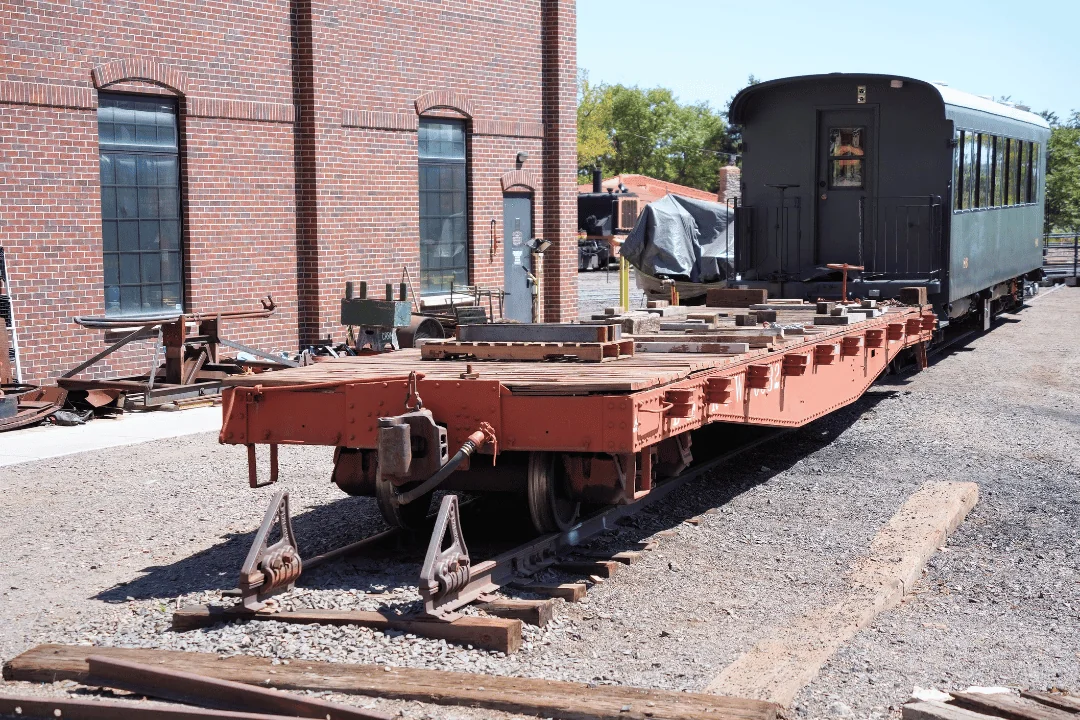
– Flatcars carried animal cages and parade wagons. They’re the predecessors of the modern flatbed trailer that trucks use today.
– Stock cars were custom-built for animals, featuring space for water, food, and specialized tanks for aquatic species.
– Coaches were where the performers and crew lived between shows. The circus owners travelled separately from the circus trains, attaching to regular passenger trains.
The railcars used by circuses were originally leased and relatively short. As circuses grew in popularity, the larger ones began purchasing their own train cars, significantly increasing capacity. Some circus trains could stretch up to a mile long, while others were broken up into several trains.
The largest circuses operated multiple trains on staggered schedules. One set of trains, which included the kitchen crew, would arrive in the middle of the night to set up meal tents before the rest of the performers and crew arrived. The performers and crew would typically sleep in their coaches and arrive early in the morning to find breakfast already prepared.
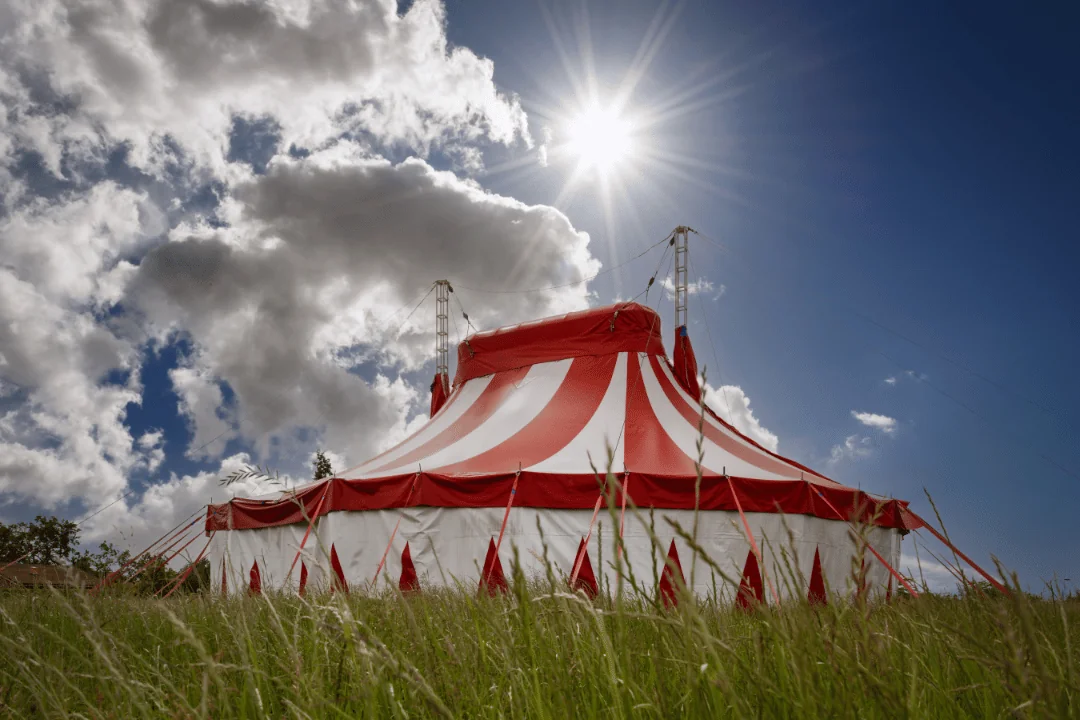
Once the main circus group arrived, they would set up the remaining tents in time for the first guests of the day. Schools and businesses would close for the day so everyone could see the circus. Visitors who arrived early enjoyed the circus’s midway, which featured games, rides, food, and wagon booths selling tickets for the evening performance.
The midway was open from morning until the start of the show. Once the show had begun, the dining tent, the midway, and other facilities would have already packed up, loaded their equipment onto the train, and headed to the next location, starting the cycle anew.
This highly efficient process inspired other traveling shows and carnivals to adopt trains for their transportation needs. For several decades, trains remained the primary mode of transport for circuses, and the methods developed for loading and unloading their cars laid the groundwork for modern intermodal freight shipping.
Even the military took inspiration from circus trains for their logistical needs. They copied the pulley method to transport weapons and provisions to the battlefield, making transport more efficient and helpful. Ironically, however, it would be war that would be part of the reason why circuses would begin their decline
The End of the Circus Logistics Golden Era
When World War I began, the golden age of the circus ended. Performers and attendees alike left home to fight in the war. Although the circus remained a popular attraction, with big top tent performances continuing through the mid-20th century, radio and television began to overshadow it as the dominant source of entertainment. Why buy a ticket to see a show when you could stay at home and listen to or watch shows in the comfort of your own home?
As sales began to decline to a point where they could no longer cover expenses, tented circuses fell out of favor in the 1950s. Indoor circuses continued to thrive, performing in arenas and stadiums throughout the world. These indoor shows made significant changes, such as removing animal performers and focusing on dangerous human feats and storylines inspired by musical theater.
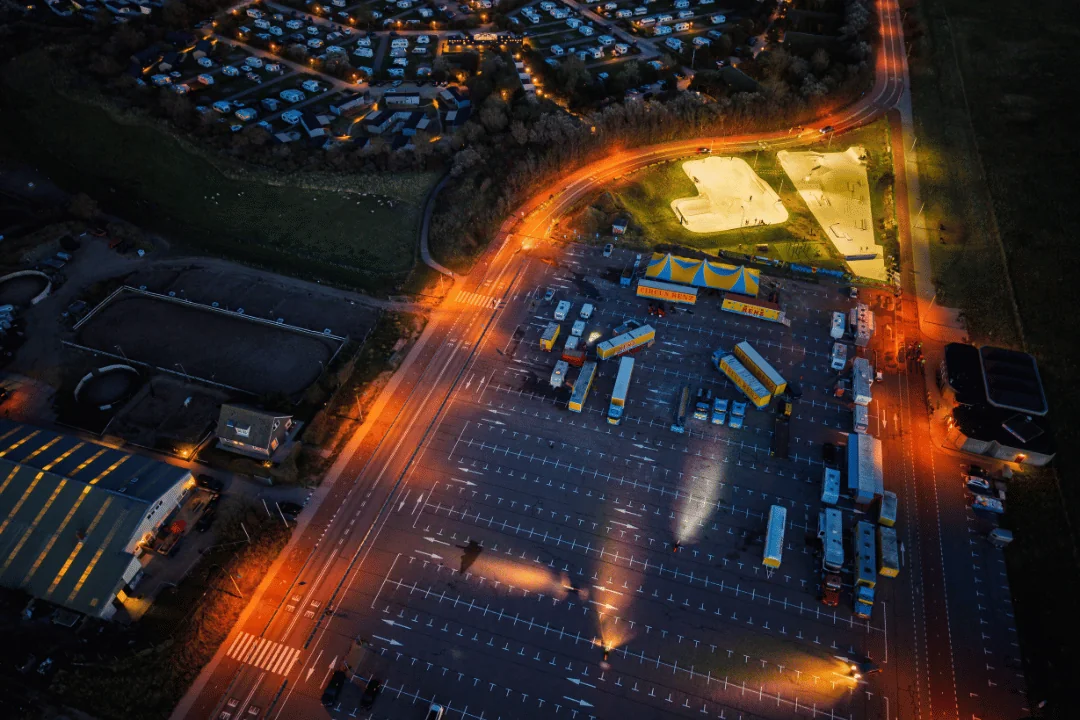
However, one of the bigger changes for circuses was the transition from rail transport to truck transport. Although some shows may still use trains for their performers, trucks can now carry entire productions. There are still some productions that use a multimodal approach (truck and rail), but most prefer the cheaper, faster trucks to the slower, time-consuming train.
Although the circus’s use of trains declined, they were crucial to the growth of circuses and remained important for freight transport for many decades until the invention of the semi-trailer.
The Legacy of the Logistical Miracle
Long before highways, freight trucks, and container ports connected the world, the circus proved that movement itself could be a form of magic. What audiences saw under the big top was only half the spectacle; the real marvel unfolded on the rails.
The logistical miracle of freight shipping circuses transformed how massive operations could travel, set up, and perform across the country with clockwork precision. These early innovators turned railcars into moving cities and perfected the art of efficiency long before “supply chain” became a household term. Their methods inspired the systems we rely on today, from intermodal freight transport to coordinated delivery networks.
So when we look at the complexity of modern logistics, we can still trace its roots back to those roaring circus trains. A reminder that behind every great show, there’s an even greater movement keeping the world in motion.