
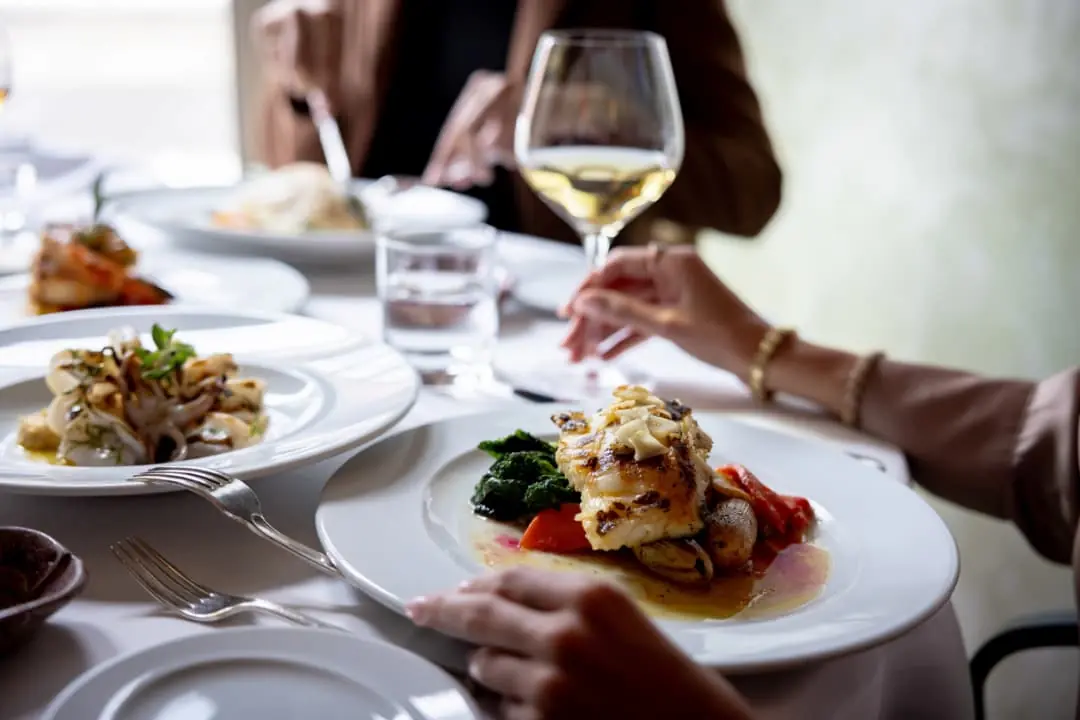
Freight Shipping for Fine Dining Restaurants
There’s nothing quite like dining at a fine restaurant. Known for elegance, sophistication, and higher prices, fine dining offers a larger-than-life experience that makes it worthwhile. However, the process of putting together a supreme five-star dining experience involves a messy mix of logistics. Every aspect of a fine-dining restaurant, from the food to the decor, requires strategic, specialized logistics that emphasize speed, security, and efficiency.
Whether you are opening your own fine dining experience, want to supply or ship for a restaurant, or are just curious about what it takes to get the food, equipment, and decor necessary to create a five-star dining experience, then follow along as we ponder how freight shipping for fine dining restaurants works.

Why is Fine Dining Logistics Unique?
At first glance, freight shipping for a fine dining restaurant may seem similar to that of a regular restaurant. Both types of establishments require food, kitchen equipment, dining room furniture, and decor to operate. However, fine dining restaurants have additional needs that go beyond the basics.
The following factors distinguish a fine dining restaurant from a standard establishment:
– Fresh, seasonal ingredients, including exotic and expensive foods you cannot get from a traditional supplier
– Pricy alcohol, including wine, beer, and liquor from domestic and international suppliers
– Unusual cooking equipment for advanced cooking techniques like vacuuming, controlled fermentation, and edible foams and bubbles
– Expensive and fragile glassware, cutlery, furniture, fine art, and decor from artisans and luxury manufacturers
– Professionally curated menus based on seasonal and wine pairings
– Artistic, thoughtful dish presentation
– Personalized service
– Elegant ambience
The key to an exceptional high-end dining experience lies in the attention to detail at every level, from the restaurant’s ambiance to the quality of the food served. A fine dining restaurant offers a more refined, sophisticated atmosphere than casual eateries, aiming to enhance diners’ overall experience. To achieve this, it is essential to prepare all elements for opening day and every day thereafter through a comprehensive logistics strategy.
Tips for Fine Dining Restaurant Shipping
To create a unique dining experience, restaurant owners must find suppliers, manufacturers, and carriers that specialize in high-end dining. While furniture and decor can be ordered once through a dealer or luxury retailer, food and ingredients must be regularly delivered by expert logistics teams experienced in refrigerated logistics. This can be difficult because many ingredients used in fine dining are rare, exotic, or temperamental.
However, freight shipping for fine dining restaurants isn’t as tricky as it sounds. With the right strategy and resources, fine dining restaurant owners, suppliers, and manufacturers can work together to get food supplies, equipment, and decor delivered efficiently and quickly.
With all that said, here are some tips for shipping to fine dining restaurants:

Tip #1: Choose a Specialized Food Supplier
For a fine dining restaurant, using fresh, seasonal ingredients is crucial. This requires finding suppliers experienced in delivering cold and frozen food quickly to prevent spoilage. Food logistics carriers are typically the best choice, as they operate refrigerated trucks (reefers) equipped with temperature-monitoring systems. These carriers also offer fast delivery times, as expedited services are a standard feature in food logistics.
If a restaurant plans to source food from international locations, it’s advisable to partner with a freight forwarding company and a customs broker. They can help manage the extensive paperwork required for food imports and ensure products arrive promptly at the restaurant.
Additionally, restaurants may benefit from contracting with multiple suppliers. This precaution helps address emergencies or delays if a supplier is unable to fulfill a delivery, ensuring the restaurant has a backup and minimizing disruptions to its operations.

Tip #2: Use Appropriate Packaging
When considering packaging for various items, it is important to account for the unique requirements of ingredients, equipment, and decor. For food and beverages, their perishability and the specific temperatures at which they must be stored are critical factors. In contrast, non-food items such as kitchen equipment, fine art decor, and other restaurant essentials require an evaluation of their individual features and the risks they may encounter during freight shipping.
Cold and frozen foods necessitate proper insulation using insulated materials, refrigerants, and temperature-monitoring tools to ensure their safety. Refrigerated trucks (reefers) are ideal for transporting these items, but adding extra insulation can further enhance the likelihood that perishable goods arrive safely and fresh.
Non-perishable foods, such as canned goods and jarred items, can be packaged using standard freight packaging methods, like bubble wrap, cardboard dividers, and shrink wrap. It is often best to transport non-perishable foods in dry van trailers. These enclosed trucks protect your food from the elements and theft, ensuring it arrives on time.
As for non-food-related items, what you need to do depends on the items in question. Kitchen equipment that is too heavy, long, or wide for standard freight shipping may require heavy-haul services to handle your goods. Decor that includes fine art, sculptures, and intricate wall designs will need services that protect your items throughout the delivery process.
Tip #3: Consider Specialized Services
There may be other considerations fine dining restaurants need to take into account when preparing a shipment. These concerns can be addressed through additional services and accessorials offered by a carrier. Ask yourself the following questions:
– Where is the restaurant located? If the area around the premises is too small to accommodate a freight truck, or if no loading dock is available, you will need to arrange for a lift gate to unload orders from the trailer. It’s important to inform your carrier of any space limitations at your location or to request a lift gate; otherwise, you may incur additional fees.
– What type of freight transportation will your goods use? Most basic food items, beverages, and dining essentials will typically be delivered by truck. However, some rarer or exotic ingredients may need to be transported by air freight or ocean freight. Air freight is fast and efficient but often more expensive, while ocean shipping is more affordable but takes longer. Be sure to choose the best option by considering your budget, distance, and time requirements.
– How can you protect your most valuable shipments? Your glassware, fine art décor, and platters need additional protection, which can be difficult to ensure during standard freight shipping. White-glove services provide the extra care for your most fragile items throughout the delivery process. The driver will personally load your freight, wrap it in blankets or padded materials, and then unload and unpack it at your location. This guarantees that your goods are protected at all times.
Elevate Your Fine Dining Restaurant Shipping Experience
Fine dining is fundamentally about precision, where every detail comes together to create an effortless experience. However, behind that seamless service is a complex network of freight logistics that ensures kitchens are well-stocked, tables are beautifully set, and guests are satisfied. From refrigerated shipments of rare ingredients to the careful delivery of delicate glassware, every link in the supply chain contributes to crafting the perfect meal.
Whether you’re a restaurateur preparing for opening night or a supplier catering to the most discerning chefs in the industry, reliable logistics are the unsung heroes of fine dining. The artistry takes place in the kitchen, but it is the coordination among skilled shippers, carriers, and suppliers that makes every bite possible, transforming logistical precision into culinary perfection.