
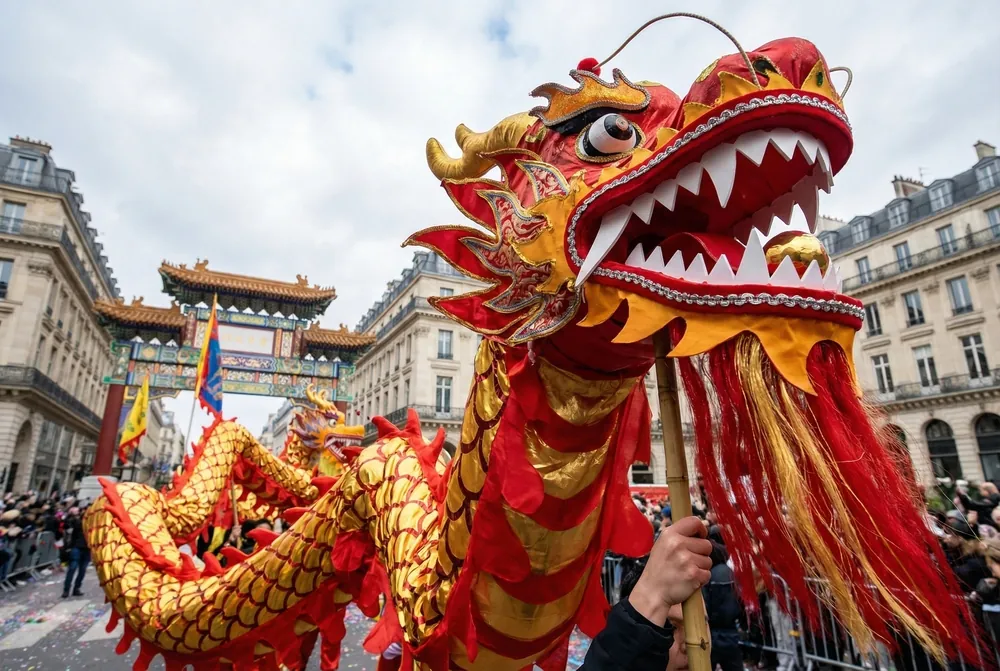
For many, January and February are times of rest, when most of the big holidays have passed, and life returns to normal. For others, it’s the biggest time of the year, when families start gearing up for the biggest holiday yet: the Lunar New Year. Many countries celebrate it, including Vietnam, Thailand, Indonesia, South Korea, and most famously, China. Its prominence in Chinese culture is why many in the US call it the Chinese New Year.
Chinese New Year, also known as the Spring Festival, celebrates the coming of a new year in the Chinese lunisolar calendar. It starts on the second new moon after the winter solstice and ends on the first full moon, spanning fifteen days. These celebrations and observances have been going on for thousands of years, with many unique traditions, legends, and practices abound. But as with any celebration, especially one this big, comes the need to move everything to where it belongs!
From fruits and flowers to decorative flourishes and fireworks, many items need to be made and safely transported to the event. Without proper handling, these items can, at best, spoil and be ruined, or, at worst, explode and cause major destruction. That’s why it’s imperative that businesses take the time and care needed to move these important items. They are part of what makes the festivities lively!
Fruit and Flowers
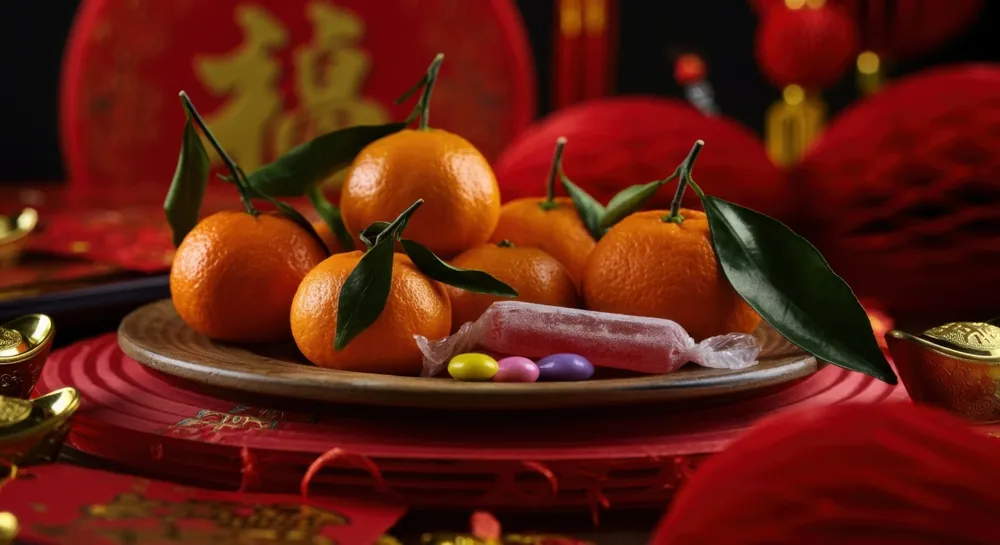
All kinds of foods and flowers are popular for the Chinese New Year. Many symbolize prosperity, good luck, and safeguarding your health. Citrus fruits like mandarins, tangerines, and kumquats are popular for the holiday as their names in Chinese sound close to the Mandarin Chinese words for “good luck” and in Cantonese for “gold”. Its color and shape are also considered lucky and make great gifts.
For foods like these, it’s important to transport them in a specific kind of truck called a reefer. Reefer trucks are refrigerated trucks that can maintain the temperature inside where the cargo is stored. While usually associated with keeping freight cool, it can also warm up and maintain consistent temperatures to protect against freeze damage, especially in the wintertime. It’s also common for food to go through expedited shipping so that the food’s quality and freshness are maintained, so that the buyer can get as fresh a product as possible.
With Chinese New Year also being called the Spring Festival, it’s also popular to adorn the home with flowers. These flowers have significant symbolism and are thought to bring different positive outcomes like prosperity, fertility, a long life, and good luck. Some of these flowers include narcissus, orchids, chrysanthemums, peach blossoms, and peonies, among others. Some will even decorate with kumquat or tangerine trees for good luck, as previously discussed.
Just like with the fruits, plants need to be shipped in the temperature-controlled environment of a reefer and expedited so that the quality of the plant is maintained. It’s also important to package the plant properly. If the plant is bare root or harvested like flowers, then it’s good to have all soil rinsed off and wrap them in a moist material like a paper towel before placing them in a plastic bag. This way, the plant can stay healthy and not dry out.
If it’s still potted, then moving it to a plastic pot will help keep it lighter and make it more durable. It’s also good to ensure that the plant is watered enough so that it doesn’t dry out, but not too much that it drowns and gets too heavy. Wrapping the top of the pot also helps to ensure that the soil doesn’t fall out.
A shipper should also put plants in corrugated cardboard boxes that have cushioning on the inside, like packing peanuts or crumpled paper, to keep the plant unharmed, use cardboard dividers to stabilize taller plants, and ensure that everything is pest-free, labeled, and documented correctly.
Red and Gold Everything
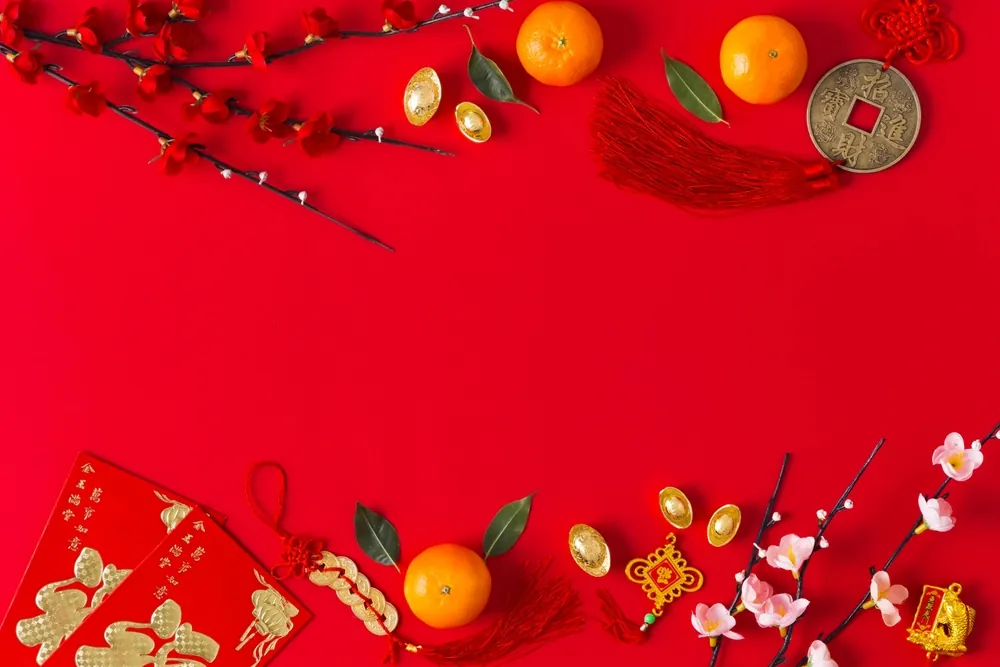
When the Chinese New Year rolls around, a lot of things start to turn red and gold. Not only because it’s a great color combo, but because it continues to symbolize good luck and togetherness with red and wealth yellow. There are all kinds of decorations that people use throughout the holiday, such as lanterns, coins, charms, little statues, and paper cutouts, among others.
Paper items actually tend to be a popular choice for gifts and decor, including pop-up red lanterns, paper-cutting decorations called chuāng huā (窗花), and red envelopes that people gift with money! Some may believe that shipping paper products is easy, but that couldn’t be further from the truth. There are many kinds of paper products made, and they need to be kept protected from variables like moisture, heat, shifting, and weight, among other factors.
When shipping paper products, shippers will utilize different methods to protect their shipments and reduce the risk of damage. For moisture, they may wrap the shipment on a pallet with waterproof wrapping, especially for LTL shipments or humid areas. They will also ensure that everything is secured and tied down properly to reduce shifting and keep everything stacked properly so that the items don’t get crushed.
For other delicate decorative items, like small decorative statues or sculptures, the shipper will ensure to protect the item by putting cushioning in the package, like bubble wrap, crumpled paper, or packing peanuts.
A Big Bang for the Chinese New Year
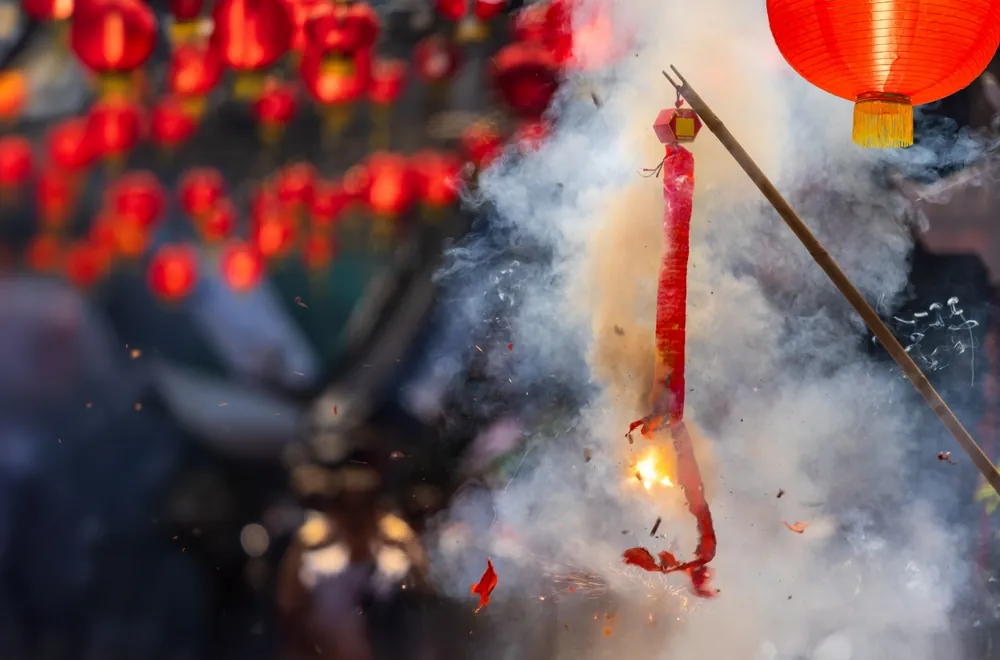
Fireworks are a staple for the Chinese New Year, especially firecrackers. They were originally believed to ward against evil spirits, especially monsters known as Nian. Originally, people would burn bamboo, as it would make loud cracking noises when lit. Once gunpowder was discovered during the Tang Dynasty, people would stuff it inside bamboo sticks and throw it in the fire, thus creating some of the first ever firecrackers.
Today, firecrackers and fireworks have modernized to now come in all shapes, sizes, and brilliant colors! While they remain a fun and dazzling part of the holiday, they are still a very dangerous item to carry around and send, needing extra care and protection.
Because fireworks explode and are flammable, they are considered a hazardous item that is required to go through hazmat shipping. Hazmat shipping is highly regulated and varies across different states and countries. These regulations help to protect everyone in the shipping process by mandating proper packaging and requiring proper labeling so that everyone in the supply chain understands what they’re handling.
Hazmat shipping has all kinds of classifications, markers, and groups that an item needs to be marked under. For fireworks, they can be classified as either 1.3G for big “display fireworks” or 1.4G for lower grade “consumer fireworks”.
When shipping fireworks, proper packaging is a necessity to ensure that both the product and the shippers are safe. Different items may need different packaging supplies; some of the most common items used to package fireworks include corrugated fiberboard boxes, drums, pails, crates made of metal or plastic, and 4GV packaging.
It’s also important to know the laws of where fireworks can and can’t be shipped to. Some places are fine with most fireworks, while others may highly regulate or even ban them.
Once you have your food, friends, and fireworks, the festivities can really get started. The Lunar New Year, like many other holidays, is all about coming together, celebrating our traditions, and being with our loved ones. Freight ensures that the festivities can happen without any delay and keeps everything delivered as safe, undamaged, and fast as possible. So, whether you celebrate far away or close to home, you can be assured that the festivities can be delivered!