
Freight Terminal Services for Cost-Effective Shipping
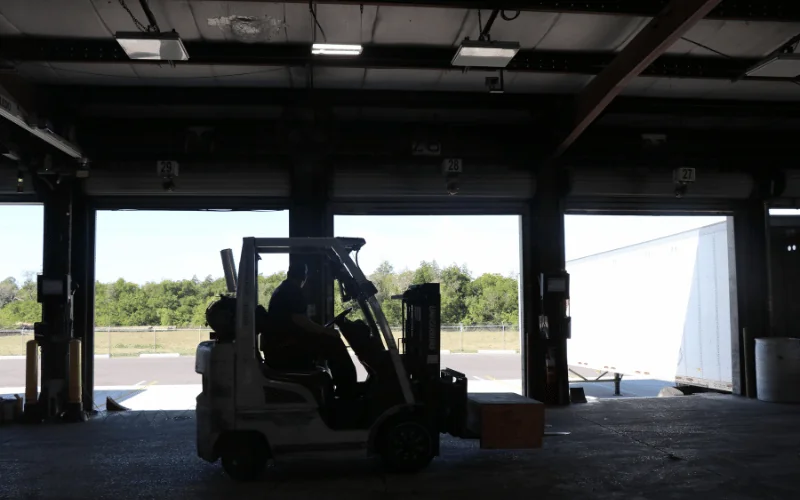
A freight terminal is a carrier facility where shipments are received, sorted, transferred, staged, or prepared for final delivery. Freight terminals play an important role in LTL shipping because they help carriers move freight through regional and national networks more efficiently.
Related Freight Terminal and LTL Shipping Resources
Freight Accessorials What Is Freight Curbside Pickup and Delivery? Residential Freight Shipping


For shippers, using a freight terminal can be a practical way to reduce certain pickup or delivery costs, avoid residential accessorial fees, and gain more flexibility when moving freight. Instead of scheduling a carrier to pick up or deliver at a home, business, jobsite, or limited-access location, you may be able to drop off or pick up freight at a nearby carrier terminal.
FreightCenter helps make terminal shipping easier by showing available freight terminal options when you compare rates. Enter your shipment details, choose terminal pickup or terminal drop-off when available, and compare carrier options through FreightCenter’s online quote tool.





Thousands of businesses trust FreightCenter to move their freight faster, smarter, and cheaper! From unbeatable rates to top-notch service, our customers are raving about their shipping success.
See why they keep coming back!
Award-Winning Service, Trusted by Shippers Everywhere!
- 2021, 2017 & 2016 Food Logistics’ Top Green Providers
- 2021 & 2018 Supply & Demand Chain Executives’ Pros to Know: Matthew Brosious
- 2020 & 2019 Top Food Logistics’ 3PL & Cold Storage Provider Award
- 2020 & 2019 Business Observer’s Top 500 Companies on the Gulf Coast
- 2020 & 2017 SmartWay® Transport Partner
- 2020 & 2017 Food Logistics’ Champions: Rock Stars of the Supply Chain
- 2020 Best of Palm Harbor Awards for Local Businesses
- 2017 Green Supply Chain Award from Supply & Demand Chain Executive
- 2017 Tampa Bay Business Journal Heroes at Work
- 2016, 2015, & 2012 Food Logistics Top 100 Software and Technology Providers
- 2013 Tampa Bay Business 100 by Tampa Bay Business Journal
- 2013 Top 100 Great Supply Chain Partners by SupplyChainBrain
- 2012 TIA Samaritan Award Honorable Mention
- 2012, 2011 & 2010 TBBJ Fast 50 Recipient
- 2013, 2011, & 2010 Diversity Business Top Businesses

Why Choose FreightCenter for Freight Terminal Shipping?
Freight terminal shipping can save money, but it also requires the right details. You need to know which carriers offer terminal service, where the nearest terminal is located, what documents are required, and whether your shipment is properly packaged for drop-off or pickup.
FreightCenter helps simplify the process by giving shippers access to freight rates, carrier options, terminal service choices, and experienced support in one place.
With FreightCenter, shippers can:
- Compare rates from multiple carriers
- Select terminal pickup or terminal drop-off when available
- Access LTL, truckload, and specialized freight options
- Get help preparing the Bill of Lading
- Track shipments online
- Work with experienced freight specialists
- Reduce confusion around freight terminal requirements
Whether you are shipping from a business, residence, warehouse, storage unit, or jobsite, we can help you compare options and determine whether terminal shipping makes sense for your freight.
What Is a Freight Terminal?
A freight terminal is a transportation facility where freight is received, sorted, transferred, consolidated, or prepared for delivery. Freight terminals are commonly used by LTL carriers, trucking companies, railroads, ports, and air cargo providers.
In LTL shipping, freight terminals act as connection points within a carrier’s network. A shipment may be picked up by a local driver, brought to a terminal, sorted with other freight, moved to another terminal by linehaul truck, and then loaded onto a local delivery truck for final delivery.
Freight terminals help carriers move shipments more efficiently by organizing freight by route, region, destination, and service level. For shippers, terminals can also provide another option for pickup or drop-off when direct service to a specific location is more expensive or less convenient.
What Are the Advantages of Using a Freight Terminal?
Using a freight terminal for pickup or drop-off can help shippers save money, reduce delays, and simplify certain types of freight moves. It can be especially helpful for residential shipments, limited-access locations, oversized items, or freight that requires a liftgate at pickup or delivery.
Lower Freight Costs
Terminal shipping may help reduce accessorial charges. If a shipment would otherwise require residential pickup, residential delivery, liftgate service, inside pickup, or limited-access service, dropping off or picking up at a carrier terminal may lower the total cost.
Faster Carrier Handoff
Dropping freight directly at a terminal can help move the shipment into the carrier’s network more quickly. Instead of waiting for a local pickup appointment, the freight is handed off at the carrier’s facility and prepared for transit.
More Pickup and Delivery Flexibility
Terminal pickup can give customers more control over when they retrieve their shipment. This can be helpful when delivery to a home, jobsite, farm, storage facility, or business location is difficult to schedule.
Reduced Handling at Pickup or Delivery
Terminal use may reduce the number of steps needed at the pickup or delivery location. This can be useful when the shipper or receiver has the proper vehicle and equipment to safely transport the freight to or from the terminal.
Helpful for Residential Freight
Many freight shipments are not delivered like parcel packages. Large, heavy, palletized, or oversized items may require special delivery services. Using a terminal can give residential shippers another option when home pickup or delivery is not ideal.
What Do You Need to Use a Freight Terminal?
Before going to the terminal, make sure you have:
- Your FreightCenter Bill of Lading
- Printed shipping labels for each pallet, crate, box, or freight piece
- A valid pickup or delivery confirmation
- The carrier terminal address
- Your shipment tracking or PRO number, if available
- A vehicle large enough to safely transport the freight
- Help or equipment for loading and unloading, if needed
If you are dropping off freight, each handling unit should be properly packaged, secured, and labeled before arrival. If you have four pallets, each pallet should have its own label attached where it can be easily seen.
If you are picking up freight, confirm the terminal’s hours, pickup requirements, and loading process before you arrive.
Freight terminal shipping can be a practical option when shippers want more flexibility, fewer accessorial fees, or a simpler way to move large, heavy, or palletized freight. Whether you are dropping freight off at a carrier terminal or picking up a shipment from a nearby terminal, FreightCenter helps you compare service options and choose the solution that fits your freight, timeline, and budget.
Trust the experts at FreightCenter to give you the best prices and the most comprehensive options for all your LTL freight shipping needs.
Need to use a carrier terminal? FreightCenter can help you compare available terminal pickup and drop-off options, review carrier requirements, and book a shipment that fits your location and freight needs.
Nationwide Expedited Trucking services move your freight securely and rapidly. Your freight requires fast delivery; our freight shipping experts can get your shipment fast, whether in one large box or a full truckload.
The most reliable Specialized Freight Services rates from all the top carriers are just a few steps away. From white glove service to international shipping, we've got you covered.

 Guaranteed competitive pricing every time you ship.

Make Freight Terminal Shipping Easier with FreightCenter
Freight terminals can be a smart option when you want more flexibility, lower shipping costs, or a simpler way to move large or heavy freight. But using a terminal still requires the right carrier, accurate shipment details, proper documentation, and a clear understanding of pickup or drop-off requirements.
FreightCenter helps take the guesswork out of the process. With access to a large network of trusted carriers, easy online rate comparisons, and support from experienced freight specialists, FreightCenter helps shippers determine whether terminal shipping makes sense for their freight. From LTL shipments and residential freight to oversized items and business deliveries, our team can help you compare options, prepare the right documents, and book the service that fits your shipment.
Whether you are dropping freight off at a carrier terminal, picking up a shipment nearby, or simply trying to reduce accessorial costs, FreightCenter gives you the tools and support to ship with more confidence.
Ready to compare your options? Get a freight terminal shipping quote today.
Freight Terminal FAQ
Q. What is a freight terminal?
A freight terminal is a carrier facility where freight is received, sorted, transferred, staged, or prepared for delivery. In LTL shipping, terminals act as connection points that help carriers move shipments through regional and national networks. Freight terminals may include trucking terminals, rail terminals, airport cargo facilities, and seaport facilities.
Q. How does a freight terminal work?
A freight terminal works as a transfer point within a carrier’s transportation network. A local driver may pick up freight and bring it to a terminal, where it is sorted by destination, consolidated with other shipments, and loaded onto another truck for long-haul movement. Once the freight reaches a destination terminal, it is sorted again and prepared for final delivery or customer pickup.
Q. Can I drop freight off at a terminal?
Yes. In many cases, shippers can drop freight off at a carrier terminal instead of scheduling a pickup at a home, business, warehouse, or jobsite. Terminal drop-off can be useful when you want to avoid certain accessorial fees, do not have a loading dock, or prefer to bring the freight directly to the carrier’s facility. When booking through FreightCenter, terminal drop-off may be available depending on the carrier, shipment details, and location.
Q. Can I pick up freight from a terminal?
Yes. Many carriers allow freight terminal pickup when the shipment is available at the destination terminal. This can be helpful if home or business delivery is difficult, expensive, or inconvenient. Before arriving, confirm the terminal address, hours, pickup requirements, and whether you need a tracking number, PRO number, Bill of Lading, or photo ID.
Q. Is freight terminal shipping cheaper?
Freight terminal shipping can be cheaper in some cases because it may help avoid accessorial fees such as residential pickup, residential delivery, liftgate service, inside delivery, or limited-access charges. Cost savings depend on the shipment, carrier, location, equipment needs, and service options. FreightCenter can help compare rates so you can see whether terminal pickup or terminal drop-off makes sense for your shipment.
Q. What is terminal-to-terminal freight shipping?
Terminal-to-terminal freight shipping means the shipper drops freight off at the carrier’s origin terminal, and the receiver picks it up at the destination terminal. This option can reduce certain pickup and delivery costs because the carrier does not need to send a truck to the shipper’s or receiver’s location. It is often used for large, heavy, or residential freight when the shipper and receiver can safely transport the freight to and from the terminals.
Q. What do I need to bring to a freight terminal?
You should bring your Bill of Lading, shipment labels, carrier confirmation, and any pickup or delivery reference numbers provided during booking. If you are picking up freight, bring a valid photo ID and the tracking or PRO number if available. You should also bring a vehicle large enough for the shipment and any straps, blankets, pallet jacks, or loading help needed to safely secure and move the freight.
Q. Do freight terminals load freight into my vehicle?
Some freight terminals may help load freight into your vehicle, but this depends on the carrier, terminal, shipment type, and available equipment. You should not assume loading assistance is included. Before going to the terminal, confirm whether the terminal can load your freight, whether your vehicle is acceptable, and whether you need to bring your own loading help or equipment.
Q. Can residential shippers use freight terminals?
Yes. Residential shippers often use freight terminals to avoid the added cost or complexity of home pickup or delivery. This can be especially helpful for large, palletized, heavy, or oversized items that are difficult to handle at a residence. If you have access to a truck, trailer, or suitable vehicle, terminal pickup or drop-off may give you more flexibility and lower shipping costs.
Q. How do I find a freight terminal near me?
You can find freight terminal options by using FreightCenter’s quote process. Enter your shipment details, including origin ZIP code or Canadian postal code, destination, dimensions, weight, and service needs. When available, select Freight Carrier Terminal as the pickup or delivery location type to compare terminal-related shipping options from participating carriers.
Q. What is the difference between a freight terminal and a warehouse?
A freight terminal is mainly used to move freight through a transportation network. Freight is received, sorted, transferred, and prepared for the next leg of transit or final delivery. A warehouse is typically used for longer-term storage, inventory management, fulfillment, or distribution. Terminals focus on transportation flow, while warehouses focus on storage and inventory handling.
Q. What is an LTL freight terminal?
An LTL freight terminal is a carrier facility used to process less-than-truckload shipments. Because LTL freight shares trailer space with other shipments, terminals help carriers sort, consolidate, route, and transfer freight efficiently. A single LTL shipment may pass through multiple terminals before reaching its final destination.
Q. Can using a terminal avoid liftgate fees?
Using a freight terminal may help avoid liftgate fees if you can drop off or pick up the freight at the terminal using proper equipment or a suitable vehicle. Liftgate fees are often added when a pickup or delivery location does not have a dock or forklift. If terminal service is available and you can safely handle the freight, it may reduce the need for liftgate service.
Q. What happens if I miss my terminal pickup?
If you miss your terminal pickup, the carrier may hold the freight for a limited time, charge storage fees, reschedule pickup, or attempt delivery, depending on the shipment and carrier policy. Storage rules and fees vary by carrier and terminal. Contact the carrier or your FreightCenter representative as soon as possible if you cannot pick up freight on time.
Q. Can FreightCenter help me book terminal pickup or drop-off?
Yes. FreightCenter can help shippers compare rates, review carrier options, and book freight shipments that may include terminal pickup or terminal drop-off when available. FreightCenter’s online quote tool and freight specialists can help you determine whether using a freight terminal is a practical option based on your shipment size, route, location, budget, and handling needs.
Freight Terminal Pickup & Drop-Off Tips
Dark Terminals
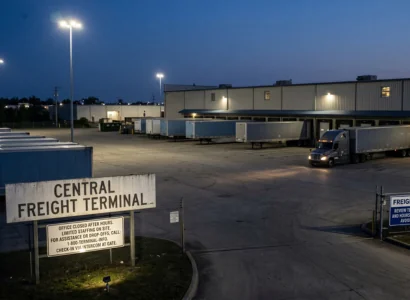
A dark terminal is a carrier terminal that may not be staffed during normal business hours or may operate with limited on-site personnel. This can affect when freight can be dropped off, when shipments can be picked up, and who is available to assist with paperwork or loading. Before using a terminal, confirm whether it is staffed, what hours it accepts customers, and whether special instructions are required. FreightCenter can help shippers review terminal details and avoid surprises before arrival.
Dock-High Vehicle or Ramp Access
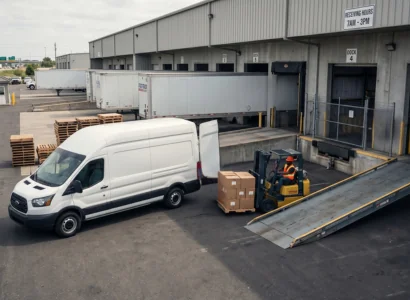
Many freight terminals are designed for commercial trucks backed up to loading docks. If you are picking up or dropping off freight, you may need a dock-high vehicle so the terminal can load or unload your shipment safely. If you do not have a dock-high vehicle, ask whether the terminal has ramp access or ground-level forklift access. This allows terminal staff to move freight between the dock and ground level when available. Requirements vary by carrier, shipment size, and terminal location, so it is best to confirm before you go.

Pickup and Drop-Off Appointments
Some carriers require customers to call ahead and schedule a pickup or drop-off appointment at the terminal. Even if the terminal accepts walk-ins, appointment requirements can depend on the carrier, shipment status, freight size, staffing, and terminal hours. Scheduling ahead helps make sure your freight is ready, the terminal can receive or release the shipment, and the proper equipment is available. If you book through FreightCenter, our team can help you understand the carrier’s pickup or drop-off requirements before you arrive.