Freight moves the world, truly! Without it, we would be in a much different place with fewer resources and fewer opportunities. There would be fewer food options, and they would only be tied to what’s available in your area. Less access to medicine, if any, in many places. Even less technology would exist, considering how many different resources from far places are needed just to make a computer. Truly, innovation has transformed the freight industry, which in turn has improved all other sectors and has created a symbiotic cycle of improvement. But who keeps this cycle going?
Many people know about truck drivers and the significant impact they have on the freight industry by being, well, the main drivers! Even warehouse workers have been getting more attention with the rise of companies like Amazon opening up tons of distribution centers. But what about the lesser-known roles?
We take a look at some of those roles and how they keep the ever-growing freight industry moving. While it’s certainly not an exhaustive list, we hope to make people more aware of how everyday people keep our lives and societies open and alive.

Load Planners
For freight, the idea seems simple; move items from point A to point B. Seems easy enough, right? Well, not when you consider all kinds of outside influences like weather, truck load capacity, drivers’ load responsibility, major holidays and events, traffic conditions, and other variables foreseen and unexpected. It’s not just as simple as sending out a driver to do the job; freight shipping has to be planned out. That’s why companies have what’s called a load planner.
A load planner’s job is to review which shipments are ordered to fulfill, when they need to be completed, and how to plan those deliveries in the most optimal way possible. They will look over maps, traffic reports, drivers’ delivery schedules, and other factors to determine who receives which shipment. It’s all about making the most optimized decisions for shipments. The better for the drivers, the better for the load planner.
Without them, shipments can be unnecessarily delayed, mismanaged, or lost due to adverse weather, failure to utilize adaptive technology, or other reasons. That’s why it’s essential for the load manager to be focused and up to date on truck, driver, and road conditions.

Dock Workers
Lots of shipments have to be loaded and unloaded every day. The central place to do that is at the loading dock. While most people instantly think of the sea for docks, there are loading docks for all kinds of places, like warehouses and stores. Whether by plane, train, or truck, the loading dock sees a lot of traffic, making it a very hectic and confusing place. That’s where dock workers come in.
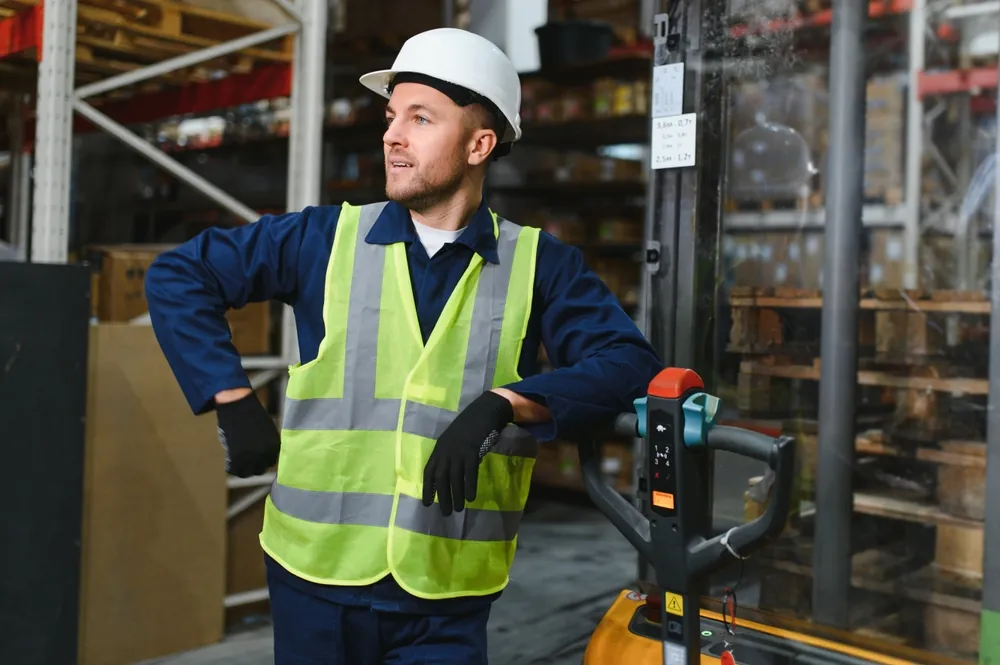
Their job is to load and unload shipments and manage where they are stored. Depending on the type of shipment and its location, it may also have to undergo inspection, such as for international shipments. Moving these items can be very difficult, which is why most dock workers use machines like pallet jacks, forklifts, or cranes to move very heavy freight. It may look easy, but using these meticulous machines can be tricky to operate. The bigger the freight, the more careful and focused a worker needs to be when moving the shipment.
While there are tools to help transport shipments, dock workers will need to manually move and lift a lot, making the job physically demanding. On top of that, they will need to have excellent attention to detail, as they also, in many cases, must store shipments for their next journey. Dock workers will need to be knowledgeable about how things are organized and how to store shipments safely and efficiently. Without them, managing inventory would be a whole lot messier and more difficult for people transferring freight.

Pricing Manager
When a business offers a service, it can be challenging to know what it’s worth, especially if you’re new to the industry. That’s where pricing managers come in! They are experts on how markets work, which pricing strategies are likely to work best, and how to maximize profitability and competition. All of this work ensures that the business they work for stays afloat and can grow.
Pricing managers work behind the scenes and analyze how their industry is going and compare it to where their business stands. They manage pricing to ensure it meets industry standards and pivot when the market changes. For freight, that means looking into competitor pricing, carrier benchmarks, and freight market shifts. They also try to maintain strong relationships with carriers to secure the best possible rates for their customers. They will oversee pricing analysts, ensure that regulations are being followed, and keep focus on observational data.
This requires the pricing manager to remain focused, adaptable, and up to date with the latest forecasting tools and technologies. They must be knowledgeable about how the freight industry operates, understand freight classes (NMFC), supply chains, and freight forwarding. Without all of this extensive knowledge and experience, a business can be put through turmoil, preventing it from running sustainably and hurting many who work with and for the company.
Remote Security Officer
Freight is a huge market, with the U.S. freight and logistics market alone being worth $1.38 trillion and expected to grow to $1.67 trillion by 2030. When being the primary driver of goods, it’s understandable to see why. From food to clothes to books to medicine and tons more, we could not live in the world we live in today without freight shipping.
But freight is not always on the move. Sometimes it has to stay at a facility, such as a warehouse or port, and wait to be picked up and moved again by the retailer or manufacturer. That’s a lot of valuable goods just sitting somewhere, even if for a short time, and you certainly don’t want them getting damaged or stolen by someone else! It’s such a significant challenge that about $18 million is lost from direct and indirect losses, with 74% of stolen items disappearing forever. That’s where remote security officers come into play.
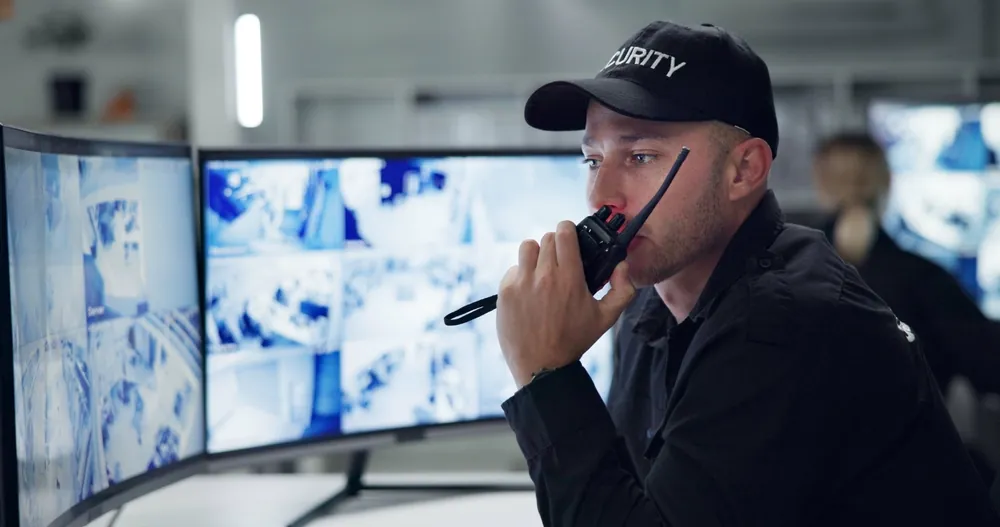
Unlike regular guards who must stay physically in a small area, remote security officers remain in a room with monitors that can show multiple locations at once. They can observe and detect when something goes wrong and typically have resources to deter thieves, such as alarms, remote door locking, and automatic police notifications. This makes security more cost-effective and safer, as you don’t need as many people working while minimizing dangers. Emerging and developing technologies continue to innovate in detection and prevention, improving the detection of surrounding areas.
These officers must be able to multitask efficiently, stay observant, be adept with technology, and make quick, decisive decisions in their day-to-day jobs. That can mean staying awake for long hours or informing authorities and making critical decisions about how to deal with emergencies. Without them, security would be less safe and effective, and more goods would be stolen. Stolen freight is a major issue in the industry; that’s why it’s crucial to stay up to date with technology and use the best tools and methods we have.

Logistics Dispatcher
Previously, we discussed load planners and their role in planning deliveries. While they are sometimes combined with logistics dispatching, they are two separate roles, with logistics dispatching concerned with how the load planners’ plan is executed.
Logistics dispatching puts the delivery plan into action by assigning drivers, if not already done so, or if the previously planned person is unavailable, assisting with immediate issues such as weather or breakdowns, and monitoring driving progress to ensure on-time delivery as much as possible.
Like a load planner, logistics dispatchers try to optimize deliveries, such as making route changes due to weather delays or to improve fuel efficiency. However, they also take an active role in solving problems, such as when a delivery needs to be changed or a driver needs help, much like the remote security officer. Dispatchers not only have to be knowledgeable, but also adaptable and responsive. They need to have different hats for different needs. Whether it’s monitoring, adapting, or problem-solving, they are on top of it!
And this goes for every worker in the logistics chain! So many people work around the clock to keep our world running. From planning to monitoring to protecting, every role matters. So if you ever get the chance to meet someone who works in freight logistics, thank them, as they genuinely make the world go round.