
How the Autumn Harvest Shapes Shipping Strategies
Autumn has arrived, bringing a brisk chill to the air. Leaves change color and fall from the trees, the days grow shorter, and everyone prepares for the end-of-year holidays such as Halloween, Thanksgiving, and Christmas.
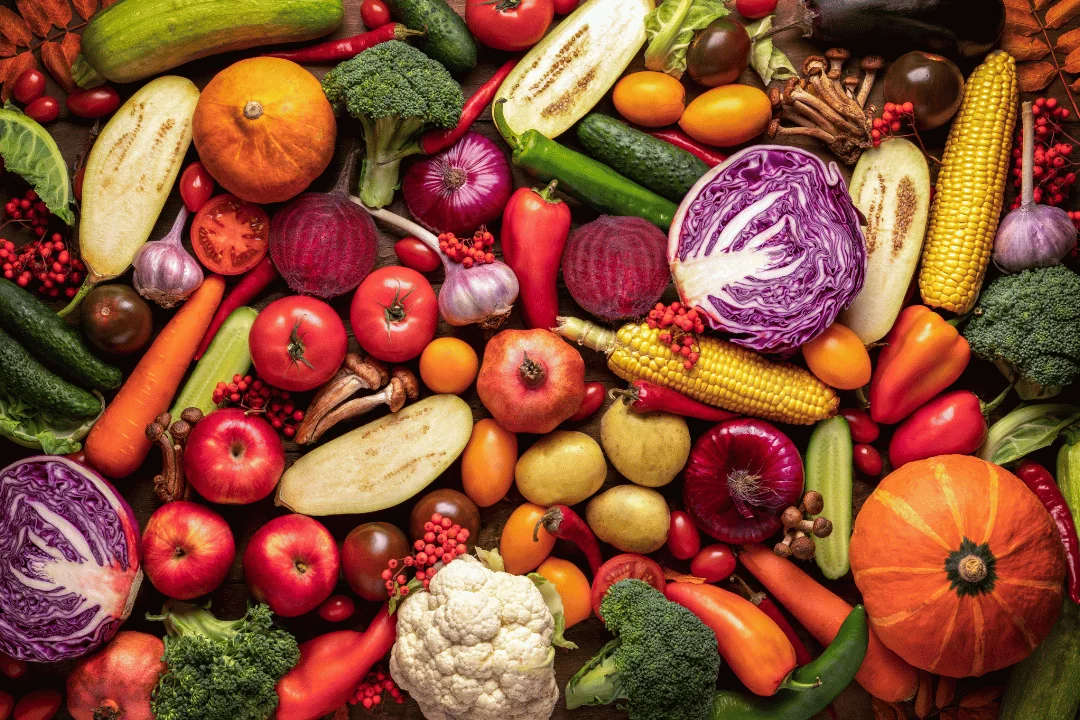
Autumn also marks the arrival of harvest season, when gardens and farms collect the crops that have been nurtured over the past several months. Grocery stores and retailers eagerly anticipate the abundance of produce, which is delivered by freight trucks traveling across the country to reach customers.
Of course, freight shipping harvested crops comes with its own difficulties. There are weather conditions, limited time, and the holidays to consider. However, shippers can account for these factors in their plans when preparing for the harvest season. Let’s explore how the autumn harvest shapes shipping strategies and what you can expect during this season.
What does Shipping Look Like During the Autumn Harvest?
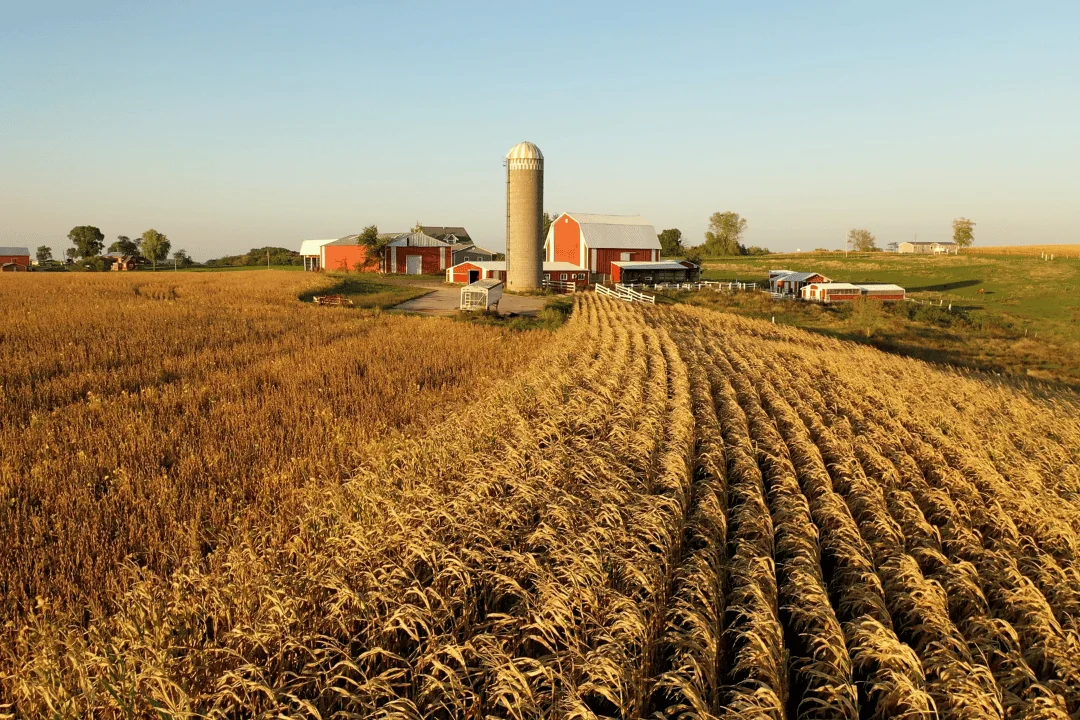
The U.S. harvest season impacts all regions that grow produce. However, the areas with the highest yields in the fall are the Northern and Midwest states, including Illinois, Indiana, Iowa, Kansas, Nebraska, Missouri, and Minnesota.
These regions cultivate a variety of crops, including soybeans, wheat, squash, corn, apples, and pumpkins, making them premier destinations for drivers who wish to take advantage of the harvest for their own use. In fact, farmers will hire drivers for the duration of the harvest to deliver crops directly to stores!
However, while getting crops to stores and customers is a must during the harvest, several factors affect planning and executing shipping during this season:
– The harvest season typically occurs from mid-September to late November. Due to the limited timeframe and truck capacity, shippers should book in advance; however, the unpredictability of produce growth means drivers may be uncertain about their bookings.
– The weather in the top harvest season areas (like the Midwest) is unpredictable; it can be warm and humid one moment, and frigid the next; not to mention late-season storms and tornadoes that could disrupt the harvest.
– Major holidays begin during this season, including Halloween and Thanksgiving. Crops like apples and pumpkins will be in high demand, making it even more challenging to find drivers who are not already busy with pre-holiday and harvest shipments.
– Crops have a limited shelf life before they start to spoil. To ensure safe transportation, dry vans and refrigerated trucks (reefers) are necessary. However, during the fall, demand for these vehicles is high, which may result in higher freight rates to secure one.
Shippers and carriers have faced economic challenges in recent autumns due to tariffs and inflation, which have raised produce prices astronomically. As a result, customers are more selective about their purchases, prioritizing freshness, quality, and shelf life. To succeed, shippers must ensure the timely delivery of their crops in good condition, making effective shipping via dry vans and reefers essential.
Key Strategies for Shipping During the Autumn Harvest
The harvest season presents numerous complications, making it challenging to ship produce during this time. However, shippers must not spiral into a panic; instead, they must develop shipping strategies that will make navigating the season much easier.
The most important strategy for shipping during the autumn harvest season is to plan ahead. Communicate with your carrier during the summer and throughout the autumn. Inquire about capacity, scheduling, and weather forecasts to aid in your preparations and to ensure timely updates. Early preparation can reduce the impact on your supply chain when issues arise.
Other shipping strategies you can employ during the harvest season include:
1. Be aware of weather conditions in the areas you’re shipping to and from. You can then anticipate changes and take action to ensure your freight is safe.
2. Notify your carrier about loads as early as possible. Additionally, be flexible with scheduling, as you may not receive your loads exactly when you want them.
3. Consider major holidays like Halloween and Thanksgiving when scheduling load deliveries, as delivering produce during these times will result in even tighter capacity.
Conclusion
As the autumn harvest season reaches its peak, freight shipping becomes a complex task that requires careful timing, capacity management, and preparation. Shippers face several challenges during this time, including limited truck availability, unpredictable weather, holiday surges, and the need to handle perishable goods with urgency. However, with thoughtful planning and adaptability, these obstacles can be effectively managed.
To keep freight moving during the busy harvest months, it is crucial to book shipping capacity in advance, monitor weather patterns, and remain flexible with schedules. By aligning shipping strategies with the seasonal rhythms, shippers can protect the integrity of their cargo while also strengthening supply chains against potential disruptions.
Ultimately, learning how the autumn harvest shapes shipping strategies not only highlights the complexities of logistics but also emphasizes the importance of resilience, foresight, and adaptability in ensuring that fresh produce moves efficiently from fields to tables.