
Select the Best Shipping Method
With so many different ways to ship freight, how do you select the best shipping method for your freight? Well, look no further. Here at FreightCenter, we’ve simplified the search for the right shipping method for your cargo.
To help you make a better, more informed decision, we’ve created a short synopsis of the types of methods available.
Truck Shipping
Less than Truckload (LTL)
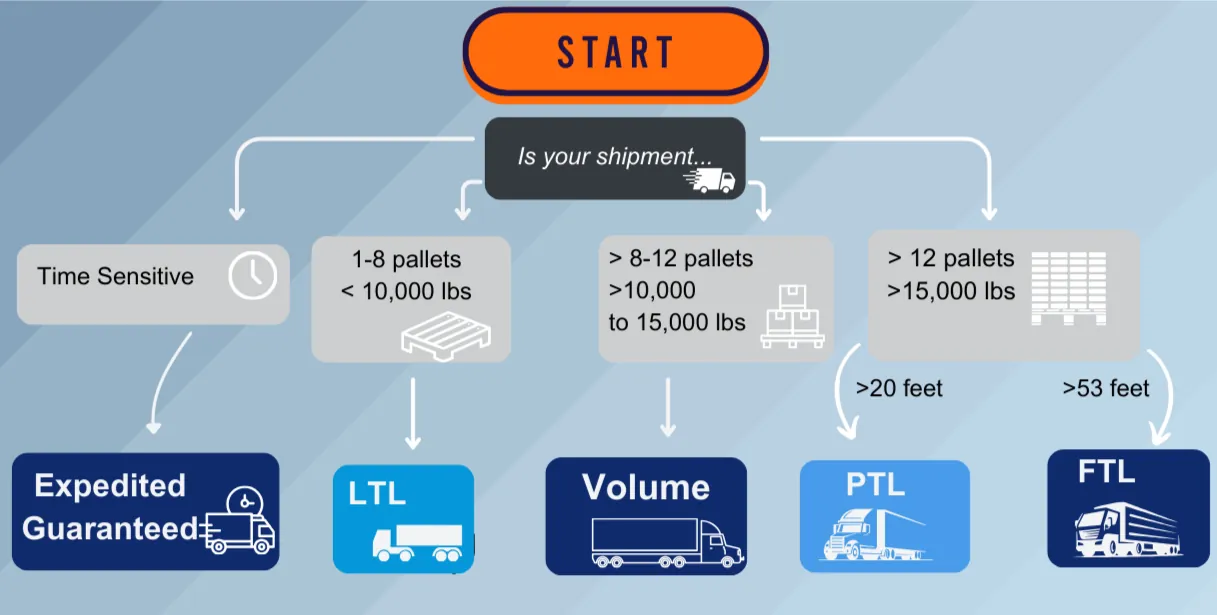
Less-than-Truckload (LTL) shipping is best suited for freight between 150 and 15,000 pounds, typically one to six pallets, where you share trailer space and costs with other shippers. It offers lower costs per pound for smaller loads, predictable year-round pricing, and a lower carbon footprint thanks to shared resources. LTL is ideal for budget-conscious, non-urgent, recurring shipments that can handle multiple transfers. However, because freight passes through multiple terminals, there’s an increased risk of damage, making proper packaging and accurate freight classification critical. Transit times are generally three to seven business days, with routing and scheduling determined by the carrier. Pricing is based on freight class, weight, distance, and any applicable surcharges such as liftgate or residential delivery fees.
Truckload (TL)
Is your cargo oversized or pretty heavy? TL shipping is ideal for getting your oversized or overweight cargo (5,000-10,000 lbs.) from point A to point B. Shipments that are unpackaged or require refrigeration, climate control, flatbeds, or other special accommodations are also ideal for TL.
Cargo stays in one trailer, so no need to deal with truck transfers or reloading of your shipment. That means a lower risk of damage and faster transit times.
Partial Truckload (PTL)
Partial Truckload is your best option when you have large cargo that is between the average LTL shipment and a full truckload. These shipments typically range from 6 to 18 pallets and weigh 8,000 lbs. or more. And the best part is, freight class isn’t required.
LTL vs Truckload Shipping: Complete Comparison Guide
When choosing between Less-than-Truckload (LTL) and Truckload (TL) shipping, the decision impacts your costs, delivery times, and cargo safety. This comprehensive comparison will help you determine which method best fits your shipping needs.
Less-than-Truckload (LTL) and Truckload (TL) Shipping
| Factor | LTL Shipping | Truckload Shipping |
|---|---|---|
| Shipment Weight | 150–15,000 lbs | 10,000–80,000 lbs |
| Pallet Count | 1–6 pallets | 6–26 pallets |
| Cost per Pound | Lower for small shipments | Higher upfront, lower per unit |
| Transit Time | 3–7 business days | 1–3 business days |
| Handling Risk | Multiple stops and transfers increase damage potential | Direct delivery with minimal handling |
| Best For | Small to medium shipments with flexible timelines | Large, time-sensitive, or specialized cargo |
| Routing Control | Limited—carrier determines route and timing | Greater control over route and schedule |
| Equipment Options | Standard dry van; limited specialized equipment | Wide variety, including flatbeds, refrigerated, and specialized trailers |
| Pricing Method | Based on freight class, weight, distance, and surcharges | Lane-based pricing, trailer type, and market demand |
| Minimum Load Requirement | No minimum—ship as little as one pallet | Pay for the entire truck regardless of space used |
| Environmental Impact | Lower carbon footprint per shipment due to shared resources | Can be optimized for fuel efficiency but higher per-shipment footprint |
| Risk Mitigation | Requires strong packaging and accurate freight class | Lower handling risk but dependent on driver and equipment quality |
| Seasonal Impact | More stable year-round with predictable rates | Subject to capacity crunches and seasonal price spikes |
| Ideal Use Cases | Budget-focused, non-urgent, recurring shipments | Urgent, high-value, fragile, oversized, or remote shipments |
Which Should You Choose?
Choosing between LTL, TL, and PTL comes down to shipment size, budget, timing, and handling needs:
-
Choose LTL if your shipment is under 15,000 pounds, you want the lowest cost per pound for small loads, and you can allow three to seven business days for delivery. This is best for regular, non-urgent shipments that are packaged for multiple handling points.
-
Choose TL if your freight is over 15,000 pounds, fills most or all of a trailer, or requires special equipment like flatbeds or refrigeration. TL is also the right choice when speed, minimal handling, and complete control over scheduling are priorities.
-
Choose PTL if your shipment falls between LTL and TL—typically 8,000 pounds or more, 6–18 pallets, and doesn’t require a full truckload. PTL offers fewer transfers than LTL and more cost efficiency than TL.
Quick tip: Many businesses use a hybrid approach—LTL for recurring small shipments, PTL for mid-sized loads, and TL for urgent, high-value, or specialized freight. Matching the shipping method to the job ensures the right balance of cost, speed, and cargo protection.
Many businesses use both methods strategically. LTL is often used for ongoing replenishment, while truckload is reserved for large launches or peak season surges. Truckload may also serve remote destinations, with LTL handling major metropolitan deliveries.
Optimization Tips
For LTL, consolidating orders, using accurate freight classes, and picking up from terminals instead of scheduling residential deliveries can save money. Building relationships with carriers may also lead to better rates.
For truckload, maximizing trailer space, being flexible with pickup and delivery windows, and seeking backhaul opportunities can reduce costs. Choosing the right trailer type ensures safe, efficient transport.
Industry Trends
Technology is making both modes more efficient, with real-time tracking, AI-powered load matching, and digital freight platforms streamlining operations. Capacity remains a challenge due to driver shortages and seasonal demand spikes. Sustainability is also driving decisions—LTL often has a lower carbon footprint per shipment, while truckload operators are optimizing routes to cut emissions.
Intermodal Rail Freight
Intermodal Rail Freight
Intermodal shipping combines rail and trucks—trains handle long distances while trucks cover pickup and delivery. This overlooked freight method offers significant advantages:
Cost Efficiency: Rail delivers lower per-mile costs for shipments over 500 miles compared to trucking alone.
Sustainability: Trains move freight 470+ miles per gallon of fuel, dramatically reducing emissions versus trucks.
Reliability: Excellent for heavy loads and bulk shipments with stable scheduling, even during peak trucking demand.
Flexibility: Combines rail’s long-haul efficiency with trucks’ last-mile reach for optimal delivery solutions.
Infrastructure Benefits: Reduces highway congestion by shifting freight from roads to rails for most of the journey.
Air Freight
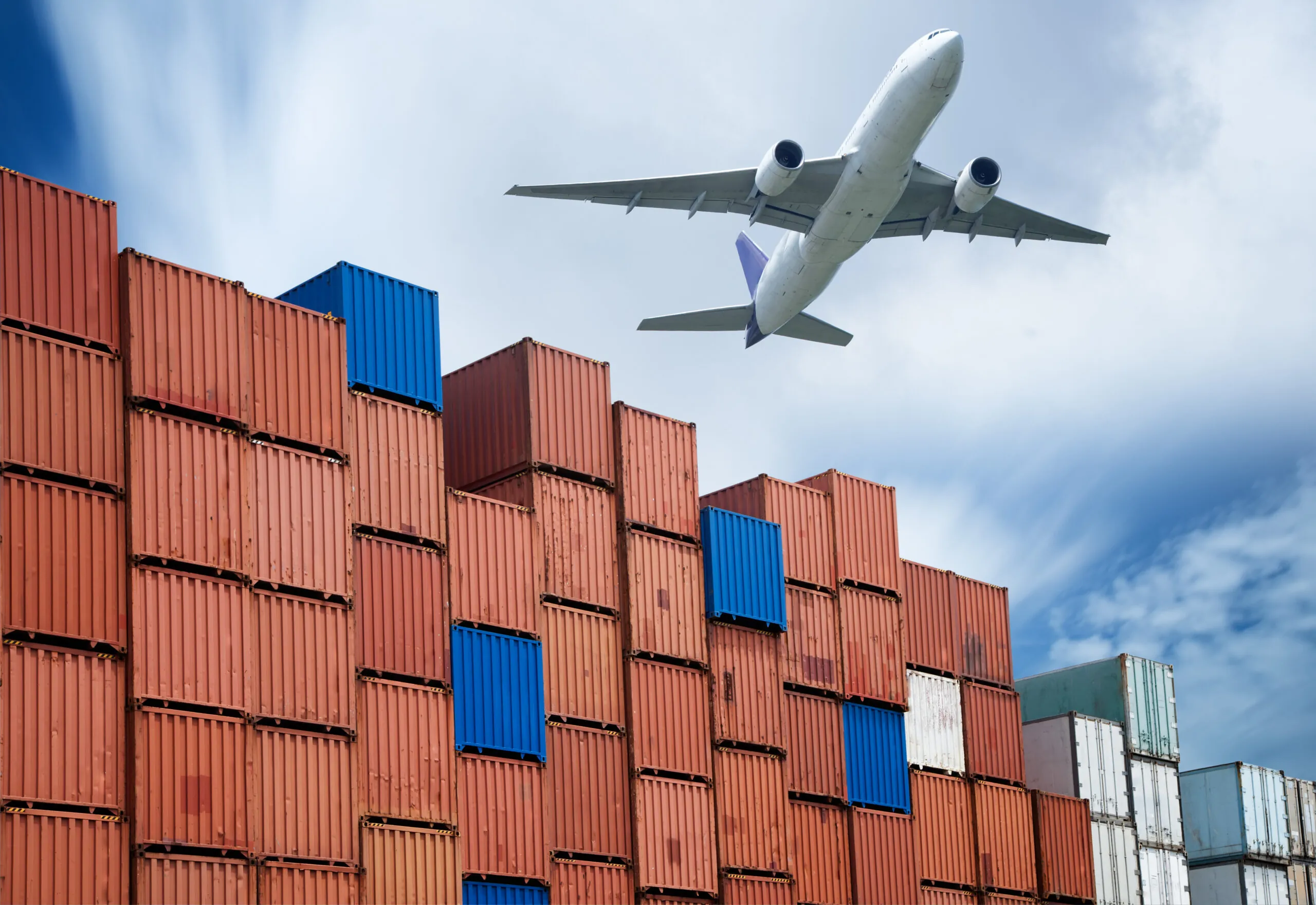
Is your shipment time-sensitive? Then, air freight may be the right option for you. This is the most effective way to transport time-sensitive freight intercontinentally, as air freight offers the fastest transit times. With modern technology, it’s easier to track your cargo through highly reliable air freight carriers during transit.
Why Choose Air Freight?
Businesses turn to air freight when speed and reliability are top priorities. Here’s why it stands out:
1. Fastest Transit Times
Air freight can move cargo between continents in hours, not days, making it the top choice for urgent shipments.
2. Global Reach
With access to airports worldwide, air freight connects even the most distant markets quickly and efficiently.
3. Real-Time Tracking
Advanced tracking systems let you follow your shipment from departure to delivery, improving visibility and planning.
4. Lower Risk of Damage
Fewer handoffs and minimal handling reduce the chance of cargo being damaged in transit.
5. Ideal for High-Value or Perishable Goods
From electronics to pharmaceuticals, air freight offers the security and speed that sensitive cargo demands.
International Shipping
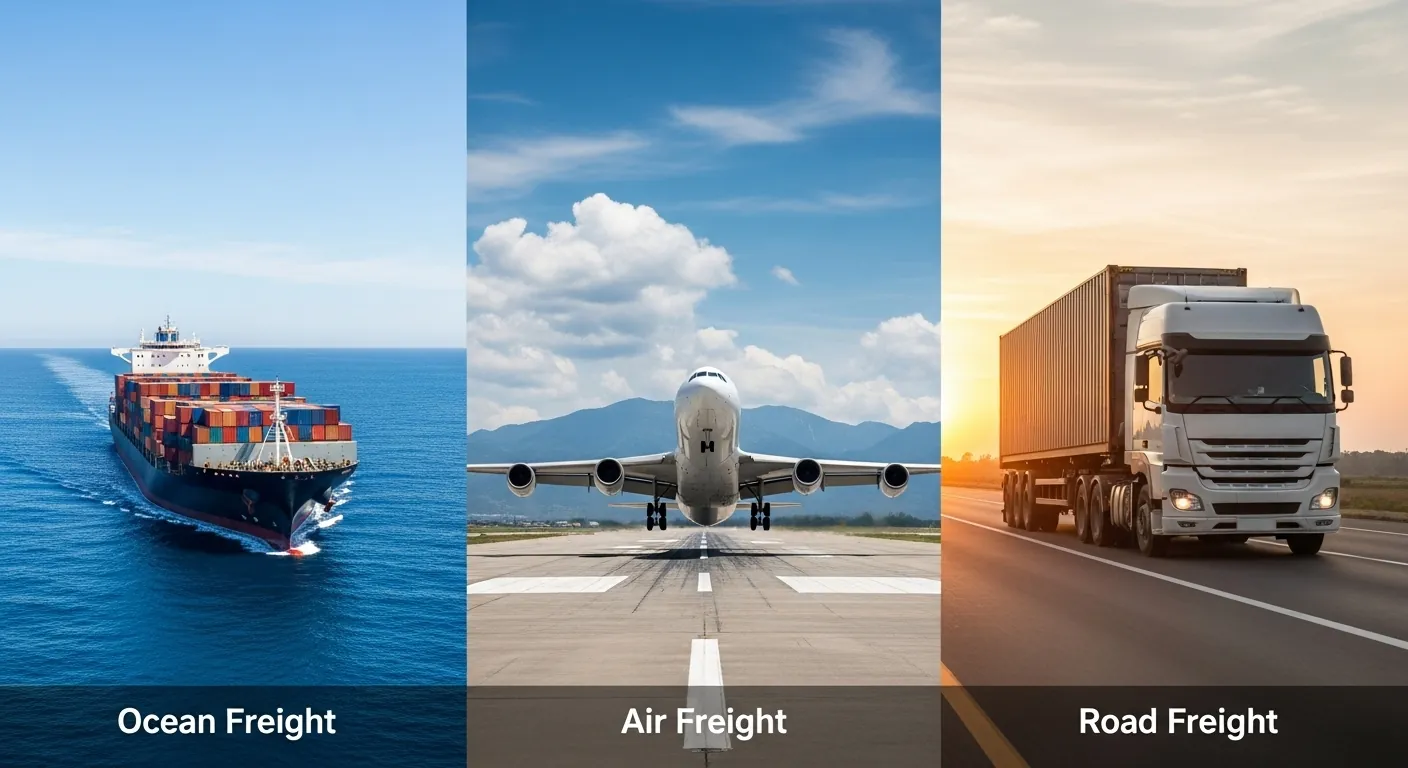
The world is a prominent place, and if you need to move cargo across international borders, well, this is it. There are a few ways to handle your international freight: Ocean or Air.
Ocean Freight
The most efficient way to ship internationally is to have your goods transported in a cargo container by an ocean freight liner. These are giant boats built to accommodate many containers. It doesn’t matter if you’re shipping an entire container to Italy or just a small portion of one to the United States.
Non-conforming loads are not a problem with ocean shipping. International ocean freight services are all-encompassing and cost-effective for any shipper. When looking to ship internationally with a relaxed shipping schedule, ocean freight is a great option.
Air Freight (International)
Just as air freight is the fastest intercontinental shipping mode, it is also the fastest international shipping mode. If your shipment is dense, meaning it has a small footprint that takes up minimum space but weighs more than 150 pounds, then air freight may be the best mode of transportation.
Air freight’s transit times are unmatched, offering expedited, overnight, and specialty shipping options and accommodations.
Additional Freight Services
If your supply chain needs an extra boost, there are additional freight services available to optimize your shipping process.
Expedited Freight
Expedited freight shipping is for urgent shipments that must arrive by a specific date and time. Since expedited freight involves handling urgent or time-sensitive loads, there are usually no accessorials associated with this type of shipping.
Predominantly used by supply chains to meet the needs of customers, expedited freight moves as a priority above all other shipments. Trucks shipping expedited freight rarely stop along the way.
Air-Ride
If your shipment is delicate or has a high risk of damage, a dedicated truck with air-ride suspension is the preferred method of transportation, as it provides a softer ride than a standard freight truck.
It’s also versatile on different types of terrain and helps with the overall well-being of the truck itself. Improved fuel economy and reduced wear and tear on the trailer make air-ride suspension a valuable asset to trucking companies.
Guaranteed Delivery Freight Services
When it comes to any shipment, you want to ensure you select the best shipping method. This helps keep costs low while ensuring your freight arrives at its destination with zero harm. If your cargo requires a specific date and time for delivery, then guaranteed delivery is your best option.
Your supply chain becomes stronger with this service, as it offers the flexibility to meet customers’ demands, especially during busy shipping seasons.
We hope this helps explain which shipping method would work best for you. FreightCenter is always here to help answer any shipping-related questions. Contact us today at 800.716.7608, or get started with your free online quote now.