
One Year Later: Hurricane Milton and the Relief Effort
Where were you a year ago? Many Floridians can clearly remember.
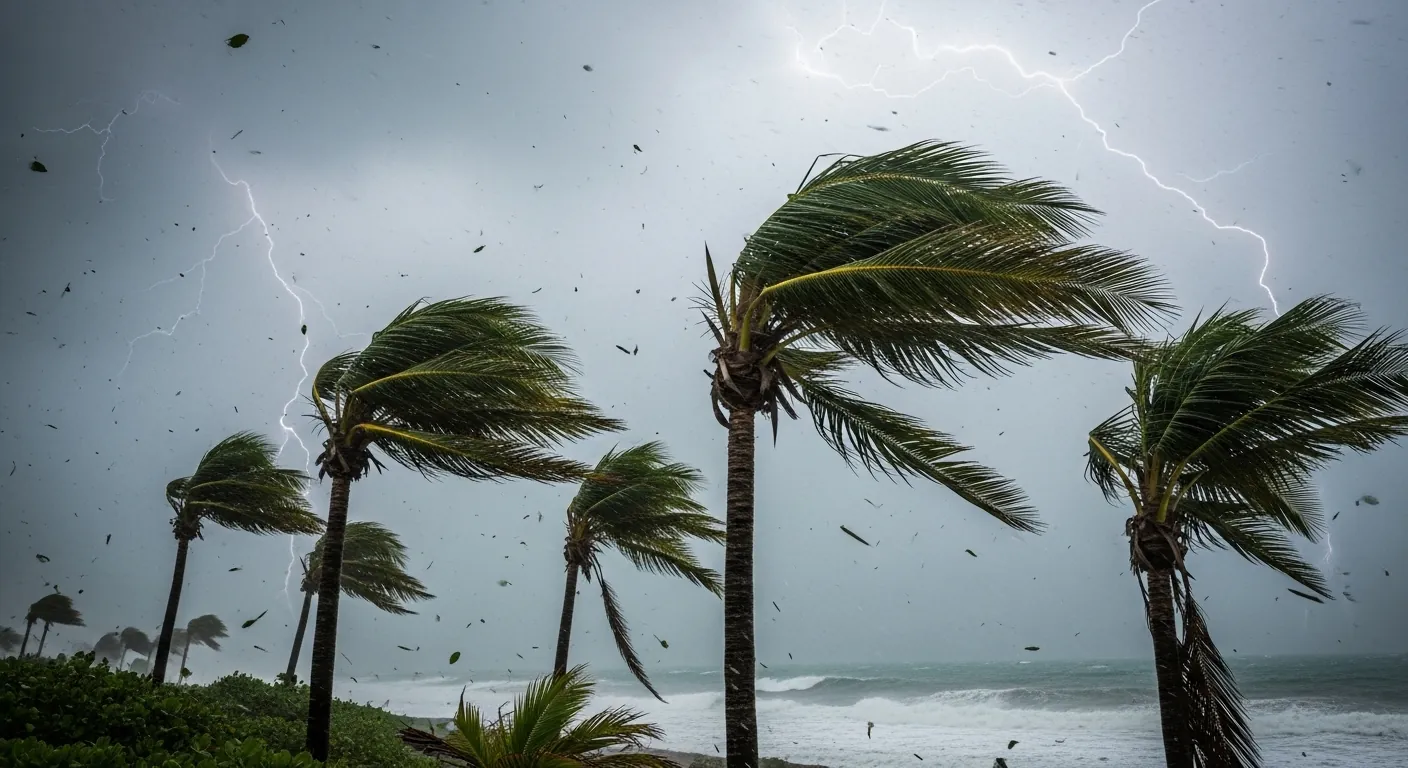
On October 9, 2024, the state of Florida was preparing for Hurricane Milton, the most intense Atlantic hurricane ever recorded over the Gulf of Mexico, to make landfall on the west coast. The category 5-turned-3 hurricane made landfall near Siesta Key on that same evening, leaving a path of destruction that took months to recover from – with some people still dealing with its repercussions today.
6 million Floridians were ordered to evacuate – the largest evacuation in the state’s history – and over 6,000 emergency responders, government agencies, and volunteers came together in a massive coordinated relief effort. The state faced massive logistical challenges during the recovery and relief efforts due to flooding, unpassable roads, and the scarcity of gas.
A year later, the impact of Hurricane Milton continues to shape not only how Florida prepares for and responds to natural disasters, but also highlights the resiliency of the logistics industry and Florida residents.
The Aftermath & Logistical Challenges
One of the lasting images of Hurricane Milton is the fabric roof of Tropicana Field ripped to shreds in St. Petersburg, FL; a stark reminder and symbol of the enormity of the category 3 storm.
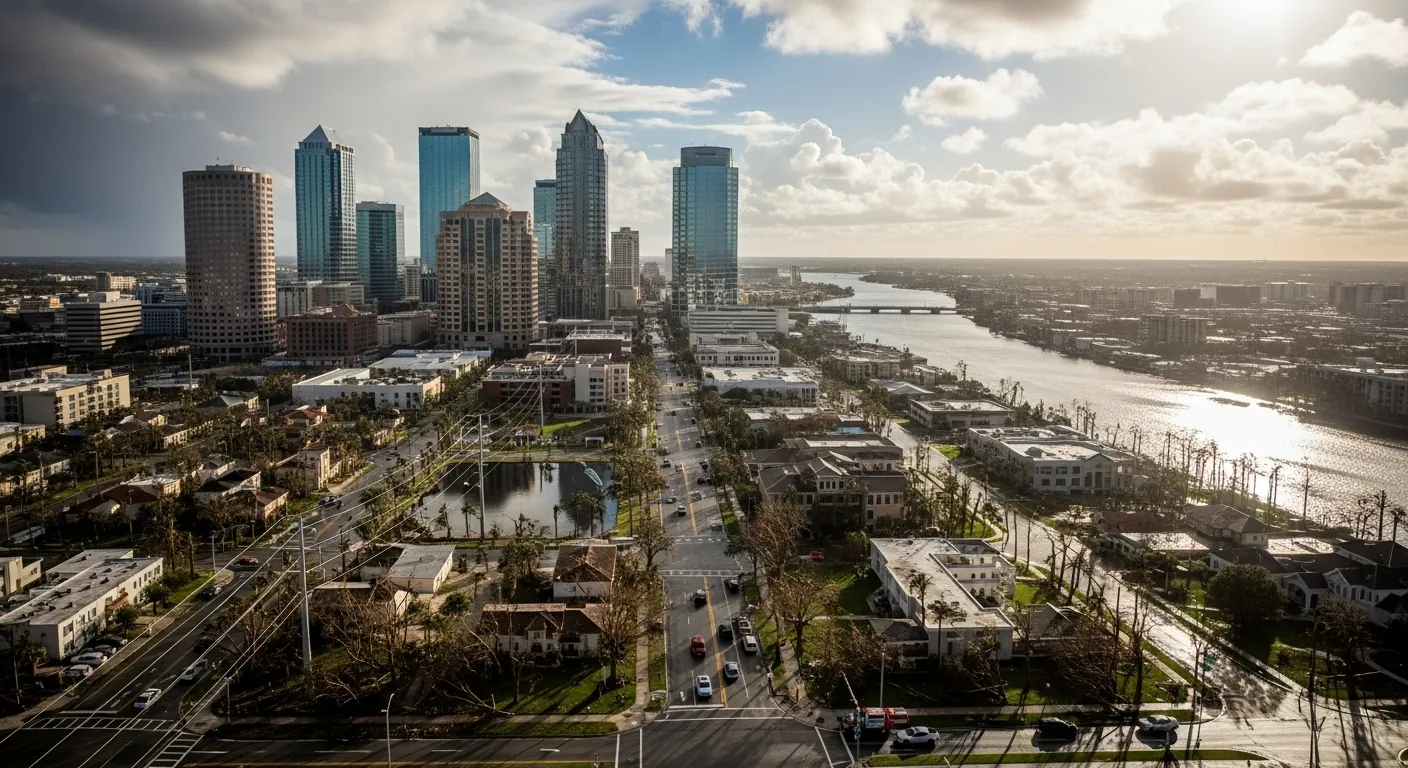
However, Tropicana Field is just one example. In its wake, Milton left behind a significant range of damage that upended communities up and down the state – structural damage from high winds and tornado outbreaks, widespread flooding and debris, extensive outages that left 3 million without power, and even 15 reported direct fatalities.
During natural disasters such as Hurricane Milton, we often think of how it will upend everyday tasks but on the flipside, these storms also upend the supply chain and create major logistical challenges. Warehouses and distribution centers were damaged during the storm, caused loss of supplies, which in turn created bottlenecks in the supply chain. The closure of the Port of Tampa Bay and damaged roads hindered the delivery of supplies, significantly impacting the delivery of fuel and its supply level.
What the residents and state of Florida were left to contend with afterward required a huge relief effort, and one that would soon be underway.
The Relief Effort
Coordinating across federal, state, and nongovernmental agencies was a key challenge during the relief effort, especially considering the major disruptions to transportation infrastructure.
The National Guard was deployed, with thousands of members sent in to assist with search and rescue operations and clear debris to open routes for aid to reach communities. The Florida State Guard conducted over 300 rescues and also provided heavy equipment for debris removal. These federal and state agencies played a pivotal role in allowing essential supplies like food, water, and medication to reach those in need.
The Federal Emergency Management Agency (FEMA) provided extensive pre- and post-storm suport for Hurricane Milton. The agency had a few days before the storm made landfall to pre-stage millions of meals, liters of water, generators, and tarps for immediate distribution afterward.
Once Milton passed, FEMA deployed search-and-rescue teams, provided Traditional Sheltering Assistance (TSA) for those displaced, approved emergency declarations for life-saving aid, and provided funding for debris removal and infrastructure projects.
Duke Energy, one of the largest U.S. energy holding companies, mobilized nearly 25,000 workers to bring back power to the thousands of homes left in the dark. Most homes had their power restored 72 hours after Milton’s initial landfall. This operation was a huge step in the recovery and relief effort, helping those affected have some semblance of normalcy by returning function electricity, which would alleviate some challenges to relief efforts going forward. Within 7 days, almost all affected customers had their power restored.
Nongovernmental agencies such as the Red Cross and World Vision delivered truckloads of essentials like water, food, generators, personal care items, diapers, and formula. Even out-of-state businesses and organization shipped in essential supplies to lend a helping hand.
Even the Port of Tampa Bay worked diligently to keep the flow of supplies, most importantly fuel, moving. The Port of Tampa Bay is Florida’s largest port and supplies 7 billion gallons of fuel each year – nearly half of Florida’s daily fuel needs. The port suffered infrastructure damage (though minimal), flooding, and power outages; however, that didn’t stop their resiliency.
Three days after the hurricane, the port reoponed shipping channels with limitations, like one-way transit during daylight hours. By October 11, fuel distribution began, with tankers delivering fuel to gas stations in need. The Port of Tampa Bay resumed normal operations in mid-October.
One Year Later
It’s been one year since Hurricane Milton hit the coast – changing neighborhoods, changing communities, and changing lives. According to the White House, Hurricane Milton caused $50 billion in estimated damage.
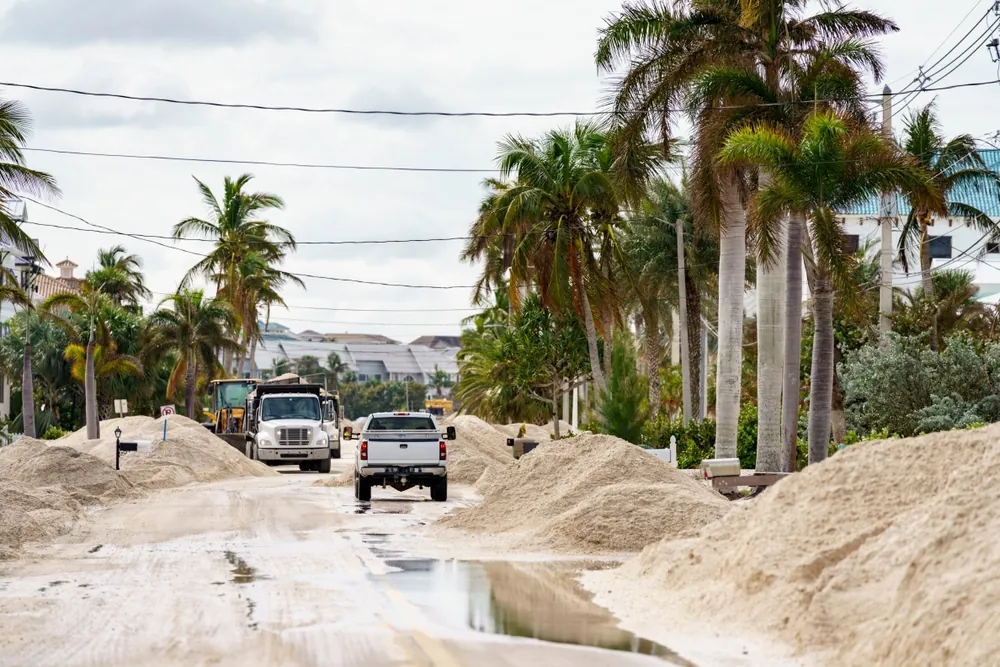
For months on end, piles of people’s destroyed belongings and debris lay sporadically on the sides of streets, awaiting clean up. As residents drove by, it was a simple, but distinct reminder of the lasting effects that Milton left behind in just a matter of hours.
Even today, people are still recovering and rebuilding their homes and lives. Many federal and nongovernmental organizations such as Red Cross, FEMA, Habitat for Humanity, All Hands & Hearts, and the Duke Energy Foundation, have donated hundreds of thousands of dollars to aid and support long-term recovery. This includes anything from home repair and debris removal to mental health services.
Both St. Petersburg and Tampa are continuing to recover their communities. The city of St. Petersburg is providing access to financial assistance programs like FEMA Disaster Relief Grants and Small Business Adminstration (SBA) Loans to help families and businesses get back on their feet. Meanwhile, the city of Tampa is investing in improving their stormwater systems for future hurricanes or flooding.
While the relief effort is still ongoing in different ways than this time last year, the people and organizations that stepped up in the aftermath of Milton remain a vital part of the recovery.
To the port workers who worked tirelessly to open the waterways to keep the supply chain moving, to the volunteers who cleared the roadways for the truck drivers to deliver essential supplies to those in need, and most importantly to the neighbords who stood by each other to rebuild what remained – it won’t be forgotten. For many Floridians, it’s been a long and difficult journey, but one of resilience and strength one year later.