
Whether you are aware of it or not, automation is an integral part of our everyday lives. From how we pay our bills to the accessories attached to our cars, many things use automated systems.
The freight industry is embarking on a new wave of automation, revolutionizing logistics and supply chain management. Many companies have begun to explore mechanization in warehouses, including the use of self-driving trucks and automated software, to enhance operational efficiency.
Although automation is just beginning to take hold in the freight industry, it is predicted that by 2026, 75% of warehouses will be using robotics to conduct their operations. The heavy reliance on technology could significantly impact the industry, especially people working in it, though experts’ opinions on exactly how are split. Some believe that automation will lead to efficient and adaptable jobs, while others predict it will eventually result in more significant errors and widespread job loss.

Current Automation Technologies
Promising automated technologies are already being implemented in the industry. The first one is blockchain technology, which records immutable transactions from the moment an order is placed to the time of delivery. These blockchains utilize smart contracts, which automatically execute actions such as payments, delivery confirmations, and customs clearance. This automation technology helps streamline operations, allowing companies to shift their focus to more complex projects.
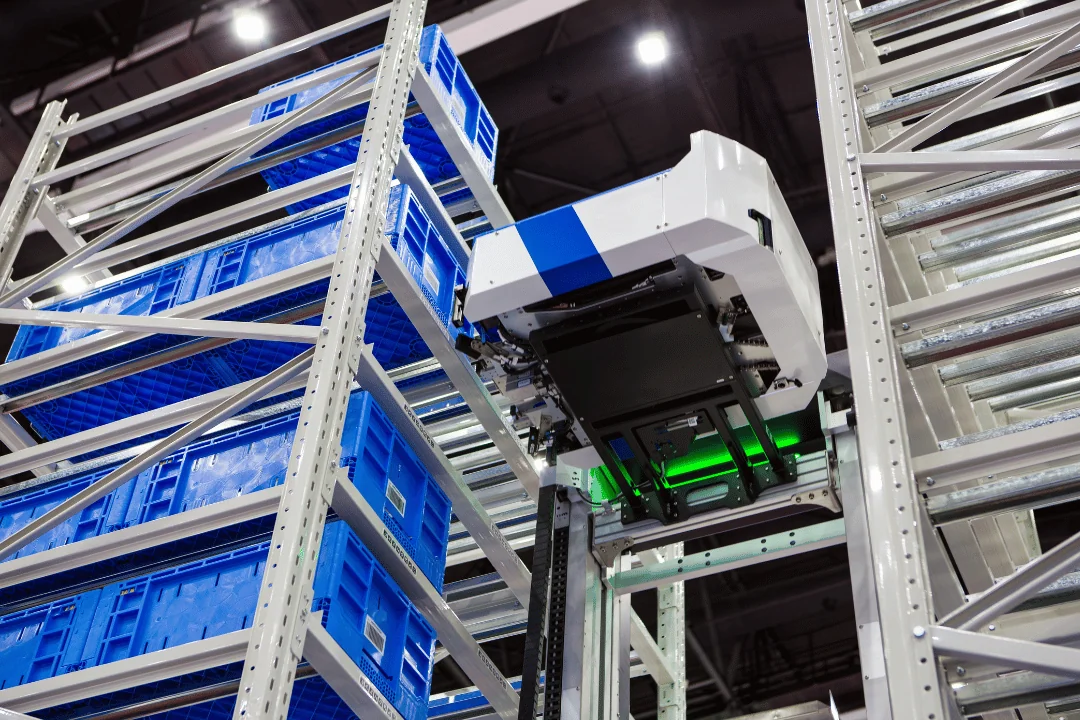
Amazon has also started using warehouse robots. These robots transport goods, manage inventory, and sort and pack items in the warehouse. More companies are investing in robotics to replace human labor, optimize production, and quicken the delivery process.
Finally, e-commerce giants like UPS and Amazon are also experimenting with drone delivery and autonomous trucking. Amazon’s Prime Air aims to deliver 500 million packages annually by drone by the end of the decade. Autonomous trucks are also being experimented with. Since 2019, UPS has partnered with companies like Waymo to test out self-driving trucks, which could help carriers avoid driver compliance laws that slow down the delivery process.
Advantages
Implementing automation in the freight world has some potential advantages. First of all, automated machines and systems would reduce reliance on human labor, lowering costs and increasing cost efficiency. Companies that invest in this technology may also gain a competitive advantage. This increased competitiveness and cost savings could lead companies to want to grow and expand into new markets, thereby creating new job opportunities.
In the existing market, increased dependency on machines would lead to less stress on the workers. The freight industry often operates with extended hours and strenuous deadlines, both on the road and in the warehouse. More reliance on automation can lead to fewer overtime hours and more predictable work schedules. Depending on their role, employees could eventually choose to work part-time or even freelance.
Some experts predict that automation will lead to robots and humans working alongside one another rather than replacing workers completely. Robots are typically used for repetitive and simple tasks and lack the awareness that humans possess. This collaboration between humans and machinery would allow people to keep their jobs while efficiently streamlining operations.
Disadvantages
On the flip side, automation could have negative implications for the freight industry. First and foremost, it could lead to significant job loss as robots take over jobs in warehouses and on the road with autonomous driving. Not only is complete job loss or underemployment a concern, but income inequality is also a concern. Jobs created by automation, such as software development and maintenance of robotic systems, require specialized skills. Thus, those individuals will receive higher compensation. However, lower-skilled jobs may experience a decrease in demand, resulting in lower wages.
Another concern is that sometimes, technology can fail, which could lead to major errors in systems without proper human oversight. Although automation can lead to increased efficiency, it can also result in skill gaps, stagnant wages, and heightened job insecurity for workers. According to DataUSA, as of 2022, 7.34 million people work in transportation and warehousing. High unemployment rates in the industry could lead to more significant economic issues.
What Workers Can Do To Prepare
Whether or not automation in the freight industry positively impacts current workers, those individuals need to prepare for the upcoming advancements. There are a few things workers can start doing now.
First, workers should be willing to adapt to new technology and be eager to take on new and exciting roles within their jobs. While some jobs may be replaced entirely, some employees may be relocated to a different role in the company or simply tasked with working alongside automated machinery.
That said, reskilling and upskilling are crucial to adapting. Once automation takes over, new skills will be in demand, such as data analysis, programming and software development, maintenance and repair, and robotics engineering. Investing in training and higher education to develop these skills will help prepare for the new landscape.
Lastly, networking proves to be important. Staying connected with other workers to keep informed about the latest developments or job opportunities in the freight industry is another critical step in helping to prepare and adapt.
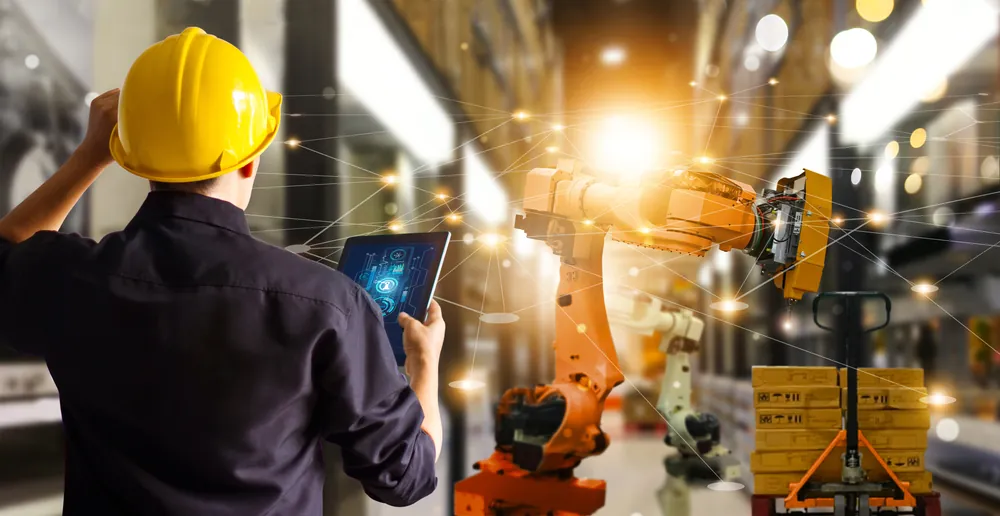
Although it’s hard to predict precisely how automation will impact the industry’s job market, there’s no denying that it is on the rise and ready to transform the transportation and logistics world in one way or another.