
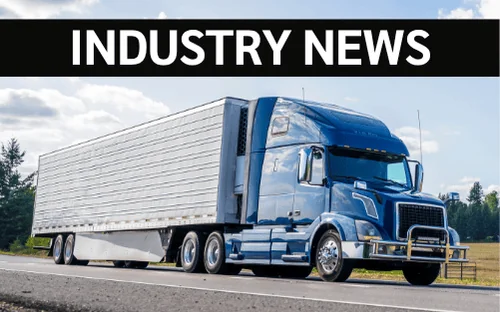

FedEx Freight Begins Enforcing NMFC Updates
FedEx Freight began enforcing the National Motor Freight Classification (NMFC) changes on Dec. 1 after delaying implementation by 150 days. The revisions, introduced in July by the National Motor Freight Traffic Association, represent the most significant overhaul in LTL pricing in decades, shifting classifications from a commodity-based system to one centered on shipment density. The previous 11-class structure has been replaced by a new 13-level scale affecting more than 2,000 freight items. FedEx Freight cautioned that shippers providing incomplete or inaccurate bills of lading may now face inspection surcharges.
Industry leaders say adoption has been smoother than expected but remains a work in progress. At the 2025 FTR Transportation Conference, executives acknowledged that many shippers are still getting up to speed, especially those accustomed to shipping under a single class. Some described the update as “LTL’s Y2K moment”—highly anticipated but less disruptive than feared. In the long run, experts believe the changes may accelerate the industry’s move toward full dimension-based pricing, potentially reshaping how LTL shipping is priced for years to come.
Click here for the full article.
As freight classification rules continue to shift toward density-based pricing, accuracy matters more than ever. FreightCenter helps shippers navigate these NMFC changes with expert support, carrier pricing transparency, and tools that reduce costly reclassifications and surprises on invoices.
When the rules change, FreightCenter helps you ship smarter—not harder.

Broker association to aggregate truckload theft, fraud information for FBI
TIA has established a partnership with the FBI and launched a new hotline that allows freight brokers and intermediaries to report suspected cargo theft and fraud directly through the association. The hotline will collect detailed information on incidents and forward that data to the FBI, helping investigators build cases against organized criminal groups. TIA leadership emphasized that incidents of any size should be reported, as the FBI is focused on tracking patterns and large criminal networks rather than individual loss amounts.
The move comes amid growing concern across the transportation industry about escalating fraud and cargo theft, much of which is believed to originate outside the U.S. Marketplaces, vetting platforms, and risk management tools have all increased efforts to fight fraud, while some shippers have reportedly reduced broker usage due to security concerns. TIA leadership described cargo crime as a serious industry threat, warning that unchecked fraud could continue to undermine trust between brokers, carriers, and customers if not addressed collectively.
Click here for the full article.

First shots fired at Supreme Court in broker liability case
The Supreme Court will review Montgomery vs. Caribe, a case that could reshape broker liability standards nationwide. The lawsuit arises from a 2017 incident in which Shawn Montgomery was seriously injured after being struck by a truck operated by Caribe Transport, which had been hired through broker C.H. Robinson. Lower courts removed C.H. Robinson from the case based on federal law, ruling that the Federal Aviation Administration Authorization Act shielded the broker from liability. Montgomery’s attorneys have now appealed to the Supreme Court, arguing that brokers should not be exempt from negligence claims when they hire unsafe carriers.
At the heart of the case is a dispute over the wording of the law’s safety exception, which preserves state authority “with respect to motor vehicles.” Montgomery’s legal team argues that broker services are inseparable from motor vehicle operations because brokers arrange trucking services and should therefore fall under safety regulation when negligent hiring leads to injury. The case also highlights conflicting rulings among federal appeals courts, with the Seventh Circuit favoring brokers and the Sixth Circuit allowing claims against them. The Supreme Court’s decision could finally resolve this split and establish national precedent for how much responsibility brokers bear for carrier safety.
Click here for the full article.

Detmar Logistics to Start Autonomous Ops With Aurora in ’26
Detmar Logistics announced it will begin transporting frac sand using autonomous trucks powered by Aurora Innovation in early 2026, serving routes across Texas and New Mexico’s Permian Basin. The trucks will initially operate with a human in the cab, with full driverless deployment scheduled for mid-2026 after regulatory and manufacturer approval. The move is expected to improve efficiency for Detmar’s proppant deliveries, which are essential for hydraulic fracturing operations that rely on constant, high-volume material flow.
Aurora views the Detmar partnership as a key step in expanding its autonomous freight network beyond terminal operations into direct customer routes on public highways. The company is developing long-haul corridors across Texas and into Arizona, with future expansion plans including Dallas-to-Laredo and Dallas-to-Atlanta lanes. Aurora says autonomous freight will give carriers a competitive edge through extended driving ranges beyond hours-of-service limits, while Detmar expects the technology to strengthen safety and reliability for energy-sector customers.
Click here for the full article.

Texas DOT Studies New Interstate From Gulf Coast to Panhandle
Texas could one day see a major new interstate stretching from the Gulf Coast to the Panhandle, following the existing U.S. Highway 287 corridor from Port Arthur to Amarillo. A feasibility study from the Texas Department of Transportation recommends converting the 671-mile highway into a federal interstate, citing faster travel, improved safety, and better freight efficiency. The report estimates travel times for long-distance drivers could be reduced by up to 44 minutes per trip, while also improving consistency for commercial carriers moving goods across the state.
The proposed upgrade carries an estimated statewide price tag of $24 billion, but economic projections suggest it could create up to 47,000 jobs and boost regional GDP by more than $11 billion by 2050. While the idea is gaining traction, TxDOT emphasized that no funding has yet been secured and that congressional approval, environmental review, and additional public engagement would be required before any construction could move forward. For now, the plan remains in the early planning phase, but officials say it provides a clear framework for reshaping long-distance travel and freight movement across Texas.
Click here for the full article.
FreightCenter: Your Source for Expert Freight News and Information
Thank you for reading the December Industry News! FreightCenter is proud to be your number one expert source for all things freight-related. Our expertise also comes in handy when booking your shipment. We’ll assist you in making freight decisions, drawing on our knowledge of the logistics industry. From selecting a carrier to choosing accessorials and additional services, we’ll help you find the right solutions for your business needs.
If you would like to learn more about FreightCenter’s comprehensive 3PL services, call us at (800) 716-7608 or use our free online quote tool to get started today!