Stolen Tequila and Thieving Criminals: How New ATRI Research Shows Freight Theft Hitting trucking and logistics firms hard with losses of $18M daily!
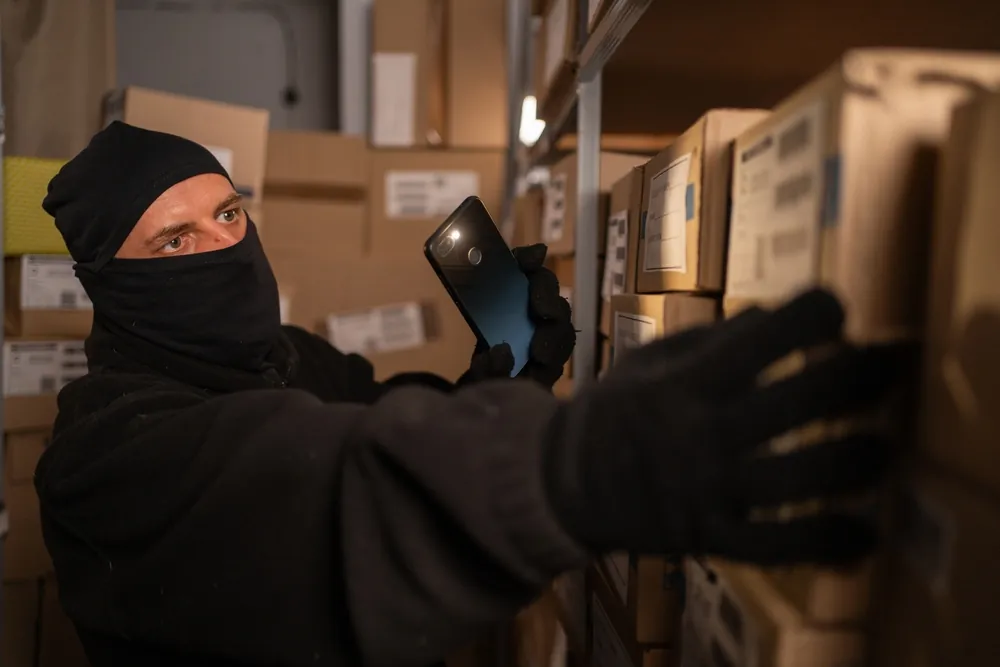
Cargo is more often targeted at major freight and logistics hubs in large cities where there are large quantities of product and strained security. These thefts often occur in states like California, Texas, Illinois, and Tennessee, where major urban areas often have the highest rates of stolen trailers and trailer pilferage. Many of these thefts are possible due to the advancements in freight technologies. While these technologies have helped expand the process’s visibility and automation, this has also opened the door for bad actors to exploit the system and take advantage of these situations.
Another source for freight theft comes from improper brokerage practices. Take for example the recent story of Guy Fieri having 24,000 bottles of tequila stolen from his company. Santo Tequila planned to release a new line of tequila to the market and hired a logistics company to handle the shipment. That company hired a trucking company to have it done, but instead of that trucking company hauling the product themselves, they hired two more entirely different trucking companies that turned out to be fraudulent. Those fraudulent companies hire real drivers to do their deliveries, with the drivers not knowing that they are part of a fraudulent scheme. And while Santo gets spoofed GPS information showing that their product is going to their approved destination, it actually goes to the scammers’ alternative destination, showing how they manipulate the system to vanish over a million dollars’ worth of product.
The ATRI suggests ensuring protection and monitoring at all stages of freight transport. These thefts can occur at different points depending on the types of carriers and providers chosen. For motor carriers, 24% of thefts occur at their terminals, whereas 51% of thefts by logistic service providers occur at customer pickup locations. Knowing this information, preparing for thefts, monitoring situations and areas, and utilizing anti-cargo theft tools can all help in mitigating these incidents from occurring.
You can read more about these findings here, as well as hear how Fieri’s story continues here.
Funding Recisions From The One Big Beautiful Bill Act Hasn’t Harmed Ports So Far
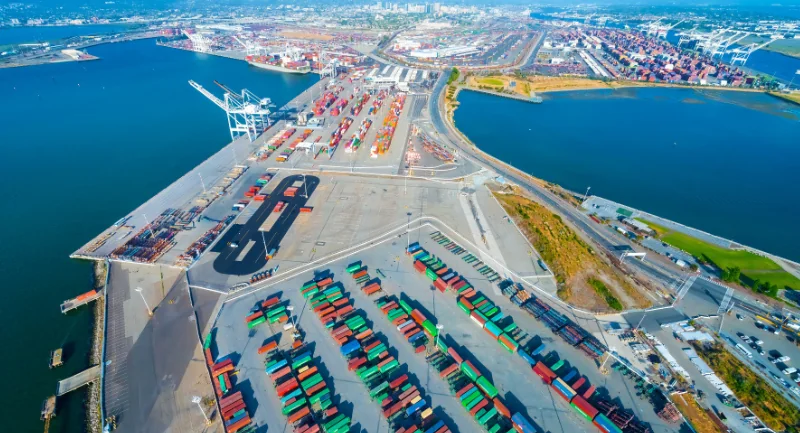
For now, these cuts aren’t affecting most ports, as many of them have grant agreements already in place or alternative means of funding these projects, as well as DERA funding. For paused grants, it’s more uncertain if those will continue. Some ports voice their disappointment in these recisions but assure that even with these potential road bumps ahead, they plan to divert their funding in different directions if need be.
You can read more regarding these rescisions here.
Tariffs On Medium and Heavy-Duty Trucks are Expected For This Coming November 1st
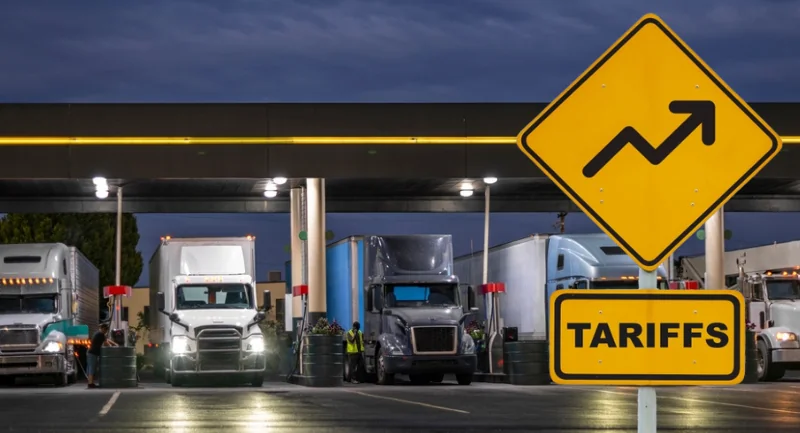
The tariffs were initially supposed to start on October 1st; however, the date has now been pushed back to November 1st for heavy trucks, though there is currently no documentation for it or for pharmaceuticals regarding tariffs. Tariffs on furniture, as well as timber and lumber, will begin on October 14th.
Some in the freight industry speculate what this could mean for business. Most class 8 trucks that are bought by the U.S. come from Mexico and Canada. With the United States-Mexico-Canada Agreement (USMCA), some believe that those trucks would be protected and not tariffed. Though others point out that in the Section 232 probes, Mexico and Canada production was looked at, suggesting that they may be affected by the tariff. For now, uncertainty still hangs over as we wait to see what happens.
You can read more regarding the tariffs here, here, and here.
Port of Mobile’s Harbor Modernization Efforts Have Hit It’s 50-Foot Depth Milestone
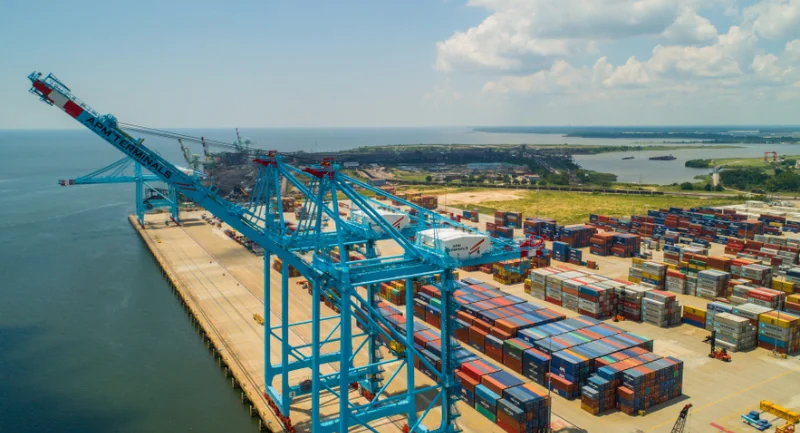
Now being considered one of the deepest container ports in the Gulf region, the Alabama Port Authority Interim Director and CEO Doug Otto states that, “This milestone shows the immediate value of the project,” and that, “As soon as the Corps confirmed the channel was ready, our customers took advantage of the additional depth. This is exactly why this project matters—it means lower shipping costs, more efficient trade, and an even stronger economic engine for Alabama.”
The project is still ongoing, with plans to start widening out the turn basin near the Port’s container terminal. When the project is completed, the Alabama Port Authority plans to hold a ribbon-cutting ceremony to commemorate the project.
You can read more about the harbor project here.
New CDL Regulations Cause Thousands To Be Revoked, Potentially Harming Small and Mid-Sized Trucking Companies

It was found that the staff administering these CDLs didn’t have proper training or quality assurance control. They also found that people who were not eligible drivers were still able to receive and maintain their CDLs. With these discoveries, the FMCSA is now tightening down its scrutiny on how the process should go, reminding companies of what rules are to be followed, such as making renewals in-person only and tying the drivers’ CDL expiration to their visa.
With these changes, as well as ICE raids occurring across the nation, it’s causing drivers to lose their licenses or even be detained while on the job. Craig Fuller, CEO of FreightWaves, believes that this decision will likely impact small and midsize trucks and cause more trucking bankruptcies to occur over the next year. Whatever happens, many continue to watch and see how these changes affect the industry, their businesses, and their lives.
You can read more about these changes here.
New deal announcing freight service Trailer Bridge to be partly acquired by St. Cloud’s Anderson Trucking Service, Inc.
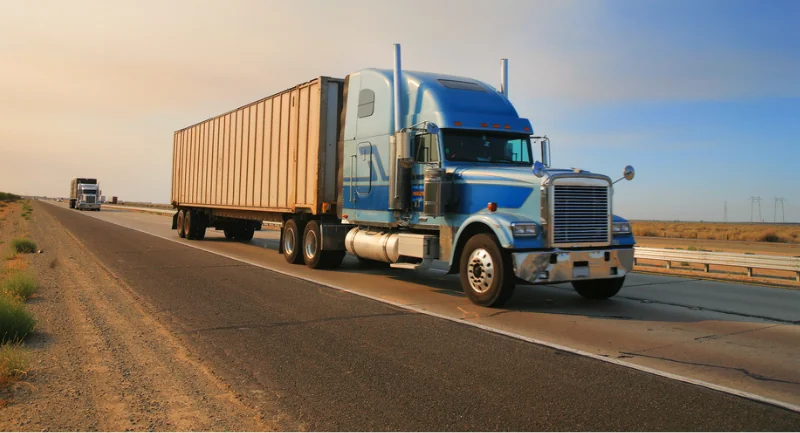
Trailer Bridge will still have control over its asset-based ocean shipping to Puerto Rico, their government services division, and their international freight forwarding division. Brent Anderson, president of Anderson Trucking Services, stated, “This acquisition reflects our commitment to growth and, more importantly, to delivering even greater value to our customers,” and, “By combining the strengths of both organizations, we’ll expand capacity, broaden solutions, and ensure shippers have the reliable support they need in today’s complex supply chain environment.” This acquisition will allow them to expand their services in North America, where they provide assistance throughout the U.S. and Canada.
You can read more about the acquisition here.
FreightCenter: Your Logistics Solution Partner
FreightCenter takes security seriously. We thoroughly vet our carrier network, maintain strict verification protocols, and monitor shipments at every stage to protect your freight from fraud and theft. Our experienced team helps you navigate the complexities of secure shipping, allowing you to focus on your business.
Our team is here to support you through all kinds of situations, with logistics solutions built for resilience. Call us at (800) 716-7608 for more information, or try our free online quote tool to enhance your freight shipping experience with FreightCenter’s 3PL services.