
Trucking Carriers Expect Bumpy Ride for Next 18 Months
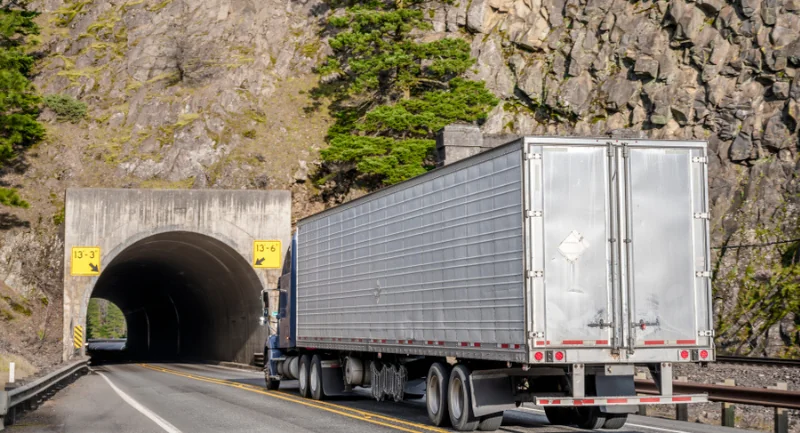
Industry leaders pointed out that rising costs, up more than 5% annually for the past three years, continue to outpace rates and that the structural imbalance in supply and demand is the core issue. FTR Chairman Eric Starks described the past year as a “roller coaster,” while J.B. Hunt’s Spencer Frazier highlighted the resilience of both shippers and carriers despite current headwinds. FTR Vice President Avery Vise projected truckload volumes would decline slightly in 2025 and 2026 before a modest rebound in 2027, with refrigerated freight faring somewhat better.
Executives agreed that the overhang of small carriers is prolonging the downturn. Many smaller players with low debt and overhead are able to hang on longer than expected, which has prevented the kind of capacity cuts needed to rebalance the market. Vise noted that many fleets have already cut operations “to the bone,” leaving limited options other than consolidation or bankruptcies, particularly among midsized carriers operating 200–700 tractors. Banks are continuing to support borrowers, but fleets remain vulnerable to a single customer loss or accident.
Despite these challenges, some noted that external forces could shift the outlook. The Trump administration’s rapid and decisive policy actions remain a wild card that could alter the trajectory of the market. Meanwhile, stable fuel prices have helped cushion the downturn, though executives warned that a spike in diesel would be a serious blow. Looking ahead, analysts expect only minimal rate increases of less than 2% through 2026, reinforcing that a major event or structural change will likely be required to truly lift the market out of its prolonged slump.
You can read the full article here.
Mexico Plans Tariffs of 50% on Chinese Cars, Steel, Textiles
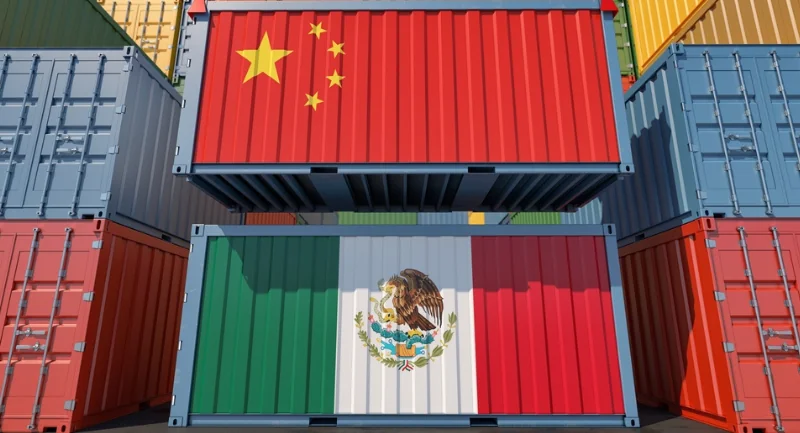
China has become the largest exporter of cars to Mexico, a trend that has raised concerns in the United States as it continues its own trade war with China. By raising tariffs, Mexico hopes to strengthen its local industries while also easing tension with the U.S., its biggest trade partner. The move highlights how Mexico is trying to balance both domestic economic protection and international trade relationships.
The proposed tariff hike is part of a draft bill sent to Mexico’s Congress that targets around 1,400 products. These new tariffs would apply not only to China but also to countries like South Korea, Thailand, India, Indonesia, Russia, and Turkey. By including more countries, Mexico also aims to prevent China from sidestepping tariffs by routing its products through other nations before they reach the Mexican market.
You can read the full article here.
Diesel prices see declines with forecasts of more ahead as OPEC continues to boost supply

Diesel prices in the U.S. have been dropping, offering some relief for shippers and carriers. Since peaking in July at $3.81 a gallon, prices have fallen for five straight weeks, now averaging about $3.71 per gallon. This is a big improvement compared to October 2024, when prices were around $4.50. The seasonal slowdown after the summer driving season is partly behind the decline, though concerns remain about oversupply in the global oil market.
Even with lower prices, trucking executives caution that the impact on profits is limited because freight rates remain weak. Fuel surcharges have also been falling, with Old Dominion Freight Line’s LTL surcharge at about 27.8% and truckload surcharges averaging around 37 cents per mile. Some larger carriers, like Knight-Swift, hope for small rate increases in 2026, but the overall outlook for the trucking market remains uncertain.
Globally, oil markets have been shaken by geopolitical events. Reports suggest Ukraine has struck Russian refineries and pipelines, while explosions have disrupted supply routes near Moscow. At the same time, ExxonMobil has reportedly been in secret talks with Russia to resume a massive $500 billion oil partnership if a ceasefire is reached. Despite these tensions, U.S. diesel prices have stayed steady or even declined, in part because traders see the market stuck in a narrow range while waiting for clearer signals.
Looking ahead, supply and demand factors will continue to shape the market. U.S. distillate inventories remain about 15% below the five-year average, but production has been rising, with ExxonMobil planning to expand diesel output at its Baytown, Texas, facility by 2028. Meanwhile, gasoline demand is slightly down compared to last year. Brent crude oil prices are forecast to hover around $63.50 a barrel later this year, showing only minor declines from earlier predictions. Analysts say it’s a push-and-pull situation, with neither bulls nor bears dominating the market.
You can read the full article here.
More Than 60 Containers Fall Off Ship at Port of Long Beach
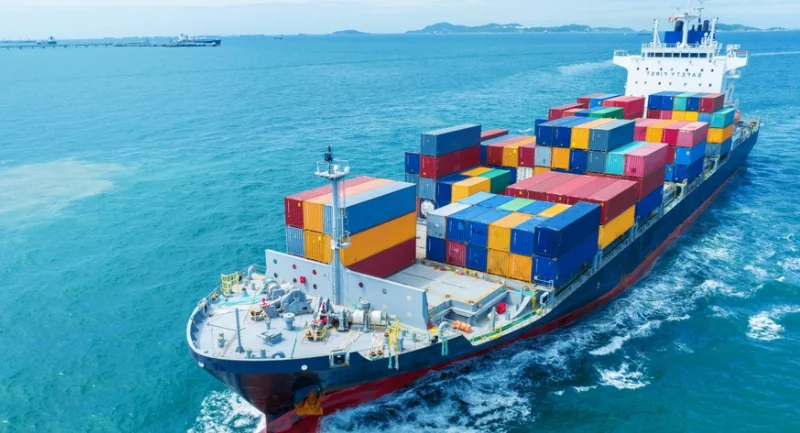
Port spokesperson Art Marroquin confirmed that the accident happened around 9 a.m., but no injuries were reported. A smaller clean air barge located next to the ship was damaged by several of the fallen containers. Officials said the Coast Guard and port authorities will lead the investigation to determine how the containers came loose.
Shipping company Flexport announced it is working with carrier ZIM and port officials to track which shipments were affected and to assist customers. The ship involved, the Portuguese-flagged Mississippi, is a post-Panamax vessel that can carry up to 5,550 containers. It had arrived at the port earlier that morning after departing from Yantian in Shenzhen, China, on Aug. 26.
You can read the full article here.
New $328M Port of Entry Project Breaks Ground in Douglas, AZ

The 80-acre port will be significantly larger and more modern than the Castro facility, featuring four northbound and two southbound inspection booths, 36 covered truck bays, secure holding areas, and space for hazardous materials. It will also include 176,000 square feet of office space, training facilities, dog kennels, and inspection areas for both the Federal Motor Carrier Safety Administration and the Arizona Department of Transportation. By comparison, the Castro port has just two booths and five truck bays.
Officials said the new port will improve safety and efficiency, especially for oversized mining equipment and chemical shipments, while also supporting regional supply chains. Andrew Heller of the General Services Administration emphasized that the project represents a commitment to building secure, modern ports that both strengthen border security and promote economic growth. CBP’s Guadalupe Ramirez highlighted the expected benefits for local communities, the state, and the broader trade sector, calling ports of entry “economic engines for our nation.”
The Douglas project will be paired with a separate modernization and expansion of the Castro port, together representing more than $600 million in federal investment—the largest border infrastructure effort in Arizona in decades. Construction is expected to continue through fall 2028. Local leaders, including Douglas Mayor Jose Grijalva, praised the initiative as transformative, projecting job creation, business attraction, and an expanded role for Douglas as a critical gateway for U.S.–Mexico trade.
You can read the full article here.
UNFI Opens 1M-Square-Foot Warehouse in Sarasota, North Florida
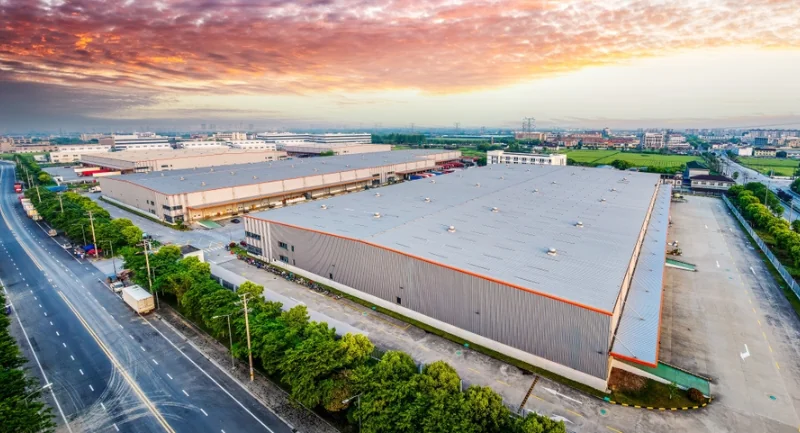
The warehouse is the first UNFI site to use KNAPP’s AI-powered Pick-it-Easy Robot and only the second to use KNAPP’s Goods-to-Person automation system. These technologies are meant to improve order accuracy, speed up operations, and keep a better track of inventory. UNFI leaders say the automation not only boosts performance but also makes employees’ jobs easier and helps the company better serve its customers.
Along with advanced technology, the facility was built with workers in mind. It includes modern amenities such as a gym, recreation and game spaces, upgraded break areas with large windows, and a driver’s lounge. UNFI says it is also investing in employee training and career growth. The Sarasota North project is part of a larger effort to modernize UNFI’s distribution network, with similar expansions and upgrades happening in Washington and Pennsylvania.
You can read the full article here.
What’s Next For the Freight Industry?
Natural disasters, tariffs, bankruptcies, and more: the freight industry seems to be cornered at every turn by unexpected changes on the global stage. The freight industry relies on stability and healthy international relationships to prosper; both of these factors are in short supply these days. Yet, progress is still being made in the industry.
What should freight companies and shippers be doing now, in light of these economic setbacks and potential rises? Is caution or risk the key to success? Companies should develop backup plans for their supply chain processes, considering every type of disruption that could impact their operations. You should also continuously monitor the global economy, particularly market trends, geopolitical developments, and shipment volumes. These factors could affect your business when you least expect it, so you must stay informed about current global economic developments and make preparations for when its less favorable aspects emerge.
How FreightCenter Supports Businesses During Economic Uncertainty
At FreightCenter, we understand that financial instability doesn’t stop the need for goods to move. That’s why we offer services and tools to help businesses stay agile and control logistics costs even in volatile markets:
Scalable Freight Solutions: Quickly adapt to volume fluctuations with flexible service options.
Rate Comparisons in Real Time: Secure the most cost-effective rates from our carrier network to protect your bottom line.
Strategic Shipment Planning: Optimize routes and timing to avoid unnecessary expenses or disruptions.
Our team is here to support you through the uncertainty, with logistics solutions built for resilience. Call us at (800) 716-7608 for more information or try our free online quote tool to enhance your freight shipping experience with FreightCenter’s 3PL services.