

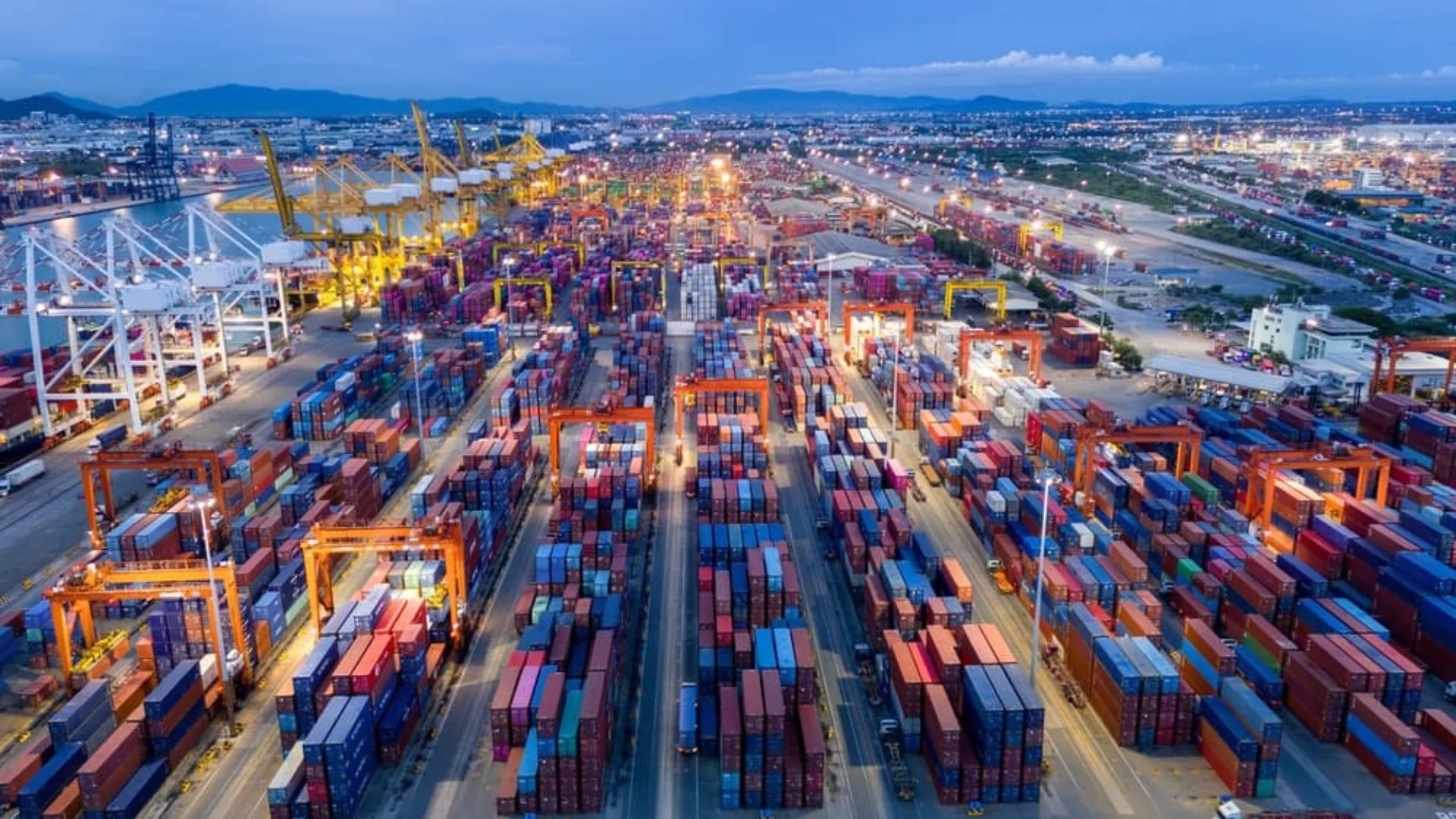
An inland container depot (ICD) is a logistics facility located away from a seaport where shipping containers can be stored, handled, transferred, and prepared for continued transportation. Often called a dry port, an ICD extends certain port-related functions farther inland, closer to manufacturers, warehouses, distribution centers, and major consumer markets.
ICDs can make container transportation more practical by moving some storage, handling, documentation, and cargo-processing activity away from crowded marine terminals. They also connect ocean transportation with inland rail and truck networks.
For companies that rely on containerized freight, understanding how ICDs work can help with transportation planning, port congestion, equipment coordination, and moving freight between coastal gateways and inland destinations.
What Is an Inland Container Depot?
An inland container depot is a facility designed to handle containerized freight inland rather than directly at a seaport.
Depending on the facility and local rules, an ICD may support:
- Storage of loaded and empty containers
- Container loading and unloading
- Cargo consolidation and deconsolidation
- Transfers between trucks and rail
- Warehousing and related logistics services
- Container inspection or repair
- Customs-related processing at appropriately designated facilities
ICDs are commonly located near industrial areas, manufacturing centers, major transportation corridors, or regions with significant import and export activity.
Instead of requiring every container-related activity to occur at a marine terminal, some of that work can take place farther inland.
Is an Inland Container Depot the Same as a Dry Port?
The terms inland container depot and dry port are often used interchangeably to describe inland facilities that connect containerized freight with seaports.
The basic concept is the same: bring port-related logistics functions closer to inland shippers and receivers.
An ICD does not replace the marine port itself. Ocean vessels still call at seaports. The inland facility supports container movement, storage, and processing before or after the ocean portion of the shipment.
Think of an ICD as an inland extension of the container transportation network.
How Does an Inland Container Depot Work?
The exact process depends on whether freight is moving into or out of a country, the transportation modes being used, and the services available at the facility.
For an import shipment, the process may look like this:
- The container arrives at a seaport.
Containerized freight is discharged from the vessel and prepared for inland transportation. - The container moves inland.
Rail or truck transportation moves the container from the port toward an ICD. - The ICD receives and processes the container.
The facility may provide storage, handling, inspection, documentation, or other permitted services. - The freight continues to its destination.
The container or its contents can then move by truck, rail, or another available transportation option to a warehouse, distribution center, manufacturer, or other consignee.
Export freight can follow the process in reverse. Cargo may first move to an ICD for consolidation, container handling, or other preparation before traveling to the seaport for export.
Why Are Inland Container Depots Important?
ICDs help address a basic logistics challenge: major ports have limited space, while the businesses producing and receiving freight may be hundreds or thousands of miles inland.
Moving certain activities away from the waterfront can create more flexibility throughout the container transportation network.
1. They Can Help Reduce Pressure on Seaports
Containers that remain at a marine terminal occupy valuable space.
Moving eligible containers inland can shift some storage and processing activity away from the port, giving terminal operators more room to handle arriving and departing freight.
This can be highly valuable when container volumes are high, or port storage capacity is constrained.
2. They Bring Container Services Closer to Inland Markets
Manufacturing and distribution activity does not happen only near the coast.
An ICD located near a major industrial market can bring container handling closer to the businesses that actually need the freight.
That can simplify the inland portion of an international supply chain, particularly in large countries and regions located far from coastal ports.
3. They Support Multimodal Transportation
ICDs commonly connect multiple transportation modes.
A container might travel:
Ocean vessel → seaport → rail → inland depot → truck → distribution center
This ability to transfer containers between transportation modes makes ICDs an important part of many intermodal container networks.
Rail can support longer inland movements involving large container volumes, while trucks provide flexibility for pickup, delivery, drayage, and shorter-distance transportation.
4. They Provide Container Storage and Handling Capacity
ICDs may provide temporary storage for both loaded and empty containers.
Facilities can also use specialized container-handling equipment to position, stack, load, and transfer containers as they move through the supply chain.
That capacity gives shippers, transportation providers, and logistics groups another location for coordinating container movements outside the marine terminal.
What Services Can an Inland Container Depot Provide?
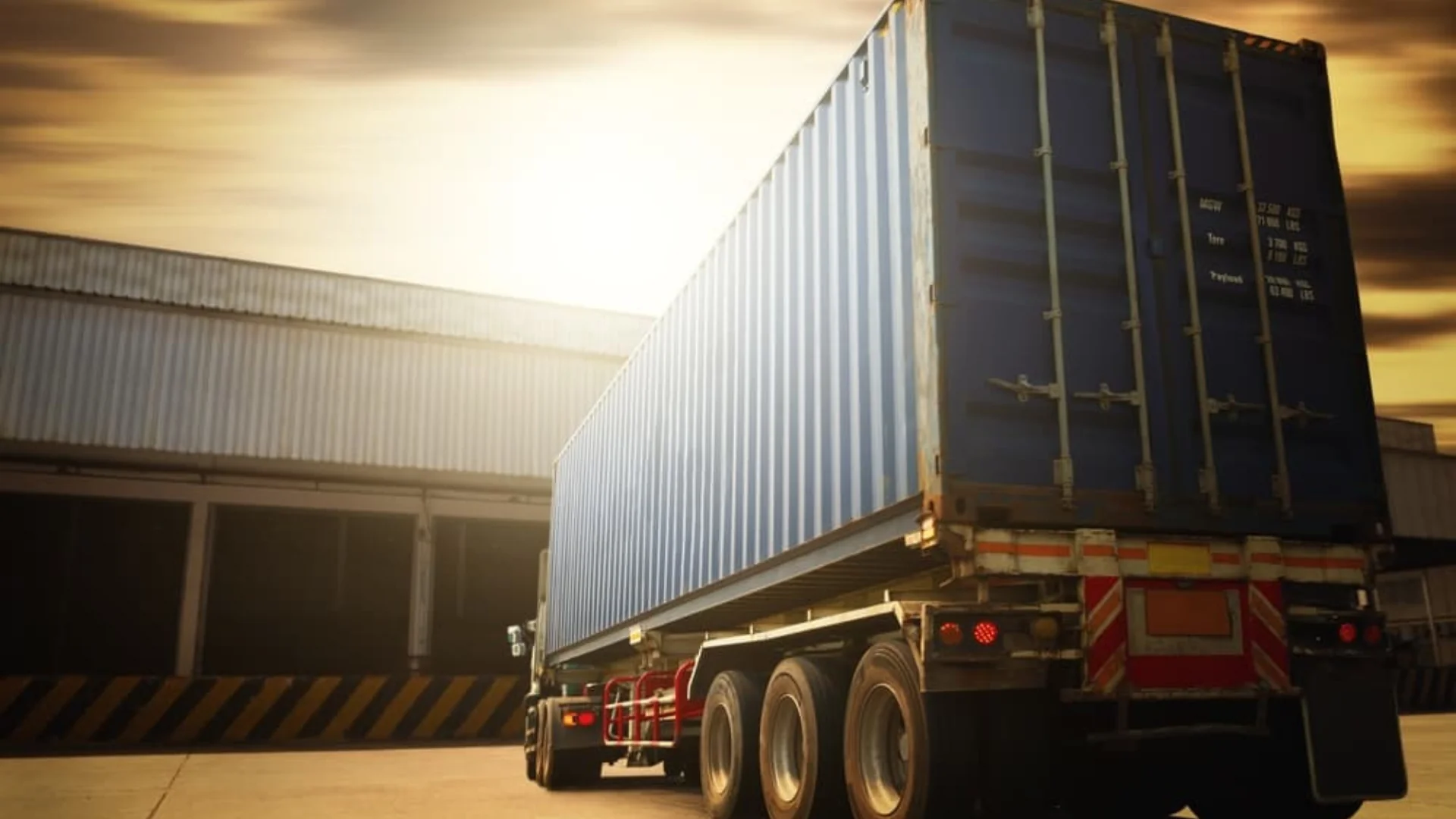
Services vary widely by facility, location, and regulatory authority, so shippers should confirm what is available before routing freight through an ICD.
Common services can include:
Container Storage
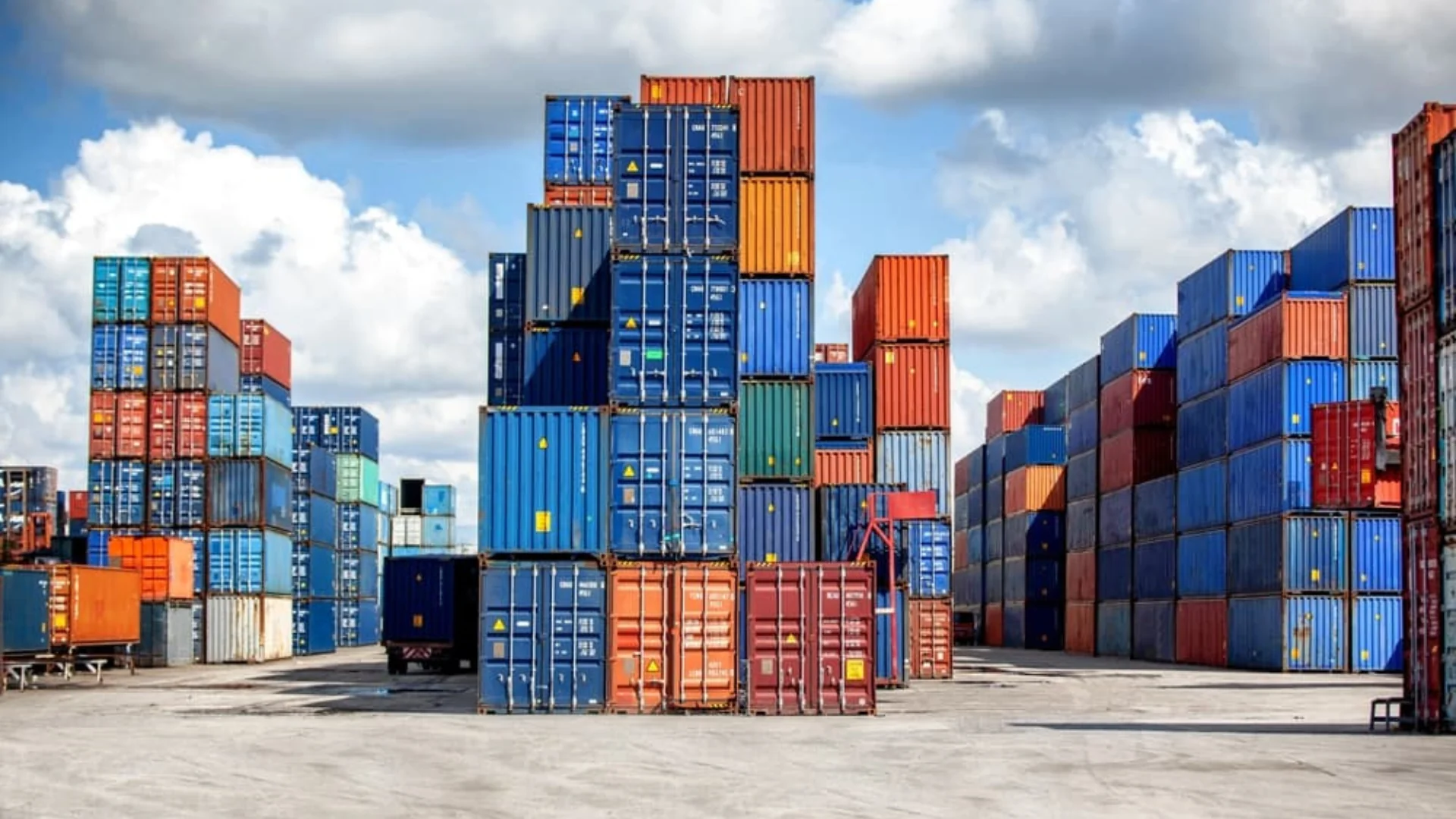
ICDs may store loaded or empty containers while they wait for their next transportation movement.
Container Handling
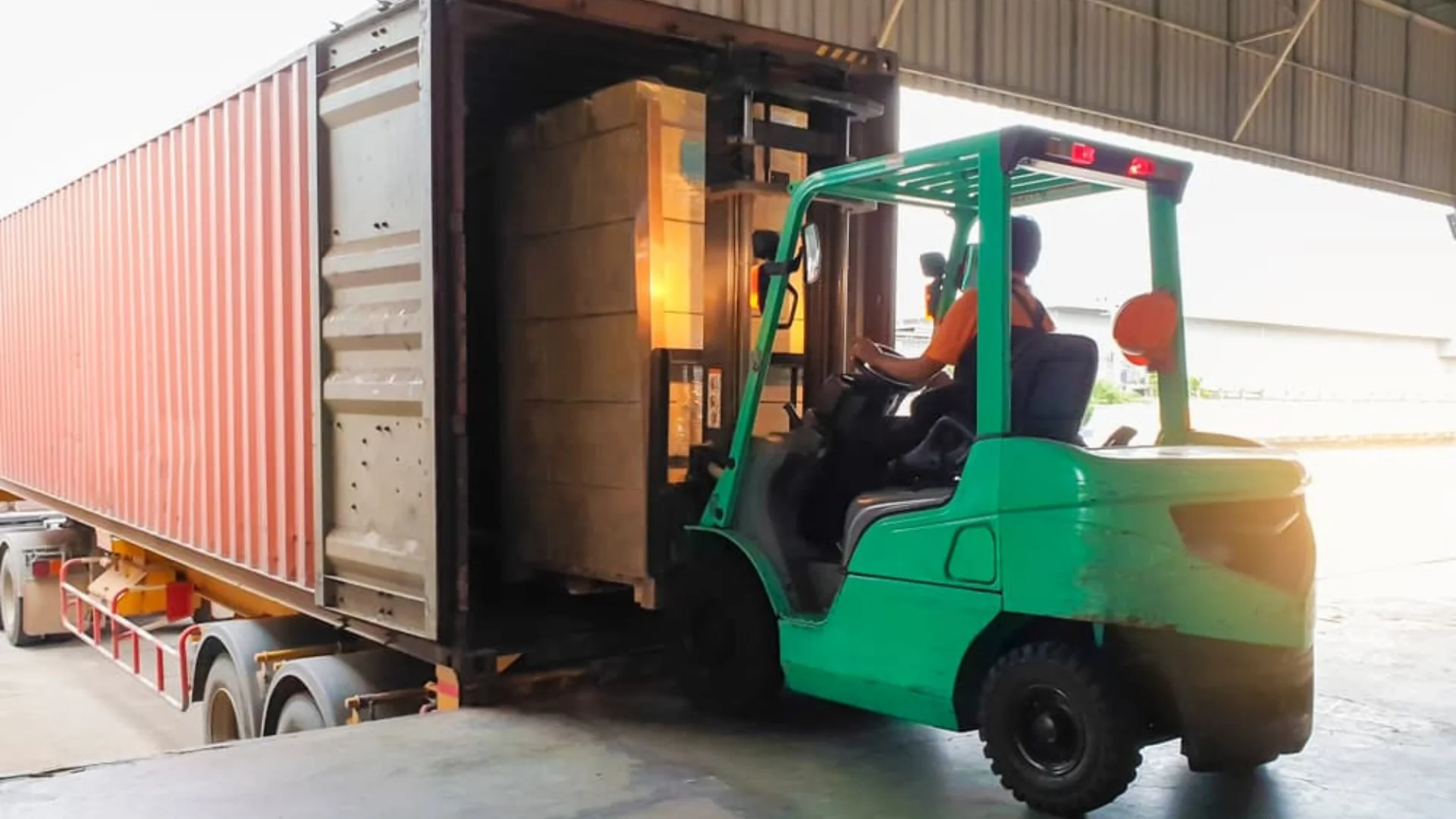
Specialized equipment can lift, stack, reposition, load, and unload shipping containers.
Consolidation and Deconsolidation
Freight from multiple shipments may be consolidated into containers, while arriving container loads may be separated for distribution to multiple destinations.
Customs-Related Processing
Some appropriately designated inland facilities may support customs procedures or inspections.
The exact requirements depend on the country, commodity, shipment, and regulatory framework. FreightCenter helps arrange transportation but should not be treated as the customs authority or the party responsible for government clearance.
Warehousing and Value-Added Services
Depending on the facility, additional services can include warehousing, packaging, labeling, container maintenance, or related logistics support.
How Can ICDs Help With Port Congestion?
Container ports have limited yard capacity.
When large numbers of containers accumulate inside a port, terminal operations can become more difficult. Moving containers to inland facilities can shift some activity away from the waterfront.
An ICD can help by providing another location for:
- Container storage
- Cargo handling
- Documentation and processing
- Consolidation or deconsolidation
- Connections to inland rail and truck transportation
This does not eliminate port congestion, but it can provide additional capacity and flexibility within the larger transportation network.
Can Inland Container Depots Help Reduce Demurrage or Detention?
Potentially, but the result depends on the shipment and the applicable carrier, terminal, and equipment terms.
Demurrage and detention can become concerns when containers or equipment remain beyond applicable free-time periods. Moving freight through an inland facility may give some shippers more flexibility for storage and inland transportation planning.
However, using an ICD does not automatically eliminate these charges.
Shippers should understand:
- Port and terminal free-time rules
- Container availability
- Pickup appointments
- Chassis availability
- Rail schedules
- Return requirements
- Delivery readiness
- Applicable carrier terms
When container timing matters, planning the entire port-to-inland movement is more useful than focusing only on the ocean portion of the shipment.
Who Uses Inland Container Depots?
ICDs can support several participants throughout the freight network.
Importers and Exporters
Businesses involved in international trade may use ICDs to position containers closer to factories, distribution centers, suppliers, or customers.
Manufacturers
Distributors and Retailers
Businesses handling significant container volumes may use inland terminals as part of a larger distribution strategy.
Freight and Logistics Providers
Transportation and logistics companies may coordinate truck, rail, drayage, storage, and container movements through inland facilities.
Government and Customs Authorities
Where facilities have the appropriate designation, government agencies may conduct certain inspections or customs-related activities there.
How Are ICDs Connected to Seaports?
Most ICD networks rely heavily on rail and truck transportation.
The Federal Highway Administration explains how freight intermodal connectors link ports, rail terminals, and other freight facilities with the broader transportation network.
Rail can efficiently move significant container volumes between a coastal gateway and an inland market. Truck transportation then provides first-mile or final-mile flexibility between terminals, warehouses, factories, and distribution centers.
In some regions, inland waterways may also connect ports with inland freight facilities.
The right transportation combination depends on the route, available infrastructure, freight volume, schedule, and destination.
Businesses appraising these options may also want to understand how rail freight and intermodal transportation fit into their supply chain.
Are Inland Container Depots Only Used for International Freight?
No.
International container traffic is a major use case, but inland freight facilities can also support domestic container movements and distribution activity.
For example, a container may move between major industrial regions using rail and truck without being part of an international shipment.
The facility’s value comes from its ability to provide container handling, storage, and transportation connections at a useful inland location.
The two facilities are complementary, not interchangeable. A seaport handles the marine portion of the transportation network, while an ICD helps extend that network inland.
When Does an Inland Container Depot Make Sense?
An ICD may be useful when a supply chain involves:
- Significant distance between the seaport and final destination
- High container volumes
- Strong rail connectivity
- Manufacturing or distribution activity concentrated inland
- Limited space at coastal terminals
- A need for inland container storage or handling
- Multimodal transportation planning
Whether an ICD improves a specific shipment depends on the available facilities, transportation schedules, cost structure, container requirements, and final delivery location.
Businesses should compare the entire transportation plan rather than assume an inland depot will always be faster or cheaper.
What Should Shippers Consider When Moving Containers Inland?
Before arranging an inland container movement, confirm the operational details that can affect the shipment.
Key questions include:
- Which port will handle the ocean container?
- Which ICD or rail terminal serves the destination market?
- Will the container move inland by rail or truck?
- Is drayage required at either end?
- What are the terminal operating hours?
- Are appointments required?
- How much free time applies?
- Who is responsible for the chassis?
- When must the container or equipment be returned?
- Is the delivery facility prepared to unload the freight?
- Does the shipment require customs or regulatory coordination?
- Are there hard receiving or production deadlines?
These details can be just as important as the linehaul transportation itself.
How FreightCenter Fits Into Container Transportation
FreightCenter is a non-asset-based 3PL and licensed freight broker. Rather than operating ports, railroads, vessels, or container depots, FreightCenter helps businesses evaluate and arrange transportation with carrier partners.
Depending on the shipment, that can include helping shippers review transportation options for the inland portions of container freight, including truck, rail, intermodal, drayage, and other services where available.
For international freight, customs requirements remain the responsibility of the appropriate importer, exporter, licensed customs professionals, and government authorities.
Businesses planning a container move can also explore FreightCenter’s container shipping services and international freight shipping resources.
Plan the Inland Portion of Your Container Shipment
The ocean voyage is only one part of container shipping.
Once a container reaches port, shippers may still need to coordinate terminal pickup, rail or truck transportation, drayage, inland storage, equipment return, and final delivery.
Understanding how inland container depots fit into that network can help businesses manage those handoffs more effectively.
Need help evaluating transportation options for your freight? Get a Freight Quote and compare available services through FreightCenter.