
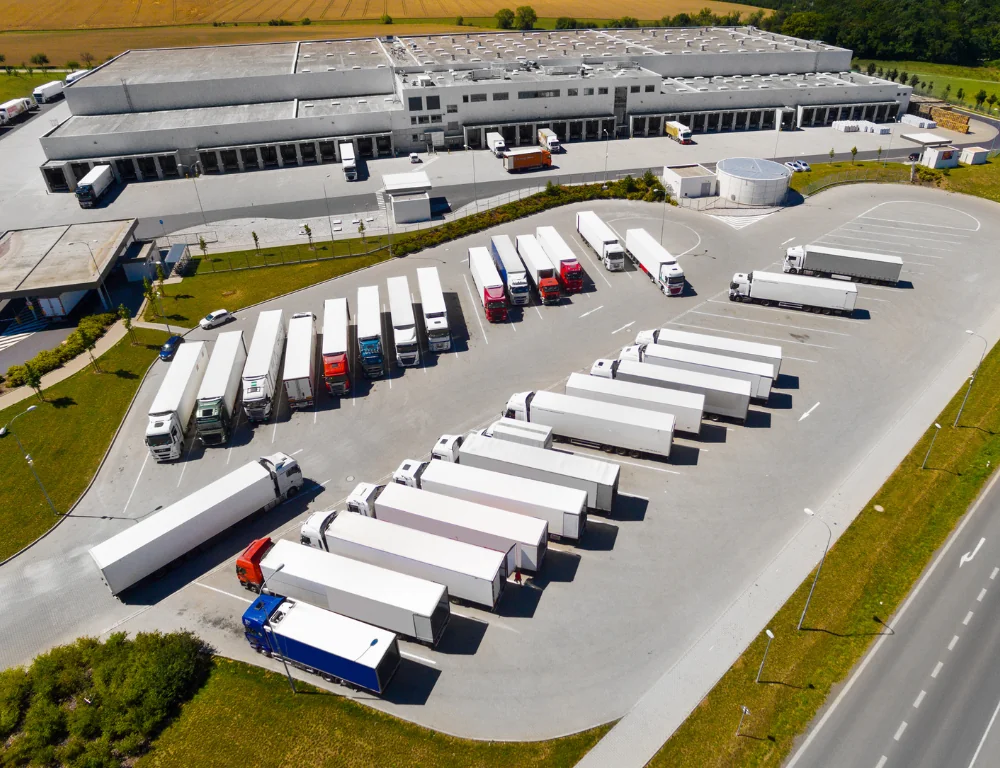
Multimodal Transport
Shipments Across Land, Sea, and Air
Efficiently move your goods using multiple transport modes for streamlined, cost-effective logistics.
Modes Of Transportation:
Less-Than-Truckload (LTL) Shipping Full Truckload (FTL) Shipping Container Or Ocean Freight Air Freight


Not every shipment takes a straight path. Sometimes, your freight needs to ride a truck to a rail yard, hop onto a train, get lifted onto a ship, and finally arrive by another truck. That’s multimodal transport in action.
At FreightCenter, we help businesses simplify these complex movements by coordinating everything behind the scenes. Whether you’re shipping across the country or across the globe, our logistics experts build routes that combine the best of each transportation mode to keep your supply chain running smoothly.





Thousands of businesses trust FreightCenter to move their freight faster, smarter, and cheaper! From unbeatable rates to top-notch service, our customers are raving about their shipping success.
See why they keep coming back!
Award-Winning Service, Trusted by Shippers Everywhere!
- 2021, 2017 & 2016 Food Logistics’ Top Green Providers
- 2021 & 2018 Supply & Demand Chain Executives’ Pros to Know: Matthew Brosious
- 2020 & 2019 Top Food Logistics’ 3PL & Cold Storage Provider Award
- 2020 & 2019 Business Observer’s Top 500 Companies on the Gulf Coast
- 2020 & 2017 SmartWay® Transport Partner
- 2020 & 2017 Food Logistics’ Champions: Rock Stars of the Supply Chain
- 2020 Best of Palm Harbor Awards for Local Businesses
- 2017 Green Supply Chain Award from Supply & Demand Chain Executive
- 2017 Tampa Bay Business Journal Heroes at Work
- 2016, 2015, & 2012 Food Logistics Top 100 Software and Technology Providers
- 2013 Tampa Bay Business 100 by Tampa Bay Business Journal
- 2013 Top 100 Great Supply Chain Partners by SupplyChainBrain
- 2012 TIA Samaritan Award Honorable Mention
- 2012, 2011 & 2010 TBBJ Fast 50 Recipient
- 2013, 2011, & 2010 Diversity Business Top Businesses

Multimodal Transport Definition
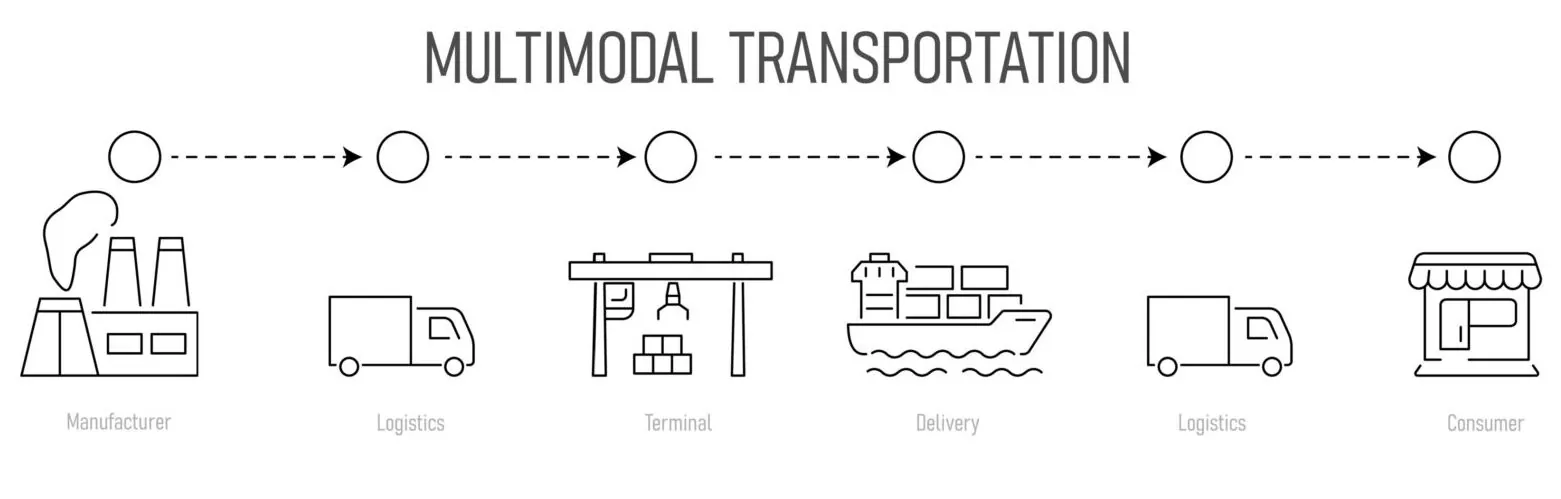
Multimodal transport involves coordinating and managing freight using multiple modes of transport. Unlike traditional shipping methods that rely on a single mode of transport, this method combines different modes to streamline the logistics process.
- Single Contract: Using a single contract or bill of lading for the entire journey simplifies the documentation process for shippers and receivers. This unified approach ensures that all parties adhere to the same terms and conditions.
- Integration of Modes: This style of transportation typically combines road, rail, sea, and air transport. Each mode is selected based on cost, transit time, and accessibility.
How Multimodal Transport Works
Booking and Documentation: A single contract or bill of lading covers the entire journey, simplifying paperwork and ensuring consistency. This unified approach makes the process more straightforward for shippers and receivers.
Transport Coordination: Logistics providers optimize routes and manage carrier relationships to ensure smooth transitions between different transport modes. Effective coordination reduces the risk of delays and disruptions.
Handling and Transfer: Efficient cargo handling at intermodal terminals is crucial. Goods are transferred between different modes at these hubs, which include ports, rail yards, and airports. Proper management at these points ensures your shipment’s integrity and timely movement.
Tracking and Visibility: Advanced tracking systems provide real-time updates on the status and location of shipments. Enhanced visibility allows for better management and communication, giving you peace of mind throughout transport.
Importance and Benefits
Increased Efficiency: Seamlessly integrate different transport modes to minimize delays and improve operational efficiency.
Cost Savings: Leverage the most cost-effective transportation options for each shipment segment.
Flexibility: Adapt routes and modes based on changing conditions, ensuring timely and reliable delivery.
Reduced Transit Times: Combine modes to speed up deliveries using the fastest long-haul and local transport options.
These are just a few of the vast benefits of multimodal transport. Integrating multiple modes of transportation under a single contract minimizes delays and simplifies shipping. This approach ensures that goods are moved using the most suitable and cost-effective methods, leading to significant savings.
Additionally, the flexibility of multimodal transport allows for quick adaptation to changing conditions, ensuring reliable and timely delivery. Advanced tracking systems provide real-time visibility, enhancing management and communication throughout the journey. Multimodal transport optimizes your supply chain, making it an intelligent choice for complex shipping needs.
Challenges in Multimodal Transport
Regulatory Compliance: Adhering to international and local regulations is essential to avoid delays and legal issues. Different countries and modes of transport have varying regulations that must be navigated carefully.
Risk Management: Protecting your cargo with adequate insurance coverage is crucial. Contingency planning for potential disruptions, such as natural disasters or political instability, helps ensure the continuity of your operations.
Environmental Impact: Implementing sustainable practices and exploring green technologies can minimize the environmental footprint of your logistics operations. This includes optimizing routes to reduce energy consumption and emissions.
Multimodal doesn’t mean complicated. At FreightCenter, we bring together different modes of transportation—like trucks, trains, ships, and planes—to create one seamless shipping experience. Whether you’re moving a full container overseas or a pallet across the country, we design solutions that actually work for your business.
We use a multimodal approach to LTL when it makes sense—combining road, rail, or even port drayage to keep costs low and deliveries on schedule. Our team compares carriers, routes, and rates to find the best option every time.
When the clock’s ticking, our Expedited Service steps in. We combine the fastest transport modes with real-time tracking to meet your deadline without the guesswork. From same-day trucking to air freight, we’ll get it there—fast and safe.
Got something oversized, oddly shaped, or just plain tricky to ship? We’ve seen it all. Our specialized services are built for freight that doesn’t fit the usual mold. From heavy equipment to temperature-sensitive cargo, we’ll match you with the right multimodal strategy and carrier.
Shipping across borders? Our international multimodal solutions connect you with a global carrier network and help you navigate customs, regulations, and ocean + air transit. You get global reach—without global headaches.
 Guaranteed competitive pricing every time you ship.
Get Started with Multimodal Transport
Multimodal transport offers a dynamic and flexible solution for modern logistics needs. By integrating different transportation modes, it optimizes the movement of goods, ensuring efficiency, cost savings, and timely delivery. Partner with us to leverage the benefits of multimodal transport and streamline your supply chain operations. Contact us today to learn more about how our multimodal transport solutions can meet your shipping needs.
Call FreightCenter at 800-716-7608 to get started!
Frequently Asked Questions About Multimodal Transport
Q. What is multimodal transport?
Multimodal transport is the movement of goods using two or more modes of transportation—like truck, rail, ocean, or air—under a single contract and shipment coordination process.
Q. What are the benefits of multimodal transport?
Multimodal transport can lower costs, reduce handling, improve transit time, and streamline paperwork by placing everything under one shipment management system.
Q. How does multimodal transport work?
Multimodal transport involves a single contract covering the entire journey. Logistics providers coordinate different modes of transport, handle cargo transfers at intermodal terminals, and use advanced tracking systems to provide real-time updates on shipment status.
Q. What types of goods can be transported using multimodal transport?
Almost any type of goods can be transported using multimodal transport, including consumer products, industrial goods, raw materials, and perishable items. The flexibility of multimodal transport makes it suitable for a wide range of cargo.
Q. Is multimodal transport good for long-distance shipments?
Yes, multimodal is ideal for long hauls. You can combine trucking and rail, or ocean and air, to optimize delivery speed and cost depending on the route.
Q. Can I ship LTL freight using multimodal services?
Absolutely. FreightCenter offers LTL options that can be part of a multimodal solution—especially for cost-effective regional or cross-country delivery.
Q. How much does multimodal freight shipping cost?
Pricing varies depending on distance, freight class, weight, modes used, and accessorial services. FreightCenter compares multiple routes and modes to find you the best value.
Q. Is tracking available for multimodal shipments?
Yes. With FreightCenter, you’ll receive tracking updates for each leg of your shipment—even if it changes transportation modes along the way.
Q. Can FreightCenter arrange international multimodal shipments?
Yes, we offer international multimodal services that combine trucking, ocean, and air freight to get your cargo across borders and oceans smoothly.
Q. How do I book a multimodal shipment with FreightCenter?
You can book directly through our online freight quote tool or by speaking with one of our logistics experts who can customize your shipment plan.
Q. Why should I choose FreightCenter for multimodal transport?
We make it simple. Our platform connects you to a network of top carriers, handles the logistics across all modes, and gives you expert support every step of the way.
Did You Know? Multimodal Transport Insights
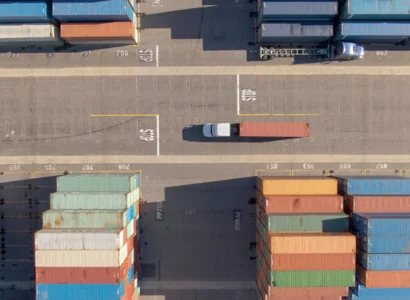
One Container, Multiple Modes — No Unloading Required
In multimodal transport, cargo stays in the same container from start to finish—even when switching between trucks, trains, ships, or planes. This means fewer handling risks, faster transfers, and lower chances of cargo damage or theft. It’s like teleportation for freight logistics.
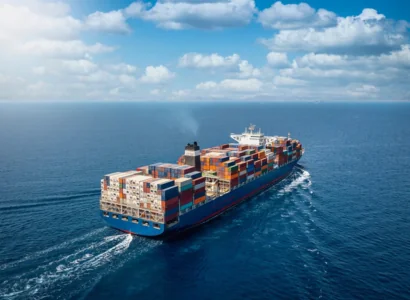
It’s the Backbone of Global Trade
Over 80% of global trade involves ocean shipping—and most of that cargo doesn’t just stop at the port. Multimodal transport makes it possible to continue the journey inland via rail or truck, linking remote factories to international markets through a seamless system.

It Can Cut Shipping Costs and Carbon Emissions
By combining the strengths of different modes—like using rail for long hauls and trucks for last-mile delivery—multimodal transport can reduce both fuel costs and CO₂ emissions. It’s a logistics win that’s also better for the planet.